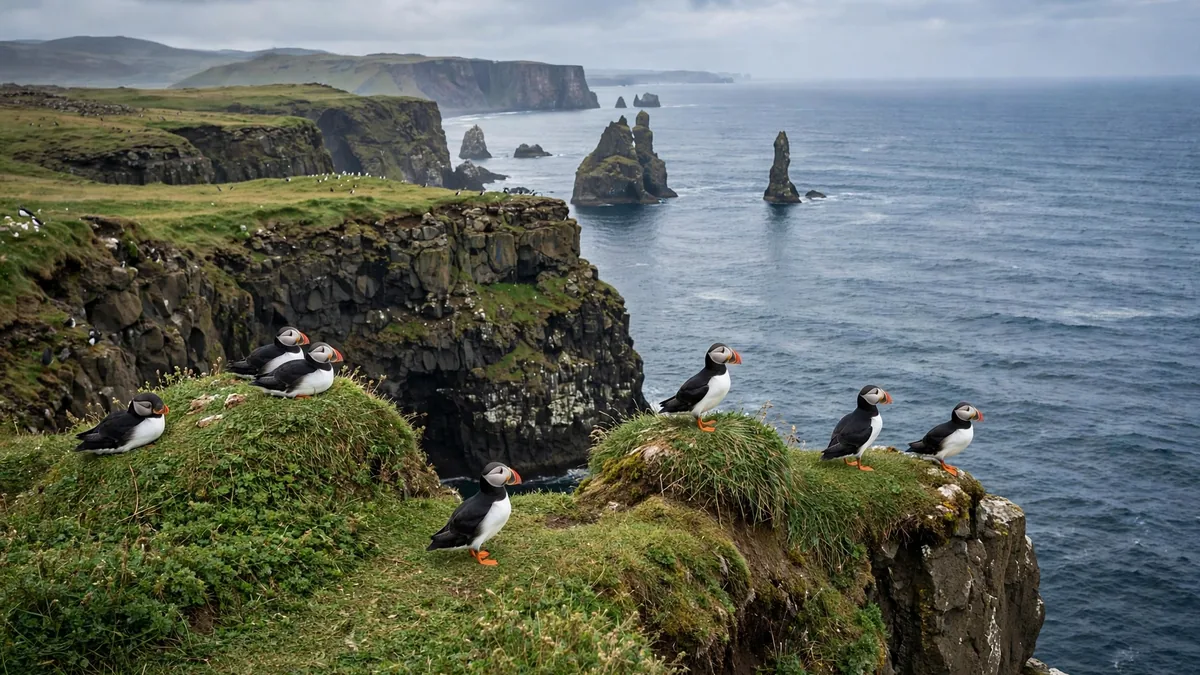
Iceland animals include puffins on the sea cliffs, Arctic foxes in the highlands, whales off the north coast, seals in the fjords and reindeer on the eastern moors. If you are wondering which animals live in Iceland and where to see them, the short answer is this: the island has only one native land mammal, the Arctic fox, while its birds, whales, seals and fish make it one of the best wildlife destinations in the North Atlantic.
Iceland sits just south of the Arctic Circle, a volcanic island of lava fields, glaciers, black beaches and grassy valleys. This guide covers the species you are most likely to meet, where each one lives, the best seasons, and how to watch them safely.
Key takeaways
- Iceland’s only native land mammal is the Arctic fox, and it is the country’s most special land animal.
- Puffins, gannets, guillemots and other seabirds nest on Iceland’s cliffs in huge colonies each summer.
- Whales, dolphins and seals are best seen from the north coast, especially around Húsavík and the Westfjords.
- Reindeer live wild in the east, and Icelandic horses, sheep and sheepdogs are part of everyday farm life.
- Summer is the best season for puffins and whales, while winter brings northern lights and white-coated foxes.
What makes Iceland’s wildlife special
Iceland is a young island, formed by volcanoes in the middle of the North Atlantic, and it was never joined to a continent. That isolation shaped its wildlife: few land mammals ever reached it, and the animals that did arrive came by swimming, flying or drifting on ice. The Arctic fox walked over on sea ice during the last ice age, and it remains the only land mammal that arrived without human help.
The sea, by contrast, is rich. Cold, nutrient-rich currents meet around the island, feeding fish, seabirds, seals and whales. Iceland’s cliffs, islands and fjords give seabirds safe nesting places, and its long summer days give them time to feed their chicks.
The Arctic fox, Iceland’s only native land mammal
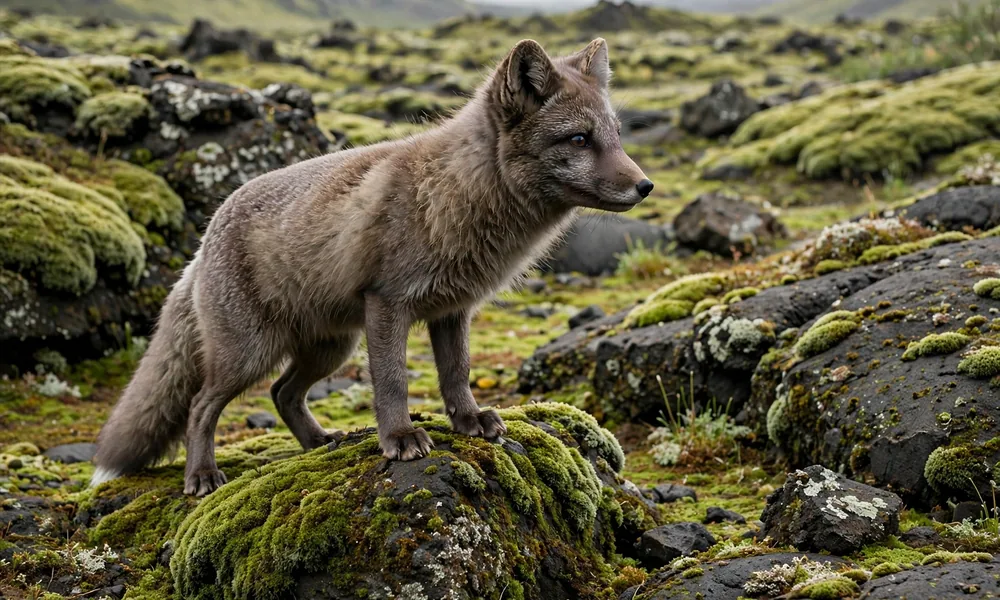
The Arctic fox is the star of Iceland’s land wildlife. It is small, tough and beautifully adapted to the cold, with a thick coat that turns white in winter and brown-grey in summer. In the highlands and the remote Westfjords, foxes hunt birds, eggs, fish and small mammals, and they cache food in the ground for lean times.
The best place to see Arctic foxes is Hornstrandir, the remote nature reserve in the Westfjords, where foxes are protected and have grown used to walkers keeping a respectful distance. Summer is the best season, when foxes are raising cubs near their dens and are active in the long daylight. In winter, the white-coated foxes are harder to spot against the snow, but their tracks tell you where they have been.
Puffins and the seabird cliffs
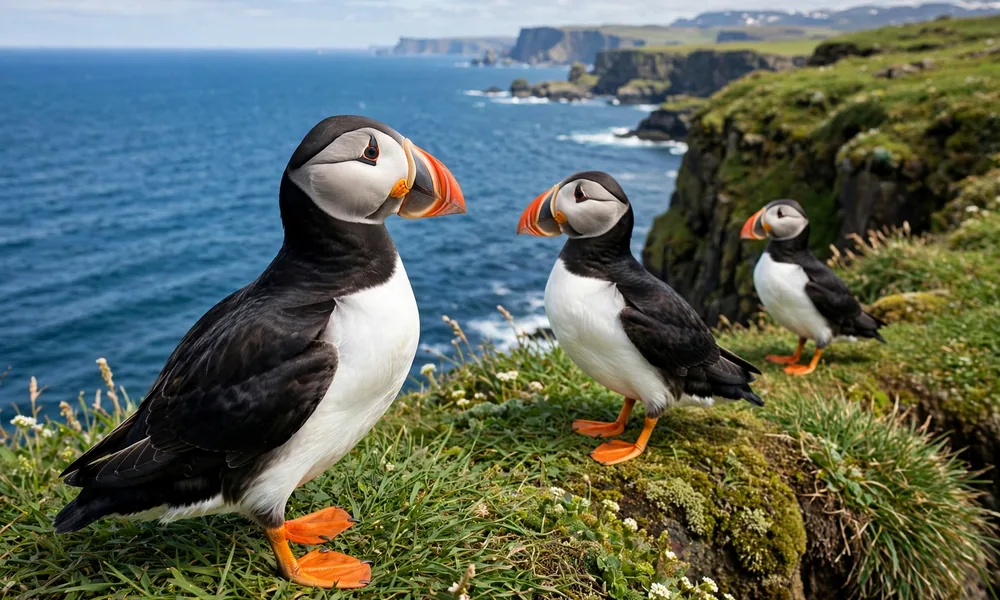
Atlantic puffins are the birds most visitors come to see, and Iceland holds large breeding colonies each summer. Puffins nest in burrows on grassy cliff tops, returning to the same colonies year after year. They arrive in spring, raise a single chick in a burrow, and leave for the open sea in late summer.
The best puffin colonies are at Látrabjarg in the Westfjords, the cliffs of the Westman Islands off the south coast, and the sea stacks at Dyrhólaey and Reynisfjara in the south. At Látrabjarg, Europe’s largest bird cliff, puffins nest close to the cliff edge, and patient visitors can watch them at arm’s length without disturbing them. Like other birds, puffins are most active in the early morning and evening, when they fly in and out with fish for their chicks.
Puffins are not the only seabirds. Northern gannets dive from great heights into the sea, common guillemots and razorbills crowd the cliff ledges, and fulmars glide along the cliff faces. Arctic terns, fierce defenders of their nests, dive at anyone who walks too close to a colony, so give tern colonies a wide berth.
Whales, dolphins and seals
Iceland is one of the best places in Europe to watch whales. Humpback whales feed in the bay off Húsavík on the north coast, and the town is known as Iceland’s whale-watching capital. Minke whales, white-beaked dolphins and harbour porpoises are also seen in the bay, and blue whales, the largest animals on earth, pass through Icelandic waters in summer. Boat trips run from Húsavík, Akureyri and Reykjavík, and the calm summer sea gives the best views.
Seals are easier to see, and they haul out on rocks and sandbanks all around the coast. Grey seals and harbour seals are the two species, and both are seen in the fjords of the Westfjords and the north. The seal colony at Ytri Tunga on the Snæfellsnes peninsula is one of the most reliable places to watch harbour seals, especially at low tide. Keep your distance and use binoculars, because seals slip into the water if people come too close.

Reindeer, horses and farm animals
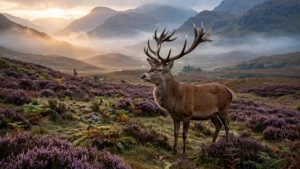
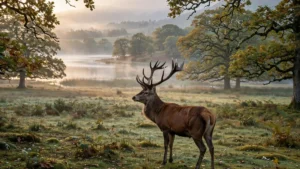
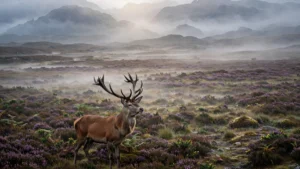
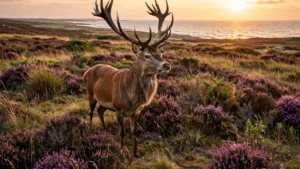
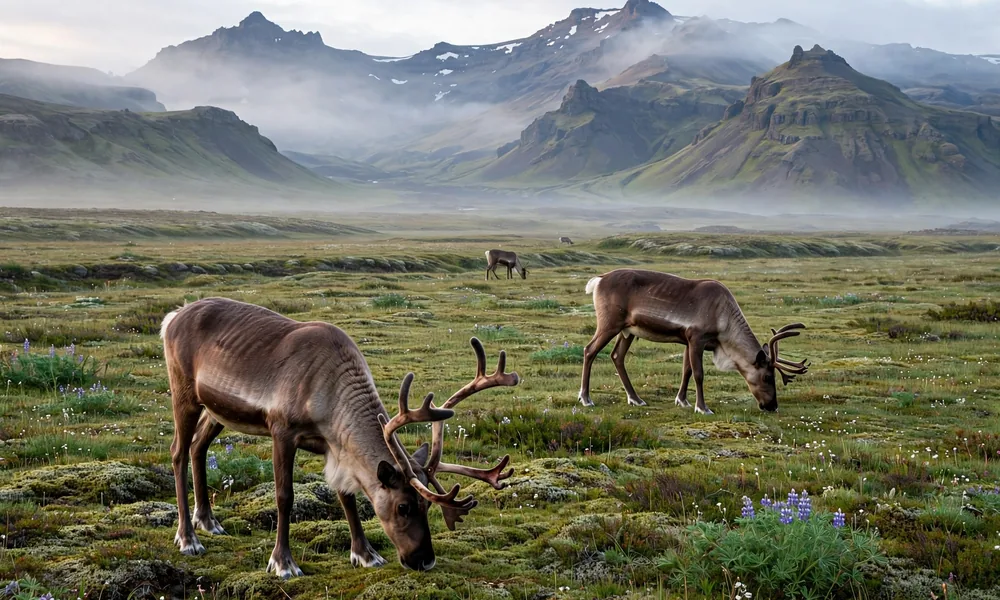
Reindeer are the only deer in Iceland, and they live wild in the east, around the moors and valleys of East Iceland. They were brought to the island centuries ago, and the eastern herd is now the only wild reindeer population in the country. Reindeer graze the high moors in summer and move to lower ground in winter, and they are most often seen at dawn and dusk. Like other tundra animals, they are built for cold and open ground.
The Icelandic horse is not wild, but it is one of the most recognisable animals in the country. Small, sturdy and sure-footed, it has lived on the island for over a thousand years, and it is famous for its smooth extra gait, the tölt. Icelandic horses graze in fields across the country, and many farms offer riding tours that suit beginners as well as experienced riders.
Birds of the lakes, rivers and highlands
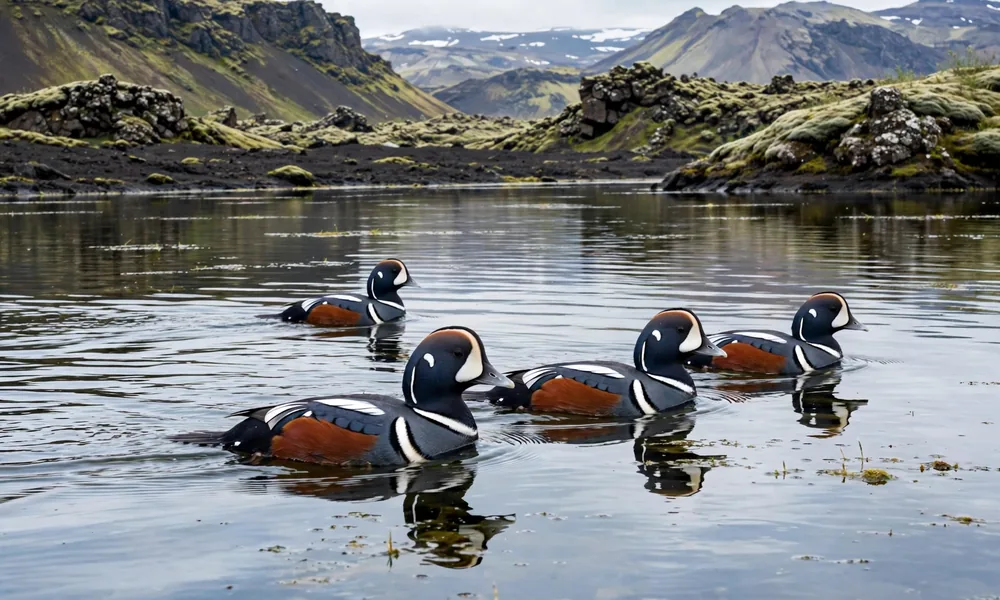
Away from the cliffs, Iceland’s lakes and wetlands hold a different set of birds. Lake Mývatn in the north is one of the best birdwatching sites in Europe, famous for its ducks. Barrow’s goldeneye, harlequin ducks and long-tailed ducks breed there, and the lake’s name, which means midge lake, explains the rich food that draws them. The surrounding lava fields and craters make it a striking place to watch birds.
Whooper swans, the wild swans of the north, breed on Iceland’s lakes and wetlands, and their loud, bugling calls carry across the water. Greylag geese and pink-footed geese nest in the lowlands, and waders such as redshank, snipe and golden plover feed on the wet meadows. The golden plover’s call is said to mark the arrival of spring in Iceland.
Where to see Iceland’s wildlife
The best place depends on the species. Puffins are easiest at Látrabjarg, the Westman Islands and Dyrhólaey, while whales are best from Húsavík and Akureyri. Arctic foxes are best in Hornstrandir, and reindeer are best in the east, around Egilsstaðir and the moors of the highlands. Seals are best at Ytri Tunga on Snæfellsnes and in the fjords of the Westfjords. Iceland’s neighbours share many of the same seabirds, as Norway’s wildlife shows.
For birds, Lake Mývatn is the classic destination, and the south coast, with its black beaches, lagoons and cliffs, rewards a slow drive with stops for seabirds, waders and swans. The highlands, reached by mountain roads in summer, hold snow buntings, gyrfalcons and foxes, but they need a suitable vehicle and careful planning.

| Species | Where to look | Best season | How likely is a sighting |
|---|---|---|---|
| Atlantic puffin | Látrabjarg, Westman Islands and Dyrhólaey | May to August | Good in season |
| Arctic fox | Hornstrandir in the Westfjords | June to August | Good with patience |
| Humpback whale | Húsavík and Akureyri | June to August | Good on a boat trip |
| Reindeer | Moors of East Iceland | Summer, dawn and dusk | Fair |
| Grey seal | Ytri Tunga and the Westfjords | All year, best at low tide | Good |
| Harlequin duck | Lake Mývatn in the north | May to July | Good in season |
Best seasons for wildlife watching
Summer is the easiest season. The days are long, the puffins are at their colonies, the whales are feeding in the bays and the highland roads are open. The midnight sun in June means you can watch wildlife late into the evening.
Autumn brings the sheep round-up, the departure of the puffins and the arrival of the first northern lights. It is also the season when reindeer move to lower ground and when the crowds thin. Winter is the season for white-coated foxes and the northern lights, but the days are short, the weather is harsh and many roads are closed.
Staying safe around Iceland’s wildlife
Iceland’s animals are usually calm, but they deserve respect. Keep your distance from foxes, seals and nesting birds, never approach a seal pup or a fox den, and never try to feed or touch any wild animal. Arctic terns dive at walkers near their nests, so give colonies a wide berth. If you meet a fox, back away slowly and give it room to leave.
Wildlife watching checklist
- Book a licensed whale-watching trip from Húsavík or Akureyri for whales, dolphins and porpoises.
- Plan puffin trips for May to August, and visit Látrabjarg or the Westman Islands in the early morning or evening.
- Bring binoculars, warm layers and waterproofs, even in summer — Icelandic weather changes fast.
- Keep at least 50 metres from seals, nesting birds and grazing reindeer, and far more from fox dens.
- Never feed wild animals, and never use food or calls to lure them closer for a photograph.
- Leave no trace: take your rubbish home and keep to marked paths in sensitive habitats.
Frequently asked questions
What is the only native land mammal in Iceland?
The Arctic fox is the only land mammal that reached Iceland without human help, walking over on sea ice during the last ice age. All other land mammals were brought by people.
When is the best time to see puffins in Iceland?
Puffins are at their colonies from May to August, with June and July the best months. They leave for the open sea in late summer, so winter visits will not find them on the cliffs.
Where is the best place to see whales in Iceland?
Húsavík on the north coast is Iceland’s whale-watching capital, and boat trips also run from Akureyri and Reykjavík. Summer is the best season, when humpback and minke whales feed in the bays.
Can I see Arctic foxes in Iceland?
Yes, and Hornstrandir in the Westfjords is the best place, especially in summer when foxes are raising cubs. Be patient, keep your distance and never approach a den.
Conclusion
Iceland’s wildlife rewards patience: puffins on the cliffs of Látrabjarg, whales off Húsavík and Arctic foxes in Hornstrandir are all within reach if you plan around the seasons and keep your distance.
The next step is to pick one species and one season — a summer puffin trip, a whale-watching boat from Húsavík, or a walk in Hornstrandir — and plan your visit around it.