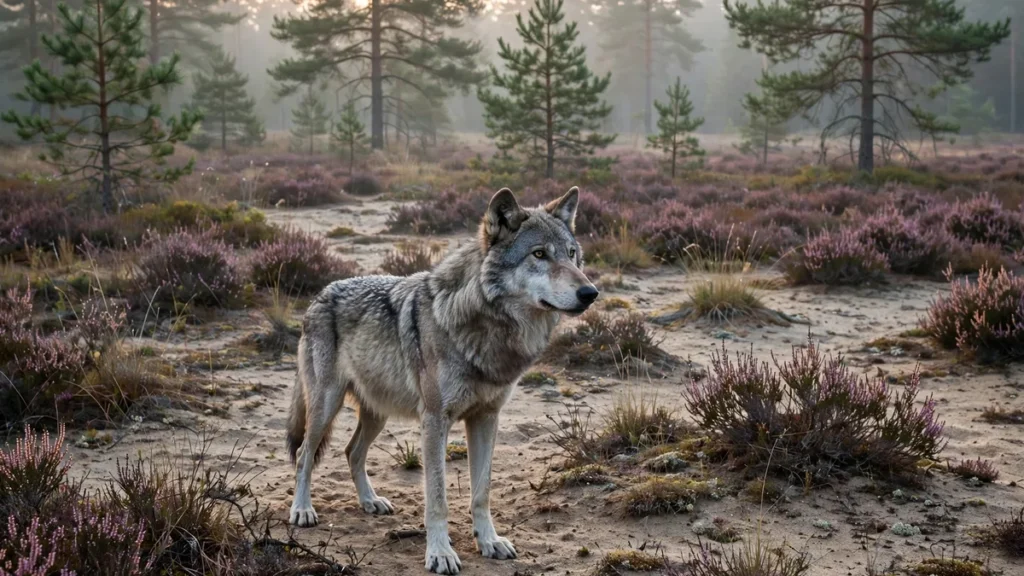
Germany animals range from grey wolves on the heathlands of the east to white-tailed sea eagles over the lakes of the north, and the country holds one of Europe’s most remarkable wildlife recoveries. If you are wondering which animals live in Germany and where to see them, the short answer is this: wolves, lynx, beavers, deer and wild boar roam the forests, heaths and river valleys, sea eagles, cranes and storks fill the wetlands and lakes, and seals, porpoises and seabirds live along the North Sea and Baltic coasts.
Germany is one of the best places in Europe to watch wildlife, because so much of the country is forest, lake and river, with large national parks and nature reserves. This guide covers the species you are most likely to meet, where each one lives, the best seasons, and how to watch them safely.
Key takeaways
- Germany’s most iconic land animals are the grey wolf, Eurasian lynx, European beaver, red deer, roe deer and wild boar.
- Germany has one of Europe’s great wolf recoveries, with packs now living in the east and north.
- The north is the land of sea eagles, cranes and seals, while the south holds lynx, beavers and Alpine wildlife.
- Early morning and late evening are the best times to spot large mammals, and autumn is best for the deer rut and crane migration.
- Keep your distance, never feed wild animals, and follow local rules in national parks.
What makes Germany’s wildlife special
Germany stretches from the Wadden Sea and the Baltic coast in the north to the Alps in the south, with the great river valleys of the Rhine, Elbe and Danube running between them. That range covers temperate forest, heathland, marsh, lake country and high mountains.
The population is large, but about a third of Germany is covered in forest, and the country has more than a hundred nature parks and sixteen national parks. That protection, along with the return of the wolf from Poland in the 1990s and the reintroduction of the lynx in the Harz and the Bavarian Forest, is why large predators survive here again.
The great mammals of Germany
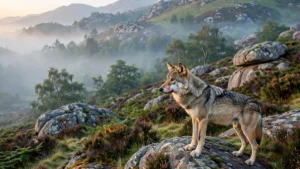
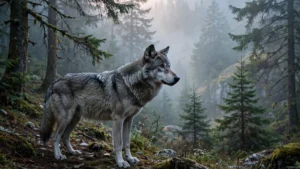
The grey wolf is Germany’s most famous returning predator. Wolves crossed from Poland into the heathlands of Lusatia in Saxony in the late 1990s, and packs now live in several parts of the east, north and centre. They hunt roe deer, red deer and wild boar, and they are shy and mainly active at night, so a sighting is rare.
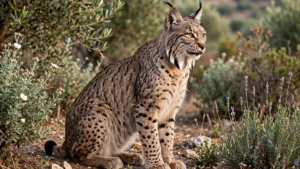
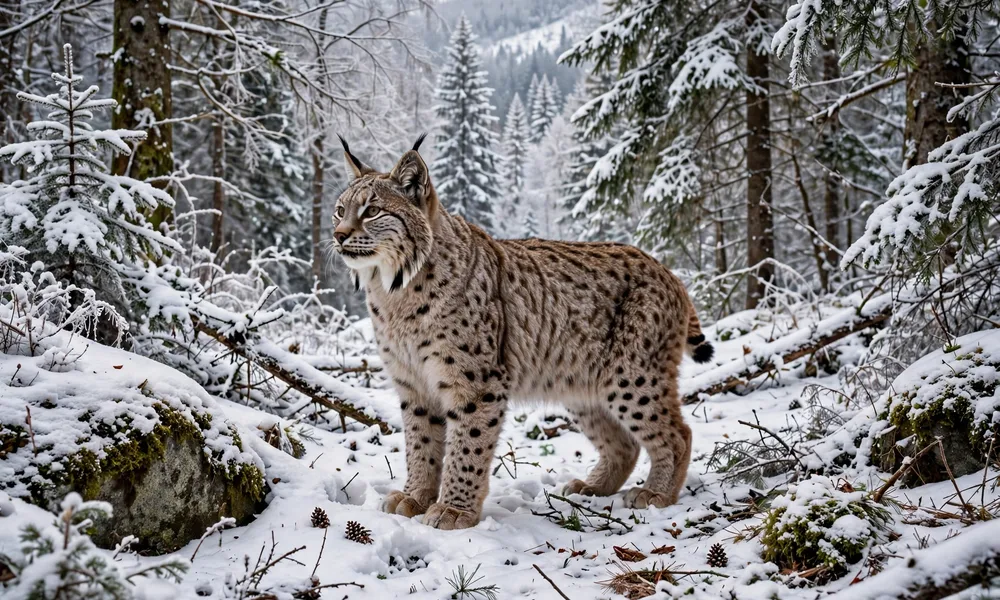
The Eurasian lynx is rarer still, and the focus of reintroduction work in the Harz mountains and the Bavarian Forest. The lynx hunts roe deer in dense forest, and it is seldom seen outside camera traps and guided tracking work. Like other predators, the lynx avoids people and hunts mainly at dawn and dusk.
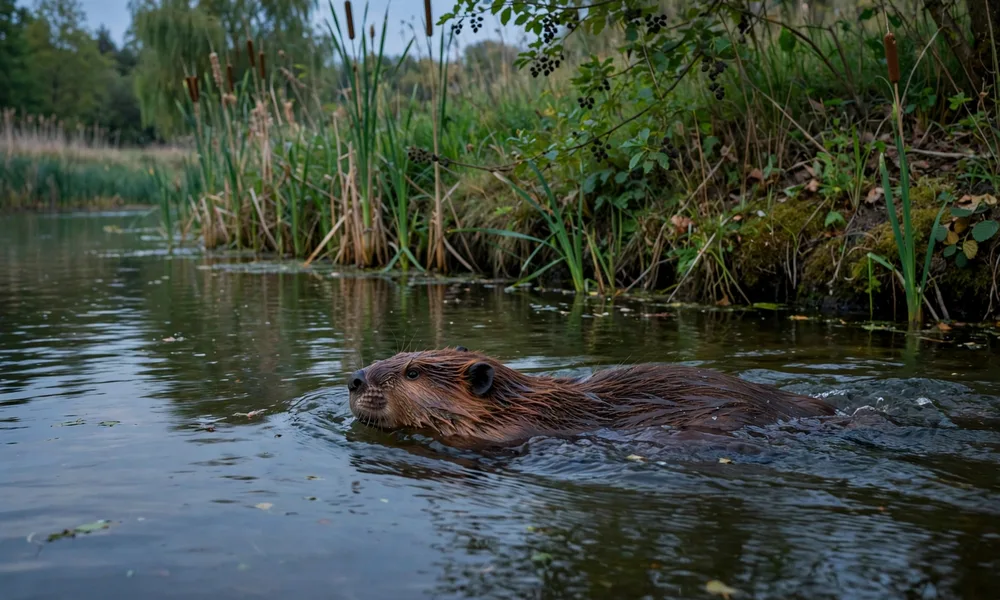
The European beaver is one of Germany’s great success stories. Hunted almost to extinction, the beaver has returned to rivers and lakes across the country, and its dams now shape wetlands for frogs, dragonflies and water birds. Beavers are easiest to see at dusk, and their gnawed trees and lodges are easy to find along the Elbe, the Danube and the lakes of Brandenburg.
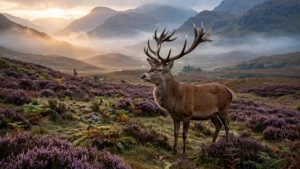
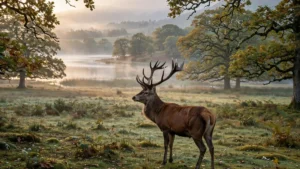
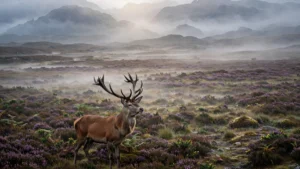
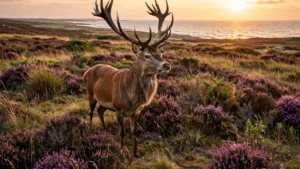
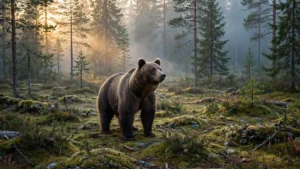
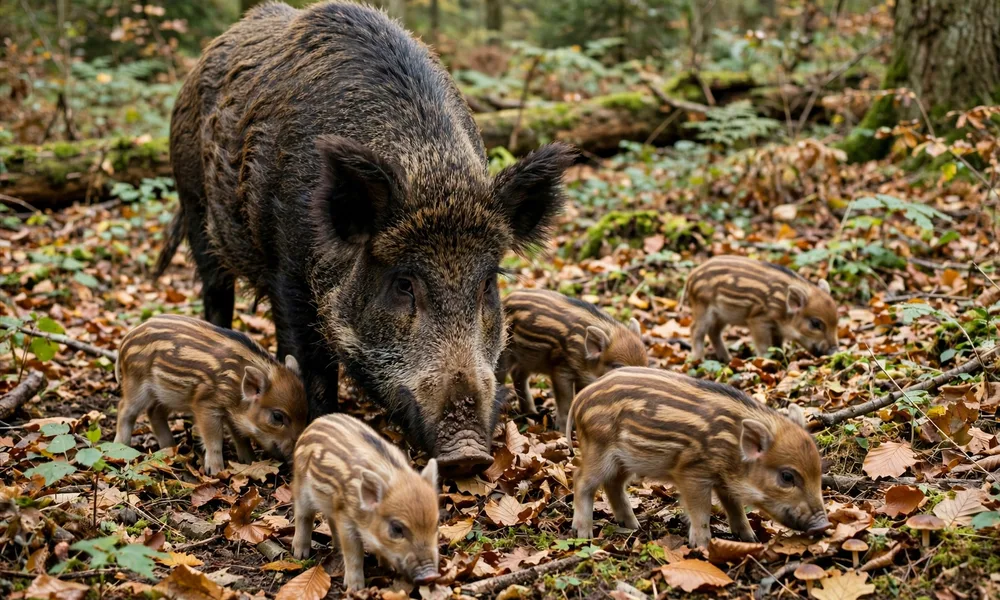
Red deer are Germany’s largest deer, most numerous in the forests of the Eifel, the Harz and Bavaria, where the stags roar during the autumn rut. Roe deer are smaller and far more widespread, living in farmland and forest edges across the whole country. Wild boar are common in the forests of the east and centre, most often seen at night. In the Alps, chamois and Alpine ibex live on steep rocky slopes, and marmots whistle from the high meadows in summer.
Birds of the lakes, wetlands and forests
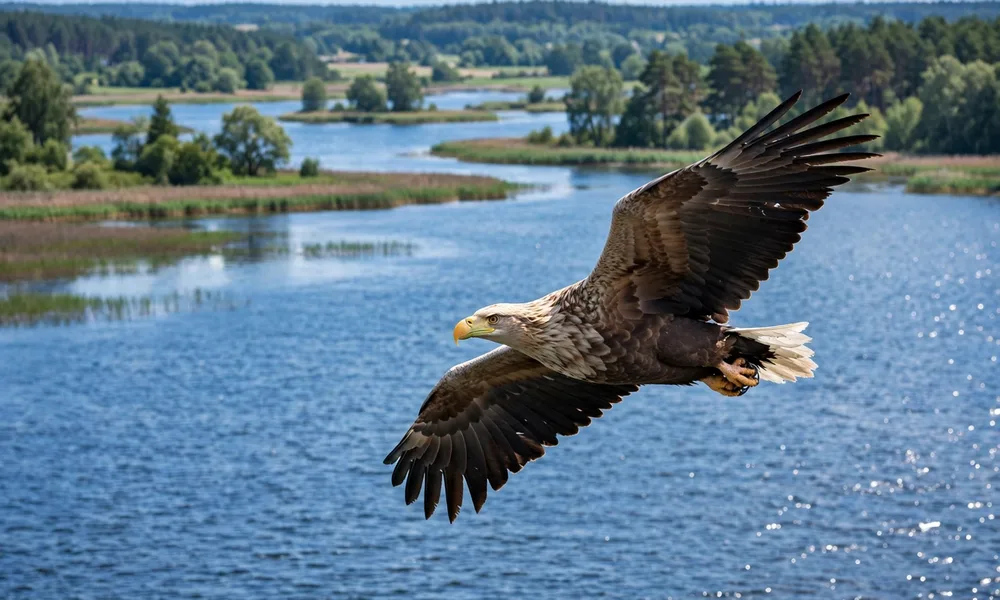
The white-tailed sea eagle is Germany’s largest bird of prey, with a wingspan of up to two and a half metres. It breeds around the lakes of Mecklenburg-Western Pomerania and Brandenburg, and it is often seen from a boat. The Müritz, Germany’s largest lake, is one of the best places to see it.
Each autumn, tens of thousands of common cranes stop at the Baltic coast and the lakes of Brandenburg on their way south to winter. The cranes gather at dusk in huge flocks, and the Darss peninsula and the Rügen lagoon are among the best-known places in Europe to watch them.
The white stork is a familiar bird of German villages, nesting on chimneys, poles and church towers, and returning each spring. The black stork nests in remote woodland in the east and south. The forests hold black woodpeckers, tawny owls and goshawks. In winter, the lakes and coasts fill with ducks, geese and swans.
Seals, porpoises and life on the coasts
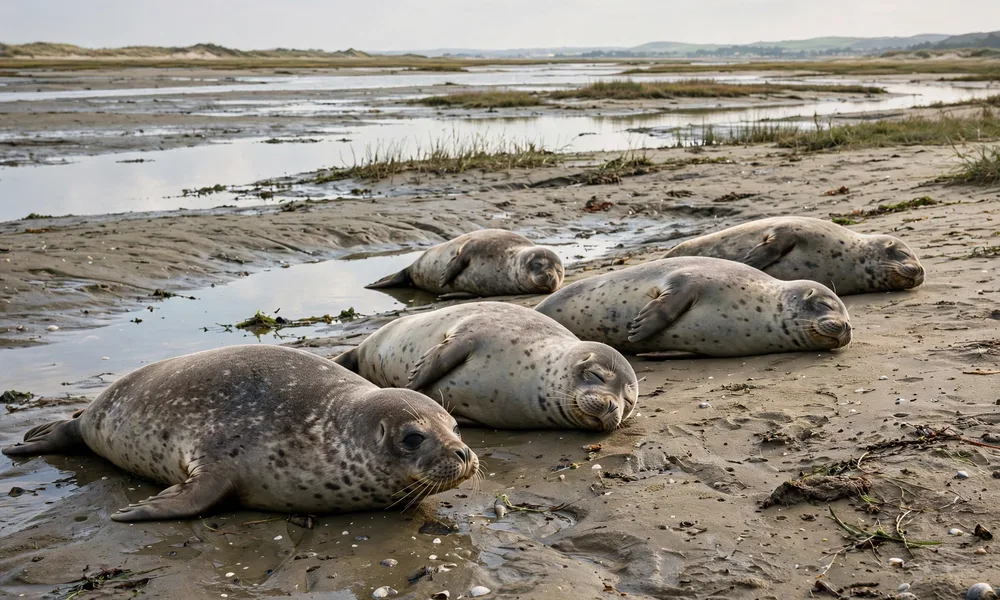
Germany’s North Sea coast holds the Wadden Sea, a vast tidal landscape of mudflats, sandbanks and islands. Harbour seals and grey seals haul out on the sandbanks at low tide, and the largest colonies are around Heligoland, Sylt and the East Frisian Islands.
The harbour porpoise is Germany’s only native whale species, a small, shy relative of the dolphins that lives in the North Sea and the Baltic. It is rarely seen, usually only as a brief roll at the surface. The Wadden Sea also holds waders in huge numbers, with millions of birds stopping there on migration.
Smaller animals and Germany’s endemic species
Not all of Germany’s wildlife is large. The European hamster, a colourful burrowing rodent, lives in the farmland of the centre and south, though its numbers have fallen sharply. The garden dormouse, a small nocturnal animal with a black eye mask, lives in forests and rocky country in the west and south.
Germany has few species found nowhere else, but several are special to the country and its neighbours. The Bavarian pine vole lives only in the Bavarian Alps, and the Alpine salamander lives in the high mountains of the south. The fire salamander, black with yellow markings, lives in damp forest in the west and south, and it is most often seen after rain. Bats are common in caves, forests and old buildings.
Badgers, pine martens and red foxes are common in the forests, and the red squirrel is the native squirrel of German woodland. Hares are common in farmland, and the mountain hare lives in the Alps, turning white in winter.
Where to see Germany’s wildlife
The best place depends on the species. Wolves are easiest in the heathlands of Lusatia in Saxony, where guided tracking walks are run, and the Lüneburg Heath in the north is also good for wolves and deer. The lynx is best sought in the Harz National Park and the Bavarian Forest National Park, where reintroduction work is based.
For birds, the Darss peninsula and Rügen are the classic autumn destinations for cranes, while the Müritz and the Mecklenburg Lake District are the best places for white-tailed sea eagles. For seals, the Wadden Sea islands, especially Heligoland and Sylt, are best visited by boat in summer.
| Species | Where to look | Best season | How likely is a sighting |
|---|---|---|---|
| Grey wolf | Lusatia heathlands in Saxony | All year, at night | Low |
| Eurasian lynx | Harz and Bavarian Forest National Parks | Winter for tracks | Low |
| European beaver | Elbe, Danube and Brandenburg lakes | Spring to autumn, at dusk | Good |
| White-tailed sea eagle | Müritz and Mecklenburg lakes | All year | Good from a boat |
| Common crane | Darss peninsula and Rügen | September to November | Good in season |
| Harbour seal | Wadden Sea sandbanks | Summer | Good at low tide |
Best seasons for wildlife watching
Autumn is the best season for large mammals and for birds. The deer rut runs through September and October, and the cranes gather in huge flocks on the Baltic coast before they fly south.
Summer is the easiest season, with seabirds on Heligoland, seals on the sandbanks and marmots in the Alpine meadows. Spring is the season of return, when storks come back and cranes fly north. Winter is quieter, but lynx tracks are easiest to find in the snow of the Harz.

Staying safe around Germany’s wildlife
Germany’s large animals are usually calm, but they deserve respect. Keep your distance from wolves, wild boar and deer, never approach a wild boar sow with piglets or walk between a cow and her calves, and never try to feed or touch any wild animal. If you meet a wild boar, back away slowly and give it a clear escape route, and never corner one with piglets.
On the coast, check the tide times before walking on the Wadden Sea mudflats, and never walk out alone, as the tide comes in fast. In the mountains, check the weather before walking in the Alps. Like Sweden animals in the north, Germany’s wolves and lynx avoid people if you keep your distance.
Wildlife watching checklist
- Book a local guide for wolves, lynx and seals — they know where the animals are.
- Go out at dawn or dusk for mammals, and plan crane trips for September to November on the Darss peninsula.
- Bring binoculars and warm layers — German weather changes fast.
- Keep at least 50 metres from seals, nesting birds and grazing deer, and far more from wolves and wild boar with piglets.
- Never feed wild animals, and never use food or calls to lure them closer for a photograph.
- Leave no trace: take your rubbish home and keep to marked paths in sensitive habitats.
Frequently asked questions
What is the most famous animal in Germany?
The grey wolf is the most famous wild animal in Germany, because of its return from Poland in the late 1990s. The white-tailed sea eagle and the Eurasian lynx are the animals most watchers hope to see.
Are there wolves in Germany?
Yes. Grey wolves live in packs in the heathlands and forests of the east, north and centre, mainly in Lusatia in Saxony. They are shy, mainly active at night, and rarely seen.
Where can I see beavers in Germany?
Beavers live on rivers and lakes across Germany, and they are easiest to see at dusk along the Elbe, the Danube and the lakes of Brandenburg. Look for gnawed trees and lodges.
When is the best time to see cranes in Germany?
The crane season runs from September to November, when tens of thousands of cranes stop at the Darss peninsula and Rügen on their way south. They gather at dusk in huge flocks.
Can I see the lynx in Germany?
It is possible, but hard. The lynx lives mainly in the Harz and the Bavarian Forest National Parks, and guided tracking walks give the best chance. Sightings are never certain.
Do I need a guide to see wildlife in Germany?
Not for common species such as deer, beavers and sea eagles. For wolves, lynx and seals, a local guide greatly improves your chances and keeps you safe.
Conclusion
Germany’s wildlife rewards patience: wolves in Lusatia, sea eagles over the lakes of Mecklenburg and cranes on the Baltic coast are all within reach if you plan around the seasons and keep your distance.
The next step is to pick one species and one season — an autumn crane trip to the Darss peninsula, a summer boat trip on the Müritz, or a guided wolf-tracking walk in Lusatia — and plan your visit around it.