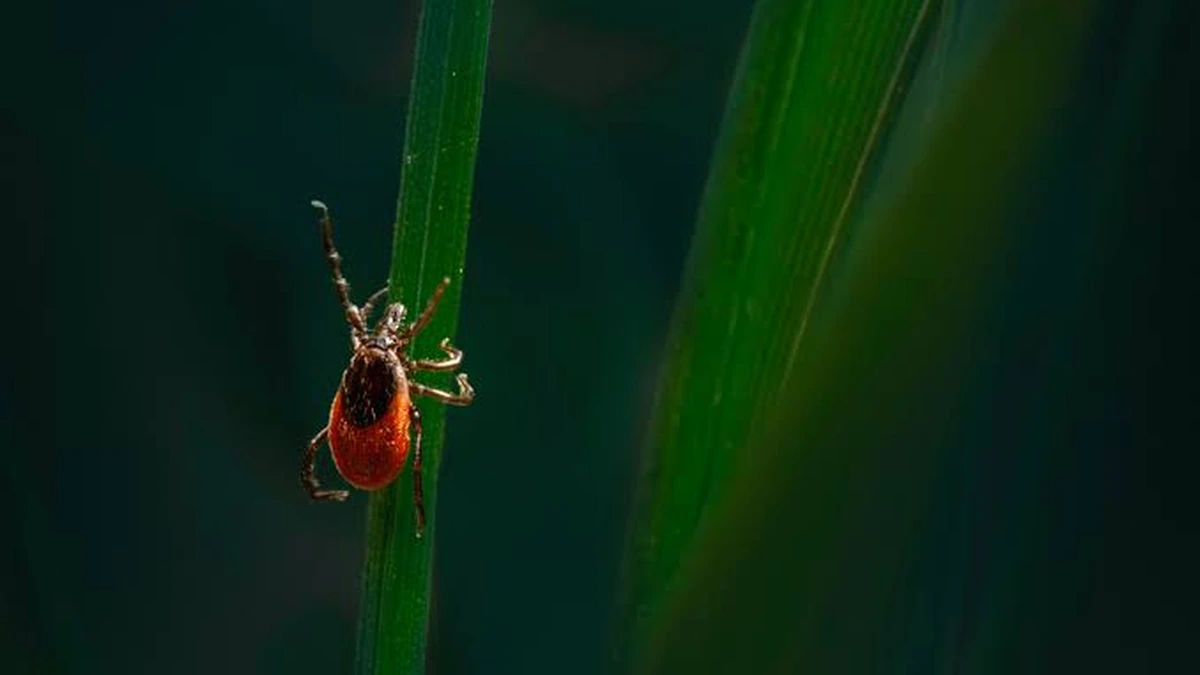
A tick is a blind, wingless arachnid that cannot jump or fly, yet it finds you with shocking accuracy every single time. In this detailed guide, you will learn the exact biological senses physical mechanisms and hunting behaviors ticks use to locate host animals in the wild.
Key Takeaways
-
Ticks are parasitic arachnids that cannot fly or jump; they rely on crawling and specialized sensory organs to find hosts.
-
Different tick species occupy habitats ranging from forests and grasslands to gardens, kennels and indoor spaces.
-
A tick’s life cycle includes four stages: egg, larva, nymph and adult, with blood meals required for development and reproduction.
-
Ticks locate hosts through carbon dioxide, body heat, odors, moisture and vibrations, using Haller’s organ on their front legs as a key sensory tool.
-
Tick bite prevention starts with protective clothing and thorough skin checks after outdoor activities; remove attached ticks promptly with fine-tipped tweezers and monitor for symptoms.
What Are Ticks?
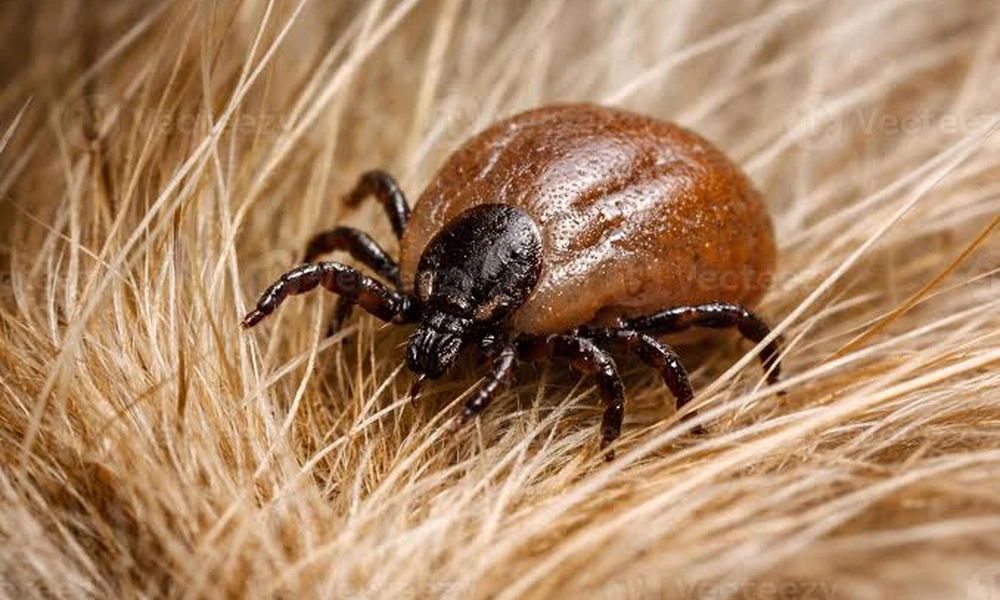
Ticks are parasitic arachnids that are more closely related to spiders and mites than true insects. They survive as obligate parasites, feeding on the blood of mammals, birds, reptiles, and amphibians across diverse global habitats.
Understanding the basic body plan of ticks helps explain how they adapt to finding and feeding on hosts. Wildlife monitoring programs managed by Viltnemnda pay close attention to these physiological traits to track parasite distribution on wild host species.
- Wingless Body Structure: Ticks completely lack wings and cannot fly or jump, relying entirely on physical contact or crawling to reach a host.
- Specialized Feeding Tube: They possess a barbed feeding organ called a hypostome that anchors securely into host tissue during a blood meal.
- Developmental Leg Count: Ticks hatch as tiny six-legged larvae before growing eight legs in their nymph and adult developmental stages.
| Feature | Details |
| Movement | Ticks cannot fly or jump. They climb vegetation and stretch their legs outward to grab passing hosts. |
| Sensing | Ticks detect carbon dioxide, body heat, moisture, vibrations, and shadows using specialized sensory organs. |
| Primary Sensor | Haller’s organ on the front legs acts as their main chemical and thermal receiver. |
| Host Seeking | This patient waiting strategy on grass blades and leaves is called questing. |
Types of Ticks
Ticks are divided into distinct families based on their physical structures feeding habits and life cycles. Understanding these major groups helps wildlife researchers track disease transmission and parasite distribution in nature. Public wildlife tracking reports from Viltnemnda regularly monitor local species to assess seasonal parasite risks across forest environments.
Hard Ticks (Ixodidae)
Hard ticks possess a rigid protective shield on their back known as a scutum. They are the most common ticks people encounter outdoors in woods and fields. A hard tick attaches securely to a host and feeds continuously for several days or weeks before dropping off into the soil.
Soft Ticks (Argasidae)
Soft ticks lack a hard shield and feature a flexible leathery body. Instead of clinging for days they feed rapidly within minutes or hours. These ticks typically live in animal nests or rock burrows and can go through up to seven nymphal stages with each stage requiring a separate blood meal to mature.
Common Tick Species Overview
Different tick species adapt to unique habitats and hosts across global environments. Studying these specific traits helps wildlife managers track how regional populations expand across wild habitats.
Blacklegged / Deer Tick (Ixodes scapularis)
The blacklegged tick inhabits wooded and brushy areas throughout eastern and central regions. Larvae and nymphs target small rodents like white-footed mice while adults feed on white-tailed deer. This species serves as the primary vector for Lyme disease, anaplasmosis, and babesiosis.
Lone Star Tick (Amblyomma americanum)
Recognized by a silvery white spot on the back of adult females, this species thrives in dense woodlands and underbrush. It actively pursues hosts including white-tailed deer, livestock, and humans. Its bite can transmit ehrlichiosis, STARI, and trigger red meat allergies in humans.
American Dog Tick (Dermacentor variabilis)
This tick prefers open walkways, grassy fields, and brushy fence lines with minimal tree cover. Adults actively target medium-to-large mammals such as dogs, cattle, and humans. It functions as a primary transmitter of Rocky Mountain spotted fever and tularemia.
Brown Dog Tick (Rhipicephalus sanguineus)
The brown dog tick is uniquely adapted to warm indoor environments like homes, kennels, and veterinary clinics. Domestic dogs serve as its primary host across all life stages. Because it survives in indoor crevices, it can complete its entire life cycle inside human structures.
Castor Bean Tick (Ixodes ricinus)
Common across western European forests, meadows, and pastures, this hard tick requires high humidity to survive. Wildlife monitoring programs from Viltnemnda pay close attention to this species because it feeds on wild cervids, birds, and livestock, transmitting Lyme borreliosis and tick-borne encephalitis.
Taiga Tick (Ixodes persulcatus)
Inhabiting cool boreal forests and taiga zones across eastern Europe and northern Asia, this tick targets a wide range of wild mammals and ground-nesting birds. It acts as the principal carrier of severe Far Eastern and Siberian tick-borne encephalitis virus subtypes.
Where Do Ticks Live?
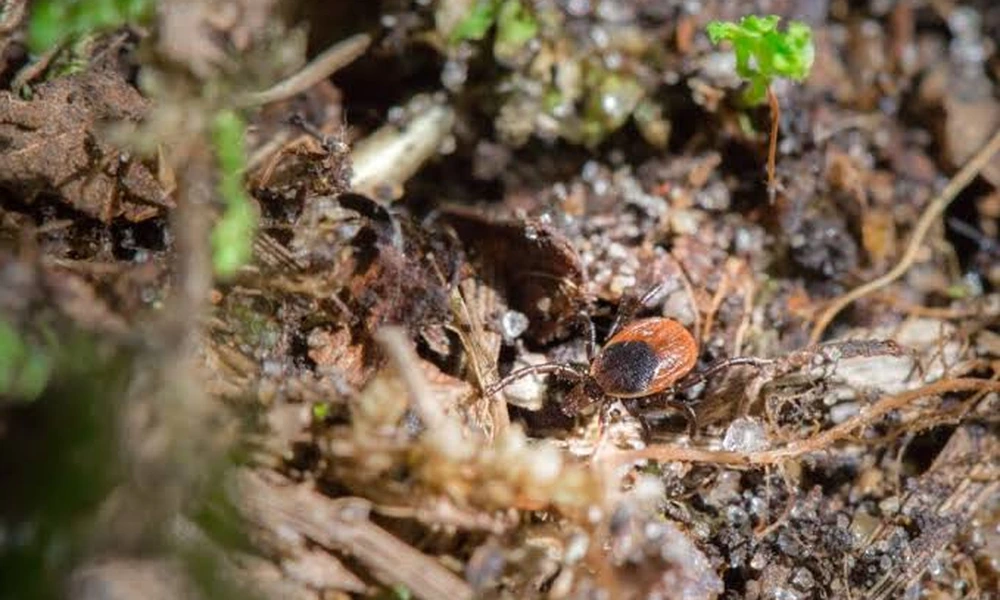
Ticks occupy precise natural microenvironments where humidity levels remain high and potential host animals regularly gather. They thrive along dense forest floors, brushy trail edges, tall grassy fields, and overgrown transition zones between meadows and woods. These specific microhabitats allow ticks to stay concealed while placing them directly in the path of passing wildlife and livestock.
Wildlife researchers working with Viltnemnda observe that tick populations cluster along game trails created by deer, wild boar, and small mammals. Because ticks depend on host movement to disperse, areas with high wildlife activity naturally maintain denser parasite populations.
Humidity and the Leaf Litter Refuge
Humidity plays a decisive role in determining where ticks can successfully survive in the wild. Because ticks lose internal body water rapidly in dry air, they face constant desiccation risk without high environmental moisture.
The thick layer of decaying organic matter on forest floors, known as leaf litter, serves as an essential moisture refuge. Beneath this decaying organic shield, relative humidity levels often exceed 85 to 90 percent.
When air temperatures rise or humidity drops during mid-day, ticks crawl deep into the damp leaf litter to rehydrate by actively absorbing water vapor from the surrounding air.
Seasonal Activity Patterns
Seasonal activity varies across species and geographical regions based on temperature and moisture cycles. For most hard tick species, spring and early summer represent peak questing periods, driven by mild temperatures and rising moisture levels. However, seasonal dynamics differ depending on life stages and environmental conditions:
- Spring and Early Summer: Adult and nymphal ticks actively emerge from winter dormancy to climb low vegetation and seek hosts.
- Late Summer: Larval ticks hatch in large numbers, seeking small rodents like mice and voles near the ground surface.
- Autumn: A secondary activity peak often occurs for adult hard ticks as cooler temperatures and higher autumn rainfall return.
- Winter and Year-Round Activity: While cold freezing weather reduces questing, species like the blacklegged tick can remain active during mild winter spells whenever temperatures rise above freezing.
Unexpected Domestic Habitats
Ticks are not restricted to deep wild forests. Residential suburban yards, maintained dog parks, animal shelters, and livestock kennels often harbor hidden populations. Ticks enter residential properties on wild animals, songbirds, or domestic pets, establishing breeding patches along shaded garden borders and stone retaining walls.
The brown dog tick (Rhipicephalus sanguineus) presents a unique challenge because it can complete its entire life cycle indoors. It hides inside wall cracks, baseboards, dog bedding, and kennel crevices, creating persistent indoor infestations without needing outdoor soil or vegetation.
Climate Change and Expanding Geographic Range
Global climate shifts are actively altering where ticks can live and reproduce across the world. Rising average temperatures, milder winter seasons, and shifting precipitation patterns allow ticks to extend their geographic range into higher northern latitudes and elevated mountain regions where cold weather once limited their survival.
Wildlife management organizations such as Viltnemnda track these range expansions closely as warmer winters allow tick species to survive at higher northern latitudes than ever before. Earlier spring thaws lengthen the seasonal window for feeding and reproduction, leading to higher overall population densities across expanding wilderness territories.
The Tick Life Cycle
The life cycle of a tick is a complex developmental process that spans several years and requires multiple blood meals to complete. A tick must successfully feed at each mobile stage of its life to mature and reproduce. Wildlife monitoring by Viltnemnda tracks these seasonal life stages to predict local tick population blooms across forest habitats.
Stage by Stage Development
Egg Stage
Female ticks lay massive clusters of eggs in leaf litter and soil crevices during spring and early summer. A single female can deposit anywhere from two thousand to over eighteen thousand eggs before her life ends. The eggs rely on moist ground conditions to hatch into active larvae.
Larval Stage
When eggs hatch, six-legged larvae emerge, commonly referred to as seed ticks. These tiny larvae crawl onto low leaf litter or low grass to find their first small host, usually a bird or small rodent. After securing a complete blood meal over several days, the larva drops to the ground and molts.
Nymphal Stage
After molting, the tick becomes an eight-legged nymph. Nymphs are extremely small, about the size of a poppy seed, yet highly mobile and aggressive in seeking hosts. They seek out medium-sized hosts like rabbits, squirrels, or humans. Once fully fed, the nymph drops off and molts into a mature adult.
Adult Stage
Adult ticks possess eight legs and fully developed reproductive systems. Females seek large host animals such as deer, livestock, or moose to take a long blood meal necessary for egg production. Adult males often attach to hosts mainly to locate feeding females for mating.
Host Feeding Strategies
Different tick species utilize varying host strategies to complete their development. Understanding these strategies clarifies how diseases spread between different animal populations in nature.
- One-Host Ticks: The tick attaches to a single animal as a larva, feeds, molts into a nymph and then an adult on the same host, and only drops off to lay eggs. Examples include the winter tick (Dermacentor albipictus) and the cattle tick (Rhipicephalus microplus).
- Two-Host Ticks: The larva attaches, feeds, and molts into a nymph on the first host. The nymph then drops off, molts into an adult on the ground, and seeks a second host for its final blood meal. Examples include the red-legged tick (Rhipicephalus bursa).
- Three-Host Ticks: Each life stage (larva, nymph, adult) must locate, feed upon, and drop off a completely different individual host to advance to the next stage. Examples include the blacklegged tick (Ixodes scapularis) and the castor bean tick (Ixodes ricinus).
Duration and Survival Odds
Completing a full life cycle for a three-host tick typically takes two to three years depending on local climate conditions and host availability. Ticks spend over ninety-five percent of their lives off host animals, waiting patiently in leaf litter or soil.
Most individual ticks die before reaching adulthood because they fail to locate a suitable host in time. Desiccation from dry air and starvation during long waiting periods eliminate the vast majority of hatching larvae, making high egg production essential for species survival.
Mating and Egg-Laying
Mating occurs either in the leaf litter environment or directly on the body of a host animal while the female feeds. For hard ticks, the female must take a massive blood meal, engorging her body to several times its original weight to nourish her eggs.
Once engorged and fertilized, the female drops off the host into shaded soil or dense leaf litter. She lays thousands of eggs in a single large mass over several weeks, and once her egg-laying responsibility is finished, the female tick dies.
How Ticks Find Their Hosts
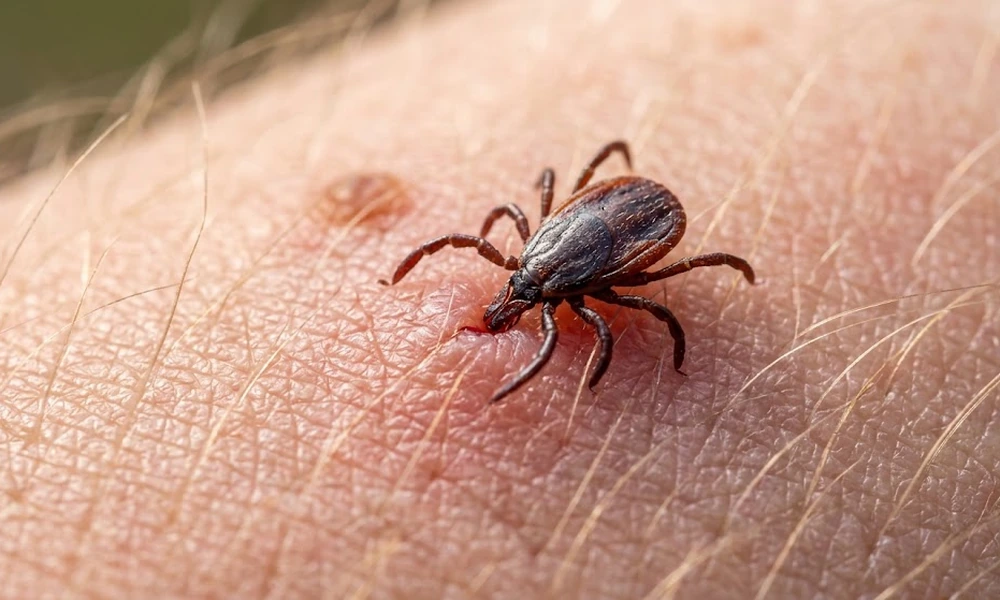
Ticks rely on sophisticated biological senses and strategic physical positions to locate host animals in nature. Because ticks cannot fly or jump, they depend on precise sensory organs to detect approaching hosts from a distance.
Researchers and wildlife tracking teams at Viltnemnda examine these host-seeking behaviors to understand how parasites spread across wild game trails.
Questing Behavior
Questing is the primary method ticks use to find host animals. A tick climbs to the tips of tall grass blades, shrubs, or fallen leaves, clinging to the plant with its lower legs.
It extends its front legs outward into the air, holding them in a reaching position. When a host brushes past the vegetation, the tick uses tiny claws on its front feet to quickly hook onto fur, feathers, or clothing.
Sensory Abilities
Ticks possess an array of specialized sensory tools that allow them to detect biological activity from meters away:
- Carbon Dioxide: Ticks sense the carbon dioxide plumes released when mammals and birds exhale.
- Body Heat and Odor: Infrared heat receptors detect body warmth, while chemical sensors pick up sweat compounds like ammonia and lactic acid.
- Moisture and Vibration: Sensitivity to humidity changes alerts ticks to an approaching host, while specialized leg receptors feel ground vibrations caused by footfalls.
- Shadow Detection: Primitive light-sensitive cells detect sudden changes in light shadows cast by moving animals.
Haller’s Organ
The primary chemical sensor for a tick is Haller’s organ, located on the upper joint of its front legs. This complex sensory cavity functions like an ultra-sensitive nose and thermal sensor combined.
Haller’s organ contains specialized chemical receptors that detect trace amounts of carbon dioxide, host odors, moisture, and temperature shifts. When a tick waves its front legs while questing, it is actively sampling the air using Haller’s organ to locate moving host animals.
Ambush vs. Hunting Strategies
Most tick species use an ambush strategy, remaining completely stationary in leaf litter or on grass blades until a host makes direct physical contact. This passive approach conserves vital energy and moisture over weeks or months of waiting.
In contrast, certain species use an active hunting strategy. Hunter ticks detect host scents or ground vibrations from a distance and actively crawl across the soil toward a resting host animal or nesting area.
The Role of Questing Height
Ticks select questing heights on vegetation that match the physical size of their target hosts. This height selection maximizes their chances of making direct physical contact with an animal passing by.
Tiny larval and nymphal ticks quest low to the ground, usually on low leaf litter or lower grass stems, targeting mice, birds, and small rodents. Adult ticks climb higher onto taller grasses, shrubs, and low tree branches to reach larger mammals such as deer, livestock, and humans.
Secrets and Surprising Facts About Ticks
Ticks possess unique physiological adaptations and survival mechanisms that set them apart from almost every other terrestrial parasite. Understanding these surprising biological secrets reveals why they are such persistent, resilient organisms in nature.
Primary Chemical Senses Located on Front Legs
Unlike insects that smell using antennae, a tick’s primary olfactory organ is situated on the upper joint of its front pair of legs. Known as Haller’s organ, this specialized sensory cavity detects carbon dioxide, ammonia, and host pheromones from meters away.
Painless Secretions and Natural Anesthetics
A tick bite often goes completely unnoticed because its saliva contains a specialized mixture of natural pain-numbing compounds and anti-clotting agents. These chemical compounds reduce localized inflammation, preventing the host animal from feeling the initial puncture or itchy bite site.
Production of Natural Cementing Glue
Many hard tick species produce a milk-white protein substance through their salivary glands that acts like a biological glue. This secretion hardens around the host’s skin, physically locking the barbed hypostome mouthparts tightly inside the wound tissue for long feeding sessions.
Exceptional Starvation Survival Capabilities
Unfed adult ticks are capable of surviving extreme periods of food deprivation while waiting for a host. Because they possess extremely slow metabolic rates, certain species can endure up to two to three years without taking a single blood meal.
Direct Infrared Heat Sensing
A peer-reviewed scientific study demonstrated that adult American dog ticks possess specialized heat-sensing capabilities. This allows them to perceive invisible infrared thermal radiation emitted directly from the body heat of a nearby host.
Extreme Cold Temperature Endurance
Ticks are surprisingly tough and do not instantly perish when winter freezing temperatures arrive. Primary laboratory testing shows that complete mortality requires sustained freezing exposure at -20°C for at least 24 continuous hours.
Deep Prehistoric Evolutionary Roots
Fossilized amber specimens confirm that ticks have survived on Earth for over 99 million years. A landmark scientific discovery preserved an ancient hard tick entangled in a dinosaur feather, proving that ticks parasitized feathered theropod dinosaurs during the Cretaceous period.
Species-Specific Variation in Haller’s Organ
Microscopic structural analyses show that Haller’s organ differs significantly in pit shape and hair capsule arrangement across tick species. Because of these distinct physical variations, different species exhibit varying sensitivity levels toward chemical scents and thermal signals.
Tremendous Body Expansion During Feeding
When an adult female hard tick takes a complete blood meal, her soft outer cuticle stretches dramatically to accommodate the liquid. An engorged female can expand her physical body volume to many times her original weight before dropping off to lay eggs.
Quick Prevention and What To Do After a Bite
Preventing tick bites requires simple habits when spending time outdoors in grassy or wooded areas. Wear light-colored clothing so ticks are easy to spot and tuck your trousers into your socks to block them from crawling up your legs.
After returning indoors, perform a thorough skin and hair check across your body. If you discover an attached tick, grasp it close to the skin with fine-tipped tweezers and pull straight up without twisting.
Wash the bite area with soap and water and apply rubbing alcohol. If a rash fever or flu-like symptoms develop within a few weeks, consult a medical doctor immediately for professional evaluation and care.
Frequently Asked Questions
Can ticks detect host movements through synthetic fabrics or thick outdoor clothing?
Yes, ticks detect hosts through heavy clothing by sensing thermal gradients, carbon dioxide plumes, and mechanical ground vibrations rather than visual contact. Haller’s organ on their front legs detects volatile skin chemicals like butyric acid and ammonia as they pass through porous fabrics, allowing the tick to prepare to quest.
Why do tick populations exhibit different questing heights in different geographic regions?
Regional microclimates and local host availability directly alter tick questing height tendencies. In northern forests with high moisture, ticks climb higher onto tall vegetation to reach white-tailed deer. In drier southern regions, ticks stay lower on soil or under leaf litter to prevent dehydration, primarily targeting ground reptiles or small rodents.
Can submerging a tick in water or washing clothes kill it?
Submerging a tick in standard water does not kill it because ticks possess a remarkably slow metabolic rate and can survive submerged for days by closing their spiracles. Washing infested clothing in cold or warm water will not destroy ticks; only high-heat machine drying for at least six to ten minutes will dehydrate and eliminate them effectively.
How do wildlife management programs track hidden tick clusters in natural habitats?
Wildlife organizations such as Viltnemnda monitor regional tick density by combining physical vegetation dragging with host animal inspections. By evaluating parasite loads on harvested game during regulated hunting seasons, researchers gather precise data on local tick reproduction, host movement, and localized disease expansion.
How do ticks navigate toward a host if they lack eyes?
Ticks navigate using directional chemical gradients, infrared heat detection, and light-shadow receptors. As a host moves, Haller’s organ measures tiny shifts in carbon dioxide density and thermal emissions, guiding the tick’s leg orientation so it can grab passing fur or clothing.
Do ticks feed continuously or take breaks while attached to a host?
Hard ticks feed continuously through a complex slow-and-fast cycle that spans several days. During the initial days, they alternate between slowly sucking blood and concentrating the meal by secreting excess water back into the host through their salivary glands before undergoing a final rapid engorgement phase.
