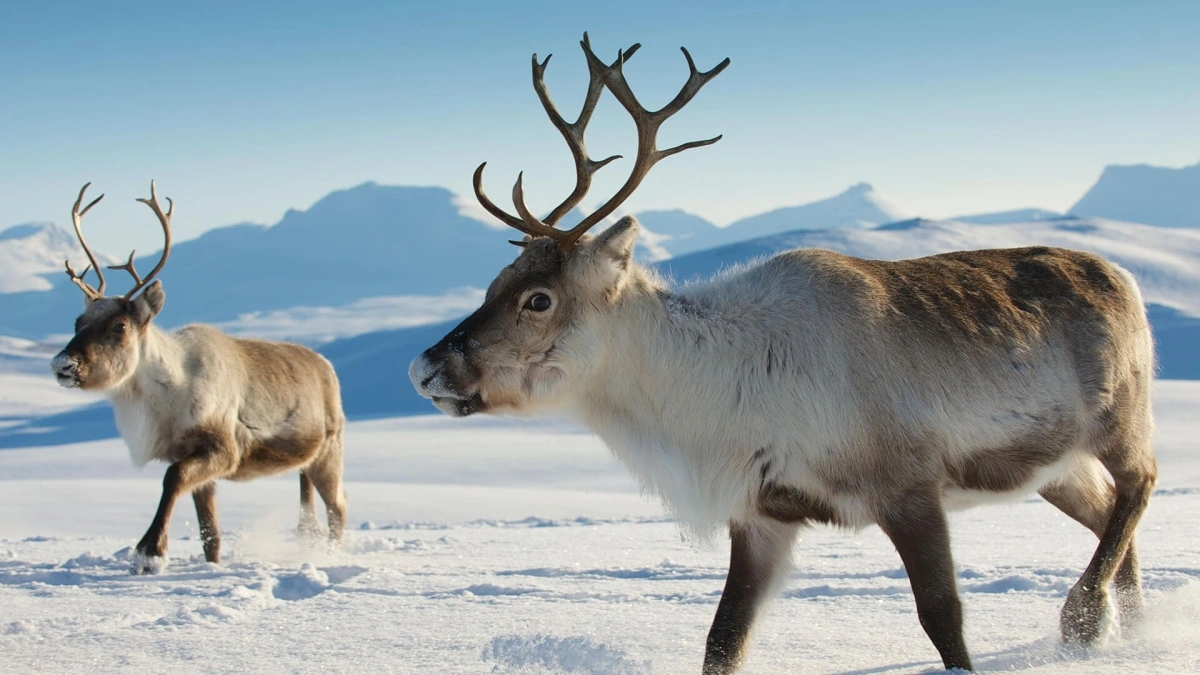
In 2017, the Norwegian government authorized an unprecedented intervention in European wildlife management: the total removal of an entire wild reindeer herd from the Nordfjella mountain plateau. The nordfjella reindeer cull stood as a stark, dramatic response to an existential biosecurity threat, specifically the arrival of Chronic Wasting Disease in Europe. By executing the nordfjella reindeer cull across Zone 1, authorities aimed to eradicate a fatal, highly contagious neurological pathogen before it could spill over into the remaining European wild reindeer populations. This article examines the necessity behind the nordfjella reindeer cull, the logistical reality of executing a slaughter in high alpine winter, the essential fallow period and subsequent repopulation, and the lasting lessons this case study provides to global wildlife health experts.
What Was Found, and When?
The catalyst for the nordfjella reindeer cull occurred in March 2016 during a routine ecological research project in the Nordfjella mountains. Biologists from the Norwegian Institute for Nature Research (NINA) immobilized a sick free-ranging reindeer herd member to fit a GPS collar; the animal died shortly after. Brain tissue samples analyzed by the Veterinary Institute confirmed the presence of skrantesjuke, known internationally as chronic wasting disease.
The disease is a fatal neurodegenerative disorder caused by misfolded proteins called prions. For a deeper breakdown of how prion pathology affects cervids and how regional testing protocols operate, see our comprehensive guide on Chronic Wasting Disease in Nordic Ungulates.
Why Removing the Whole Herd Was Considered?
Faced with a burgeoning epidemic in Western Europe’s last remaining wild reindeer habitat, Norwegian regulatory agencies consulted international experts and epidemiology modeling teams. The rationale for initiating the nordfjella reindeer cull centered on the unique, catastrophic nature of prion diseases and the threat of uncontained disease spread across regions.
First, environmental persistence played a central role. Prions shedding through saliva, urine, feces, and decomposing carcasses bind tightly to soil and vegetation, remaining infectious for years. Second, there was a total absence of treatments, since the disease has no known cure, vaccine, or live-animal field diagnostic test suitable for mass wild screening. Third, regulators feared uncontrolled disease spread. Nordfjella Zone 1 forms a geographical corridor connecting central mountain ranges. If the infection crossed into Hardangervidda, home to Norway’s largest wild reindeer population of over 10,000 animals, or into domestic reindeer herds to the north, eradication would become biologically impossible.
How It Was Actually Carried Out?
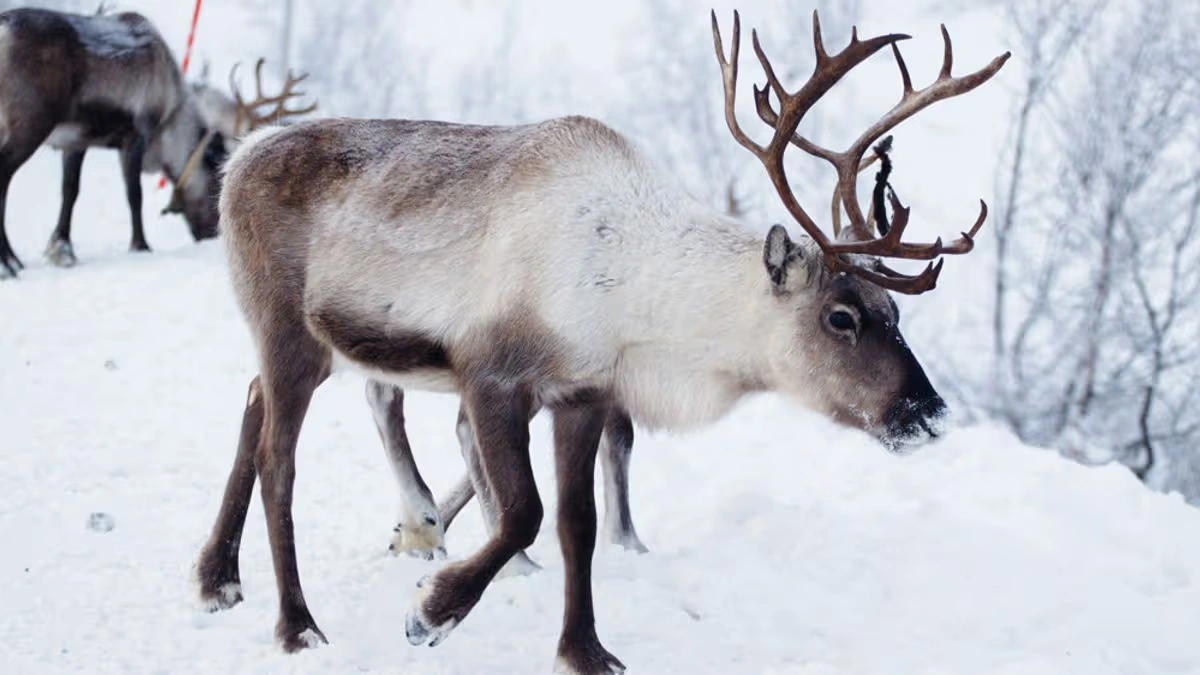
Executing the nordfjella sanering, which means the complete sanitary clearing of the herd, required a two-phase operation executed in extreme alpine environments. The primary phase of the nordfjella reindeer cull relied on licensed local hunters during an extended autumn hunting season in 2017. When autumn hunting ended, responsibility shifted to a specialized marksman team from the State Nature Inspectorate (Statens naturoppsyn, or SNO).
Between August 2017 and February 25, 2018, SNO marksmen tracked the remaining herds across snow-bound plateaus using snowmobiles, helicopters, and mountain bivouacs. The terrain presented immense logistical hurdles, including high winds, sub-zero temperatures, avalanche risks, and steep gullies where carcasses had to be retrieved or sampled under strict biosafety standards.
| Phase | Timeframe | Responsible Group | Animals Removed | Positives Identified |
| Phase 1: Extended Harvest | Aug 10, 2017 to Oct 31, 2017 | Local Hunters | ~1,000 | 11 |
| Phase 2: Professional Cull | Nov 1, 2017 to Feb 25, 2018 | SNO Marksmen | ~1,024 | 8 |
| Total Eradication | Aug 2017 to Feb 2018 | Combined Operations | 2,024 | 19 |
What It Cost, and What the Argument Was at the Time?
The financial cost of the nordfjella reindeer cull exceeded 100 million NOK (roughly 10 million EUR), encompassing SNO field deployment, helicopter transport, laboratory diagnostics, and compensation to local municipalities for lost hunting revenues. However, the social and cultural cost was far higher.
Local hunting communities, conservationists, and mountain municipalities expressed profound grief and anger over the nordfjella reindeer cull. Critics argued that exterminating a wild herd that had inhabited the plateau since the last ice age was an ethical failure and an irreversible cultural loss. Skeptics within the scientific community pointed out the residual risk: if prions persisted in the soil, the sacrifice of over 2,000 wild animals during the nordfjella reindeer cull would prove entirely futile once new animals returned.
The Fallow Period and the Repopulation
Following the final shot of the nordfjella reindeer cull in February 2018, Nordfjella Zone 1 entered a mandatory five-year fallow period. The goal was to allow time for natural environmental degradation of residual prions and to ensure no stray reindeer re-entered the zone from neighboring areas. Intensive GPS monitoring and barrier patrols were established along boundary lines, particularly along Highway 50, to prevent animals from Nordfjella Zone 2 or Lærdal from straying into the empty habitat.
The repopulation phase represents the true test of whether the nordfjella reindeer cull succeeded. Planning for restocking began in 2022, focusing on translocating wild reindeer from adjacent, disease-free herds, primarily from the Snøhetta and Rondane regions. Before any translocations were approved, candidate herds underwent years of rigorous surveillance testing through hunter-led brain tissue sampling to confirm zero presence of CWD prions. If you want to know how these field testing procedures work, see our detailed guide on Hunter Sampling Duties and Protocols.
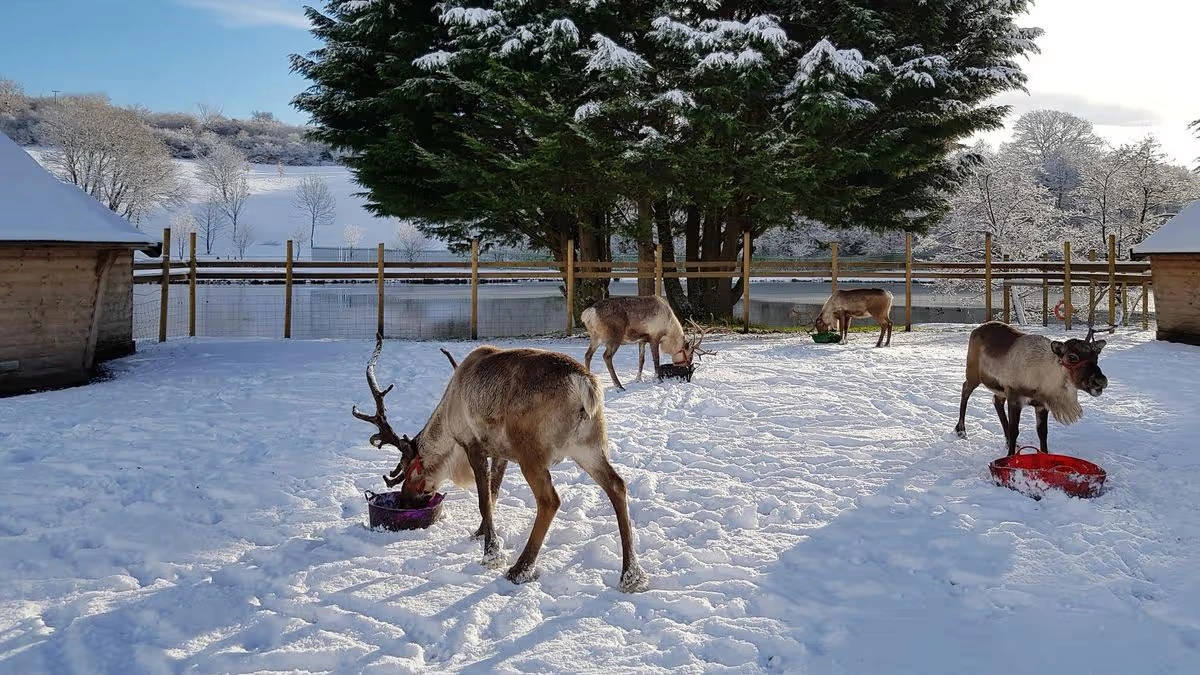
Translocations are conducted under strict quarantine and radio-tracking protocols. Released animals carry satellite transmitters that send real-time coordinates to research teams monitoring spatial distribution, mortality, and habitat selection. The intent of post-cull management is not merely to introduce animals, but to reconstruct a functional social herd structure without reintroducing the pathogen.
Did It Work?
Determining whether the nordfjella reindeer cull succeeded in eradicating chronic wasting disease remains a long-term scientific process. Between 2016 and 2025, Norwegian laboratories tested over 170,000 cervids nationwide, including wild reindeer, moose, red deer, and roe deer.
Surveillance testing confirms that no new cases of classical CWD have been detected in Nordfjella Zone 1 since the completion of the nordfjella reindeer cull. However, the broader management strategy suffered a severe blow in September 2020, when a positive case was confirmed in a wild reindeer bull on the nearby Hardangervidda plateau. This discovery demonstrated that the disease was not strictly confined to Nordfjella, prompting intensified selective culling and strict population reduction strategies in Hardangervidda.
Epidemiologists note that confirming total eradication after the nordfjella reindeer cull requires decades of continuous post-repopulation monitoring. Because prion infectivity in alpine soils can persist over extended timeframes, researchers cannot declare Zone 1 definitively clean until the restocked population completes multiple generation cycles without a single positive case.
What Other Countries Took From It?
The Nordfjella operation stands as a primary reindeer eradication lesson for wildlife managers across North America and Europe. Wildlife agencies in Sweden, Finland, Canada, and the United States watched the nordfjella reindeer cull closely to determine whether stamping-out strategies can work for free-ranging ungulates.
Key takeaways adopted internationally include:
-
Early detection is critical, because eradication through a measure like the nordfjella reindeer cull is only theoretically possible if the pathogen is caught when prevalence is extremely low.
-
Surveillance scale matters, as mass sampling during regular hunting seasons provides the essential baseline data needed to justify drastic management interventions.
-
Cross-species spillover risks must be evaluated. While the primary focus remained on reindeer, Scandinavian surveillance programs simultaneously monitored other species, including testing for mange in foxes and monitoring scavengers like wolverines to check if they act as mechanical vectors.
Most foreign jurisdictions have concluded that while an action like the nordfjella reindeer cull is logistically possible in defined alpine islands, it is practically impossible across contiguous, densely forested habitats such as the North American white-tailed deer range.
The Assessment
If faced with the exact same circumstances today—a localized outbreak of classical CWD in a distinct wild herd with low overall prevalence—Norway would likely repeat the nordfjella reindeer cull. The potential cost of inaction, leading to an endemic prion disease across all Scandinavian wild and domestic reindeer, was an unacceptable ecological and economic risk.
However, the outcome proved that the nordfjella reindeer cull cannot stand alone as a silver bullet. The subsequent discovery in Hardangervidda highlighted that pathogen boundaries rarely line up with administrative zone borders. Future disease management must focus heavily on proactive fence construction, salt-lick removal, and ultra-early landscape surveillance long before an emergency intervention like the nordfjella reindeer cull becomes the only remaining option.
Frequently Asked Questions
What was the nordfjella reindeer cull?
The nordfjella reindeer cull was a complete sanitary clearing authorized by the Norwegian government between August 2017 and February 2018. It involved removing the entire wild reindeer population of over 2,000 animals in Nordfjella Zone 1 to stop the spread of Chronic Wasting Disease in Europe.
Why was the entire herd removed during the nordfjella reindeer cull?
The whole herd was removed during the nordfjella reindeer cull because Chronic Wasting Disease is caused by highly resistant prions that persist in the soil with no cure or vaccine available. Selective culling was impossible because infected animals can shed prions for years without showing visible symptoms, risking transmission to neighboring wild and domestic herds.
How many animals were removed in the nordfjella reindeer cull?
A total of 2,024 wild reindeer were removed during the nordfjella reindeer cull. Local hunters harvested roughly 1,000 animals during the extended autumn season, while professional marksmen from the State Nature Inspectorate removed the remaining 1,024 animals. Out of the total herd, 19 animals tested positive for Chronic Wasting Disease.
What happened to the area after the nordfjella reindeer cull was completed?
Following the nordfjella reindeer cull in early 2018, Nordfjella Zone 1 remained completely empty for a mandatory five-year fallow period to allow environmental prions to degrade. Beginning in 2022, authorities initiated a controlled repopulation process by introducing healthy, disease-tested wild reindeer from the Snøhetta and Rondane regions under strict GPS tracking.
Did the nordfjella reindeer cull permanently stop Chronic Wasting Disease?
The nordfjella reindeer cull successfully eliminated the immediate disease reservoir in Zone 1, with zero new cases detected in that area since 2018. However, because a positive case was later found in nearby Hardangervidda in 2020, long-term monitoring is required to determine whether complete disease eradication across Norway has been achieved.
