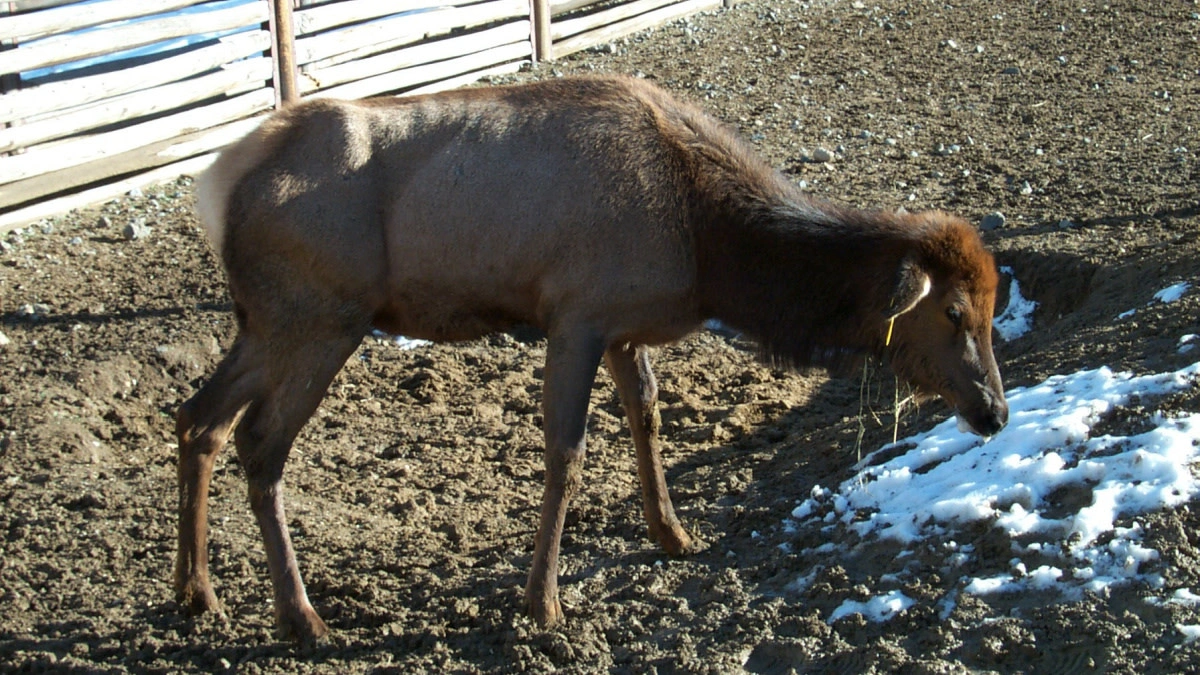
In March 2016, a sick wild reindeer (Rangifer tarandus) was discovered in the Nordfjella mountains during a research tagging project. Laboratory tests confirmed Europe’s first recorded case of classical chronic wasting disease. The Norwegian government responded with unprecedented force: between late 2017 and early 2018, state marksmen and hunters culled the entire Nordfjella Zone 1 herd of roughly 2,400 wild reindeer to eradicate the pathogen before it could spread across Scandinavia.
The management of chronic wasting disease Norway executes remains the most aggressive wildlife sanitation campaign in European history.
Ongoing research into chronic wasting disease Norway monitors aims to determine whether radical herd depopulation successfully halted a continental epidemic or merely delayed an inevitable biological reality.
Whether the Nordfjella extinction strategy actually worked remains the defining debate in Nordic wildlife management.
What chronic wasting disease is
The disease has become especially important for wild reindeer in Norway, where authorities have closely monitored affected mountain herds. It belongs to the transmissible spongiform encephalopathy (TSE) family, which includes scrapie in sheep and bovine spongiform encephalopathy (BSE) in cattle.
The disease is not caused by a bacterium or virus, but by a misfolded protein called a prion. When an infectious prion enters a host, it forces normal cellular proteins in the brain and nervous system to misfold into damaging aggregates.
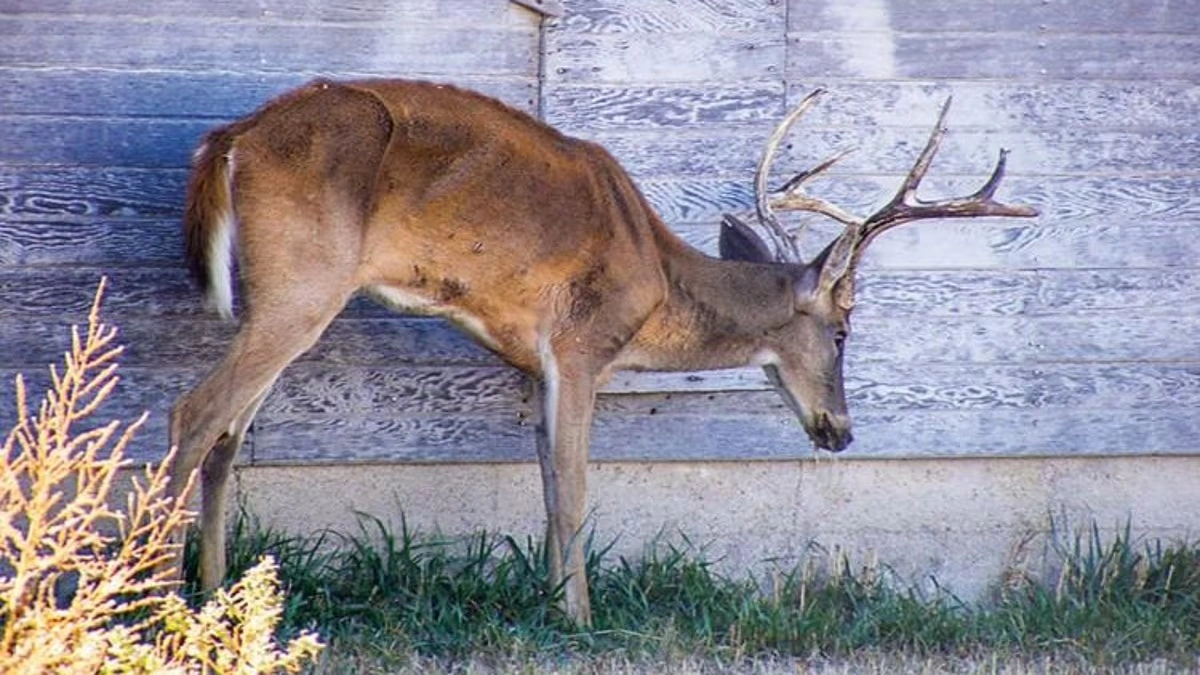
Infected animals shed prions through saliva, urine, feces, blood, and decaying carcasses. Because prions lack genetic material, they do not decompose like normal pathogens. They bind tightly to soil minerals, resist heat, disinfectants, and ultraviolet radiation, and remain infectious in the environment for years. There is no cure, vaccine, or treatment; infected cervids inevitably experience emaciation, behavioral changes, loss of motor control, and death.
Classical and atypical, and why the difference matters
A critical distinction in wildlife epidemiology separates classical chronic wasting disease from atypical strains:
-
Classical CWD: Highly contagious and transmissible between animals. The misfolded prions accumulate in lymph nodes, tonsils, and peripheral tissues as well as the central nervous system, causing active shedding before clinical symptoms appear. This was the strain identified in the Nordfjella wild reindeer herd.
-
These findings are part of wider monitoring efforts around moose in Norway, where wildlife authorities track population health and disease risks. Research indicates atypical CWD arises spontaneously as a rare, age-related neurodegenerative condition in individual animals rather than spreading contagiously through herds. Prions are typically restricted to brain tissue and are absent from lymphoid organs.
Management strategies diverge based on strain type. Atypical cases trigger localized monitoring rather than mass culling, whereas classical CWD triggers quarantine zones, movement restrictions, and population reduction efforts to prevent environmental contamination.
How it was found here and what happened next
Following the initial 2016 detection in Nordfjella Zone 1, post-mortem sampling revealed 19 positive cases within that single wild reindeer herd. Faced with a contagious prion disease in a key alpine ecosystem, the Norwegian Ministry of Agriculture and Food, supported by scientific advice from the Norwegian Veterinary Institute (Veterinærinstituttet) and the Norwegian Scientific Committee for Food and Environment (VKM), authorized complete depopulation.
March 2016: First European CWD Case (Nordfjella) -> 19 Positives Identified
2017–2018: Nordfjella Zone 1 Cull -> Whole Herd Depopulated (~2,400 Reindeer Removed)
September 2020: Hardangervidda Detection -> Classical CWD in New Herd (Single Positive)
Between autumn 2017 and February 2018, state culling teams (Statens naturoppsyn) and licensed hunters removed all ~2,400 wild reindeer from Zone 1. The area was placed under strict fallowing rules to prevent reindeer from entering the contaminated range.
The decision drew sharp criticism. Local communities and hunting organizations argued that depopulating an ancient wild reindeer lineage was disproportionate, while conservationists worried about ecosystem disruption. Authorities maintained that allowing contagious prions to establish across Norway’s connected mountain corridors would endanger wild reindeer herds nationwide.
The strategy faced a major challenge in September 2020, when a hunter shot a wild reindeer in Hardangervidda—Norway’s largest wild reindeer plateau—that tested positive for classical CWD.
Did it work?
Evaluating the Nordfjella cull depends on how success is measured.
Eradication View: No further cases in Nordfjella Zone 1 since depopulation (Veterinærinstituttet).
Persistence View: Detection in Hardangervidda shows broader geographical risk (VKM Analysis).
From an eradication standpoint, Nordfjella Zone 1 remains free of live infected reindeer because the host population was removed. Surveillance of thousands of harvested animals across adjacent zones has not shown a large-scale outbreak.
However, the 2020 Hardangervidda case demonstrated that classical CWD was not strictly confined to Nordfjella. Subsequent testing on Hardangervidda has yielded additional low-prevalence detections, confirming that the prion exists outside the original eradication boundary.
Veterinary scientists acknowledge that while mass depopulation eliminated the dense hot-spot in Nordfjella, completely eradicating an environmental prion from free-ranging wild ungulates across rugged mountain terrain remains biologically unproven.
How surveillance works now
Norway maintains an active wildlife health monitoring infrastructure managed by the Norwegian Veterinary Institute (Veterinærinstituttet) in coordination with the Norwegian Food Safety Authority (Mattilsynet).
Surveillance programs require extensive carcass sampling across targeted cervid populations:
-
Target Species: Wild reindeer, moose, red deer, roe deer (Capreolus capreolus), and semi-domesticated reindeer.
-
Sampling Volume: More than 10,000 to 15,000 cervid samples are analyzed annually across Norway.
-
These monitoring efforts are connected with Norway’s wider fallvilt reporting system for wildlife deaths outside normal hunting.
When assessing cwd norway cervids data, laboratories test two main tissue samples: brain tissue (specifically the brainstem’s nucleus nervi vagi) and pharyngeal lymph nodes. Testing both organs distinguishes between classical cases (present in lymph tissue) and atypical cases (present only in central nervous tissue).
What a hunter actually has to do
For the active hunting season, regulations enforced by Mattilsynet and the Norwegian Environment Agency (Miljødirektoratet) mandate specific sampling protocols in designated control areas:
-
Identify Testing Mandates: Hunters harvesting wild reindeer nationwide, or adult moose and red deer within targeted municipalities, must submit diagnostic samples.
-
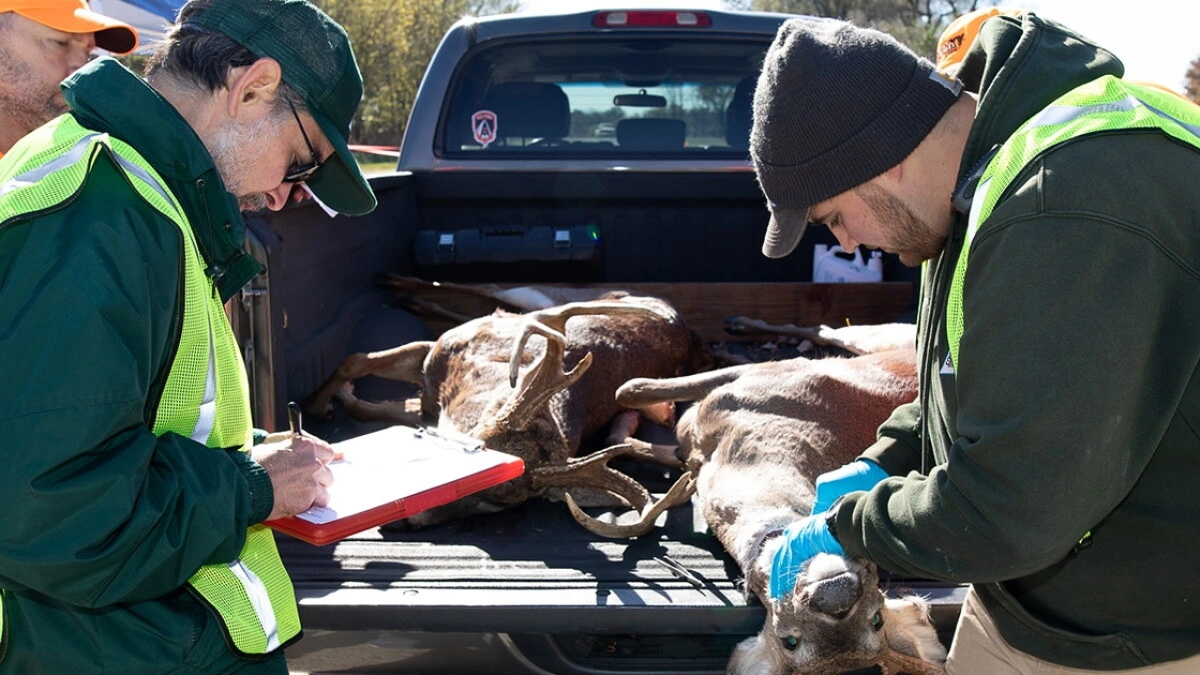
Collect Tissue Samples: Hunters extract both the brainstem and retropharyngeal lymph nodes using state-issued sampling kits.
-
Attach Registration Barcodes: Samples must be logged with location data, age estimates, and animal identification codes in the national hunting portal (SNO / Hjorteviltregisteret).
-
Submit to Testing Stations: Carcass samples are delivered to local drop-off points or posted directly to Veterinærinstituttet.
-
Await Clearance: In high-risk management zones (such as Hardangervidda), meat from tested animals must remain frozen and unconsumed until negative test results are issued in the online system.
Human health assessment
The potential for CWD to cross the species barrier to humans is a topic of ongoing public health evaluation. To maintain accuracy, official assessments from health authorities provide the clear guidance:
According to the Norwegian Institute of Public Health (FHI) and the Norwegian Food Safety Authority (Mattilsynet), there is no documented case of chronic wasting disease ever transmitting to humans, either through direct contact with cervids or through the consumption of venison.
However, Mattilsynet aligns with international public health guidelines from the World Health Organization (WHO): meat from animals that test positive for CWD, or animals showing symptoms of prion disease, must not enter the human or animal food chain.
The other diseases being watched at the same time
While prion monitoring remains a high priority, Norwegian veterinary authorities track other wildlife health issues simultaneously:
-
Sarcoptic Mange (Skabb): Highly contagious parasitic infestations caused by Sarcoptes scabiei mites are monitored in red fox (Vulpes vulpes) populations to evaluate spillover risks to domestic dogs and wild carnivores.
-
Avian Influenza (Fugleinfluensa): Highly Pathogenic Avian Influenza (HPAI) monitoring tracks wild waterfowl and seabird colonies along coastal migration routes to prevent transmission to commercial poultry farms.
The read
Norway’s decision to cull the Nordfjella wild reindeer herd was an unprecedented attempt to stop a contagious wildlife disease in its tracks. While it prevented Nordfjella from becoming a permanent biological reservoir, subsequent detections prove that managing environmental prions across wild landscapes requires long-term adaptation rather than quick eradication.
Hunters operating in high-risk zones this season should double-check local carcass handling mandates, ensure correct lymph node sampling, and log hunting submissions promptly.
Frequently Asked Questions
What is chronic wasting disease?
Chronic wasting disease (CWD) is a fatal, neurological prion disease affecting deer, moose, red deer, and reindeer. It causes brain degeneration, physical emaciation, behavioral changes, and death.
Is chronic wasting disease still present in Norway?
Yes. While the infected Nordfjella wild reindeer herd was culled, low numbers of classical CWD cases continue to be detected in wild reindeer in Hardangervidda, along with sporadic atypical CWD cases in older moose and red deer nationwide.
What is the difference between classical and atypical CWD?
Classical CWD is contagious, spreads between individual animals, and concentrates in lymph nodes and brain tissue. Atypical CWD arises spontaneously in older animals, affects only brain tissue, and is not known to be contagious.
Do hunters in Norway have to test for CWD?
Yes, in designated zones. Hunters harvesting wild reindeer nationwide, as well as adult moose and red deer in specified municipalities, are legally required to collect and submit brainstem and lymph node samples for lab analysis.
Can chronic wasting disease affect humans?
According to the Norwegian Institute of Public Health (FHI) and Mattilsynet, there are no known cases of transmission to humans. However, authorities advise against consuming meat from animals that test positive or show signs of disease.
Why was an entire reindeer herd removed?
In 2017–2018, the Norwegian government culled ~2,400 wild reindeer in Nordfjella Zone 1 to eradicate classical CWD before the contagious prion could spread into adjacent mountain ranges and national herds.
