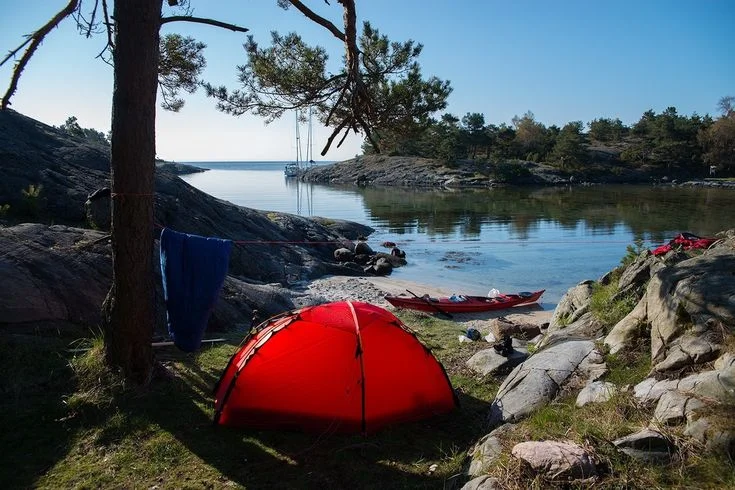
Allemannsretten Explained: If you have ever wondered whether you can simply walk across a forest, camp beside a lake, or pick berries in Norway without asking who owns the land, the answer is often yes. That freedom is called allemannsretten, Norway’s legal right to access and enjoy much of the outdoors.
The simple idea is this: people can walk and stay in utmark, or uncultivated land, even when someone else owns it, as long as they act carefully and respect nature, other people, and the landowner. The right is rooted in long-standing custom and was given a legal framework through Norway’s Outdoor Recreation Act in 1957. It applies to residents and visitors alike.
The easiest way to understand it is to picture Norway’s outdoors as shared space with rules. You can use much of it, but you cannot treat it as your own. That small difference explains both the freedom allemannsretten gives and the limits that come with it too.
Key Takeaways
- Allemannsretten is Norway’s legal right to access and enjoy qualifying outdoor areas.
- The main distinction is between utmark and innmark.
- Walking and staying in utmark are generally allowed when done considerately.
- Camping has distance and duration rules.
- Berries, mushrooms, and some wild plants can be gathered under specific conditions.
- Hunting and freshwater fishing have separate permission and licensing rules.
- Fire, dogs, protected areas, and motorized travel can involve additional restrictions.
- The right to roam works because people also accept duties to protect nature and respect others.
What is allemannsretten?
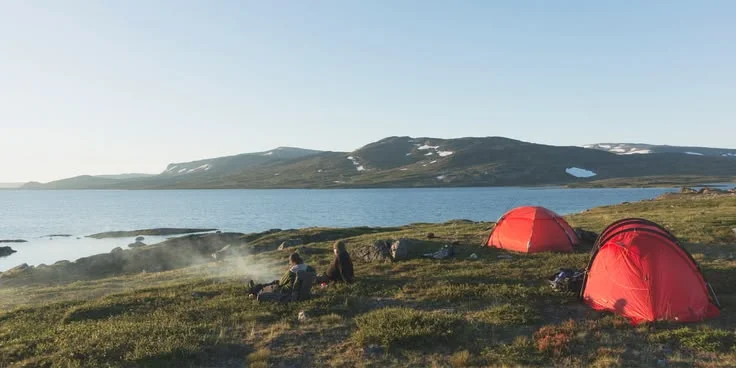
Allemannsretten is a group of rights that lets the public use nature for outdoor recreation. It covers activities such as walking, resting, skiing, swimming, camping in suitable areas, and some forms of gathering from nature.
The key word is utmark. This generally means forests, mountains, marshes, beaches, and many areas of open countryside. Innmark, on the other hand, includes places such as gardens, house plots, farmyards, cultivated fields, and similar areas where public access could interfere with everyday use.
So, allemannsretten does not mean “everywhere is public.” It means there is a legal right to use qualifying outdoor areas within clear limits.
Allemannsretten Explained: How Does the Right to Roam Norway Work?
Think of allemannsretten as a balance rather than a free pass. You get access to much of Norway’s outdoors, but you also have a responsibility to use that freedom carefully and respect the land, wildlife, and other people.
Where Can You Walk?
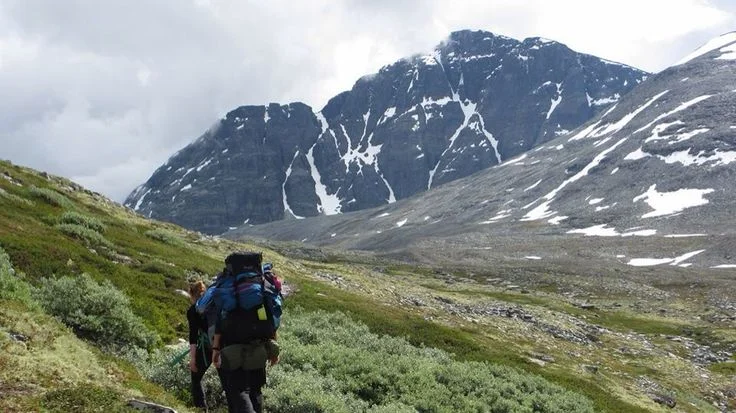
In utmark, people can normally walk freely throughout the year. This includes many forests, mountains, beaches, and other uncultivated areas. You can stop to rest and enjoy the surroundings, as long as you avoid causing damage or unreasonable disturbance.
Does It Matter Who Owns the Land?
Usually, private ownership does not remove the public’s right to access qualifying utmark. The land may belong to a private person, company, or another owner, while the public can still use it under the rules of allemannsretten.
You should still keep a sensible distance from homes and cabins and avoid areas where your presence could interfere with someone’s privacy or normal use of their property.
Why Is This Right Important?
This is what makes the right to roam Norway such an important part of outdoor life. You generally do not need to find the landowner or ask for permission before taking a normal walk through qualifying uncultivated land.
The freedom is real, but so is the responsibility that comes with it. The basic idea is simple: enjoy nature, leave it in good condition, and give other people and wildlife room to do the same.
What is the difference between innmark and utmark?
This is one of the most useful things to understand before heading outdoors.
| Area | General access |
|---|---|
| Forest, mountain, marsh, much open shoreline | Usually utmark, where allemannsretten applies |
| Private garden or house plot | Usually innmark, so public access is restricted |
| Farmyard | Innmark |
| Cultivated field | Usually innmark |
| Frozen or snow-covered cultivated land in the permitted winter period | Walking access may be allowed under specific rules |
There can be grey areas. A piece of land does not become innmark simply because it has a fence, and the legal classification depends on the nature and use of the area. Norway’s environmental authorities advise checking local guidance when the situation is unclear.
Can you camp under allemannsretten?
Yes, but camping has specific limits. In utmark, you can normally pitch a tent at least 150 metres from an inhabited house or cabin. You can generally stay in the same place for up to two days. Longer stays may be possible in the high mountains or far from buildings, but other local rules can still apply. Camping on innmark normally requires permission from the landowner or user.
What can you pick or collect?
Allemannsretten also includes certain rights to gather natural products. In general, people may pick wild berries, mushrooms, and some wild plants in areas where the right applies.
There are limits, especially in protected areas and for particular resources or regions. Northern Norway, for example, has special rules concerning cloudberries.
Jakt and freshwater fishing are different. They are not simply included because you are standing in utmark. Hunting is a landowner right and requires the relevant permission, while freshwater fishing generally requires a fishing licence, with specific rules for children under 16.
This distinction is useful for anyone researching outdoor access rights public information: being allowed to enter land does not automatically mean you can take every resource found there.
What about fires and outdoor cooking?
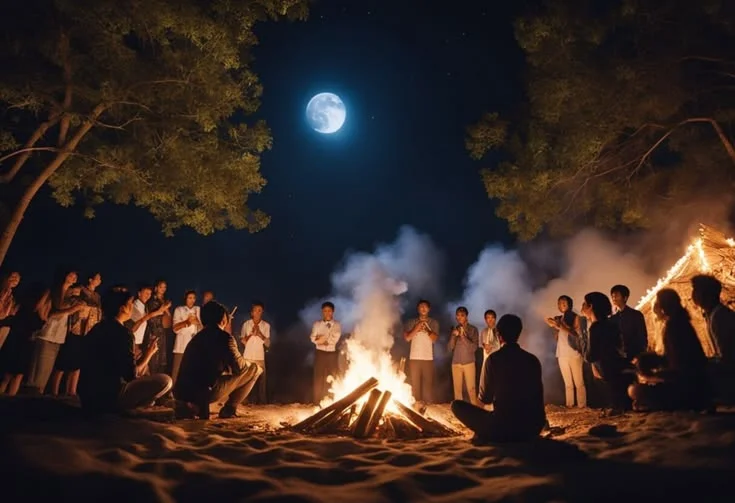
Fire is another area where common sense and legal rules need to work together. In Utmark, fires are generally permitted from 16 September to 14 April. Between 15 April and 15 September, a fire may be allowed when it is clearly safe and cannot cause a fire. Local restrictions can be stricter, so checking the current rules is important.
If you collect small amounts of dry twigs for a fire, you should only take material that the landowner could not reasonably be expected to use. Cutting living trees for firewood is not covered by this right.
Always put a fire out completely and take your rubbish with you. A legal right to use the outdoors does not remove the duty to leave the place safe and clean.
Does allemannsretten include hunting and firearm use?
This is where outdoor access rights and firearm safety need to be kept separate. Allemannsretten lets people access qualifying nature areas, but it does not give someone a right to hunt. Visitors who want to hunt should understand the specific requirements for hunting in Norway as a foreigner, including licences, permissions, and qualifications.
People who want to hunt in Norway must follow the applicable requirements, including hunter education and the hunting licence system. The Norwegian hunter examination, or Jegerprøven, is part of the process for people who want to hunt.
For visitors and new outdoor users, the practical lesson is simple: seeing hunters in an area does not mean the whole area is closed, and having a right to walk there does not mean you can interfere with a hunt. Keep distance, follow signs and local instructions, and never handle a firearm unless you are properly authorized and trained.
Viltnemnda also focuses on wildlife and hunting-related information, making it useful to keep wildlife management and public access as two connected but separate topics.
What responsibilities come with the right?
The rights of allemannsretten come with what are often called allemannsplikten: duties of considerate outdoor behavior.
The law expects people to act carefully so they do not cause damage or unreasonable inconvenience to landowners, users, other visitors, or the environment.
In practical terms, that means closing gates, avoiding crops and sensitive areas, controlling dogs where required, taking rubbish home, and giving wildlife space.
Protecting movement routes is also important, as wildlife corridors help animals move between feeding and breeding areas while reducing human-wildlife pressure. Choosing a different route can sometimes be the simplest way to enjoy the outdoors without creating a problem.
Are there places where the right can be limited?
Yes. Allemannsretten is broad, but it is not absolute. These restrictions are often connected with wider endangered species protection laws in Europe and conservation requirements. Municipalities can also regulate certain forms of activity in specific circumstances, particularly when heavy use creates damage or conflict.
Motorized travel is another clear example. Snowmobiles and other motor vehicles in uncultivated areas are generally governed by separate rules and are not part of the ordinary right to roam.
Local conditions also matter. A popular beach, fragile mountain area, nesting site, or heavily used trail can need more careful management than a quiet forest path.
Why does allemannsretten matter?
The value of allemannsretten is not only that it lets people take walks for free. It creates a practical relationship between people and the Norwegian landscape.
A resident can hike after work without first finding a property owner. A visitor can experience forests, mountains, and coastlines without treating every piece of land as a private barrier. Families can spend time outdoors without needing expensive facilities.
But the system works because access is paired with restraint. The public gets meaningful freedom, while landowners, farming, wildlife, and nature still have protections.
That balance is the part worth remembering. Allemannsretten is less about taking someone else’s land and more about sharing access to nature responsibly.
What should visitors remember before going outdoors?
A few simple checks can prevent most problems:
- Find out whether the area is innmark or utmark.
- Keep well away from homes, cabins, and private gardens.
- Follow camping distance and time limits.
- Check local rules in protected areas.
- Do not assume access gives you hunting or freshwater fishing rights.
- Be careful with fire, especially during dry or high-risk periods.
- Respect wildlife, livestock, crops, and other visitors.
- Leave the place as you found it.
Source Note
This article is based on Norwegian government and environmental authority information, including the Outdoor Recreation Act and guidance from the Norwegian Environment Agency (Miljødirektoratet). Rules can vary by location, protected-area regulations, and activity, so readers should check official local guidance when a specific situation is uncertain.
Frequently Asked Questions
Is allemannsretten free?
Generally, yes. The right to ordinary access and passage in qualifying utmark is not something a landowner can simply charge the public for. Separate services such as parking or facilities can involve fees.
Can tourists use allemannsretten?
Yes. The right is not limited to Norwegian citizens. Visitors can use it too, as long as they follow the same rules and responsibilities.
Can I camp anywhere in Norway?
No. Camping rules depend on whether the land is innmark or utmark, distance from buildings, length of stay, and local restrictions.
Does allemannsretten allow hunting?
No. Hunting is a separate right governed by hunting laws, landowner permission, licensing, and hunter requirements.
Can I pick berries and mushrooms?
Generally, yes in areas where gathering is allowed, but protected areas and certain regions can have additional restrictions.
Disclaimer
This article is for general educational and informational purposes. Outdoor access rules can vary by location and may change through local regulations or protected-area rules. For a specific activity, check the latest guidance from Norwegian authorities before you go.
