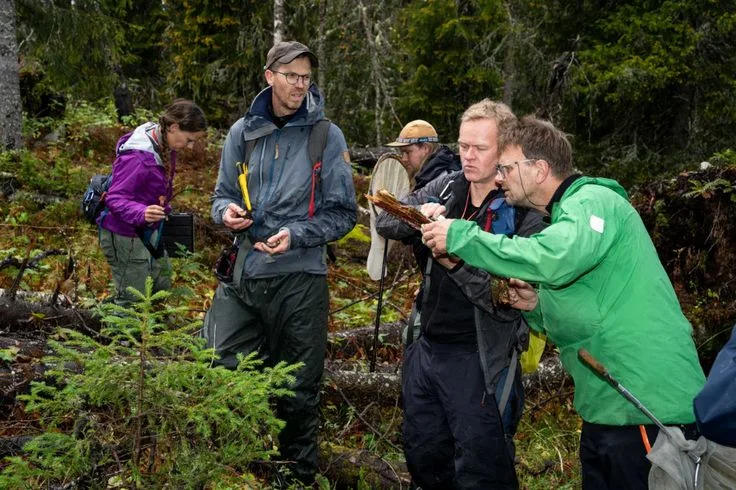
Wildlife Board Members Norway: If you’re wondering who actually sits on a Norwegian wildlife board, the short answer is: the local municipality decides. A viltnemnd is a municipal political body that deals with wildlife management, and its members are selected through the municipality’s political system. The exact number and local setup can differ, so there isn’t one identical board across Norway.
In many municipalities, the board has elected members, substitutes, a chair and sometimes a deputy chair. Members do not get a seat simply because they hunt or work with wildlife. Their appointment follows municipal election rules, while the board’s authority comes from legislation and the municipality’s delegation rules.
Key Takeaways
- A wildlife board is a local municipal wildlife body, not one national board.
- Members are selected through the municipality’s political system.
- Board size and detailed responsibilities can vary between municipalities.
- Municipal election rules govern eligibility and the selection process.
- Wildlife decisions are shaped by current wildlife legislation and administrative-law rules.
- Since 1 July 2026, the viltressursloven has replaced Norway’s 1981 Wildlife Act.
- Minutes, formal decisions and consultation documents can reveal how a specific case was handled.
- Appeal rights depend on the type of decision and the rules applying to it.
What is a Wildlife Board Members Norway?
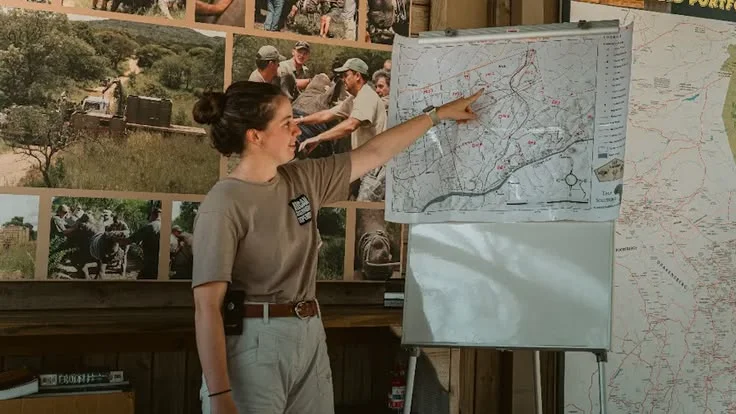
To understand where these local boards fit within the wider system, see how Norway’s wildlife management system connects national rules with municipal responsibilities. It links national wildlife rules with local decisions.
The board may deal with hunting arrangements, deer and moose management, fallen wildlife, local wildlife funds, and other tasks delegated by the municipality. Its exact responsibilities depend on current law and local delegation rules.
As of 2026, there is an important legal update. Norway’s new viltressursloven, the Act relating to hunting, trapping and killing of wildlife, entered into force on 1 July 2026 and replaced the 1981 Wildlife Act. The government says the new law largely continues existing rules while clarifying and updating the legal framework.
Who sits on a viltnemnda?
There is no single national list of wildlife board members. The people sitting on a viltnemnd depend on the municipality and its current election period.
A local board can include elected representatives from different political groups. Some municipalities use five members, while local rules may set another arrangement. For example, Sondre Land’s regulations describe a viltnemnd with five members and three substitute members, elected by the municipal council for four years.
Membership is a municipal political appointment, not a national wildlife job. Being a hunter, landowner, biologist or wildlife officer does not by itself create a seat.
Is every board the same size?
No. Local government arrangements can differ. Haram municipality, for example, describes its viltnemnd as having five members and substitutes, with the municipal council choosing the members, substitutes, chair and deputy chair for four years.
So if you want to know who sits on a particular board, the safest source is that municipality’s official website, political regulations, meeting documents or member list.
How are wildlife board members appointed?
The municipal council, or kommunestyret, is the key body in the appointment process. Under Norway’s Local Government Act, rules on eligibility apply to elected municipal bodies. A person generally needs voting rights in municipal elections, must be registered as a resident in the municipality, and must give written consent to stand for election.
The way members are selected also follows municipal election rules. Members of elected bodies are chosen by proportional election if at least one member requests it; otherwise, agreement-based election can be used. The chair and deputy chair are chosen by majority vote.
The appointment is therefore part of the municipality’s wider political organization.
What Does a Wildlife Board Actually Do?
Local Wildlife Decision-Making
The exact role of a viltnemnda depends on the powers delegated to it. A viltnemnd can have decision-making authority in certain wildlife matters, but it is not automatically responsible for every wildlife issue in Norway. National authorities, municipalities, and other wildlife institutions each have their own responsibilities.
Hunting and Wildlife Management
These responsibilities can be seen through real Norway wildlife board rulings, where municipalities apply wildlife regulations to local cases. For example, a 2026 regulation from Aukra was adopted by its viltnemnd and addressed the opening of hunting for moose, red deer, and roe deer, along with minimum area requirements and hunting fees.
A similar decision from Lillesand demonstrates how a local wildlife board can make area-specific hunting decisions under the current regulatory framework.
Why Local Decisions Matter
These examples show why local municipal documents are useful when researching viltnemnda responsibilities. They provide concrete evidence of what a particular wildlife board has actually handled rather than assuming that every viltnemnd has identical powers.
The responsibilities of a wildlife board can therefore vary according to local arrangements, delegated authority, and the applicable wildlife regulations.
How do case handling rules affect the board?
A wildlife board is still part of public administration. That means its decisions are not just informal discussions around a table.
Where a board makes an individual decision, administrative-law rules can apply. The Forvaltningsloven, or Public Administration Act, provides rules on matters such as written decisions, reasons, and appeals.
Under the current appeal rules, an individual decision can generally be challenged by a party or another person with a legal interest. For municipal decisions, the ordinary appeal body is normally the municipal council or another body designated by the municipality, although special legislation can set a different arrangement.
This gives affected people a way to understand and, where allowed, challenge a decision.
Where does public consultation fit in?
Public consultation is not the same thing as a viltnemnda meeting. Some wildlife matters may involve notices or opportunities for affected people and organizations to submit comments, depending on the decision and its legal basis.
A consultation lets people provide information or views before a decision is made, but it does not automatically mean the board must follow every comment. When researching a case, check the consultation notice, comments, case documents and final decision.
Why do board minutes matter?
Understanding the wider Viltnemnda decision process helps explain how these discussions become formal wildlife management decisions. For research, they can help confirm who attended during a particular period, but they should be read with the formal case documents because minutes may not contain the full evidence or legal assessment.
Can people appeal a wildlife board decision?
Sometimes, yes, but it depends on what kind of decision was made and which rules apply. The appeal system is mainly relevant to individual decisions that affect a person’s legal position. A general policy discussion, consultation response or informal statement is not necessarily an appealable individual decision.
For a specific case, check the decision itself. It should normally explain whether an appeal is available, who can appeal, where the appeal should be sent and the relevant deadline.
This is one reason board minutes alone are not always enough. Minutes can show what happened in a meeting, while the formal decision contains the legal details that matter to an affected person.
What should readers check when researching a viltnemnd?
If you’re checking a wildlife board in a particular Norwegian municipality, start with these five things:
- The municipality’s current viltnemnd member list.
- The political regulations describing its composition and powers.
- Recent meeting agendas and board minutes.
- The formal decision and its legal basis.
- Any consultation or appeal information connected with the case.
It is more reliable than an old article or generic description.
Source Note
This article is based on Norwegian legal and public-sector sources, including Lovdata, the Norwegian government and official municipal documents. The legal framework changed in 2026, so readers should check current legislation and the relevant municipality’s latest delegation rules before relying on a specific procedure in a municipality. Viltnemnda provides useful context for readers researching Norwegian wildlife administration, but local authorities remain the appropriate source for case-specific decisions.
FAQs
Who appoints wildlife board members in Norway?
The municipal council generally chooses the members of a local viltnemnd. The exact process and composition are set through municipal rules and the Local Government Act.
Do wildlife board members have to be hunters?
Not necessarily. Membership is governed by municipal election and eligibility rules. Being a hunter can provide local knowledge, but it is not by itself the legal basis for appointment.
How long do viltnemnd members serve?
Many municipal regulations link the board to the four-year municipal election period. The exact arrangement should be checked in the relevant municipality’s current regulations.
Can I appeal a viltnemnd decision?
An appeal may be possible when the decision is an appealable individual decision and you have the required legal standing. The decision should explain the applicable appeal route and deadline.
Where can I find viltnemnd members and board minutes?
Check the official website of the municipality involved. Look for pages covering political bodies, committees, meeting documents, agendas, minutes and wildlife management.
Has the law changed in 2026?
Yes. The viltressursloven entered into force on 1 July 2026 and replaced the previous Wildlife Act. It largely continues existing law while updating and clarifying the framework.
Disclaimer
This article is for general educational and informational purposes. Wildlife rules, board structures, delegated powers and appeal procedures can vary by municipality and may change when laws or regulations are updated. For a specific case, check the current decision, local rules and official Norwegian authorities.
