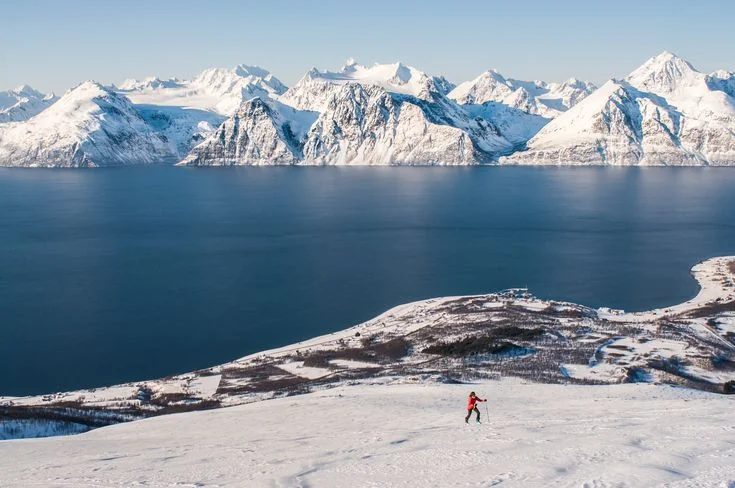
Lisensfelling Explained: If you come across the Norwegian word lisensfelling, it can sound like a normal hunting licence. It is a bit different. In simple terms, lisensfelling is a controlled system for removing a set number of large carnivores under a public quota. The hunters must be registered as licensed hunters for the relevant species, and the authorities decide where, when, and how much culling can take place.
In Norway, the system is mainly used for brown bear, wolverine, and wolf. Lynx is a special case because it can also be managed through quota hunting. The point is not simply to let people hunt predators whenever they want. The system sits inside Norway’s wider carnivore policy, where authorities try to balance conservation, national population targets, livestock and reindeer grazing, and other public interests.
Key Takeaways
- Lisensfelling is controlled culling under a public quota, not unrestricted hunting in practice.
- Registered lisensjegere are required to participate.
- Brown bear, wolverine, and wolf are the main species currently associated with the system, while lynx is mainly managed through quota hunting.
- Bestandsmål help guide population management.
- Skadefelling is different because it targets specific animals or situations involving damage.
- Quotas have geographic, time, and other conditions and can change between seasons.
- Reporting and biological monitoring are important parts of the system.
- For 2026 information, readers should check the current decision and rules for the exact species and area.
What does lisensfelling explained simply mean?
Think of lisensfelling as a government-controlled population management system rather than ordinary hunting. A public authority first decides that a quota can be used and sets a maximum number of animals that may be removed in a defined area. Only registered lisensjegere can take part.
Norwegian rules define lisensfelling around a fixed number of individuals, a publicly set quota, and registration in the Jegerregister. Current government information also explains that wolves, wolverines, and brown bears are protected from ordinary hunting but can be taken through lisensfelling when the legal conditions are met.
A person cannot simply decide to hunt a wolf because wolves are present in an area. There must be a valid decision, an open period, an applicable quota, and compliance with the conditions attached to the decision.
Why Does Norway Use Licensed Culling?
Norway has national population targets for its large carnivores. The current government description lists targets of 13 annual brown bear reproductions, 65 annual lynx family groups, 39 annual wolverine reproductions, and 4–6 wolf reproductions, with three of those wolf reproductions required to be fully Norwegian.
These targets are one reason population management can involve controlled removal. The idea isn’t that every area should contain the same number of predators. These decisions are connected with rovvilt regions Norway, where authorities manage carnivore populations through regional targets and planning.
What Role Do Population Targets Play?
The legal framework also places limits on removal. Government guidance states that both lisensfelling and skadefelling require that the removal does not threaten the survival of the population and that the purpose cannot be achieved through another satisfactory solution.
Is Lisensfelling the Same as Protective Hunting?
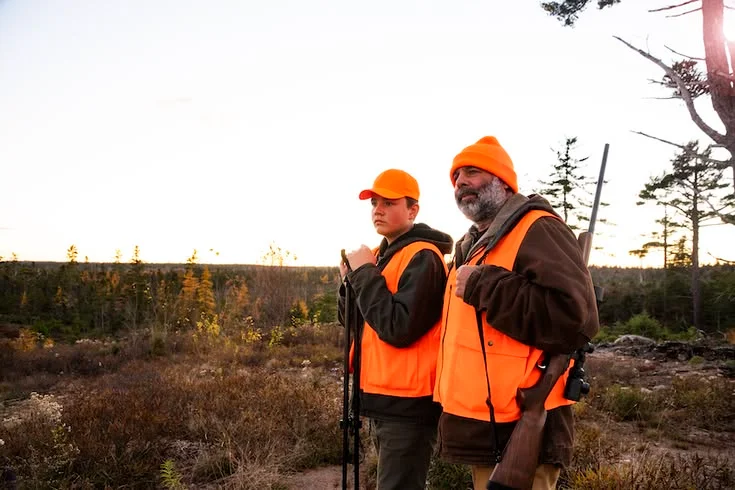
Not exactly. Calling lisensfelling “protective hunting” can be useful as a simple explanation, but it shouldn’t be confused with a general permission to protect livestock by shooting a predator. Norway has separate rules for lisensfelling and skadefelling.
Lisensfelling Explained: How is a lisensfelling decision made?
The practical side is worth remembering too. A quota is tied to a place and a period, so the same species can be subject to different decisions in different parts of Norway. That is why a headline saying “licensed culling allowed” never tells the whole story. Readers still need to check the exact area, dates, remaining quota, and conditions before concluding what is permitted.
Regional governments have an important role in carnivore management within their regions, including population plans and hunting or culling arrangements. The broader framework is set by national law and regulations.
Authorities consider the population situation, the relevant national or regional target, geography, potential damage, and the legal conditions for taking animals.
A real example came in the 2025–2026 wolf season. After complaints were considered, the Ministry of Climate and Environment maintained a total quota of 27 wolves for licensed culling outside the wolf zone. The season started on December 1, 2025.
That example also shows why a quota should not be read as a prediction of the final number killed. The ministry said it was uncertain that all 27 wolves would be taken.
Who can participate?
Participation is restricted. A person taking part in lisensfelling must be registered as a lisensjeger in the Jegerregister for the relevant species and hunting year. The rules also require payment of the hunting fee and compliance with reporting duties. Participants must keep track of the remaining quota and other restrictions and carry proof of their registration while taking part. The rules also apply to people participating as dog handlers.
What happens during the culling period?
Once a quota and period are in place, registered hunters may attempt to take animals within the approved area and under the stated conditions. The quota must be followed closely because the legal situation can change when the remaining number becomes small.
Reporting is a major part of the system. Norwegian rules require reporting of relevant carnivore kills or attempted kills, and killed animals can be presented to Statens naturoppsyn for control, marking, and biological sampling.
That biological material matters because carnivore management depends on monitoring. DNA, observations, reproduction records, and other data help authorities understand where animals are and how populations are developing.
Lisensfelling vs skadefelling: what is the difference?
These two terms are easy to mix up, but the basic idea is different. Lisensfelling is based on a quota for a defined number of animals. It is used as part of broader population management. Skadefelling, by contrast, is aimed at removing particular animals to prevent or reduce damage, such as damage involving livestock or domestic reindeer. Government guidance specifically says skadefelling is not intended to regulate the overall size of a carnivore population.
Imagine a region has an approved wolf quota for licensed culling. A registered hunter can operate within that decision and try to take an eligible wolf. In a separate situation, a specific wolf may be causing an immediate or serious damage problem, and authorities may consider a skadefelling decision. The two processes have different purposes even though both involve removing a carnivore.
What about lynx, bears, wolves, and wolverines?
| Species | How it fits into the system |
|---|---|
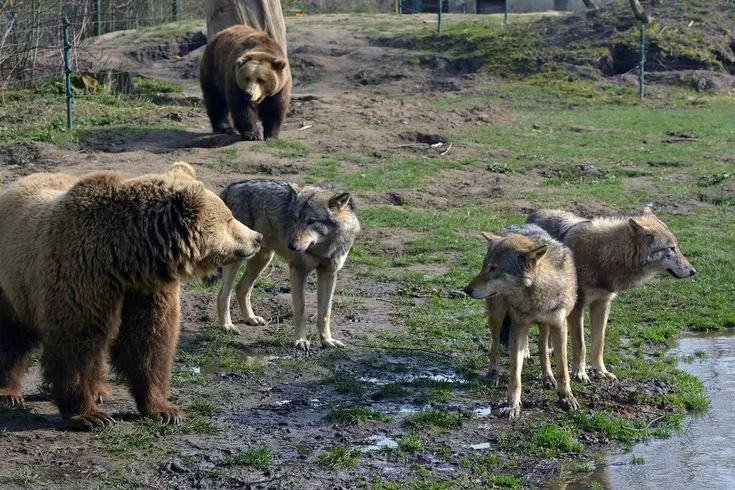
| Brown bear | Protected from ordinary hunting and may be taken through licensed culling when a quota and legal conditions apply. |
| Wolverine | Managed with national population targets and can be subject to licensed culling. |
| Wolf | Can be subject to licensed culling, including decisions outside the wolf zone; conditions can be highly specific. |
| Lynx | Has a hunting season and is mainly managed through quota hunting, although the regulations also contain provisions for lisensfelling. |
The Norwegian government currently describes wolf, wolverine, and brown bear as species that are not ordinarily hunted but can be taken through lisensfelling. Lynx is managed differently because it has a hunting season and quota hunting.
What changed around the 2026 legal framework?
Norway’s viltressursloven replaced the viltloven on July 1, 2026. Government legislative material describes lisensfelling under the new framework as the removal of a defined number of wild animals under a public quota, with participation requiring registration as a licensed hunter.
Species-specific regulations, quota decisions, geographical boundaries, reporting requirements, and other conditions still matter. For anyone following a current case, the actual decision for the relevant season and area is more useful than relying on a general explanation written years earlier.
Source Note
This article explains Norwegian lisensfelling using current Norwegian government material, official regulations, and Lovdata. Legal rules and wildlife management decisions can change, so current quota decisions should always be checked before treating any general explanation as a rule for a specific case. The article separates the general meaning of lisensfelling from species-specific and seasonal decisions rather than presenting one rule as universal.
FAQs
Is lisensfelling the same as normal hunting?
No. It is a regulated culling system based on a public quota and registration as a licensed hunter. Some species covered by lisensfelling are not open to ordinary hunting.
Which animals can be taken through lisensfelling?
Norway currently uses the system mainly for brown bear, wolverine, and wolf. Lynx has a separate quota-hunting system, although the regulations also contain lisensfelling provisions.
Does every wolf or bear in an approved area become legal to shoot?
No. Hunters must follow the specific quota decision, area, dates, species rules, and other conditions. Registration alone does not create permission to take an animal.
What is the difference between lisensfelling and skadefelling?
Lisensfelling works with a quota for a defined number of animals. These situations are often connected with broader human-wildlife conflicts, where authorities balance farming interests, conservation, and predator protection.
Can the full quota always be filled?
No. A quota is a maximum permitted number, not a guarantee. The 2025–2026 wolf decision is a clear example: the ministry maintained a quota of 27 wolves outside the wolf zone but said it was uncertain that all would be taken.
Why should readers check official decisions?
Because the details can change by species, region, season, and population situation. Current decisions can also include special conditions that are not obvious from a general explanation.
Disclaimer:
This article is intended for general educational and informational purposes. Wildlife rules, quotas, population estimates, and conservation conditions can vary by region and may change as new decisions or research become available. Always check recognized Norwegian wildlife and legal authorities for the latest information.
