Independent Norwegian wildlife news
Norway | Est. 2026

What Is Fallvilt in Norway?

What Is Fallvilt in Norway?

Key Takeaways

  • What is fallvilt? Fallvilt refers to wild animals found dead or injured outside legal hunting, including many wildlife collision cases.
  • In Norway, the term commonly applies to game animals affected by traffic accidents, trains, disease, or other non-hunting causes and is an important part of the country’s wildlife management system.
  • The fallvilt law Norway supports public safety, wildlife welfare, and responsible management.
  • Drivers should report collisions involving large wild animals as soon as possible.
  • Never approach an injured wild animal because it may behave unpredictably.
  • Reporting incidents helps improve conservation efforts and road safety.
  • Local wildlife committees, including Viltnemnda, assist in managing fallvilt cases.

Quick Answer

Fallvilt is a Norwegian term used for wild animals that are found dead or injured because of causes other than legal hunting. In many cases, it refers to animals involved in road accidents, but it can also include wildlife harmed by trains, fences, natural events, or other incidents. Under the fallvilt law Norway, certain wildlife collisions must be reported so authorities can protect public safety, care for injured animals when possible, and manage wildlife responsibly.

What Does Fallvilt Mean?

The word fallvilt comes from Norwegian and is commonly used in wildlife management. In simple terms, it refers to wild game animals that die or become seriously injured outside regular hunting activities.

Although many people think it only means roadkill, the meaning is broader than that. A wild animal may be considered fallvilt if it dies because of:

  • A traffic collision
  • A train accident
  • Falling into a fence or ditch
  • Natural injuries
  • Disease
  • Other unexpected causes

The goal is not simply to record dead animals. Instead, Norway uses the fallvilt system to make sure wildlife is managed responsibly and that injured animals receive attention as quickly as possible.

This approach also helps authorities understand where accidents happen most often, allowing them to improve road safety and protect both people and wildlife.

Why Is the Term Important?

The term is important because it connects wildlife protection with public safety. Every reported case provides valuable information about animal movement, accident hotspots, and local wildlife populations.

For example, if several moose are hit along the same stretch of road during autumn, officials may decide to improve warning signs or introduce other safety measures.

As a result, reporting fallvilt benefits everyone, including:

Group Benefit
Drivers Safer roads and fewer wildlife collisions
Wildlife authorities Better tracking of animal populations
Local communities Improved traffic safety
Conservation experts More reliable wildlife data

Why Does Norway Use the Term Fallvilt?

Norway has one of Europe’s richest natural environments. Large forests, mountain areas, and long rural roads mean that humans and wildlife often share the same spaces.

Animals regularly cross highways while searching for food, water, or seasonal habitats. Because of this, collisions are an unavoidable part of life in some regions.

Instead of treating each accident as an isolated event, Norwegian authorities collect information about fallvilt to improve wildlife management across the country.

The system helps officials:

  • Monitor wildlife populations.
  • Identify dangerous roads.
  • Improve conservation planning.
  • Reduce future collisions.
  • Protect both animals and motorists.

Rather than focusing only on enforcement, the system encourages responsible reporting and cooperation between drivers and local authorities.

Wildlife Conservation and Public Safety

The fallvilt law Norway reflects a balance between protecting nature and keeping roads safe.

For example, an injured moose can weigh several hundred kilograms and may behave unpredictably after a collision. Leaving the animal without reporting it can increase the risk of another accident.

Similarly, an injured deer may move into nearby forests where it becomes difficult to locate. Reporting the incident quickly allows trained personnel to respond appropriately.

Because of these situations, Norway places strong importance on early reporting rather than waiting until someone else discovers the animal.

Which Animals Are Considered Fallvilt?
Which Animals Are Considered Fallvilt?

Not every animal automatically falls under the same wildlife management rules.

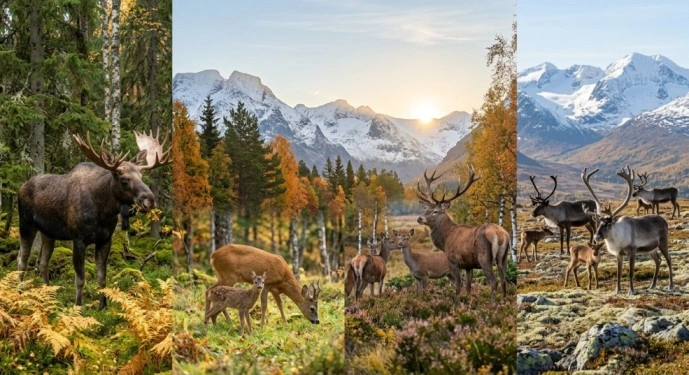
Generally, the term applies to wild game species that are managed under Norwegian wildlife regulations. Some of the most common examples include:

  • Moose
  • Red deer
  • Roe deer
  • Wild reindeer
  • Elk where applicable in local terminology
  • Other protected wild game species

Smaller animals may also be reported depending on local circumstances, although reporting requirements often focus on larger wildlife because they present greater safety risks.

Animals Most Commonly Involved in Road Accidents

Certain species appear more frequently in wildlife collision reports than others.

Animal Why Collisions Are Common
Moose Large size and frequent road crossings
Roe deer Active at dawn and dusk
Red deer Seasonal migration near roads
Reindeer Travel in groups across open areas

The risk increases during autumn and winter when daylight hours are shorter, and visibility is reduced.

Seasonal Changes Affect Wildlife Movement

Wild animals move throughout the year depending on weather and food availability.

During spring and autumn, many species travel longer distances. Winter snowfall can also push animals closer to roads where food is easier to find.

Because of these seasonal patterns, drivers should remain alert, especially:

  • Around sunrise
  • Around sunset
  • During fog
  • After heavy snowfall
  • In forested areas

Paying attention to wildlife warning signs can significantly reduce the chance of an accident.

How Does the Fallvilt Law Norway Work?

The fallvilt law in Norway is designed to ensure that injured or dead wild animals are handled responsibly while protecting public safety.

If a driver collides with a large wild animal, the incident should not simply be ignored. Instead, the relevant authorities need accurate information so they can assess the situation and decide on the appropriate response.

Although procedures can vary depending on the location and the species involved, the general process usually follows these steps:

  1. Stop only if it is safe to do so.
  2. Check for injuries to yourself and others.
  3. Avoid approaching an injured wild animal.
  4. Mark the location if possible.
  5. Report the collision to the appropriate authorities.
  6. Wait for instructions if requested.

Following these steps helps protect both people and wildlife while ensuring that the incident is managed according to Norwegian regulations.

What Should You Do After Hitting Wildlife in Norway?
What Should You Do After Hitting Wildlife in Norway?

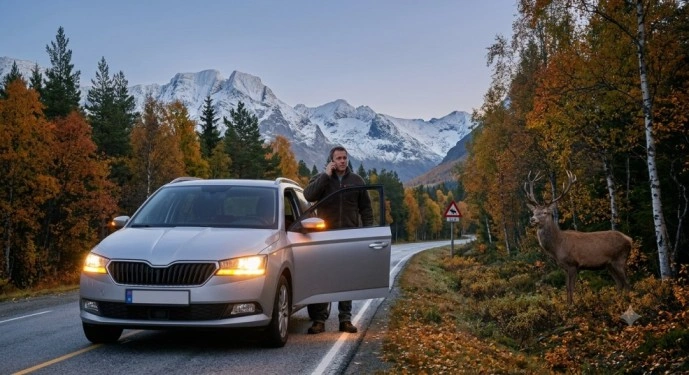
Hitting a wild animal can be frightening, especially if it happens on a dark rural road. Your priority should always be the safety of yourself, your passengers, and other road users. Acting calmly also helps ensure the animal receives the right attention.

Stay Safe First

If your vehicle is still drivable and it is safe to stop, move to the side of the road. Turn on your hazard lights and keep a safe distance from traffic.

Avoid standing in the roadway, particularly on roads with fast-moving vehicles or poor visibility.

Do Not Approach the Animal

Even if an animal looks calm, it may be badly injured and react unpredictably. Large animals such as moose or deer are powerful and can seriously injure people who get too close.

Instead of approaching the animal, try to remember where it was last seen. This information can help wildlife officers locate it more quickly.

Report the Incident

Under the wildlife law in Norway, collisions involving larger wild animals should be reported to the appropriate authorities as soon as possible.

When making a report, it is helpful to provide:

Information Why It Matters
Exact location Helps responders find the animal quickly
Time of the accident Assists with incident records
Animal species if known Determines the appropriate response
Whether the animal ran away Helps with search efforts
Vehicle damage Provides additional context if needed

The more accurate your information is, the easier it is for authorities to respond effectively.

Who Is Responsible for Fallvilt?

Managing fallvilt is a shared responsibility involving several public authorities and local wildlife experts.

Depending on the situation, different organizations may become involved.

Police

The police may receive reports of wildlife collisions and coordinate the initial response when necessary, particularly if public safety is at risk.

Municipal Wildlife Authorities

Each municipality has people responsible for managing wildlife incidents within their area. They organize searches for injured animals, arrange safe removal when needed, and keep records of reported cases.

Wildlife Response Teams

Trained personnel may be called to assess injured animals, determine whether treatment is possible, or decide on the safest course of action.

Their goal is always to balance animal welfare, public safety, and responsible wildlife management.

Fallvilt vs Roadkill

Many people use these terms interchangeably, but they are not the same.

Feature Fallvilt Roadkill
Definition Wildlife injured or dead outside legal hunting, often managed under Norwegian regulations Any animal killed on a road
Legal Context Connected with Norwegian wildlife management General term with no specific legal meaning
Reporting Often requires reporting for larger wildlife Depends on local laws
Purpose Conservation, safety, and wildlife management Mainly describes the incident

Understanding this difference helps explain why what is fallvilt is more than simply asking what roadkill means.

Why Reporting Matters

Reporting wildlife incidents is about much more than following the law.

Every report helps authorities better understand how animals move across Norway and where accidents happen most often.

Over time, this information can be used to:

  • Improve wildlife crossings.
  • Install warning signs in high-risk areas.
  • Reduce future collisions.
  • Protect endangered species.
  • Improve road planning.
  • Support wildlife conservation.

Small actions from individual drivers can contribute to safer roads for everyone.

Common Mistakes to Avoid

Drivers sometimes make decisions that can put themselves or others at risk after a wildlife collision.

Here are some of the most common mistakes.

Mistake Better Approach
Leaving without reporting Notify the appropriate authorities
Walking toward an injured animal Stay at a safe distance
Blocking the road Move to a safe location if possible
Assuming the animal is unharmed Report the incident even if it runs away
Ignoring warning signs Slow down in wildlife crossing areas

Avoiding these mistakes helps improve both safety and wildlife protection.

Practical Example

Imagine you are driving through central Norway just after sunset.

A deer suddenly runs onto the road, and despite braking, you cannot avoid a collision. The animal disappears into nearby trees while your vehicle suffers only minor damage.

Although the deer is no longer visible, you should still report the incident. An injured animal may travel some distance before collapsing, making it difficult to locate later. By sharing the location and details of the collision, you increase the chances of a quicker response and help prevent additional accidents if the animal returns to the road.

Expert Tips for Driving in Wildlife Areas

Driving carefully in wildlife zones can greatly reduce the chance of an accident.

Slow Down at Dawn and Dusk

Many wild animals are most active during these hours.

Watch for Wildlife Signs

Norwegian roads often include warning signs where animal crossings are common. Treat these signs as an early reminder to stay alert.

Scan Both Sides of the Road

Animals can appear from either direction with very little warning.

Be Extra Careful in Autumn

Autumn is often a period of increased wildlife movement, making extra attention especially important.

Stay Focused

Avoid distractions while driving through forests or mountain roads. A few extra seconds of attention can make a significant difference.

Frequently Asked Questions

Is fallvilt only related to road accidents?

No. While road collisions are one of the most common causes, fallvilt can also include wild animals injured or killed by trains, fences, disease, or other non-hunting causes.

Does fallvilt include injured animals?

Yes. The term covers both dead and seriously injured wild animals that fall under wildlife management rules.

Should tourists report wildlife collisions?

Yes. Anyone involved in a wildlife collision in Norway should follow local reporting requirements, regardless of where they live.

Can I move an injured wild animal?

It is generally safer not to. Injured wild animals may react unexpectedly, so keeping a safe distance and reporting the incident is the recommended approach.

Why does Norway keep fallvilt records?

These records help improve road safety, monitor wildlife populations, support conservation efforts, and guide future wildlife management decisions.

Conclusion

Understanding what fallvilt is helps you appreciate how Norway combines wildlife conservation with public safety. Rather than viewing an injured or dead wild animal as just another road incident, the country treats each case as part of a broader effort to protect both people and nature.

The fallvilt law in Norway encourages prompt reporting, responsible action, and cooperation between drivers and local authorities. Municipal wildlife committees, including Viltnemnda, play an important role by helping manage these incidents and supporting responsible wildlife management within their communities.

Whether you live in Norway or are simply visiting, knowing how the system works can help you respond safely, follow local regulations, and contribute to the protection of Norway’s unique wildlife.