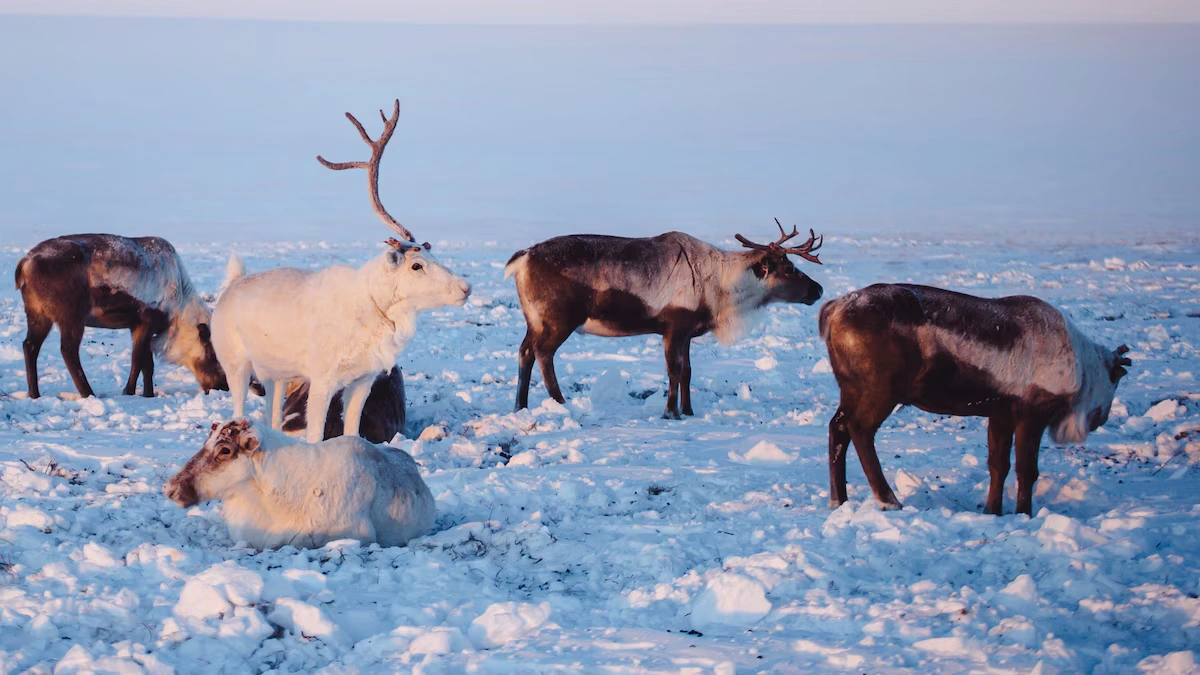
Norway harbors the last remaining populations of wild tundra reindeer (Rangifer tarandus tarandus) in Europe. While semi-domesticated reindeer herds roam across Northern Fennoscandia, Europe’s last truly wild mountain reindeer survive exclusively in the rugged alpine plateaus of Southern Norway. To protect and oversee these unique herds, Norwegian environmental authorities established wild reindeer management areas.
These spatial governance zones unite local landowners, municipal authorities, and state biologists under unified ecological frameworks. Understanding how wild reindeer management areas function reveals why traditional administrative borders fail wildlife conservation and why habitat fragmentation has become the defining crisis of modern Norwegian nature management.
What a Management Area Is?
A wild reindeer management area known locally in Norwegian as a villreinområde is a biologically defined geographical zone crafted around the year-round spatial range of a specific wild reindeer population. Unlike standard administrative divisions such as municipalities (kommuner) or counties (fylker), wild reindeer management areas completely ignore political lines. Instead, boundaries follow high-mountain topography, ridges, tundra plateaus, and seasonal migration routes.
The reasoning behind this boundary setup is purely functional. Wild reindeer are highly migratory ungulates that move across vast distances to navigate harsh arctic seasons. In a single spring or autumn move, a single herd can cross dozens of municipal lines and hundreds of private and public land holdings.
If every municipality managed its slice of mountain range independently, coordinated conservation would collapse. Designing wild reindeer management areas around herd ranges bridges this gap by creating a single regional management plan (regional plan for villrein) and an overarching governance structure for the entire biological range of the herd.
Where the Areas Are?
Norway currently maintains 24 officially designated wild reindeer management areas, all concentrated in the mountain massifs of Southern Norway. Together, these wild reindeer management areas encompass roughly 35,000 square kilometers of alpine terrain. Ongoing population monitoring by the Norwegian Institute for Nature Research (NINA) estimates the total winter population across all areas at approximately 22,000 to 25,000 animals.
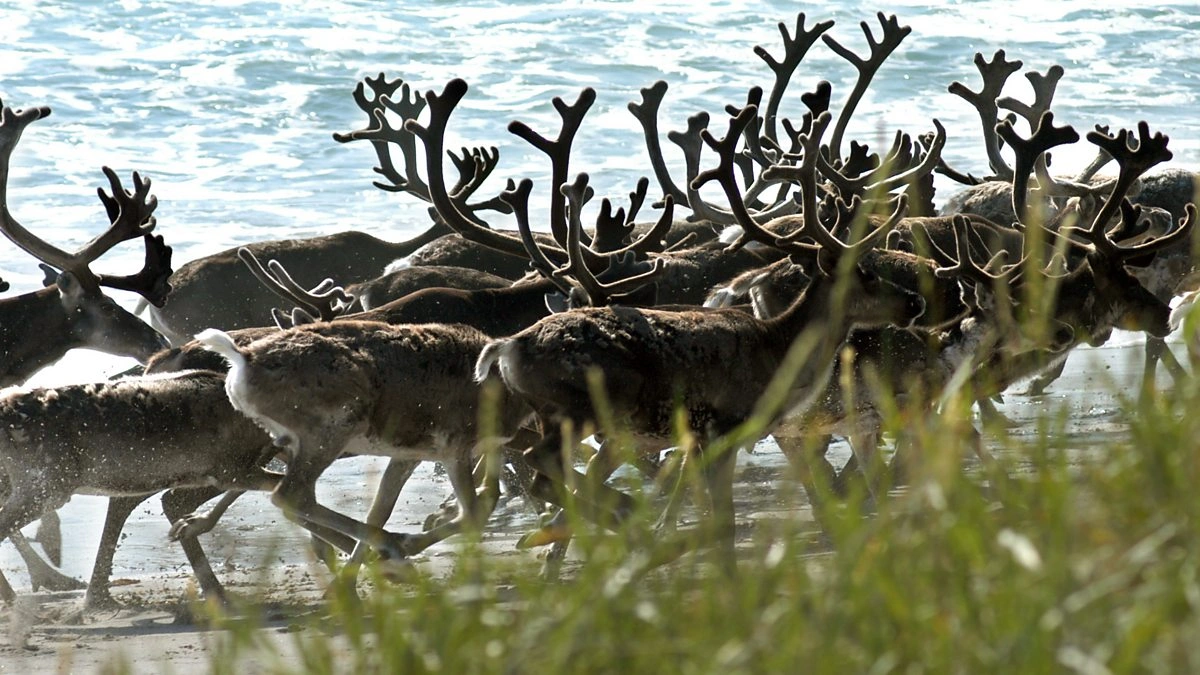
These 24 wild reindeer management areas are typically grouped into distinct geographical regions:
1. Hardangervidda Massive
Hardangervidda is Europe’s largest high-mountain plateau and home to Norway’s largest single villrein herd. Spanning over 8,000 square kilometers, it harbors a winter population of roughly 5,000 to 6,000 wild reindeer.
2. The Southern Massifs
South of Hardangervidda lie Setesdal Ryfylke and Setesdal Austhei. Setesdal Ryfylke forms the southernmost wild reindeer area in the world, maintaining a managed population of around 2,000 to 2,500 animals across vast granite plateaus.
3. The Central & Eastern Ranges
Stretching across the high mountain backbone between East and West Norway are Rondane, Dovrefjell, Sølen, and Knutshø. Dovrefjell and Rondane hold vital historical herds, with Rondane hosting around 2,000 to 3,000 pure wild reindeer descended directly from post-glacial stocks.
4. The Western Fjeld Ranges
Areas such as Reinheimen, Breheimen, Lærdal-Årdal, and Skarvheimen connect the central ranges to western fjord landscapes. Reinheimen holds one of the healthiest wild populations, with autumn counts regularly around 2,000 animals.
How They Are Governed?
Reindeer area governance relies on a balance between local land rights and state wildlife mandates. Because high-mountain land in Norway is a mosaic of state commons (statsallmenning) and private estates, successful governance across wild reindeer management areas requires structured cooperation at multiple administrative levels.
Each of the wild reindeer management areas operates under a regional board that sets overarching population goals and habitat guidelines. Working beneath these regional structures are local management rights committees (villreinutvalg), which represent local landowners, grazing groups, and municipal authorities.
Rather than setting arbitrary policy, these groups work closely with wildlife biologists to translate biological research into enforceable land-use regulations and quota setting.
While the designated zone forms the physical territory, the specific statutory board system governs the regional population strategy. For a comprehensive breakdown of how municipal seats, state appointments, and landowner rights are structured within these bodies, see our dedicated guide on Norwegian wild reindeer board governance.
Why Fragmentation Is the Central Problem?
While wild reindeer populations were historically reduced by heavy hunting, modern science confirms that habitat fragmentation is now the single greatest threat to their survival across wild reindeer management areas.
Over the past century, the buildout of physical infrastructure has steadily sliced Norway’s continuous tundra ranges into isolated islands. High-speed mountain highways, railways (such as the Bergensbanen), hydro-electric reservoirs, power lines, and dense cabin (hytte) developments have placed barriers across ancient herd pathways.
The Impact of Physical & Behavioral Barriers
-
Interrupted Migration Corridors: Reindeer rely on seasonal shifts between winter lichen pastures in the drier eastern ranges and lush summer grazing fields in the western fjords. When a highway or cabin village severs migration corridors, animals lose access to critical feeding grounds.
-
Avoidance Zones: Wild reindeer are hyper-sensitive to human presence. GPS-tracking research shows that herds actively avoid areas within 2 to 5 kilometers of roads, power lines, and active cabin trails. This behavioral avoidance renders vast stretches of remaining wilderness functionally useless to the herd.
-
Genetic Isolation: As historic ranges fragment into 24 isolated pockets, small herds lose the ability to interbreed. Over time, restricted habitat fragmentation prevents gene flow, compromising immune systems and reducing overall resilience against environmental changes.
This severe habitat degradation is not unique to reindeer; human encroachment continues to alter wildlife balances across all Norwegian ecosystems, as explored in our piece on moose population dynamics and habitat pressures.
What Is Being Done About It?
Recognizing the severity of the crisis, the Norwegian government formally designated wild reindeer as a species of national responsibility and established strict environmental quality norms (Kvalitetsnorm for villrein) for all 24 wild reindeer management areas. Under this monitoring system, these spatial zones are evaluated based on herd health, harvest rates, and habitat connectivity.
Restoration efforts are actively underway across several critical sectors:
-
Corridor Restoration: Authorities are experimenting with wild bridges, underpasses, and seasonal road closures during critical migration windows.
-
Cabin Construction Restrictions: National planning guidelines now severely restrict new hytte construction inside designated wild reindeer buffer zones.
-
Infrastructure Reconversion: In historic test cases, such as the Hjerkinn firing range in Dovrefjell, massive military sites have been decommissioned, dismantled, and fully rewilded to re-establish broken migration routes.
Despite these initiatives, balancing local economic interests, tourism demands, and energy development against long-term ecological restoration remains an ongoing challenge for environmental authorities.
Hunting Inside the Areas
Hunting plays a vital role in modern wild reindeer management areas. In the absence of natural apex predators like wolves and lynx across most alpine plateaus, human hunting acts as the primary control mechanism for keeping population sizes aligned with winter lichen carrying capacities.
Quota setting inside an area is directly tied to winter population counts, calf survival metrics, and jawbone data collected from previous harvests. Permits are allocated to private and public landowners, who then issue licenses to local and guest hunters.
Unlike moose or red deer hunting, wild reindeer hunting takes place in open tundra. This requires hunters to trek miles into the mountains, spot herds across vast valleys, and navigate challenging wind conditions.
Disease and Recent History
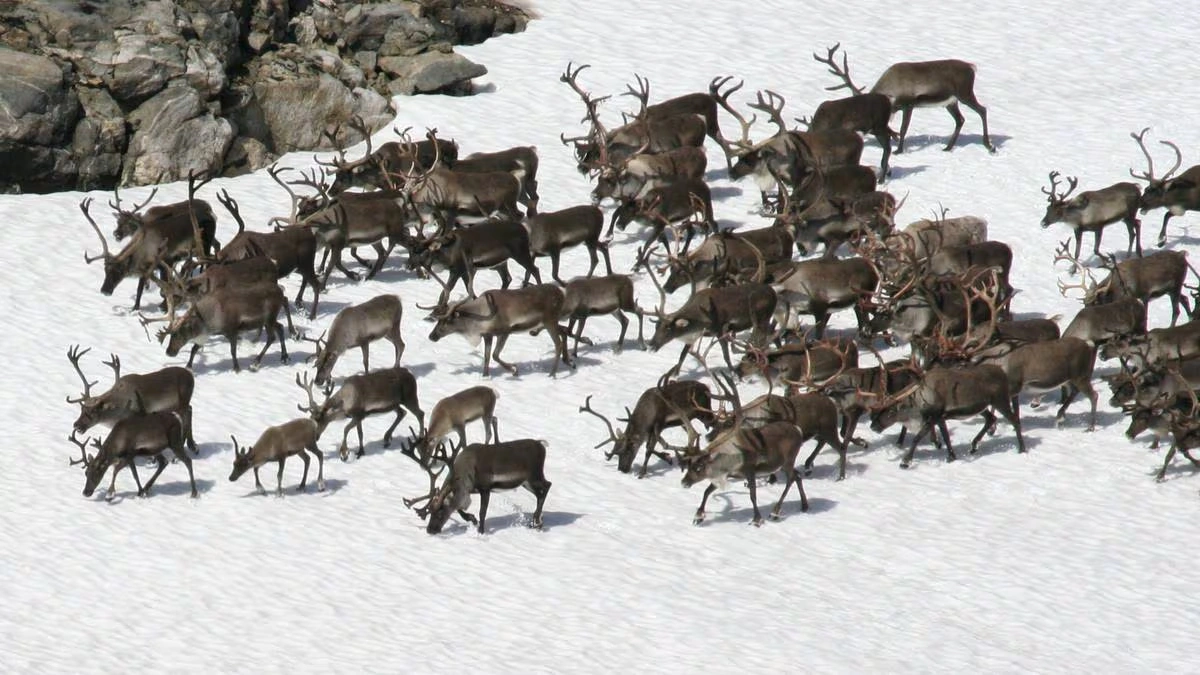
In recent years, health crises have drastically altered the management landscape across several key wild reindeer management areas. The most severe incident occurred in 2016, when Chronic Wasting Disease (CWD)—a fatal neurological prion disease—was detected in the Nordfjella management area (Zone 1).
To prevent the incurable disease from spreading into neighboring herds on Hardangervidda and across the rest of Southern Norway, authorities took unprecedented action:
-
The Nordfjella Cull: The entire population of roughly 2,000 wild reindeer in Nordfjella Zone 1 was eradicated by professional state marksmen and hunters by early 2018.
-
Fallow Period & Quarantines: The area was put into a strict multi-year fallow period to allow prions in the environment to decay before any future reintroduction.
A similar disease-driven intervention occurred in the Hardangervidda area following isolated CWD detections. Herd populations were deliberately reduced through targeted harvesting to limit contact rates and control potential transmission.
For a detailed analysis of these health emergencies and their lasting biological impacts, read our backgrounders on the Nordfjella CWD outbreak and eradication strategy and the national monitoring program for Norwegian wildlife diseases.
The Working Definition to Remember
A wild reindeer management area (villreinområde) is a specialized ecological management zone defined by the natural year-round range and migration paths of a wild reindeer herd, rather than by municipal or political boundaries.
Frequently Asked Questions
What is a wild reindeer management area?
A wild reindeer management area (villreinområde) is a designated geographical zone encompassing the full biological year-round range and migration paths of a specific wild reindeer population in Norway, managed as a single ecological unit across municipal borders.
How many wild reindeer management areas are there in Norway?
There are currently 24 officially recognized wild reindeer management areas in Norway, all situated across the alpine tundra massifs of Southern Norway.
Who governs wild reindeer management areas?
They are governed through a collaborative structure involving regional boards (villreinnemnd), local management committees representing landowners and municipalities (villreinutvalg), and overarching scientific and regulatory oversight from the Norwegian Environment Agency (Miljødirektoratet).
Why is habitat fragmentation a major problem for wild reindeer?
Infrastructure like roads, railways, power lines, and cabin developments severs migration corridors and creates large avoidance zones. This isolates herds, prevents them from accessing critical seasonal pastures, and reduces genetic diversity.
Can you hunt wild reindeer in Norway?
Yes, regulated wild reindeer hunting is permitted and serves as a key management tool to keep population levels balanced with available winter grazing pastures. Quotas are determined annually based on biological population monitoring.
Does Norway have the last wild reindeer in Europe?
Yes, while semi-domesticated reindeer exist across Northern Scandinavia, Norway holds the very last remaining populations of truly wild mountain tundra reindeer in Europe.
