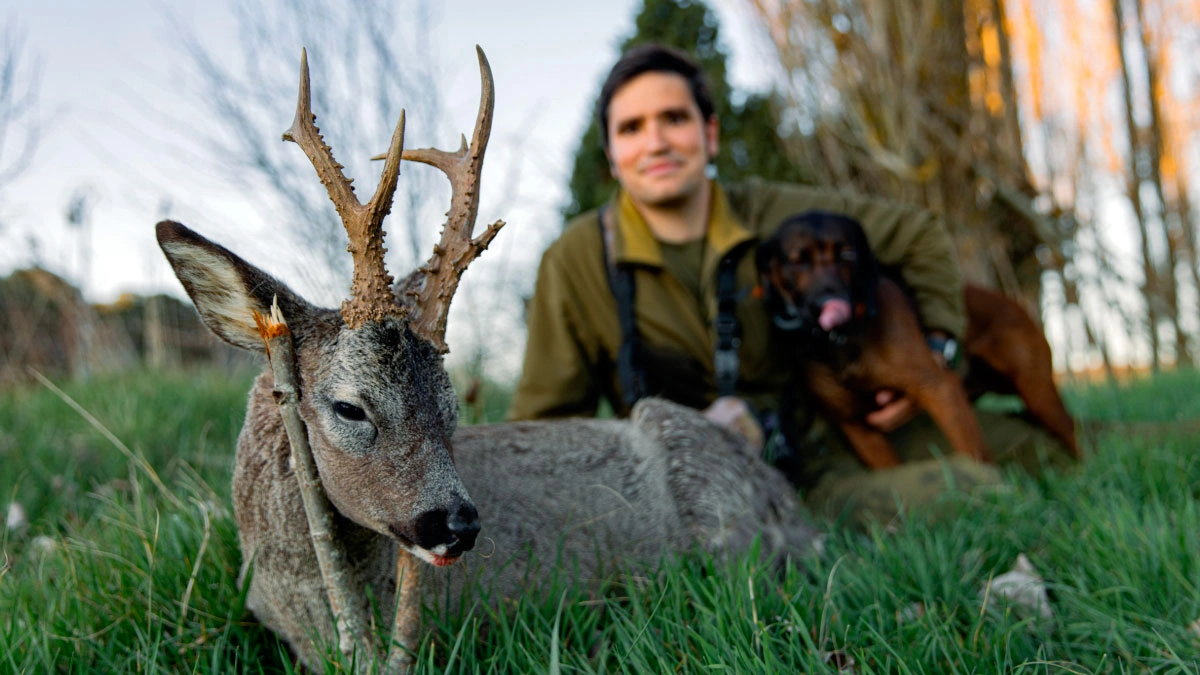
When leasing hunting land in Norway, navigating specific contractual challenges is crucial because small, informal agreements dominate the market. Understanding the nuances of leasing hunting land in Norway requires looking beyond handshake deals to formal agreements that protect both parties. Whether you are leasing hunting land for a single season or entering a long-term agreement, a proper jaktleie kontrakt (hunting lease agreement) defines not just the price, but exact boundary lines, guest privileges, quota adjustments, and termination rights.
When leasing hunting land, things rarely start with a dramatic breach of contract. It usually begins three seasons in, when a landowner casually mentions that his nephew will be joining the opening weekend, or when the local municipality cuts the moose quota by half and the tenant expects a reduced rate. The document both parties signed was a single page, written over coffee, that said simply: “The hunting rights on farm 42/1 are leased to Jon for NOK 20,000 per year.”
This guide walks through every standard clause, outlines typical price structures, and details the four critical omissions that trigger almost every lease dispute in Norway.
What a Lease Actually Transfers?
When leasing hunting land, the agreement transfers a specific, temporary right to harvest specified game species on a defined parcel of land during official hunting seasons. Leasing hunting land does not transfer property ownership, forestry rights, general access control, or fishing rights unless explicitly written into the contract.
Under Norwegian law, hunting rights (jaktretten) are inextricably tied to land ownership. A property owner cannot permanently sever hunting rights from the land title, but they can transfer those rights to third parties through a contract—known locally as a jaktleie kontrakt or hunting lease agreement.
Included when leasing hunting land under a standard contract:
-
Right to hunt specified species
-
Access to designated terrain
-
Use of named cabins or tracks
Excluded when leasing hunting land unless explicitly specified:
-
General land or forest access
-
Fishing rights
-
Timber or firewood harvesting
-
Unrestricted guest access
The lease establishes a temporary commercial relationship. The tenant receives a contractual license to hunt, while the landowner retains underlying control of the real estate and all non-hunting land use.
What the Price Depends On?
The cost of leasing hunting land in Norway varies dramatically based on region, target species, terrain accessibility, and exclusive rights. Anyone leasing hunting land will find that because there is no centralized official price index, lease rates are largely determined by historical precedents specifically, what the previous tenant was willing to pay.
Estimated Annual Lease Ranges:
-
Small Game (Grouse): 10,000 to 45,000 NOK annually. Primary cost drivers include overall acreage, dog usage rules, and terrain quality.
-
Deer or Moose (Quota): 15,000 to 80,000+ NOK annually. Primary cost drivers include felling fees (fellingavgift) and price per kilogram of slaughtered meat weight (slaktevekt).
-
Roe Deer (Exclusive): 5,000 to 20,000 NOK annually. Primary cost drivers include proximity to urban areas and road access.
Primary factors influencing value when leasing hunting land include:
-
Acreage and Terrain Quality: Expansive, contiguous forest or mountain terrain commands higher rates than fragmented agricultural parcels.
-
Species and Quota Allocation: Contracts involving big game (elg, hjort) are often priced per animal on the quota or per kilogram of slaughtered meat weight, whereas small game (rype, skogsfugl) leases are usually flat annual fees.
-
Cabins and Infrastructure: Included access to a hunting lodge, ATV tracks, or cold storage facilities adds significant value.
-
Exclusivity: A fully exclusive contract for leasing hunting land costs substantially more than a shared permit model where the landowner sells additional day passes to the public.
The Clauses, One by One
A comprehensive contract for leasing hunting land should explicitly cover eleven core elements. Omitting or generalizing any of these sections creates contractual ambiguity.
-
Parties: Full names, personal identification numbers (fødselsnummer or organization numbers), and legal addresses of both tenant and landowner.
-
Property Description and Map Reference: The property must be identified by its official municipality (kommune), farm number (gårdsnummer – gnr.), and sub-farm number (bruksnummer – bnr.). Relying on verbal descriptions like “the forest north of the ridge” is the single most common cause of boundary disputes. Always attach an official property map (eiendomskart) from Kartverket with highlighted borders.
-
Target Species and Quotas: Specifies whether the contract covers all legal game, big game only, or small game only.
-
Duration and Renewal Terms: Defines exact start and end dates, along with written notice deadlines for renewal or non-renewal.
-
Price and Payment Schedule: Sets the total fee, due date, bank account details, and whether price adjustments are indexed to inflation (konsumprisindeksen).
-
Exclusivity: Clarifies whether the tenant holds sole hunting rights or if the landowner retains usage rights or sells secondary permits.
-
Guest and Subletting Rights: Details whether guests are permitted, maximum allowed guest days, and whether subletting (fremleie) is strictly prohibited.
-
Dogs and Equipment Use: Specifies rules regarding hunting dog training, off-leash dates, vehicle usage on private forest roads, and construction of temporary high seats or blinds.
-
Cabin and Facility Access: Clarifies access to outbuildings, firewood usage, cleaning obligations, and key handovers.
-
Reporting Duties: Outlines obligations for logging harvested game, submitting biological samples, and reporting injured animals.
-
Termination and Default: Defines conditions for immediate cancellation, such as game law violations or non-payment.
Omission One: Who Else May Hunt?
The most frequent friction point when leasing hunting land under informal agreements is unexpected hunter presence. Tenants often assume that paying a fee grants total privacy on the property.
Unless explicitly prohibited in the contract, landowners may believe they retain the right to hunt their own property alongside the tenant, or to invite family members during peak weekends.
Exclusivity & Guest Access Breakdown:
-
Full Exclusive Lease: Landowner cannot hunt, guests allowed within set cap, no public permits sold.
-
Shared Tenant Lease: Landowner retains right to hunt, guests not allowed, no public permits sold.
-
Commercial License Lease: Landowner retains right to hunt, guests allowed, public day permits sold.
A robust contract must answer three explicit questions:
-
Does the landowner retain the right to hunt game on the property during the lease term?
-
Are named guests (gjestejegere) permitted, and must they be accompanied by the primary tenant at all times?
-
Is there a cap on the maximum number of weapons in the field simultaneously?
Omission Two: What Happens to the Quota?
For big game hunting (elg, hjort, rådyr), harvesting is strictly governed by local government allocations. A landowner leases the right to harvest, but the actual quota is issued by the local municipality or a unified management area (vald).
Disputes arise when municipal quotas fluctuate mid-lease. If a contract charges a flat 50,000 NOK annually for moose hunting based on an expected quota of four animals, but the municipality reduces the quota to two animals due to population declines, who absorbs the financial loss?
Furthermore, the legal reporting duty (rapporteringsplikt) follows the permit holder. Tenants frequently assume the landowner handles government harvest logging, while landowners assume the tenant does it. Contracts must specify that the tenant must submit mandatory harvest reports to the landowner within 24 hours of a harvest so the data can be logged into national databases like Hjorteviltregisteret.
Omission Three: Duration, Renewal, and Improvements
Short-term single-season arrangements when leasing hunting land discourage tenants from investing time in terrain management, track maintenance, or predator control. Conversely, multi-year leases risk locking landowners into outdated price structures.
A standard practical compromise is a rolling three-to-five-year agreement with an annual inflation-adjustment clause.
Key Risks in Multi-Year Leases:
-
Landowner Risks: Underpriced market rates over time, unmanaged property damage, or unresponsive long-term tenants.
-
Tenant Risks: Unexpected lease non-renewal, uncompensated stand construction, or abrupt loss of hunting terrain.
Another overlooked issue when leasing hunting land is tenant-built infrastructure. If a tenant erects expensive hunting blinds (skytetårn), clears shooting lanes, or repairs access roads, what happens to those improvements when the lease ends? The contract must state whether tenant-built structures must be removed upon departure or if they revert to landowner ownership without financial compensation.
Omission Four: Termination and Property Sale
Unforeseen property transfers represent a major legal trap for tenants leasing hunting land under informal agreements.
Under Norwegian property law (avhendingslova and general lease standards), if a farm or forest property is sold, existing unrecorded lease agreements may not automatically bind the new owner unless explicitly protected.
Effect of Land Sale on Leases:
-
Informal / Verbal Agreement: Unprotected against new owners; easily cancelled upon sale.
-
Written Agreement (Unregistered): Valid against buyer if the buyer was explicitly aware of the contract prior to purchase.
-
Written & Registered Agreement (Tinglyst): Fully protected against all buyers as a registered encumbrance on the land title.
To protect a long-term or high-value arrangement when leasing hunting land in Norway against land sales, the tenant should ensure the contract contains a clause binding future property owners. For expensive long-term leases, registering the agreement against the property title (tinglysing) at Kartverket provides maximum legal protection.
Contracts should also detail specific notice periods for ordinary termination (typically 3 to 6 months prior to the start of the hunting year on April 1st) and immediate termination conditions for material breach, such as wild game law violations.
What the Tenant Still Has to Have?
A valid lease agreement provides land access, but it does not grant legal authorization to hunt. Individual hunters leasing hunting land must independently fulfill all statutory personal qualifications required by Norwegian authorities before stepping onto the terrain.
Tenant Qualification Requirements:
-
Jegerregisteret: Active registration in the official National Hunter Register database.
-
Jegeravgift: Paid annual government hunting fee receipt.
-
Shooting Test: Passed annual rifle marksmanship test (skyteprøve) for big game hunters.
-
Season Dates: Strict compliance with national and local hunting season dates.
-
Weapon Requirements: Valid firearm license matching legal caliber standards for target species.
Every hunter on the lease must maintain active registration in the official national hunter database, the jegerregisteret register system. Before hunting, the annual government hunting fee—the jegeravgift annual payment—must be paid to the state.
Hunters using rifles for big game must also pass the annual shooting test and comply with all statutory weapon requirements for big game hunting. Finally, all harvesting activities must adhere strictly to official hunting season dates and calendars.
Before You Sign: Contract Verification Checklist
Use this practical checklist to audit any agreement before leasing hunting land in Norway:
-
Map Check: Is an official map attached with property borders (gnr./bnr.) clearly highlighted?
-
Exclusivity Confirmation: Does the text explicitly state whether the landowner or third parties may hunt?
-
Quota Adjustment Formula: Is there a clear price recalculation rule if municipal quotas increase or decrease?
-
Guest & Dog Rules: Are guest numbers, dog training dates, and leash law exceptions clearly defined?
-
Infrastructure & Maintenance: Who owns newly constructed high seats, and who maintains access roads and cabins?
-
Reporting Responsibility: Who logs harvests in Hjorteviltregisteret, and what is the reporting deadline?
-
Sale & Termination Clause: Is the lease binding on future landowners, and what is the written notice deadline?
The Read
The traditional informality of Norwegian hunting leases reflects a culture of mutual trust in rural communities. However, as demand increases for leasing hunting land and land ownership transitions to new generations, relying on verbal handshakes frequently leads to preventable disputes.
A clear, detailed written contract does not signal distrust; it protects the personal relationship between landowner and tenant by establishing unambiguous expectations from day one.
Before signing the agreement on the table for leasing hunting land, carefully check the boundary map reference and the quota adjustment clause getting those two details right resolves the vast majority of potential lease disputes before the season begins.
Frequently Asked Questions
What should a Norwegian hunting lease include?
A Norwegian hunting lease should include the full legal names of both parties, exact municipality and farm map references (gnr./bnr.), target species and quotas, lease duration, payment terms, exclusivity rights, guest rules, infrastructure terms, reporting obligations, and termination conditions.
How much does it cost to lease hunting land?
Costs vary widely depending on location, target species, terrain size, and exclusivity. Small game leases typically range from 10,000 to 45,000 NOK annually, while big game leases for deer or moose range from 15,000 to over 80,000 NOK depending on quota size and meat weight calculations.
Can the landowner still hunt their own land?
Yes, a landowner can still hunt their own land unless the lease agreement explicitly grants full exclusivity to the tenant. If exclusivity is not stated, the contract should specify how harvesting rights and quota shares are divided between the owner and tenant.
Who applies for the quota on leased land?
The landowner or the local management area (vald) applies for and holds the big game quota issued by the municipality. The lease contract grants the tenant the right to harvest that quota, but legal reporting duties must be fulfilled so the permit holder can submit official harvest logs.
