Key Takeaways
- A Viltnemndas oppgaveris a possible municipal way of organising wildlife management.
- The municipality, rather than the name “viltnemnd,” is central to local legal responsibility.
- Duties can include hunting management, wildlife populations, hunting areas and injured large game.
- Responsibilities vary between municipalities.
- Viltloven was replaced by Viltressursloven on 1 July 2026.
- Old references to Viltloven § 4 and § 6 should therefore be read in their historical context.
- Local wildlife questions should be checked with the relevant municipality and current regulations.
Quick Answer
The main responsibilities connected with a local viltnemnd or municipal wildlife administration can include wildlife management, hunting administration, management of huntable species, approval of hunting areas, allocation of hunting licences, wildlife damage cases, fallen and injured game, population management and advice on wildlife matters.
Nevertheless, the exact duties of a named viltnemnd depend on how its municipality has organised the work. Some municipalities have a political viltnemnd, while others handle wildlife matters through another municipal committee or administrative department.
What Is a Viltnemnd?
A viltnemnd is a local municipal body involved in wildlife management. Historically, viltnemnder handled wildlife-management tasks at the municipal level, but responsibility was transferred to municipalities in 1993.
Consequently, municipalities were given flexibility in deciding how these responsibilities should be organised. Some kept a separate political committee, while others placed the work within their ordinary municipal administration.
This means that asking “What does a viltnemnd do?” does not always have one identical answer throughout Norway.
In one municipality, the body may deal directly with hunting and wildlife decisions. In another, a land-use, agriculture or environmental department may perform the same functions.
Is a Viltnemnd Mandatory?
No. The important legal responsibility belongs to the municipality, not necessarily to a committee carrying the specific name “viltnemnd.”
For example, Åseral municipality states that it has responsibility for wildlife management but does not have its own viltnemnd.
Therefore, residents should check their own municipality’s organisation chart before assuming that a separate viltnemnd exists.
What Does the Law Say?
The old Viltloven § 4
Many searches still refer to viltloven § 4. Under the former law, the wildlife-management authorities included the ministry, directorate, Statsforvalteren, county authority and municipality.
The old provision also stated that decisions made by a municipality could be appealed to Statsforvalteren under the applicable administrative-law rules.
However, this is now mainly a historical reference because the old Viltloven was replaced on 1 July 2026.
The old Viltloven § 6
The former viltloven § 6 provided a general duty for wildlife authorities to promote the purpose of the legislation and provide assistance, advice and guidance to authorities, organisations, businesses and individuals in wildlife-management matters.
This explains why many older pages still describe municipal wildlife work using the terms viltloven § 4 and viltloven § 6.
The Current Viltressursloven
As of August 2026, the relevant framework is the viltressursloven, which came into force on 1 July 2026 and replaced the 1981 Viltloven.
Its § 7 states that the county authority and municipality shall work to promote the purpose of the law and provide advice and guidance in wildlife-management matters. It also establishes Statsforvalteren as the appeal body for certain municipal individual decisions.
The Norwegian government explains that the new legislation largely continues existing law while clarifying and updating the regulatory framework.
The Main Responsibilities of a Viltnemnd
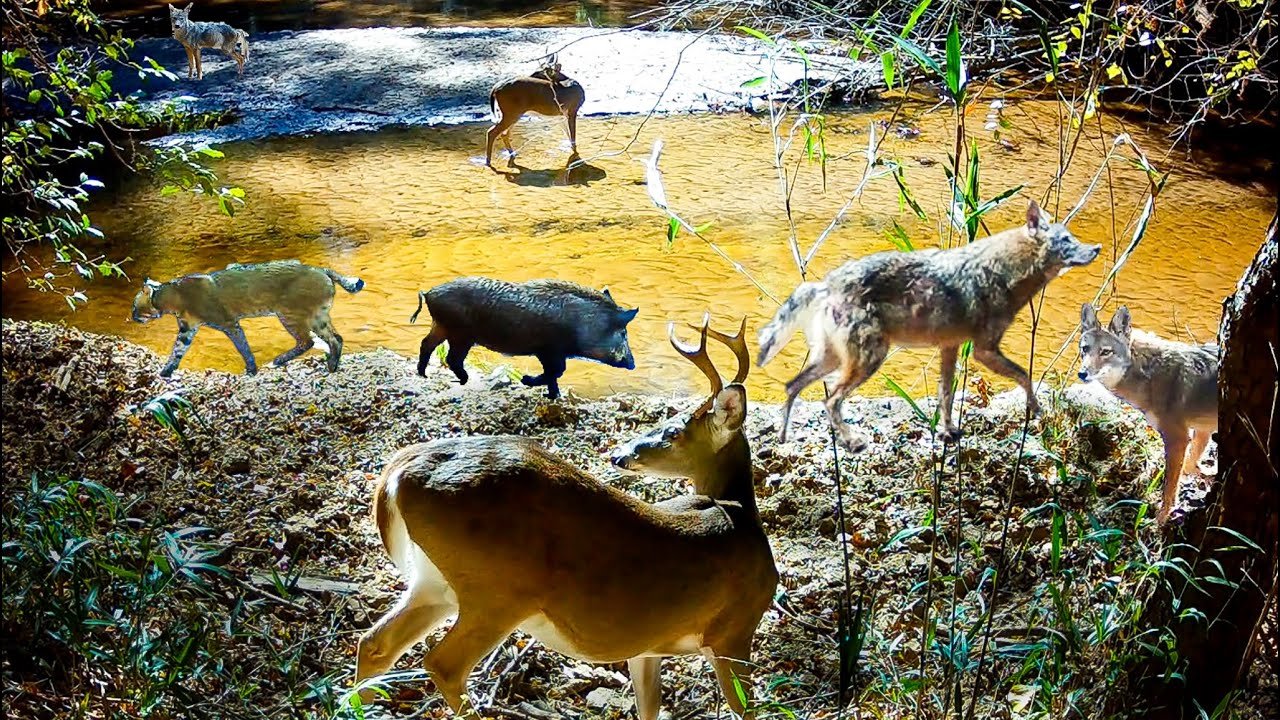
1. Managing c
One of the most important areas is the management of huntable wildlife.
In practice, municipal wildlife administration can be involved in managing species such as moose, red deer and roe deer, depending on local conditions and applicable regulations.
The goal is not simply to increase or reduce animal numbers. Instead, management aims to balance healthy wildlife populations, available habitat, hunting interests, agriculture, traffic safety and other community interests.
2. Setting Local Wildlife Management Goals
Municipalities can establish goals for the management of certain wildlife populations.
For example, the municipality may consider population development, damage to agriculture, traffic accidents, browsing pressure and available habitat when deciding how wildlife should be managed.
The Norwegian Association of Hunters and Anglers describes municipal responsibilities in deer management as including management goals, minimum areas, approval of hunting areas and management plans, as well as allocation of hunting licences for moose, red deer and roe deer.
3. Hunting Areas and Vald
A vald is an approved hunting area.
Municipal wildlife administration can be responsible for approving hunting areas and ensuring that applications meet the applicable requirements.
This is important because hunting management needs a clear connection between land areas, hunting rights and wildlife populations.
For example, municipal wildlife authorities may assess whether an area is suitable for the relevant form of hunting before approving it.
4. Hunting Licences and Quotas
Another major responsibility is allocating hunting opportunities for relevant huntable species.
For deer management, municipalities can allocate felling permissions according to applicable rules and local management arrangements.
The exact process depends on the species, hunting area, management plan and current regulations. Therefore, a viltnemnd does not simply decide an arbitrary number of animals that hunters may take.
Instead, decisions are connected to wildlife-management objectives and the legal framework.
5. Bestandsplaner and Population Management
A bestandsplan is a population management plan.
These plans can help landowners and hunting organisations manage wildlife over several years rather than treating every hunting season as an isolated event.
As a result, population trends can be considered over time. This approach can support more predictable and sustainable wildlife management.
6. Minimum Area
Minimum-area rules can determine how much land is needed for approval of a hunting area and allocation of felling permissions.
These rules are particularly important in deer management.
For instance, a municipality may establish different minimum areas for moose, red deer and roe deer based on local wildlife conditions. Current local regulations can therefore vary considerably between municipalities.
7. Injured, Sick and Fallen Game
Wildlife management is not limited to hunting administration.
Municipalities also have important responsibilities concerning injured and sick large game, including situations involving animals hit by vehicles.
This can involve organising searches, dealing with injured wildlife and recording or reporting relevant incidents.
Ås municipality, for example, describes municipal responsibility for searches and handling of injured or vehicle-hit large game such as moose, roe deer and red deer.
This work is especially important for both animal welfare and road safety.
8. Damage Caused by Wildlife
Wildlife can sometimes cause problems for agriculture, gardens, roads, buildings or other interests.
Municipal wildlife authorities may therefore become involved in cases concerning wildlife that causes damage or creates significant problems.
Depending on the species and circumstances, different rules can apply to ordinary hunting, damage prevention and special permission for removal or felling.
For that reason, residents should not assume that they can independently remove an animal simply because it is causing a problem.
9. Advice and Guidance
A wildlife or municipal wildlife department can also provide information to hunters, landowners, residents and organisations.
The legal framework specifically includes advice and guidance as part of the responsibilities of wildlife authorities.
This can include questions about hunting administration, wildlife populations, injured animals, hunting areas and relevant applications.
10. Wildlife in Local Planning
Wildlife can also become relevant when municipalities plan roads, housing, infrastructure and other development.
Consequently, wildlife considerations may need to be included in local planning and project decisions.
This is especially relevant where development affects important habitats or increases the risk of wildlife conflicts.
Viltnemnd vs Municipality: What Is the Difference?
The easiest way to understand the system is to separate legal responsibility from organisational structure.
| Area | Municipality | Viltnemnd |
|---|---|---|
| Legal responsibility | Yes | Only where delegated/organised this way |
| Wildlife administration | Yes | May perform it |
| Hunting management | Yes | May handle relevant decisions |
| Injured large game | Yes | May be involved |
| Hunting areas | Yes | May process or decide |
| Population management | Yes | May advise or decide |
| Advice and guidance | Yes | Often provides it |
| Separate body required | No | No |
Therefore, the municipality is the key legal entity. A viltnemnd is one possible way of organising municipal wildlife work.
What a Viltnemnd Does Not Automatically Control
It is equally important to understand what does not automatically belong to a local viltnemnd.
A municipal viltnemnd does not control every wildlife issue in Norway. National authorities, regional authorities and other bodies have different responsibilities.
For example, national wildlife policy, legislation and many regional responsibilities remain outside the ordinary municipal viltnemnd.
Likewise, villreinnemnder are separate public bodies connected specifically with wild reindeer management. They should not be confused with an ordinary municipal viltnemnd.
Who Has Responsibility for What?
Norwegian wildlife management works through several levels.
| Authority | General role |
| National government | Legislation and national policy |
| Directorate | National wildlife administration and guidance |
| Statsforvalteren | Regional state administration and appeals in relevant cases |
| County authority | Regional responsibilities for huntable wildlife |
| Municipality | Local wildlife management and administration |
| Viltnemnd | Possible municipal organisational body |
The exact allocation depends on the species and the specific legal provision.
The new Viltressursloven also allows regulations to place particular tasks with municipalities or county authorities.
What Changed in 2026?
The biggest recent change is the replacement of the Viltloven with the Viltressursloven on 1 July 2026.
This is important for anyone researching terms such as “viltloven paragraf 4” or “viltloven paragraf 6.” Those searches still lead to useful historical material, but they should not be treated as the complete current legal position.
The government says the new legislation largely continues existing law while updating and clarifying wildlife-management rules. Several regulations were also changed when the new law entered into force.
There are also transition rules. Certain existing administrative decisions made under the old Viltloven can continue after the new law takes effect, depending on their duration and legal basis.
Common Mistakes About Viltnemndas Oppgaver
Mistake 1: Assuming every municipality has a viltnemnd
This is not correct. Municipalities can organise wildlife administration differently.
Mistake 2: Treating the old Viltloven as current law
The Viltloven was replaced on 1 July 2026. Current information should therefore be checked against the Viltressursloven and updated regulations.
Mistake 3: Thinking the viltnemnd handles every wildlife species
Responsibilities vary according to species, legislation, and administrative level.
Mistake 4: Confusing a viltnemnd with a villreinnemnd
They are not the same type of body and do not have identical responsibilities.
Mistake 5: Assuming a wildlife problem automatically permits hunting
Damage or nuisance does not by itself mean that someone can legally remove an animal. The applicable rules and permissions must be checked first.
A Simple Checklist
-
Check whether your municipality has a separate viltnemnd.
-
Find the municipality’s wildlife-management department or contact point.
-
Check the current Viltressursloven rather than relying only on old Viltloven pages.
-
Check local regulations for hunting and minimum areas.
-
Contact the municipality about injured or vehicle-hit large game.
-
Check whether a matter belongs to the municipality, county authority, or another wildlife authority.
-
Confirm any required permission before taking action against wildlife.
Frequently Asked Questions
What are the main tasks of a viltnemnd?
The tasks can include local wildlife management, hunting administration, management of huntable wildlife, hunting-area approval, population planning, wildlife damage cases, injured large game, and advice.
Is a viltnemnd mandatory in every Norwegian municipality?
No. Municipalities are responsible for relevant local wildlife-management duties, but they do not all need to organise those duties through a separate body called a viltnemnd.
What did Viltloven § 4 cover?
The former § 4 identified the wildlife-management authorities, including the municipality. The provision is now mainly of historical relevance because Viltloven was replaced on 1 July 2026.
What did Viltloven § 6 cover?
Former § 6 established a general responsibility for wildlife authorities to promote the law’s purpose and provide assistance, advice, and guidance in wildlife-management matters.
What law applies now?
As of August 2026, the Viltressursloven is the main current law governing hunting, capture and killing of wildlife and related management matters. It entered into force on 1 July 2026.
Who should I contact about injured large game?
The municipality is normally an important contact point for injured or vehicle-hit large game and for local search and follow-up arrangements. Local procedures can differ, so the relevant municipality should be contacted.
Reliable Sources for Viltnemnd and Wildlife Management
For current legal information, Lovdata is the most useful place to check the Viltressursloven and applicable regulations.
Lovdata – Viltressursloven
For government-level information about the change from Viltloven to Viltressursloven, Regjeringen.no provides official explanations and updates.
Regjeringen.no – Viltressursloven trer i kraft 1. juli 2026
For practical information about hunting and wildlife administration, Landbruksdirektoratet and relevant municipal websites are also useful sources.
Conclusion
Viltnemndas oppgaver are best understood as part of Norway’s wider kommunal viltforvaltning.
The municipality carries the central local responsibility, while a separate viltnemnd may be used to organise and manage parts of that work. Depending on the municipality, responsibilities can include hunting administration, huntable wildlife, hunting areas, population plans, felling permissions, injured large game, wildlife damage and public guidance.
Most importantly, anyone researching the subject should be aware of the legal change that took effect on 1 July 2026. The old Viltloven, including references to § 4 and § 6, has been replaced by the Viltressursloven. The new law largely continues the existing structure but provides an updated legal framework for wildlife management in Norway.
