Key Takeaways
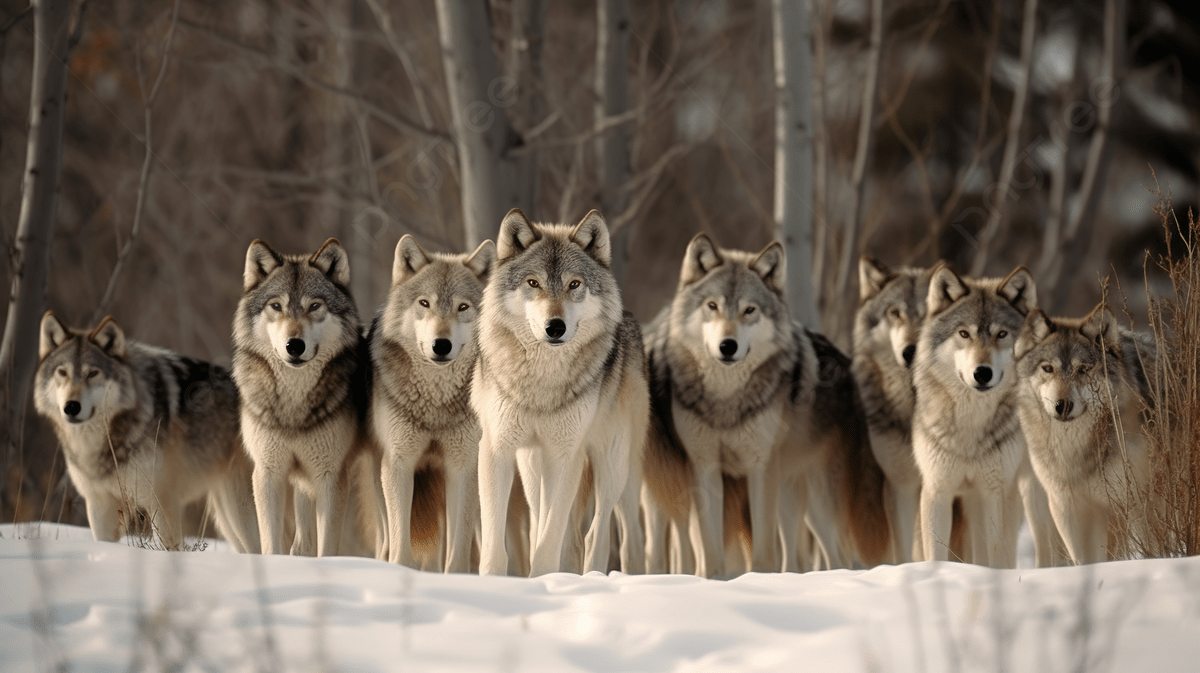
- Are there wolves in Norway? Yes, and they live mainly in southeastern Norway.
- The latest winter monitoring documented 55–58 wolves in Norway.
- Norway and Sweden share a connected Scandinavian wolf population.
- Norway has a designated wolf management zone.
- The national target is 4–6 annual wolf litters, with at least three fully Norwegian.
- Wolves can travel far outside the wolf zone.
- Inbreeding is a major concern because the Scandinavian population is genetically isolated.
- Finnish-Russian immigrant wolves can be especially valuable because they may improve genetic diversity.
- Wolf management includes licensed hunting and damage control under strict conditions.
- Farmers and conservationists often disagree over the appropriate population size and geographical range.
- Norway’s wolf policy has also faced criticism under the Bern Convention.
Quick Answer: Are There Wolves in Norway?
Yes, there are wolves in Norway.
Most Norwegian wolves live in southeastern Norway, particularly in areas close to Sweden. During the 2025–2026 monitoring season, 55–58 wolves were documented in Norway, including wolves whose territories cross the Norwegian-Swedish border.
Norway does not have a large wolf population spread across the country. Instead, the government uses a designated wolf zone where wolf breeding is given priority.
Wolves can also travel far beyond this area. Therefore, a wolf can occasionally appear in another part of Norway, including areas where permanent wolf territories are not wanted.
Where Do Wolves Live in Norway?
If you are wondering whether there are wolves in Norway and where they live, the answer is mainly in the southeast.
Norwegian authorities identify the principal wolf range as southeastern Norway, including parts of Innlandet, Oslo and the areas historically known as Viken. Individual wolves can travel much farther, however.
The Norwegian-Swedish border is especially important because the Scandinavian wolf population does not follow political boundaries.
Main Wolf Areas in Norway
| Area | Wolf presence | Importance |
|---|---|---|
| Innlandet | High | Important wolf territory |
| Østfold | High | Several territories near Sweden |
| Oslo region | Occasional/local | Wolves can occur in forest areas |
| Akershus | Possible | Partly connected to the wolf zone |
| Border with Sweden | Important | Shared territories occur here |
| Northern Norway | Very rare | Occasional wandering animals |
| Western Norway | Rare | Mainly dispersing individuals |
So, are there wolves in Norway outside the southeast? Occasionally, yes.
A striking example came in June 2026, when a wolf from the Finnish-Russian population was detected in Oppdal in Trøndelag. Norwegian authorities considered the animal genetically valuable because new eastern genes could help reduce inbreeding in the Scandinavian population.
How Many Wolves Are There in Norway?
This is one of the most important questions behind are there wolves in Norway.
The exact number changes because wolves move between Norway and Sweden, young animals disperse, and monitoring cannot simply count every wolf at the same moment.
For winter 2025–2026, official Norwegian monitoring documented 55–58 wolves in Norway. A DNA-based open capture-recapture model estimated approximately 55 wolves, with a 95% confidence interval of 48–65.
Rovdata also reported that the wider Scandinavian population was estimated at roughly 390 wolves using one population calculation, while another DNA-based model estimated about 425 wolves.
Norway’s Wolf Population at a Glance
| Measure | Latest figure |
| Wolves documented in Norway | 55–58 |
| DNA-based estimate for Norway | About 55 |
| Scandinavian population estimate | About 390–425 |
| Monitoring season | October 1–March 31 |
| Norwegian annual breeding target | 4–6 litters |
| Minimum fully Norwegian litters | 3 |
These numbers explain why are there wolves in Norway has a more complicated answer than simply saying yes. Norway has wolves, but the population is deliberately kept small through a detailed management system.
Norway’s Wolf Zone Explained
The wolf zone, known in Norwegian as ulvesonen, is a designated management area where authorities aim to maintain wolf breeding territories.
Outside the wolf zone, Norway does not have the same objective of allowing wolves to establish permanent territories.
This does not mean that wolves are physically unable to leave the zone.
Young wolves often leave their family groups when they become independent. Some travel considerable distances while searching for a new territory or mate. Consequently, wolves can appear outside the designated area.
Why Does Norway Have a Wolf Zone?
The idea is based on Norway’s broader policy of balancing two competing goals:
- Maintaining viable populations of large carnivores.
- Protecting livestock farming and other rural interests.
The Norwegian Parliament has established a national target of 4–6 wolf litters each year in Norway and shared border territories, with at least three litters in territories located entirely within Norway. A litter in a Norwegian-Swedish border territory counts as half a Norwegian litter.
That system makes Norway unusual. Instead of simply asking how many wolves the landscape could support, the country uses a politically established population target.
Are There Wolves in Norway in the Wild?
Yes. The wolves in Norway are wild animals, not animals released into the countryside.
The modern Scandinavian population has an unusual history. The original wolf population on the Scandinavian Peninsula was practically gone by the 1960s. The present Norwegian-Swedish population developed from Finnish-Russian wolves that established themselves in southern Scandinavia during the 1980s and later.
This history is important because it also explains today’s genetic concerns.
Why Is Inbreeding a Problem?
The Scandinavian wolf population is relatively isolated from other wolf populations.
DNA research has shown that many Scandinavian wolves are very closely related. Norwegian environmental authorities therefore consider immigration from the Finnish-Russian population important for the long-term genetic health of Scandinavian wolves.
This creates an unusual management challenge.
A wolf that causes livestock concerns may be considered a problem locally, but if it carries genes from a distant population, it may also have significant conservation value.
The June 2026 Finnish-Russian immigrant found in Trøndelag is a good example of this difficult balance.
How Are Wolves Monitored in Norway?
If you ask Are there wolves in Norway, you may also wonder how authorities know how many there are.
Norway has an extensive monitoring system because the population is small and management decisions depend heavily on reliable numbers.
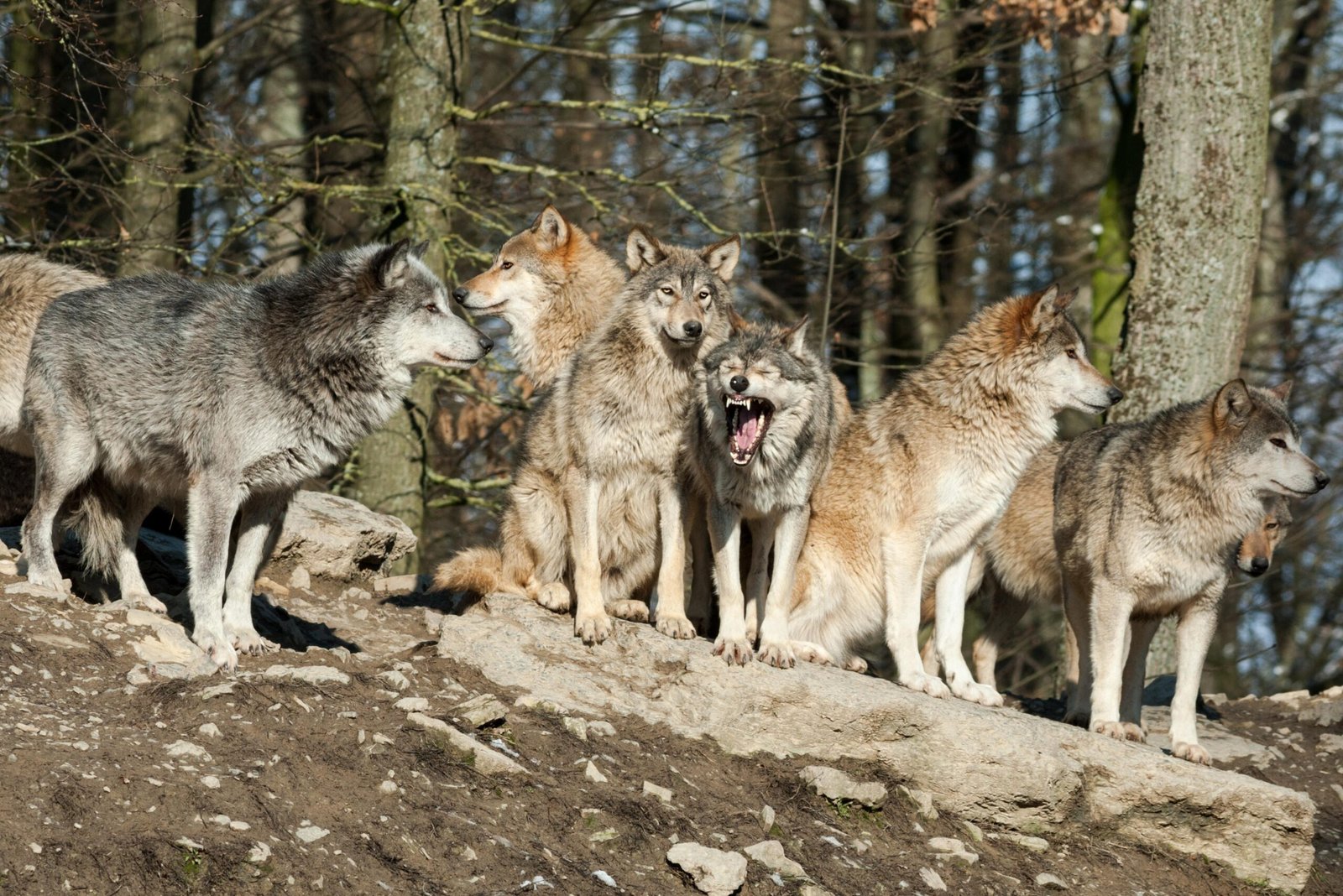
Monitoring takes place mainly during winter, from October 1 through March 31. Researchers track wolves using snow tracks, observations, territorial signs, and DNA collected from hair, faeces, urine, and dead animals.
DNA is particularly useful because it can identify individual animals.
This helps researchers determine whether several sightings belong to one wolf, identify family relationships and understand how wolves move between territories.
Rovdata coordinates wolf monitoring in Norway, with fieldwork and genetic analysis involving organizations including the Norwegian Institute for Nature Research.
Why Are Wolves in Norway So Controversial?
The debate over whether there are wolves in Norway is really a debate about how many wolves Norway should have and where they should be allowed to live.
There are strong arguments on both sides.
Conservation Arguments
Conservation organizations argue that the Norwegian population is extremely small and genetically vulnerable.
Norway’s environmental authorities classify the wolf as critically endangered on the Norwegian 2021 Red List. They also state that inbreeding is a major long-term concern.
From this perspective, wolves need enough space, breeding opportunities, and genetic exchange with other populations.
Farmers and Rural Concerns
Farmers have a different experience.
Wolves can kill sheep and other livestock, particularly when animals are grazing outdoors. Rural organizations argue that wildlife policy must also protect farming, grazing traditions and local communities.
The Norwegian Farmers’ Union, for example, supports maintaining predator populations according to the political targets but argues that predators causing serious damage in priority grazing areas should be removed.
So the disagreement is not simply “wolves versus people.”
It is a question of where wolves should live, how many should exist, and who should carry the cost of their presence.
Wolf Hunting and Culling in Norway
Another major reason people ask whether there are wolves in Norway is that wolf management can include lethal control.
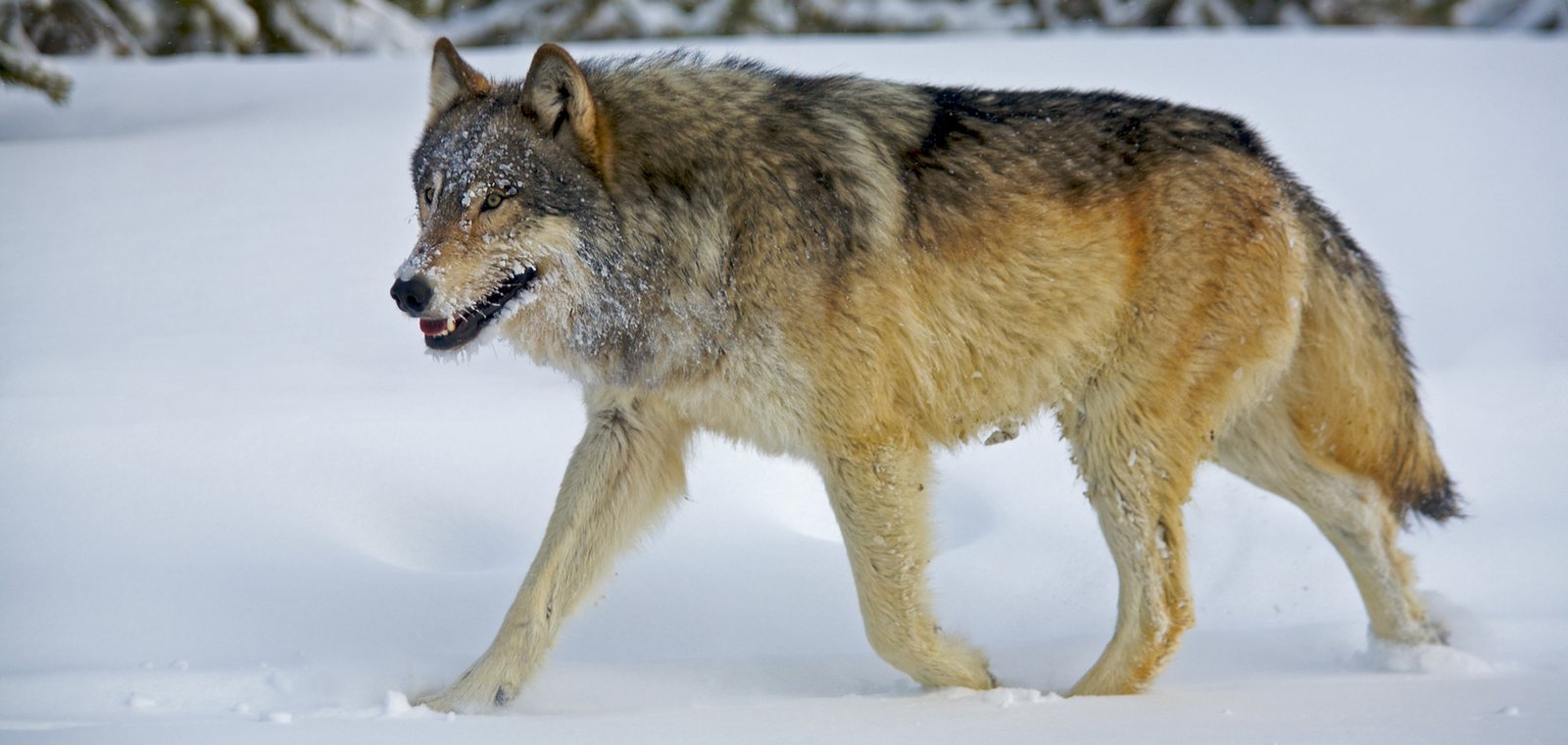
Norway does not have ordinary recreational hunting for wolves. Instead, authorities can permit licensed hunting and damage control under specific conditions.
Licensed hunting is used as a population-management tool in designated circumstances. Damage control can target a particular wolf when authorities determine that action is needed to prevent serious damage.
The system is closely regulated because wolves are protected and the Norwegian population is small.
For the 2025–2026 season, official figures listed licensed quotas across several regions, while no ordinary wolf hunting season existed.
The International Controversy
Norway’s wolf policy has also attracted international criticism.
The Bern Convention’s Standing Committee concluded in December 2025 that Norway remained in breach of its obligations concerning the wolf population. The committee criticized the country’s strict zoning and approach to licensed wolf removal, while Norwegian authorities have noted that such committee decisions are politically relevant but not legally binding.
This adds another layer to the debate.
Norway must consider national political decisions, rural interests, conservation requirements and international wildlife obligations at the same time.
What Role Does Viltnemnda Have?
The Norwegian word viltnemnda refers to a municipal wildlife committee involved in local wildlife management.
However, it is important not to confuse local wildlife committees with the national bodies responsible for setting Norway’s overall wolf policy.
For wolf cases, national and regional authorities such as the Norwegian Environment Agency (Miljødirektoratet) and the State Nature Surveillance (SNO) play major roles.
Local wildlife bodies can nevertheless become involved when wildlife is reported or when local observations and incidents need attention.
For example, Norwegian municipalities and local wildlife officials have historically helped investigate reports of wolves and other wildlife.
Are Wolves Dangerous to People in Norway?
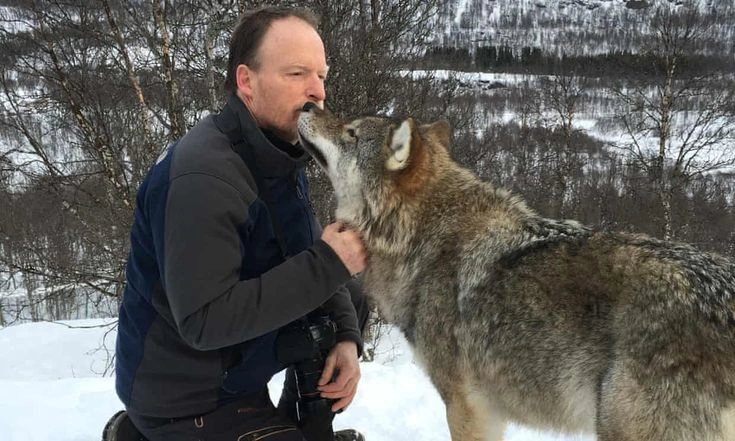
For most people, the chance of encountering a dangerous wolf is very low.
Wolves generally avoid humans and spend much of their time moving through forests and remote areas. A wolf may occasionally pass close to settlements, particularly when young animals disperse.
However, anyone who encounters a wild wolf should keep a safe distance, avoid approaching it, and never attempt to feed or attract it.
If a wolf is seen outside its normal range, Norwegian authorities encourage people to report reliable observations so that the animal can be identified and monitored.
Wolves in Norway vs Wolves in Sweden
| Feature | Norway | Sweden |
| Wolf population | Very small | Much larger |
| Shared Scandinavian population | Yes | Yes |
| Main concentration | Southeast | Central and southern Sweden |
| Wolf management zone | Yes | Different national system |
| Genetic concern | High | High |
| Cross-border territories | Yes | Yes |
| Monitoring | Tracks + DNA | Tracks + DNA |
The two countries cannot completely manage their wolves separately because many animals cross the border.
A wolf born in Sweden may establish a territory in Norway, while a Norwegian wolf may travel into Sweden.
Interesting Facts About Wolves in Norway
Wolves can travel huge distances
A young wolf leaving its family group may travel far while searching for a territory.
Norway’s wolves are part of a shared population
The Norwegian and Swedish wolves form one Scandinavian population rather than two completely separate populations.
Some wolves are genetically valuable
Immigrants from the Finnish-Russian population can introduce genes that may help reduce inbreeding.
Wolves were almost lost from Scandinavia
The original Scandinavian population had effectively disappeared by the 1960s before wolves returned and established a new population.
Most Norwegian wolves are in the southeast
Although a wandering wolf can appear elsewhere, established territories are concentrated in southeastern Norway.
Common Mistakes About Wolves in Norway
Mistake 1: Norway has thousands of wolves.
It does not. The latest Norwegian figures are only around 55–58 documented wolves.
Mistake 2: Every wolf must stay inside the wolf zone.
No. Wolves can move outside the management zone.
Mistake 3: Norway has no wild wolves.
False. Wild wolves live and breed in southeastern Norway.
Mistake 4: The wolf zone is a completely protected reserve.
Not exactly. Norwegian authorities can regulate wolves even within the zone under specific legal conditions.
Mistake 5: Norwegian and Swedish wolves are separate populations.
They are better understood as one connected Scandinavian population that crosses the national border.
Conclusion
So, are there wolves in Norway? Absolutely. Norway has a small population of wild wolves, concentrated mainly in the country’s southeast and closely connected to wolves across the Swedish border.
At the same time, Norway’s wolves are far from being a simple wildlife success story. The population remains small, genetic diversity is a concern, and the country has chosen a tightly managed approach based on breeding targets and a designated wolf zone.
The controversy exists because wolves affect real people as well as ecosystems. Conservationists want a secure and genetically healthy population, while farmers and rural communities want effective protection for livestock and traditional land use.
Ultimately, are there wolves in Norway is only the beginning of the question. The harder issue is what kind of future Norway wants for its wolves, and how that future can balance wildlife conservation with the people who live and work alongside them.
For current population figures and monitoring updates, Rovdata and the Norwegian Environment Agency are the most useful primary sources.
Frequently Asked Questions
Are there wolves in Norway today?
Yes. Norway had 55–58 documented wolves during winter 2025–2026, while a DNA-based model estimated about 55 animals.
Where are wolves found in Norway?
Established wolf territories are concentrated in southeastern Norway, especially around Innlandet and areas near the Swedish border.
Are there wolves in Norway outside the wolf zone?
Yes. Wolves can travel outside the management area, and occasional individuals can appear far from established territories.
How many wolves does Norway want?
Norway’s political target is 4–6 annual wolf litters, including shared border territories, with at least three fully Norwegian litters.
Are wolves endangered in Norway?
Yes. The wolf is classified as critically endangered in Norway’s 2021 Red List.
Can wolves be hunted in Norway?
There is no ordinary recreational wolf hunting season. Licensed hunting and damage control can be permitted under specific rules.
Are there wolves in Norway near Oslo?
Wolves can occur in forested areas around Oslo, although sightings are uncommon. Oslo and surrounding southeastern areas fall within the broader management context for Norwegian wolves.
Are Norwegian wolves the same as Swedish wolves?
They belong to the same Scandinavian population and regularly cross the border.
Why is Norway’s wolf policy controversial?
The disagreement comes from the need to balance wolf conservation and genetic health with livestock protection, outdoor grazing, hunting interests, and the concerns of rural communities.
