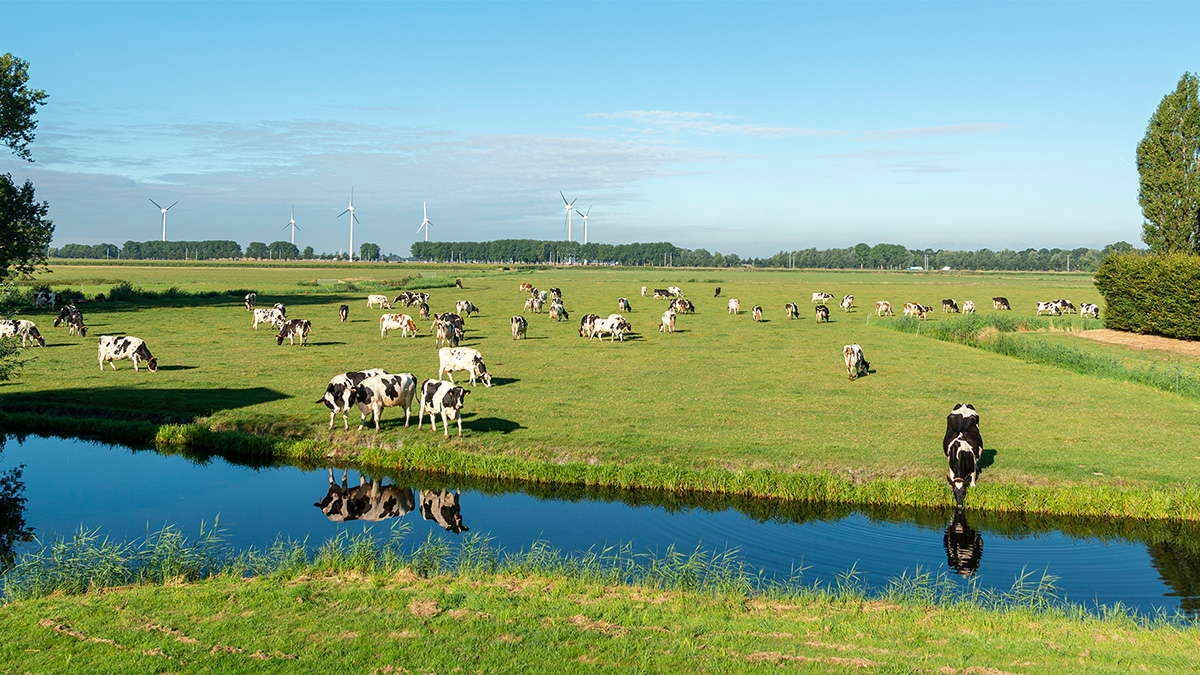
Two sheep farmers in the same valley lose a dozen lambs to large carnivores over the summer. One receives a full payout from the state within months; the other sees their compensation claim flatly rejected. The difference rarely comes down to the predator or the terrain, but rather to their local beitelag grazing cooperative.
A beitelag grazing cooperative is a voluntary association of Norwegian livestock owners who pool their resources to manage outfield pasture, organize weekly rotation rotas, maintain shared infrastructure, and record livestock losses. These local grazing association norway networks form the operational backbone of open-range pastoralism.
Joining a beitelag grazing cooperative is not mandatory under Norwegian law, but operating without one leaves individual farmers exposed. The collective field logs and documentation produced by the beitelag grazing cooperative are what ultimately determine whether a farmer’s financial survival is protected when predators strike.
What a beitelag is?
A beitelag is a voluntary cooperative formed by farmers who share a defined outfield grazing area (utmarksbeite). While traditional open-country access relies on historic rights, the beitelag grazing cooperative acts as the modern legal and administrative entity that manages how those rights are exercised in practice. Membership in a beitelag grazing cooperative is open to any livestock producer releasing animals into that shared terrain—primarily sheep and goat farmers, though cattle producers also participate in many regions.
Joining a grazing association norway organization is entirely a matter of choice rather than a statutory requirement. A farmer retains the legal right to release livestock independently onto their own land or leased rights. However, single-farm management becomes practically unfeasible across sprawling mountain ranges and thick boreal forests without a beitelag grazing cooperative.
By joining a beitelag grazing cooperative, individual farmers pool their labor, split structural expenses, and coordinate seasonal movements. The cooperative establishes internal bylaws, elects a board, maps out spatial boundaries, and coordinates directly with municipal agricultural offices and regional authorities.
What the cooperative actually does?
The primary responsibility of a beitelag grazing cooperative is organizing the weekly supervision rota throughout the grazing season. Members divide the vast terrain into sectors and assign scheduled patrol days. Instead of every farmer hiking out daily, individual members take turns inspecting the entire shared range, checking the health of all member flocks simultaneously.
At the end of the summer, the beitelag grazing cooperative plans and executes the autumn gathering (sanking). Members assemble systematic search teams, establish temporary hold pens, and use herding dogs to sweep the mountain plateaus sector by sector, bringing thousands of animals down to sorting facilities.
The cooperative also constructs and maintains shared physical infrastructure across the range. This includes boundary drift fences (sperregjerder), sorting pens (sankeanlegg), river bridges built for livestock, and automated salt-block stations positioned to keep flocks distributed evenly across good forage.
Beyond physical fieldwork, the beitelag grazing cooperative serves as the central administrative bookkeeper. It logs animal release counts, maintains official mortality ledgers, coordinates emergency searches when losses spike, and represents member farmers in state compensation proceedings and local land-use negotiations.
While individual producers hold underlying grazing rights (beiterett), the beitelag grazing cooperative ensures those rights are exercised responsibly without overgrazing or neglecting animal welfare.
How supervision works in practice?
State animal welfare standards mandate that sheep and goats in the outfield must be inspected regularly. The baseline expectation for members of a beitelag grazing cooperative is thorough weekly supervision across all sectors, though high-risk carnivore zones often require multiple sweeps per week.
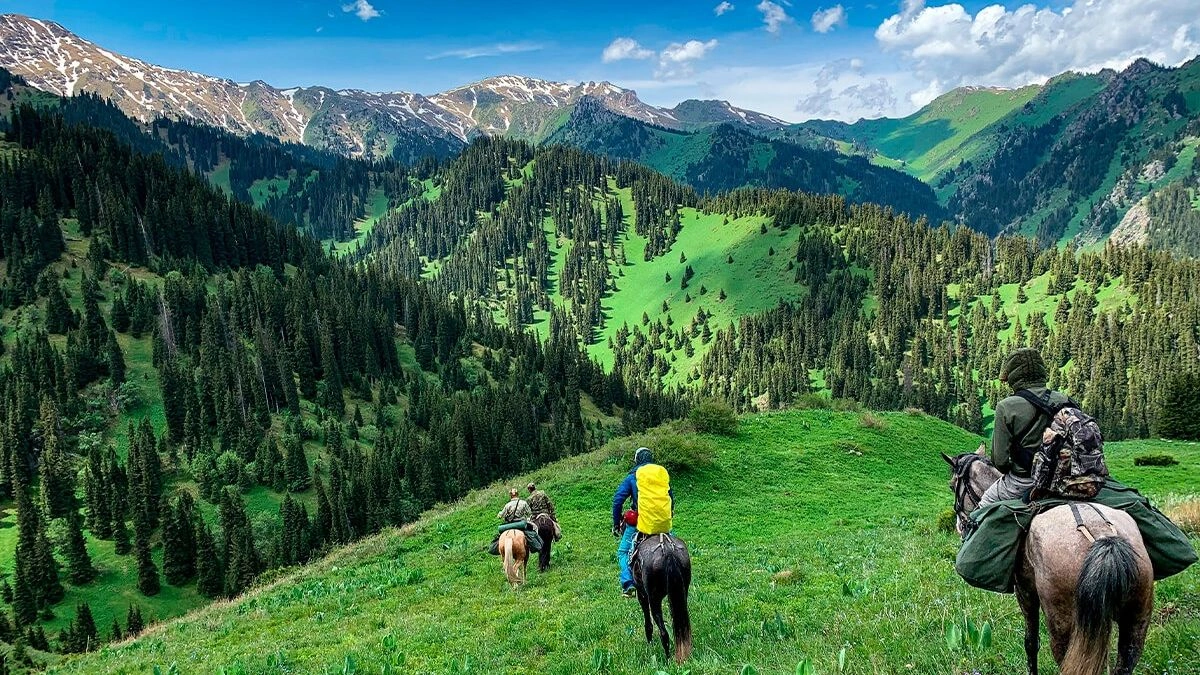
Supervision runs on a strict calendar rota. A designated member equips themselves with GPS handsets, field binoculars, and carcass collection kits before heading out. The inspector checks for signs of disease, injury, straying, and predator activity. Every sighting, dead animal, or injured lamb is recorded in a standardized digital logbook shared across the beitelag grazing cooperative.
Technology has transformed how shared pasture supervision functions in the field:
-
Electronic GPS collars and radio bells: Modern radio collars transmit periodic location pulses to satellite or VHF receivers. If an animal remains motionless for several hours, a “mortality alarm” alerts the farmer. These units cost between 400 NOK and 1,200 NOK per animal, drastically reducing search times for fresh carcasses.
-
Virtual fencing (Nofence / Monil): GPS-enabled audio-warning collars allow farmers to set dynamic boundary lines without physical fences. While subscription fees add up, they keep stock away from hazardous cliffs or known predator hotspots.
-
Drones: Thermal imaging and high-zoom drones allow inspectors to scan dense thickets and steep talus slopes in minutes, verifying flock positions without hours of climbing.
Despite these technological leaps, shared pasture supervision still relies on human boots on the ground. State inspectors require human verification to confirm cause of death.
The subsidy and what it requires
To support organized outfield management, the Norwegian state provides dedicated funding through the Organisert Beitebruk (OBB) scheme, managed by the Norwegian Agriculture Agency (Landbruksdirektoratet).
The OBB grant pays a direct annual subsidy to every registered beitelag grazing cooperative based on the number of animals released onto outfield pasture for at least five weeks. For the 2025 application year (paid out in early 2026), the national base subsidy rate under Regional Environmental Programs (RMP) typically ranges between 25 NOK and 30 NOK per sheep or goat released, alongside additional municipal and structural support grants.
To qualify for the Organisert Beitebruk subsidy, a beitelag grazing cooperative must:
-
Be registered in the Enhetsregisteret with a valid organization number.
-
Maintain an updated map defining the outer boundaries of the grazing area.
-
Operate an approved, documented supervision plan covering all active grazing weeks.
-
Submit detailed autumn gathering reports detailing total animals recovered.
This subsidy shapes how cooperatives operate. Because payouts depend on maintaining rigorous logs and proving organized supervision, it forces small-scale farmers into structured, disciplined reporting habits.
Why the cooperative decides whether a claim succeeds?
When a lamb vanishes or is killed in the outfield, the farmer cannot simply ask the state for money. Norway’s compensation scheme for predator damage requires clear evidence, and These cases are part of wider human-wildlife conflicts, where livestock production and predator conservation goals often overlap.
To receive compensation for sheep losses, the cause of death must be verified by the State Nature Inspectorate (Statens naturoppsyn – SNO), or the loss must occur within a documented, high-probability carnivore impact area.
Under the national compensation scheme, a well-run beitelag grazing cooperative ensures frequent, logged patrols lead to fresh carcasses being found quickly, allowing SNO to confirm predator damage and approve depredation claims for verified sheep losses. In a poorly-run cooperative, infrequent or unlogged patrols mean carcasses are scavenged or decayed before inspection, resulting in the cause of death being listed as “unknown” and depredation claims being rejected under the compensation scheme.
A well-run cooperative catches sheep losses immediately. If a patrol finds a fresh carcass, SNO can be called to perform a field autopsy before scavengers or decay destroy bite marks and subcutaneous hemorrhaging.
Furthermore, if SNO cannot inspect every missing lamb, the state evaluates historical records supplied by the beitelag grazing cooperative under the compensation scheme. A tight cooperative that accounts for 98% of its flock in normal years can easily prove that a sudden drop to 85% during a lynx or wolverine presence was caused by predation. An unorganized area with poor historical records will have its missing animals dismissed as normal background mortality from disease or terrain accidents.
(For a deeper explanation of outfield grazing and predator loss frameworks, including livestock losses and compensation systems, read our detailed guide.).
Where cooperatives are under pressure?
Despite their importance, every beitelag grazing cooperative faces severe structural pressures across rural Norway:
-
Farm Consolidation: As smaller family farms close down, fewer producers remain to share the workload. A valley that once had twelve active members may now rely on just three, tripling the patrol burden on the remaining families.
-
Aging Membership: The average age of Norwegian livestock producers continues to rise. Physical gathering across steep, rugged terrain becomes increasingly difficult for older farmers when younger successors are scarce.
-
Exhausting Workload: The sheer labor hours required to patrol vast ranges—combined with the emotional toll of searching for killed livestock during severe predator outbreaks—leads to farmer burnout.
-
Cascading Closures: Changes in land use and animal movement patterns also make understanding wildlife corridors important for long-term grazing and conservation planning. If the cooperative collapses, remaining farmers are often forced to abandon outfield grazing altogether, leaving rich mountain pastures unharvested.
Data from the Norwegian Institute of Bioeconomy Research (NIBIO) shows that while over 70% of sheep released into the outfield are managed under a registered beitelag grazing cooperative, the total number of active groups has steadily declined over the past decade alongside general farm consolidation.
How to find or join one?
For a farmer looking to release livestock into an outfield pasture, joining the local beitelag grazing cooperative is a straightforward process:
-
Contact the Municipal Agricultural Office (Landbrukskontoret): Request the spatial maps and contact details for active groups operating in your target geographic area.
-
Review the Cooperative’s Bylaws: Contact the board leader (leder) of the relevant group to review their internal work-sharing rules, fee structures, and supervision schedules.
-
Submit a Formal Request: Apply for membership prior to the spring release season so your flock numbers can be incorporated into the annual supervision plan and OBB grant application.
-
Register Animals and Frequencies: Input your flock ear-tag numbers and collar frequencies into the cooperative’s shared database.
A farmer who chooses to stay outside a beitelag grazing cooperative must conduct all weekly patrols independently, loses access to shared gathering pens and drift fences, and faces an uphill battle proving undocumented loss claims to state authorities.
The read
The beitelag grazing cooperative model is a battle-tested blueprint for collective land management, but it is reaching a critical tipping point. As farm consolidation shrinks the number of active producers, relying entirely on uncompensated volunteer farm labor to cover vast mountain ranges is becoming unsustainable.
Over the next decade, the survival of the cooperative model will depend on accelerating the adoption of digital tracking technologies and increasing state operational support for professional gathering teams. In the coming grazing season, watch how regional authorities distribute technology grants for virtual fencing and GPS collars—these digital tools may be the only thing keeping Norway’s historic grazing cooperatives intact.
Stay Updated on Norwegian Wildlife & Farming Policy
Get clear reporting on agricultural policy, predator management regulations, and rural property rights delivered to your inbox.
-
Daily Rural Policy Brief: Morning updates on predator encounters, access regulations, and agricultural policy changes across Norway.
-
Weekly Wildlife & Farming Analysis: In-depth coverage of carnivore zoning, livestock compensation claims, and outfield management frameworks.
Frequently Asked Questions
What is a beitelag?
A beitelag is a voluntary beitelag grazing cooperative of Norwegian farmers who share a designated outfield grazing area (utmarksbeite). Members pool labor, coordinate weekly livestock supervision, maintain shared gathering infrastructure, log animal mortalities, and jointly apply for state agricultural grazing subsidies.
Is joining a beitelag compulsory?
No, joining a beitelag grazing cooperative is not legally mandatory. Farmers retain the right to graze livestock independently on their own land or leased rights. However, operating outside a cooperative makes required welfare supervision, autumn gathering, and proving predator compensation claims far more difficult.
What is the organised grazing subsidy?
The Organisert Beitebruk (OBB) subsidy is a state grant provided through Regional Environmental Programs (RMP). It pays a registered beitelag grazing cooperative an annual fee per animal released onto outfield pasture to support organized supervision, gathering, and pasture infrastructure.
How often must sheep in the outfield be supervised?
Norwegian animal welfare regulations require regular supervision of outfield livestock. Within a beitelag grazing cooperative, this typically translates to at least once-weekly systematic sweeps of all pasture sectors, with patrol frequencies increasing during active carnivore outbreaks or harsh weather conditions.
Do beitelag handle compensation claims?
The individual farmer submits the formal compensation claim, but the beitelag grazing cooperative produces the essential evidence. The cooperative’s field logs, mortality records, carcass finds, and historical loss statistics provide the documentation required by state authorities to approve predator loss payouts.
What happens if a beitelag closes down?
If a beitelag grazing cooperative collapses due to farm closures or aging membership, remaining farmers lose shared infrastructure, labor rotas, and subsidy support. Individual producers must then carry the full burden of supervision alone or cease outfield grazing in that area entirely.
