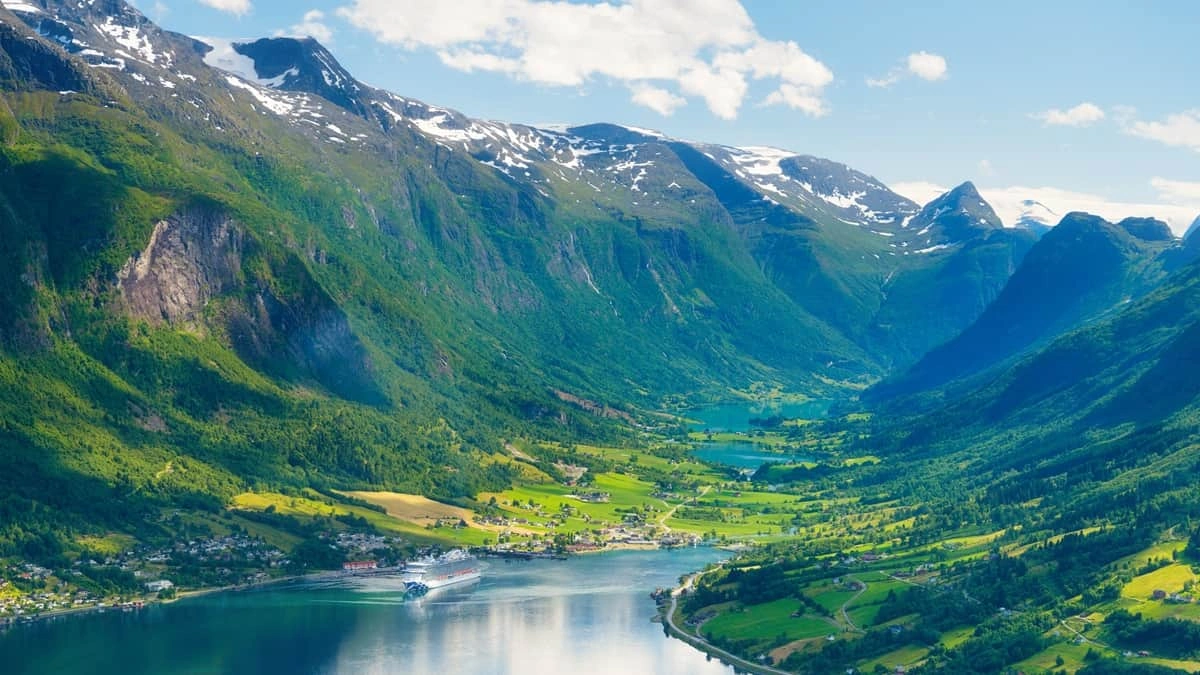
Hikers and outdoors enthusiasts often assume that protected status follows an ascending ladder of severity that a national park must impose far stricter limits on human activity than a smaller local conservation site. In reality, a tiny coastal bird sanctuary designated as a nature reserve can completely prohibit human entry during breeding season, while a sprawling national park right next door allows traditional hunting, livestock grazing, and berry picking.
Understanding protected area categories in Norway requires untangling the common confusion between a designation’s brand and its actual legal force. The statutory label describes the broad ecological rationale for setting ground aside, but the specific site regulation dictates what is permitted on the terrain. The statutory label states the conservation objective, while individual protected area categories serve as organizational frameworks for site-specific rules.
Where the categories come from
Understanding the Nature Diversity Act helps explain why Norway uses different protected area categories with specific conservation objectives. Prior to this legislation, spatial protection was fragmented across older statutes, but the 2009 Act unified the system under a single comprehensive framework. Under Section 33 of the Act, official protected area categories are established to preserve the full diversity of Norwegian nature, maintain ecological processes, and safeguard critical ecosystem services.
When the government establishes a protected zone under the Nature Diversity Act, it selects from defined protected area categories to fulfill national biodiversity targets and international obligations under treaties like the Bern Convention and the Convention on Biological Diversity. Rather than acting as a simple prohibition on human presence, each category provides a tailored framework designed to mitigate specific threats to landscapes, habitats, or rare species.
The categories, one by one
Norwegian law establishes five primary statutory designations for spatial conservation. Understanding these distinct verneområde kategorier (the Norwegian term for protected area categories) helps clarify how different ecological objectives shape site management across the country.
The legal framework encompasses five primary nature reserve types and conservation designations:
-
National Park (Nasjonalpark): Designed to preserve vast, contiguous tracts of wilderness. These areas safeguard natural processes while supporting outdoor recreation (friluftsliv) that does not require heavy infrastructure. Restrictions focus mainly on preventing major infrastructure, road construction, energy development, and motorized transport. Permitted activities typically include hiking, primitive camping, traditional harvesting, and regulated hunting or fishing. A representative example is Jotunheimen National Park.
-
Protected Landscape Area (Landskapsvernområde): Used where cultural practices such as high-mountain summer farming (seterdrift) have created a unique cultural landscape that would disappear if human interaction ceased entirely. These areas restrict architectural changes, major landscape alterations, clear-cutting, or industrial projects, while permitting traditional farming, forestry under guidelines, tourism, and general recreational access. A representative example is the Nærøyfjorden Landscape Protection Area.
-
Nature Reserve (Naturreservat): Representing the highest legal protection tier for vulnerable ecosystems, these areas protect pristine forests, mire complexes, or critical seabird colonies. Operational restrictions vary widely and often restrict entry during breeding seasons, ban dogs, or limit all resource harvesting. Public access is generally restricted strictly to non-disruptive foot transit unless seasonal entry bans apply. A representative example is Fokstumyra Nature Reserve.
-
Habitat Protection Area (Biotopvernområde): Focuses specifically on the living conditions of designated flora and fauna, such as staging areas for migratory waterfowl or spawning grounds for coastal fish. Restrictions target disturbance during critical life stages like nesting, spawning, or wintering, while allowing general public access outside specified seasonal restrictions or critical locations. A representative example is Karlsøyvær Habitat Protection Area.
-
Marine Protected Area (Marint verneområde): Extends spatial conservation underwater to protect cold-water coral reefs, kelp forests, and delicate fjord ecosystems from mechanical disruption. Regulations typically restrict bottom trawling, aquaculture installations, dredging, and marine infrastructure, while permitting low-impact boating, recreational line fishing, and scientific monitoring. A representative example is Saltstraumen Marine Protected Area.
Evaluating these options shows that selecting from the available statutory protected area categories offers planners a flexible set of tools rather than a single uniform rulebook.
Why the category does not tell you the rules
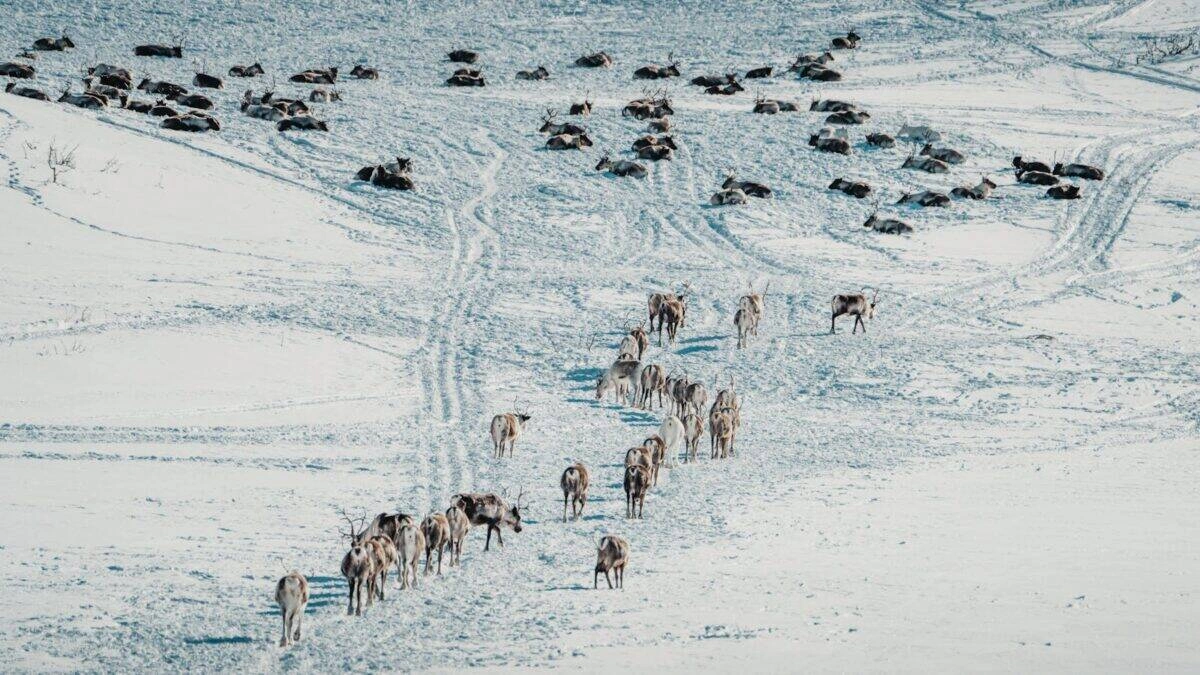
The central trap in Norwegian conservation law is assuming that statutory protected area categories automatically dictate day-to-day rules. Under the Nature Diversity Act, every single protected area receives its own unique site-specific regulation (forskrift), which is drafted individually and passed by royal decree. Two sites sharing identical protected area categories can operate under completely different operational restrictions based on their specific conservation targets.
Consider two sites designated under the exact same statutory category of naturreservat:
-
Atna Nature Reserve: Established to protect river delta dynamics and wetland habitats. The site regulation allows traditional small game hunting, fishing, and general foot access year-round, while strictly prohibiting drainage projects, road construction, and vegetation removal.
-
Slettnes Nature Reserve: Created to protect critical nesting habitat for arctic waders and seabirds. The site regulation imposes a total ban on public access across large portions of the reserve during the breeding season (May 15 to July 31), restricts dogs, and bans all hunting of waterfowl.
A visitor who relies solely on general protected area categories would miss these critical operational differences. The category communicates why the land was set aside; only the site’s individual forskrift details what you may or may not do on the ground.
Hunting, fishing and access inside protected areas
Public access, hunting, and fishing in protected zones are governed by a balance between general access rights and site-specific conservation limits. Visitors should understand how Allemannsretten explained rules work alongside protected area restrictions before hiking, camping, or accessing conservation areas.
Hunting and fishing rights are handled with precision across different designations:
-
In National Parks: Hunting for big game (such as wild reindeer or moose) and small game (such as ptarmigan) is generally permitted, provided hunters hold valid local permits and national licenses. National park regulations rarely ban hunting outright; instead, they restrict support facilities, such as motor vehicle transport for retrieving downed game.
-
In Protected Landscape Areas: Hunting and fishing usually continue under standard national seasons and local private or public permit systems, with restrictions focused instead on permanent structures or terrain alteration.
-
In Nature Reserves and Habitat Protection Areas: Regulations frequently restrict or prohibit hunting entirely particularly where the reserve was created to protect ground-nesting birds, waterfowl, or fragile predator-prey dynamics. Fishing may remain open while hunting is banned, or vice versa, depending on the targeted species.
To determine whether hunting or fishing is allowed in a specific location, you cannot rely on broad protected area categories. You must inspect the exact wording of Section 3 or 4 in that specific area’s forskrift, which details exemptions for harvesting and traditional resource use.
How an area gets protected, and who objects
Establishing a new protected area in Norway is a rigorous, multi-year administrative process designed to balance ecological priorities against regional economic interests. The process is managed by the County Governor (Statsforvalteren) in initial phases before moving to the Norwegian Environment Agency (Miljødirektoratet) and final approval by the Ministry of Climate and Environment.
-
Initiation & Pre-Notification: The Environment Agency or County Governor identifies candidate sites based on scientific surveys, mapping of rare species, or gaps in national conservation coverage.
-
Formal Announcement (Oppstartsmelding): The County Governor officially announces the launch of protection talks, notifying landowners, municipal authorities, rights-holders, and industry groups.
-
Drafting & Public Consultation (Høring): A detailed boundary proposal, recommended protected area categories, and a draft site regulation (forskrift) are published. A mandatory public consultation period of at least sixty days allows affected parties to submit formal objections.
-
Environmental Impact Assessment: Evaluates potential socio-economic impacts and broader environmental impact considerations, assessing how restrictions might affect local forestry, agriculture, energy development, or tourism infrastructure.
-
Final Adoption: The Ministry reviews the finalized proposal and presents it to the King in Council for adoption via Royal Decree (Kongelig resolusjon).
Objections typically arise from private landowners concerned about timber values or land use restrictions, municipal councils worried about losing tax revenues from commercial development, and agricultural bodies defending traditional grazing infrastructure. The consultation phase frequently leads to adjusted boundaries, added exemptions for traditional land use, or modified regulatory language to build local consensus before formal adoption.
Management and enforcement
Once an area is legally established, day-to-day oversight falls to specialized management authorities. National parks and larger landscape areas are typically governed by local national park boards (nasjonalparkstyrer), which comprise elected representatives from affected municipalities, county councils, and Sámi parliamentary representatives where applicable. Smaller nature reserves are generally managed directly by the County Governor.
Field enforcement is led by the State Nature Inspectorate (Statens naturoppsyn – SNO), a specialized branch of the Environment Agency. SNO rangers operate across remote mountain terrain, coastal waters, and forest reserves to monitor compliance, inspect permits, and enforce seasonal entry bans.
Management structures link central policy directly to field operations:
-
Central Conservation Authority: Ministry of Climate & Environment and the Environment Agency set overarching strategies.
-
Local Management Boards: Oversee National Parks and large protected landscapes.
-
County Governors (Statsforvalteren): Directly manage Nature Reserves, Habitat Protection Areas, and Marine Protected Areas.
-
State Nature Inspectorate (Statens naturoppsyn – SNO): Executes field patrols, compliance checks, permit enforcement, and seasonal monitoring.
These efforts are closely connected with endangered species protection laws in Europe, which guide how threatened species and habitats are conserved. Fragmented habitats disrupt movement corridors for large mammals like wild reindeer, while rare botanical species in nature reserves can be wiped out by localized foot traffic or unauthorized off-road driving.
However, a recognized gap exists between formal statutory protections and the field resources available to enforce them. With hundreds of scattered reserves across vast regions, SNO rangers cannot maintain a permanent presence everywhere. Consequently, compliance relies heavily on public education, voluntary adherence, and targeted seasonal patrols during high-risk periods like the spring bird-nesting season.
How to check the rules for a specific area
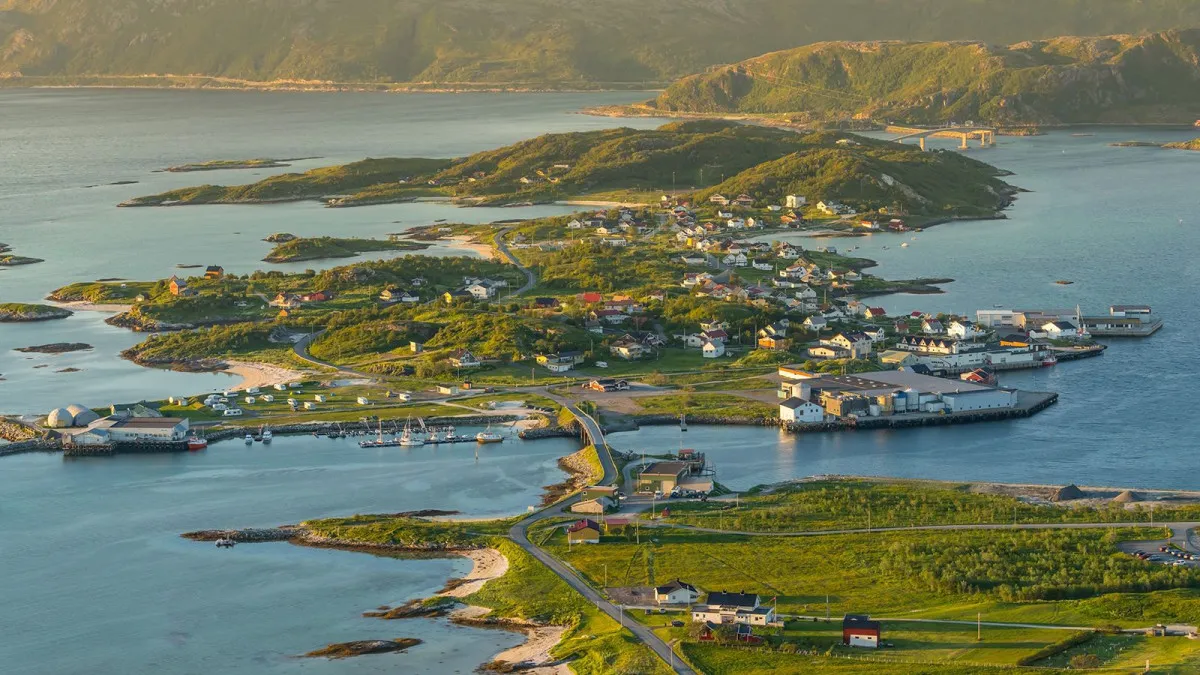
Before visiting, hunting, or camping in a Norwegian protected zone, you should verify the exact site rules yourself using official state databases.
-
Open Naturbase: Access the national map portal at naturbase.no (managed by the Norwegian Environment Agency). Use the interactive map layer to locate your target area and click on its boundary.
-
Note the Protection ID (VV-ID): Identify the unique identifier, statutory classification, and exact name displayed in the site information panel.
-
Access Lovdata.no: Open Norway’s legal database at lovdata.no and search for the site’s official name or regulation title (e.g., “Forskrift om verneplan for…”).
-
Review Key Legal Sections: Read the site-specific regulation, paying close attention to Section 3 (General Restrictions / Vernebestemmelser) and Section 4 (Exceptions / Unntak), which explicitly list allowed activities regarding hunting, camping, fires, and motorized access.
-
Verify Seasonal Maps: Check if the regulation includes designated spatial sub-zones (such as Sone A or Sone B) that enforce seasonal entry bans during specific months of the year.
Keeping a saved digital copy or screenshot of the specific forskrift on your mobile device provides clear legal verification when traveling through remote conservation zones.
The read
Norway’s framework of protected area categories provides a functional system for organizing conservation priorities, but its terminology can easily mislead the public. A category label acts as an administrative shorthand for ecological intent it tells you whether the state set the land aside to protect a vast mountain watershed, a cultural farming landscape, or a delicate bird-nesting delta.
Treating statutory protected area categories as direct indicators of personal freedoms is a recipe for accidental legal violations. The statutory category explains the conservation objective; the individual site regulation governs human behavior. Before setting foot, pitching a tent, or casting a line inside any designated conservation boundary, take five minutes to review that specific area’s regulation on Lovdata. Checking the exact legal text is the only way to ensure your visit remains lawful and respectful of the land.
Stay Updated on Norwegian Environmental Law & Conservation
Get clear, authoritative reporting on protected area designations, wildlife management policy, and environmental law updates delivered straight to your inbox.
-
Daily Conservation & Wildlife Report: Concise morning updates on regulatory changes, seasonal access restrictions, and field management news across Norway.
-
Weekly Policy & Legal Analysis: Deep dives into Norwegian environmental law, habitat preservation projects, and species protection frameworks.
Frequently Asked Questions
What are the protected area categories in Norway?
The main spatial conservation categories under the Nature Diversity Act are National Parks (nasjonalpark), Protected Landscape Areas (landskapsvernområde), Nature Reserves (naturreservat), Habitat Protection Areas (biotopvernområde), and Marine Protected Areas (marint verneområde). Each category serves a distinct ecological purpose, from preserving vast wilderness areas to protecting specific fragile habitats.
Can you hunt inside a Norwegian national park?
Yes, hunting is generally permitted inside Norwegian national parks, provided you hold valid hunting permits, national licenses, and adhere to standard hunting seasons. Unlike national parks in some other countries, Norwegian parks are designed to allow traditional harvesting activities. However, specific parks may restrict motorized transport or equipment used to retrieve game.
What is the difference between a national park and a nature reserve?
A national park protects large, contiguous areas of natural landscape for conservation and low-impact recreation. A nature reserve is established to protect specific, highly vulnerable habitats, rare species, or unique natural features. Nature reserves represent a stricter level of ecosystem protection and frequently impose tighter limits on human access than national parks.
How does an area become protected?
An area becomes protected through a formal legal process under the Nature Diversity Act. The County Governor issues a public notice, prepares a draft boundary and regulation, and conducts mandatory public consultations with landowners, municipalities, and stakeholders. After environmental impact reviews, the final proposal is submitted to the Ministry of Climate and Environment and adopted by Royal Decree.
How do you find the rules for a specific protected area?
To find the exact rules for a protected area, locate the site on the state map portal Naturbase.no to find its official legal name. Then, search for the area’s specific regulation (forskrift) on Lovdata.no. The legal text in Sections 3 and 4 will list all general prohibitions and specific exemptions regarding access, hunting, camping, and motorized travel.
