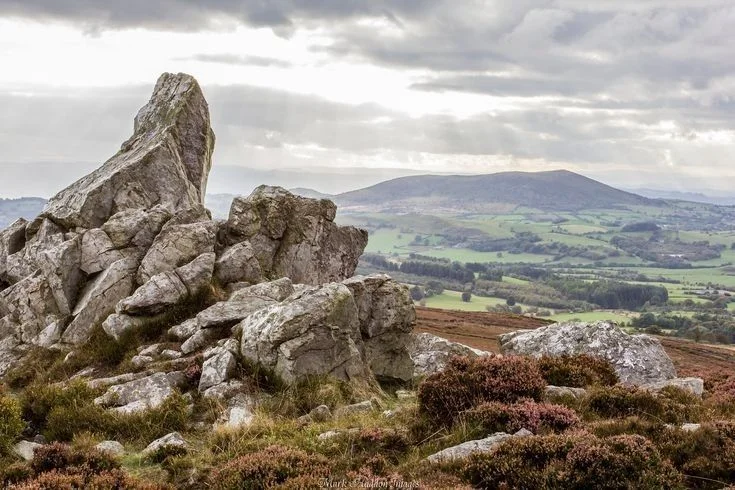
If you see the term landskapsvernområde in Norway, it does not simply mean “no one can use this land.” A landscape protection area is a protected natural or cultural landscape where the main goal is to keep the character of the place from being changed too much.
That can still leave room for farming, outdoor recreation, buildings that already exist, and other established activities. The exact rules depend on the individual protection regulation for that area. In practice, the first thing to check is the local verneforskrift before starting a new project or activity.
Key Takeaways
- A landskapsvernområde protects a landscape’s important character and values.
- Existing use may continue when it stays within the applicable rules.
- New physical interventions can require permission.
- Every protected area has its own verneforskrift.
- Management plans help explain practice but do not replace binding regulations.
- Red list species can be relevant to environmental assessment, but the Red List itself is not a permit system.
- Other laws may require separate approvals.
- In 2026, Norway’s biodiversity policy is closely connected with the wider 2030 conservation goals.
What is a landscape protection area?
A landscape protection area is a type of protected area under Norway’s Nature Diversity Act. It can cover a natural or cultural landscape with ecological, cultural, recreational, or identity value. Cultural heritage that helps give the landscape its character can also be protected.
The key idea is fairly simple. A protected landscape should not be changed in a way that substantially alters its distinctive character. New measures should fit the landscape, and authorities must consider the combined effect of activities in the area.
How does landscape protection work in practice?
Think of the protection rules as a set of boundaries around changes to the landscape. They do not automatically stop every normal activity.
Existing activities can generally continue within the limits set by the law and the local protection regulation. However, a new road, building, major ground work, extraction of materials, or another physical intervention may need permission.
Norway has more than 3,400 protected areas, with 195 landscape protection areas in 2024. Every protected area has its own protection regulation, which matters because local rules can differ considerably in practice.
Why is the local regulation so important?
The Norwegian Environment Agency makes this point clearly: protection regulations differ between areas, and when general guidance conflicts with the actual regulation, the regulation takes priority.
So if you are planning work inside a landscape protection area, do not rely only on a general article or something a neighbour did years ago. Find the regulation for the exact area and check whether your activity is allowed, exempt, or subject to an application.
What activities are usually permitted?
A landscape protection area is not automatically closed to people. Allemannsretten, Norway’s right to access the outdoors, normally still applies. People can hike and enjoy nature, but special rules can apply to certain activities.
Walking is an important example. Under Section 36 of the Nature Diversity Act, regulations for landscape protection areas can regulate travel that does not happen on foot. The Environment Agency also explains that organised walking in a landscape protection area cannot simply be made application-based under a general walking restriction.
The practical lesson is simple: “protected” does not mean “everything is banned.” It means the activity has to be checked against the purpose and rules of that specific protected area.
What about buildings, roads and land use?
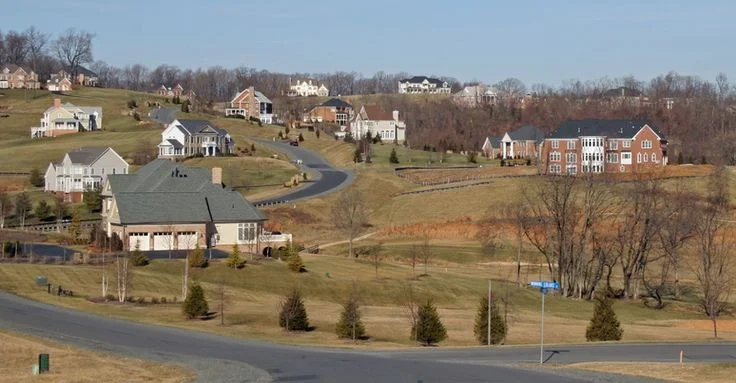
This is where landscape protection often becomes especially relevant to land use planning. Existing buildings and facilities may normally be maintained under the exceptions in a protection regulation. That does not mean every kind of rebuilding or expansion is automatically allowed.
New construction and physical changes can require permission from the protected-area management authority. The same basic issue can arise with roads, earthworks, digging, material extraction, and other interventions that change the landscape.
There can also be another layer of rules. A project may need approval under planning and building legislation as well as under the protection regulation. The Norwegian Environment Agency says these rules work alongside each other, not as replacements for one another.
Why does environmental impact matter?
The reason behind these restrictions is not only how one project looks.
Norway’s environmental authorities identify land-use change as a major pressure on nature. Roads, buildings, infrastructure, agriculture, forestry, and other changes can remove or divide habitats. Habitat fragmentation can make it harder for species to move between areas and can weaken ecological functions.
The Nature Diversity Act therefore asks authorities to consider the overall effect of measures in a landscape protection area. A single small intervention may look harmless on its own, while several changes together can gradually alter the character the area was created to protect.
This is also where biodiversity targets connect with local protection rules. Norway’s national biodiversity work follows the global Kunming-Montreal framework, which includes a goal of effectively conserving at least 30 percent of land and inland waters and coastal and marine areas by 2030.
Do red list species change the rules?
They can be relevant, but a red list entry does not by itself tell you exactly what you may or may not do in a particular landscape protection area.
Norway’s Red List is an assessment of species that have a risk of becoming extinct from Norway. The 2021 assessment was produced by Artsdatabanken with expert involvement. It is a scientific assessment tool, not a replacement for the protection regulation.
Some protected areas also have rules protecting particular plants, animals, or ecological features. Wildlife can also have protection under other parts of Norwegian environmental law.
So if a planned activity could affect a red list species, nesting site, breeding area, habitat, or another important ecological feature, that information can matter when the activity is assessed. The exact legal effect depends on the species, the area, and the rules that apply there.
A step-by-step guide for landscape protection area Norway
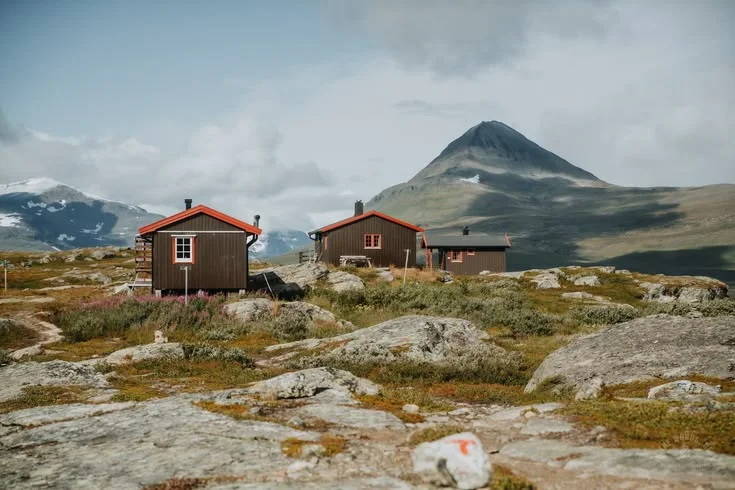
If you are unsure what you can do in a protected landscape, use this simple process.
Step 1: Identify the exact protected area
Start with the name and boundaries of the landscape protection area. Do not assume that rules from a nearby protected area are the same.
Step 2: Find the protection regulation
Look up the verneforskrift for that area on Lovdata. Read the sections covering construction, land use, traffic, outdoor activity, vegetation, wildlife, and other activities relevant to your plan.
Step 3: Check the management plan
If a management or stewardship plan exists, use it to understand how the protection purpose is handled in practice. Remember that the binding regulation remains the key legal document.
Step 4: Check other permits
Ask whether your activity also needs approval under planning, building, motor-traffic, agriculture, cultural-heritage, or other rules. A protected-area permit does not automatically replace other permissions.
Step 5: Contact the management authority
If the wording is unclear, contact the authority responsible for the protected area before starting work. Management can be delegated to a municipality, a national park or protected-area board, or another designated authority.
Step 6: Apply before you act
If the activity needs an exemption or permission, get that decision before beginning. The person carrying out an activity is responsible for having the required permissions.
What should people know in 2026?
In 2026 Norway is giving more attention to biodiversity. National policy includes a goal to conserve 30 percent of the country’s land area, including Svalbard and Jan Mayen, by 2030 through protection and other effective area-based conservation measures.
At the same time, landscape protection is not designed as a simple ban on human use. In some areas, continued use is part of what keeps the protected landscape in the condition that gives it value. Traditional land management can therefore be part of the conservation picture.
For readers using Viltnemnda as a wildlife and nature information source, the useful takeaway is that protection rules should always be read together with the specific place. A general explanation can tell you how the system works, but it cannot answer every site-specific question.
Sources Note
This article uses primary Norwegian sources including the Nature Diversity Act on Lovdata, guidance from the Norwegian Environment Agency, information from the Norwegian government, and Red List material from Artsdatabanken. These sources are preferred because protected-area rules are legal and site-specific, and the wording of the individual regulation can change the answer. This keeps the guidance practical.
The article explains the general framework as it stands in 2026. Readers should check the current regulation and responsible management authority for a specific landscape protection area before making decisions.
Frequently Asked Questions
Can I visit a landscape protection area?
Usually yes. Allemannsretten generally continues to apply, although the specific protection regulation can contain special rules for certain activities.
Can I build a cabin in a landscape protection area?
Do not assume that you can. New buildings and other physical interventions may require permission under the protection regulation and may also need approval under other laws.
Are walking and hiking allowed?
Walking is generally treated differently from motorised or other regulated activities. Section 36 limits the ability to regulate ordinary travel on foot in landscape protection areas, although other forms of protection can create different rules.
Are drones allowed?
It depends on the local protection regulation. The Environment Agency says drone use is prohibited in many protected areas, including national parks and large landscape protection areas, so the exact regulation should be checked before flying.
Does a red list species automatically stop a project?
No automatic conclusion can be made from Red List status alone. The species, location, protection rules, likely impact, and other legal requirements all matter.
Where can I check the rules?
Start with the exact verneforskrift on Lovdata and then check information from the responsible protected-area management authority. If the activity is unclear, ask the authority before doing the work.
Disclaimer:
This article is for general educational and informational purposes. Protected-area rules can vary by location and may change. Always check the current verneforskrift and recognized Norwegian authorities before starting an activity or project in a protected area.
