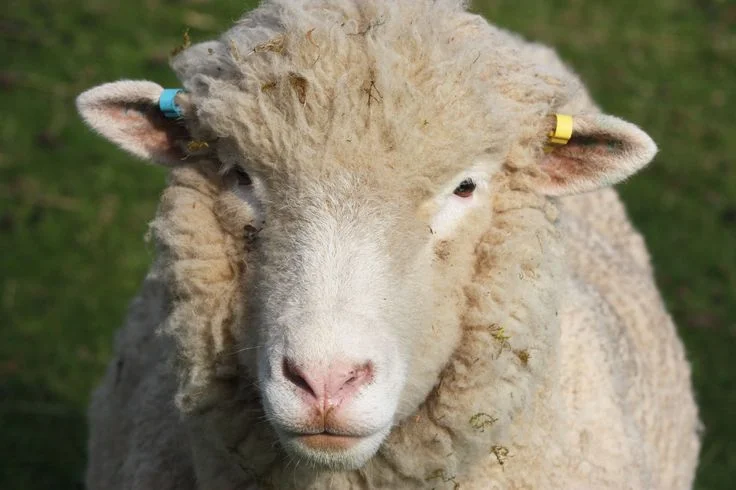
If you’ve ever wondered how farmers find sheep spread across Norwegian mountains and forests, the answer is increasingly tied to a small device hanging around an animal’s neck. A radiobjelle sheep collar is an electronic tracking device that helps farmers see where sheep are, notice unusual movement, and find animals that may need attention.
Key Takeaways
- A radiobjelle sheep collar is an electronic tracking device used to monitor sheep on pasture.
- Modern systems can use mobile networks, satellite technology, or both.
- Movement alerts can help farmers decide which animals need checking.
- Tracking can support searches for missing animals and provide useful information after a loss.
- A tracker does not by itself prove predator attack or guarantee compensation.
- Grazing rights remain matters of Norwegian law, agreements, and local rights.
- E-bell data can also help researchers and farmers understand outfield grazing.
- Viltnemnda readers can view radiobjeller as one practical tool within wider wildlife and farming management.
What is a radiobjelle sheep collar?
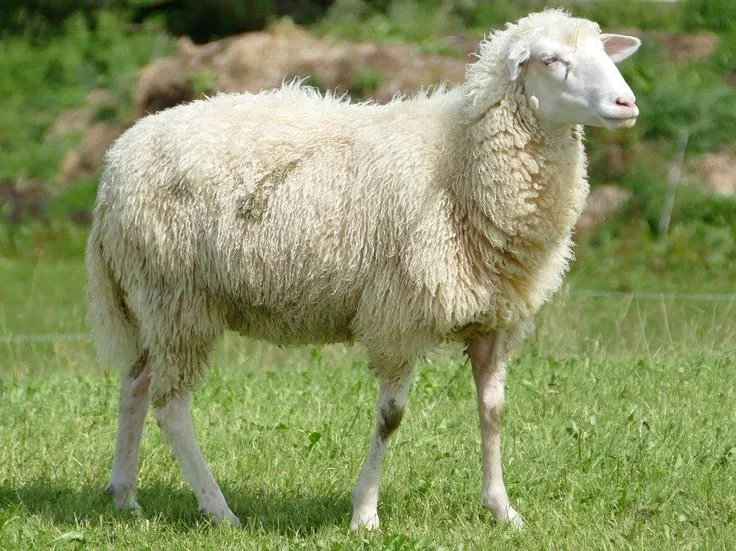
A radiobjelle, often called an e-bell or radio bell, is a tracking unit attached to a sheep’s collar. Depending on the model and the grazing area, it can use mobile networks, satellite technology, or both to send location information.
The idea is simple. The sheep moves through its grazing area and the device sends data. The farmer can then view the animal’s position through an app or tracking system.
A missing sheep is not always close to a road or farm. A map showing its last detected position can turn a huge search area into something much more manageable.
How does the tracking system work?
The collar collects information and sends it through an available communication network. The exact setup depends on the device and the landscape.
Some systems use mobile or IoT networks where coverage is available. Other models use low-orbit satellite technology. Some combine mobile and satellite communication so the tracker can change methods when conditions change.
Findmy, a Norwegian livestock tracking company, currently lists E-bell models with satellite and mobile options. Its Model 2 RED can use mobile communication and switch to satellite when an animal moves outside mobile coverage.
What happens when a sheep stops moving?
Some systems can send alerts linked to stress, low movement, or no movement. That can help a farmer decide which animal needs checking first.
An alert does not automatically mean the sheep has been attacked or injured. It may simply be resting or behaving differently. The alert is a reason to investigate, not a diagnosis.
That distinction matters because tracking technology gives information. It does not prove what caused an injury or death.
What does a radiobjelle sheep collar look like in 2026?
In practical terms, it looks like a compact electronic unit attached to a normal animal collar. It needs to be light enough for the sheep and strong enough for outdoor use.
Current E-bell products come in different models for different coverage needs. Some focus on satellite communication while others combine mobile and satellite networks.
Topography matters too. Mountains, valleys, forests, and network availability can affect how often a device communicates. Findmy advises users to test settings because the best message plan can depend on the animal, terrain, and coverage.
Why does a radiobjelle sheep collar matter right now?
Norwegian sheep farming depends heavily on grazing in outfield areas. Government guidance says sheep and goats should normally be on pasture for at least 16 weeks a year. Outdoor grazing also supports animal welfare, natural behaviour, food production, and the cultural landscape.
The challenge is obvious. Farmers cannot physically watch every sheep all day across a large mountain or forest area.
A radiobjelle helps fill that gap. It can show movement patterns and make it easier to prioritise which animals or areas need attention.
So the device is not only about finding a lost sheep. Over time, the data can help farmers understand their grazing areas better.
How can radiobjeller help with sheep losses?
Sheep losses can happen for many reasons. Disease, accidents, weather, and predators can all play a role. A tracker cannot prevent every loss, but it may help farmers notice unusual movement sooner and locate an animal more quickly.
This is especially relevant in areas where predators are present. Norway has a compensation system for livestock losses caused by protected predators such as lynx, wolverine, bear, wolf, and golden eagle.
But a radiobjelle should not be treated as automatic proof of depredation. A location point or movement alert can help with a field search and provide useful evidence, but determining the cause of a loss is a separate process.
That makes good records useful. Tracking information can become one part of the bigger picture alongside field findings, animal records, predator information, and previous loss history.
What about grazing rights and rural livelihoods?
Technology does not create a grazing right. In Norway, beiterett, or grazing rights, can come from different laws, agreements, and established rights.
The Beitelova also places duties on livestock owners. Animals must not be allowed onto areas where the owner does not have the right to keep them, and the owner can be responsible for damage caused when animals enter areas where they have no right to be.
An e-bjelle can still be useful here without changing the law. Better location information can help a farmer understand where animals actually travel. It may support discussions about grazing areas and grazing cooperatives, fences, animal management, and land use.
Can tracking affect a compensation claim?
It can provide useful information, but it is not a guarantee of compensation. Norway gives livestock owners a legal right to compensation when protected predators cause eligible losses, subject to the applicable rules. Applications require documentation and are assessed by the responsible authorities.
The Norwegian Environment Agency explains that directly documented losses are only a small share of the total losses that are compensated. When a loss is not directly established, authorities can consider previous loss history, predator presence, knowledge about predation rates, and other factors.
A tracker may show where an animal was, when movement changed, or where transmission stopped. That information can help, but the authorities make the final compensation assessment.
What are the limits of radiobjeller?
The technology is useful, but it is not magic. Coverage can vary between locations. Battery life and transmission settings matter. A device may also send updates less often depending on its configuration.
Someone still has to respond to an alert, check the animal, maintain the equipment, and decide what to do next.
Cost is another practical issue. Farmers need to consider the device, communication or service costs, batteries, maintenance, and how many animals they want to track.
Radiobjelle sheep collar changes and what happens next
Current systems are moving beyond basic location tracking. They can combine different communication networks with geofencing, alerts, and app-based monitoring.
Tracking data is also becoming useful for research and farm planning. NIBIO’s work shows that e-bell information can help explain how sheep use outfield grazing areas.
Integration with livestock records is another step. Findmy says its system can connect tracking information with Sauekontrollen data, allowing users to work with individual animals and reports such as growth and loss overviews.
Source Note
Research basis: NIBIO provides independent research context, while Norwegian authorities provide the legal and compensation framework. Manufacturer information describes current device functions, not independent performance testing. Local conditions can change how well systems perform.
FAQs
Is a radiobjelle the same as a GPS tracker?
Not exactly. A radiobjelle is an electronic animal-tracking device and many systems provide location information. The communication technology can differ between models.
Can a radiobjelle find a lost sheep?
It can make a search easier by showing recent or current location information when the device has usable coverage and power. It cannot guarantee that every animal will always be located.
Does a radiobjelle prove that a predator killed a sheep?
No. It can provide useful movement and location data, but predator depredation is assessed using the available evidence and the rules of the compensation system.
Do radiobjeller work where there is no mobile signal?
Some models can use satellite communication, while others rely more heavily on mobile or IoT networks. Farmers should check coverage for their particular grazing area.
Can radiobjeller reduce sheep losses?
They may help farmers respond faster to unusual movement or locate animals needing attention. They don’t prevent every cause of loss, so routine care and inspections still matter.
Disclaimer
This article is for general educational and informational purposes. Grazing conditions, tracking technology, wildlife losses, legal rights, and compensation rules can vary by area and may change as new information becomes available. For a current case, check the relevant Norwegian authority or official guidance.
