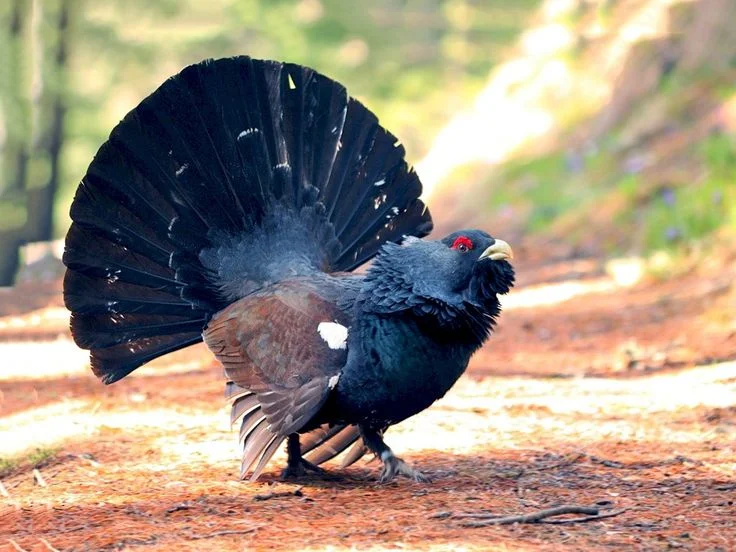
A capercaillie lek is a spring meeting place where males gather. It is a traditional place where males display and compete for females. Black grouse use leks in a similar way. These sites can be used for years, so protecting them is partly about protecting the place and partly about keeping the surrounding forest suitable.
In Norway, capercaillie is called storfugl and a lek is often called a storfugl leik. Black grouse is orrfugl. Both are part of the forest grouse group and both are huntable species under Norwegian rules. The key point for capercaillie lek protection is simple: avoid damaging known leks, reduce disturbance during the spring display period, and manage the wider habitat instead of treating the lek as an isolated spot.
Key Takeaways
- Capercaillie lek protection means protecting the display site and the habitat around it.
- Spring disturbance matters because leks are traditional breeding sites.
- Black grouse and capercaillie need different habitat mixes, so management should be species-specific.
- Grouse counts are useful, but one year’s result should not be treated as a complete population trend.
- Red fox and corvid management can be relevant in some areas but should be based on evidence and legal rules.
- Small game quotas can be used as a management tool when hunting pressure needs adjustment.
- NINA’s current monitoring and harvest research should add evidence for future grouse management.
What is capercaillie lek protection?
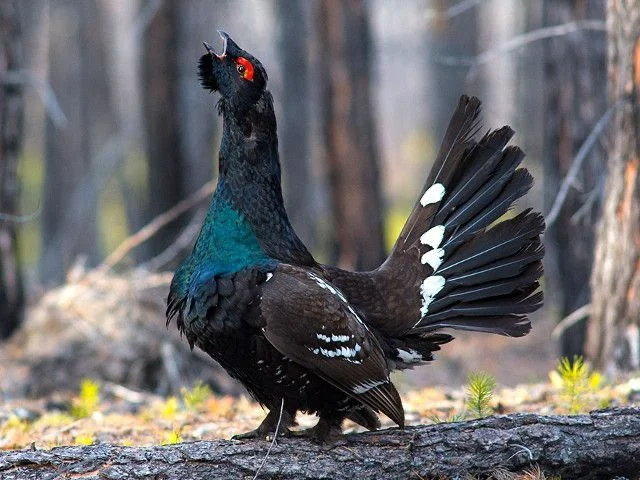
Capercaillie lek protection means practical steps that help a traditional lek remain usable. That can include keeping important forest structure around the site, limiting disruptive activity during spring, recording known leks, and considering them when forestry or other land use is planned.
It applies to black grouse. NINA notes that black grouse and capercaillie display sites are often very site-specific and traditional. It also identifies them as sensitive to human activity during the mating period in spring. That makes timing a big part of protection. A forest operation that might be manageable at another time can be much more disruptive when birds are actively displaying.
This is why a lek should not be viewed as just a small circle on a map. The surrounding habitat and wildlife corridors matter too.. Capercaillie in Norway is mainly associated with forest and is especially linked with older coniferous forest. Black grouse uses a wider mix of forest and open habitats.
Why do leks matter so much?
A lek is where males gather to display while females choose mates. The birds are not building a shared nest there. Instead, the lek is part of the breeding system, which is why repeated disturbance can matter even when the trees themselves do not look damaged.
For capercaillie, habitat quality is especially important because the species is strongly connected with forest structure. Artsdatabanken’s 2021 assessment described the Norwegian capercaillie population as viable, or LC, but also noted that the species is mainly found in forest and is less common in the far north where suitable habitat is limited.
Black grouse is also assessed as LC in Norway. However, Artsdatabanken reported substantial year-to-year variation and a long-term decline in monitoring data. That does not mean every local population is declining. It means local counts and habitat conditions still matter.
What does capercaillie lek protection look like in 2026?
In 2026, protection is becoming more data-driven. Instead of relying only on one observation or one hunting season, managers can combine lek records, line-transect counts, breeding results, habitat information and hunting data.
NINA’s Hønsefuglportalen is part of this picture. It collects monitoring data for grouse species and supports better understanding of local and regional changes. In August 2026, NINA reported that forest grouse had a mixed year and that chick numbers were lower across much of Norway. This is exactly why one season should not be treated as the whole story.
NINA also started large harvest experiments in 2025 with Statskog. The work includes black grouse and capercaillie and is designed to improve knowledge about how hunting affects populations under changing environmental conditions. Results from work like this can help future management decisions.
For Viltnemnda readers, the practical lesson is that protection works best when local observations are connected with wider monitoring. A lek count tells you something about the site. Repeated monitoring tells you more about the trend.
How are grouse counts used?
Grouse counts are not simply a headcount of birds standing on a lek. Different counting methods are used to answer different questions about grouse populations and their habitat.
Lek Counts
A lek count can show whether a traditional display site is active and how many displaying males are present. Repeated counts over time can help researchers and wildlife managers identify changes in activity at important sites.
Line-Transect Surveys
Line-transect surveys provide wider information about grouse across an area. They can be used to record birds and chicks away from traditional lek sites and help build a broader picture of local populations.
Hunting Records
Hunting records can show how many birds were harvested during a hunting season. However harvest numbers alone do not provide a complete measure of population size because hunting pressure and other factors can affect the figures.
Why the Results Need Context
A quiet or inactive lek does not automatically mean the entire local grouse population has disappeared. Weather conditions timing observer effort and natural annual population cycles can all influence what is recorded during a survey.
This is why grouse counts are usually more useful when combined with other monitoring information rather than being treated as a single measure of population health.
Does habitat around the lek need protection too?
Yes. Protecting the lek itself is only part of the job.
Capercaillie is strongly associated with forest habitat, especially older coniferous forest. The wider forest can provide food, cover and places needed at other stages of the bird’s life. If the area around a traditional lek changes too much, the lek may become less useful even if the exact display ground remains untouched.
Black grouse has somewhat different habitat needs. Research summarized by NINA shows that it can use younger forest stages and relies on suitable breeding and chick habitat as well as access to deciduous food sources. Its spring leks may occur on open areas such as bogs, fields or forest openings.
So there is no single grouse habitat recipe. Good management starts with knowing which species is present and what the local landscape provides.
What role does red fox control play?
Red fox control is sometimes discussed as part of grouse management because predators can affect ground-nesting birds and chicks. Artsdatabanken lists increases in mesopredators such as red fox as a potential negative influence on grouse, especially when small mammal numbers are low.
But predator control should not be treated as a universal answer. A decline in grouse can have several causes, including habitat change, weather, predation, hunting pressure and other human impacts. The right response depends on local evidence.
Norway’s current hunting rules allow red fox hunting from 15 July to 15 April. Local land managers can still have additional rules or hunting arrangements, so anyone carrying out control should check the rules for the exact area and season.
Where does corvid management fit in?
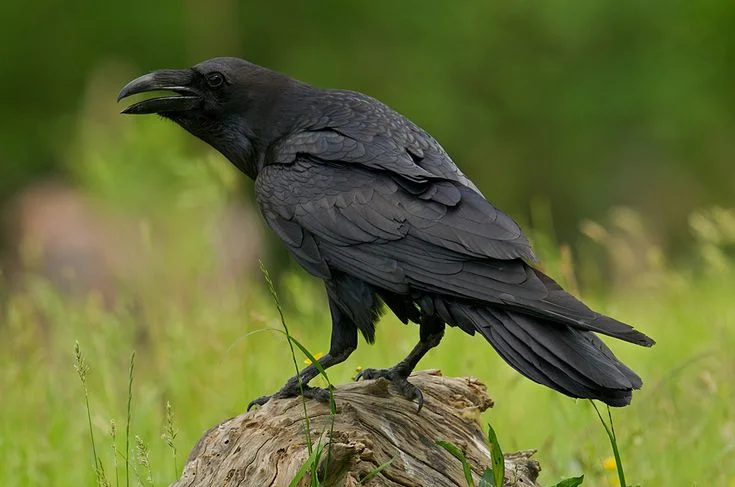
Corvid management can also come up in grouse conservation because some corvid species can take eggs or young birds. Norway has regulated hunting seasons for species including crow, raven, magpie and jay, with differences between species and regions.
That does not mean every corvid should automatically be removed around a lek. Management needs a clear reason and must follow the applicable hunting and trapping rules. A healthy ecosystem contains predators and scavengers too.
What are the trapping rules?
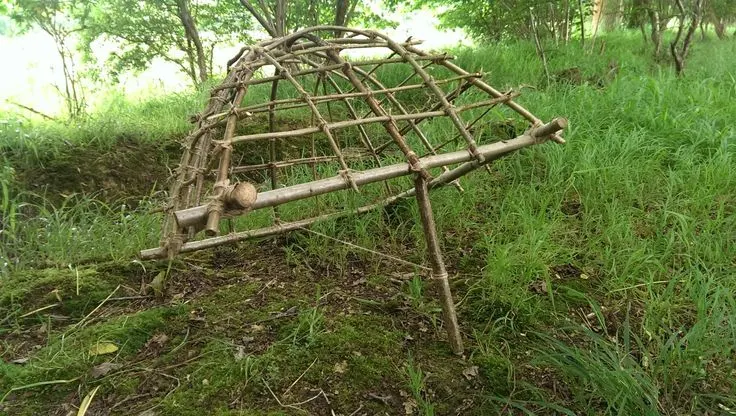
Trapping is regulated in Norway. The rules specify which species may be trapped and which traps can be used. Trapping must take place within the legal trapping period, and traps must be positioned so they do not create danger for people or domestic animals.
Norwegian regulations also prohibit using live animals or sound recordings to lure wildlife into traps. These details matter for anyone considering trapping as part of predator management.
Rules can change, and local landowners or management bodies can have additional conditions. Always check the current official rules before trapping or hunting.
Should small game quotas change near important leks?
Sometimes management can reduce hunting pressure through lower quotas, shorter seasons, restrictions on permits or other local measures. Norwegian law allows hunting rules and quotas to be set within the national framework.
Artsdatabanken specifically identifies measures such as daily or seasonal quotas and restrictions on permit sales as tools that can reduce the risk of overharvesting grouse. The important point is that a small game quota should be based on the condition of the population and the management objective, not simply on the presence of a lek.
This is also an area where new research matters. NINA’s harvest experiments are testing how different levels of hunting affect grouse populations. That evidence can improve future decisions about sustainable harvest.
Capercaillie Lek Protection: What changes and what happens next?
The current direction points toward local data, more attention to habitat and closer testing of hunting effects. The Norwegian Red List is also being updated for its next 2027 revision, so the formal knowledge picture will continue to develop.
Sources Note
This article is based on information from NINA, Artsdatabanken, Miljødirektoratet and Lovdata. NINA provides current monitoring and research on Norwegian grouse. Artsdatabanken provides species assessments and Red List information. Lovdata provides the legal text for hunting and trapping rules. Because wildlife populations and local hunting conditions can change, readers should check the latest official information before making management or hunting decisions.
FAQs
How is a capercaillie lek protected?
Protection can involve recording the site, reducing disturbance during spring display, keeping suitable habitat around it and considering the lek during forestry or development planning.
What is storfugl leik?
Storfugl leik is the Norwegian term commonly used for a capercaillie lek. It is a traditional place where male capercaillie gather and display during the breeding season.
Can people visit a grouse lek?
A lek can be sensitive to disturbance, especially during the breeding period. Anyone planning to visit a known site should follow local guidance and avoid actions that could disturb displaying birds.
Does red fox control always increase grouse numbers?
No. Red fox can affect ground-nesting birds, but grouse populations are influenced by several factors. Predator control should be based on local evidence and a clear management purpose.
Are small game quotas the same everywhere in Norway?
No. Hunting access, quotas and local conditions can vary. National hunting rules provide the framework, while local management can set additional restrictions where permitted.
Disclaimer: This article is intended for general educational and informational purposes. Wildlife behavior and conservation conditions can vary by region and change as research develops. Always refer to recognized conservation and wildlife authorities for the latest information.
