Wildlife Vehicle Collision Norway: has a long road network that crosses forests and mountain areas where wild animals move. Cars and trains use fixed routes while wildlife does not. That creates a simple but serious problem.
The latest full national figures show 9,100 cervids killed by cars or trains in 2025–2026. Roe deer made up most of these deaths. The figures help explain wildlife vehicle collisions norway but do not cover every wild animal hit in the country.
For readers researching wildlife vehicle collisions norway the first thing to understand is what the official statistics actually measure.
Key Takeaways
- 9,100 cervids were killed by cars or trains in 2025–2026.
- Roe deer were the largest group in traffic deaths.
- Moose collisions can create serious road safety risks.
- Fallvilt records need context because they include several causes and outcomes.
- Ettersøksekvipasjer help locate injured wildlife.
- Drivers must report collisions and should leave injured animals to trained personnel.
- SSB and Hjorteviltregisteret are useful official sources for checking current figures.
What do the latest wildlife vehicle collision statistics show?
Statistics Norway says 14,527 moose deer wild reindeer and roe deer were registered as dead or killed outside ordinary hunting during 2025–2026.
Of these animals 9,100 were killed by vehicles or trains. Cars caused most of the recorded traffic deaths.
The latest breakdown is:
- Roe deer: 6,827 killed by motor vehicles and 232 by trains
- Moose: 997 killed by motor vehicles and 331 by trains
- Red deer: 698 killed by motor vehicles and 35 by trains
- Wild reindeer: 5 killed by motor vehicles and 2 by trains
That means 8,527 cervids were killed by motor vehicles and 600 were killed by trains. Statistics Norway updated these figures on 26 June 2026.
Why are wildlife collisions still a problem in Norway?
Norwegian authorities have pointed to several factors behind wildlife collisions. These include wildlife population density traffic volume vehicle speeds and the growth of road and railway networks.
Weather can change the situation too. Statens vegvesen says collisions are more common around dawn and dusk when animals are moving between areas. Heavy snow can also increase the risk especially for moose.
So wildlife vehicle collisions norway do not have one simple cause. Location season weather animal movement and traffic can all matter.
What does viltpåkjørsler statistikk tell us?
One important source is the Hjorteviltregisteret. It is a national database holding hunting information and fallvilt data for selected species. The public system allows statistics to be viewed at different geographic levels from local areas to national totals.
The word fallvilt generally refers to wildlife that dies or is killed outside ordinary hunting. This can include animals hit by vehicles animals found dead and animals killed for welfare or safety reasons.
That means a fallvilt number should not automatically be read as a road collision number. The cause must be checked before comparing figures.
Which animals are involved most often?
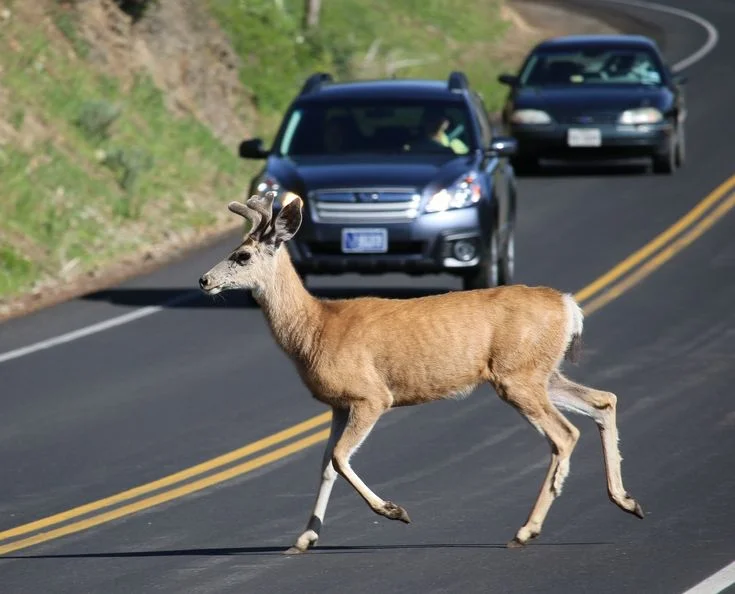
Roe deer clearly stand out in the latest national data. In 2025–2026 6,827 roe deer were recorded killed by motor vehicles. That was much higher than the 997 moose and 698 red deer killed by motor vehicles in the same hunting year.
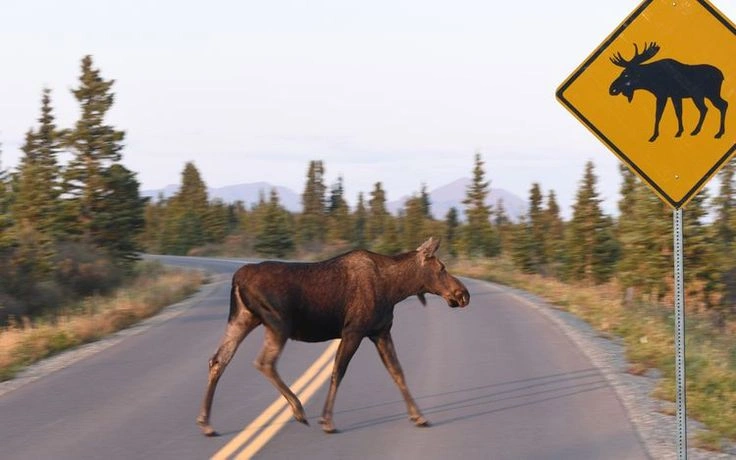
Moose still deserve special attention because they are large animals. A collision can cause heavy vehicle damage and can be dangerous for people inside the vehicle.
Red deer are also important. Their recorded vehicle deaths fell by 21.6 percent from the previous hunting year. Moose vehicle deaths rose slightly by 1.7 percent while roe deer vehicle deaths rose by 0.4 percent.
How does animal road accident data get recorded?
When an animal is hit the event can move through several stages. First the collision or injured animal is reported. Police can then notify local wildlife authorities. The location may be marked so trained personnel can find the animal or begin a search.
If the animal is injured it may be found at the scene or after a search. It can then be killed humanely if needed. Sometimes the animal is found dead later. In other cases a search ends without finding it.
Animal road accident data and carcass handling can look simple but the Hjorteviltregisteret records several outcomes including death at the scene humane killing after a search and searches where the animal is not found.
What should drivers do after hitting an animal?
This part is practical and very important.
If you hit an animal in Norway you must report the incident. Statens vegvesen says failing to report it is an offence. Drivers should call the police on 02800. The police can then notify the local wildlife authorities.
Drivers should also make the accident area safe. Use hazard lights and a warning triangle when appropriate. If police allow you to leave the scene the location should be marked so wildlife personnel can find it.
Do not try to kill an injured animal yourself unless the police have approved it. Trained personnel should handle the search and any necessary humane action.
If there is a person injured in the accident the emergency number is 113.
Can the statistics show where collisions happen?
Yes but the level of detail depends on the dataset and period being examined. The Hjorteviltregisteret provides geographic information and lets users explore fallvilt by area. This can help identify places where collisions are recorded more often.
That is why wildlife collision reporting needs context. A map can show where records are concentrated but it does not explain every reason behind them.
What do the numbers mean for road safety?
Wildlife vehicle collisions norway statistics are about more than wildlife.
A collision can damage a vehicle create danger for drivers and passengers and cause suffering for the animal. Large animals such as moose can be especially serious because their bodies can strike the windscreen or roof area.
Norway uses several measures to reduce collision risk. Statens vegvesen lists wildlife fencing crossings warning systems signs vegetation clearing and speed reductions among measures used on roads.
What is changing in the latest data?
In 2025–2026 1,330 cervids were killed by cars or trains. Statistics Norway says the number of moose killed in traffic has declined over the longer term alongside a smaller moose population.
Red deer traffic deaths also fell compared with 2024–2025. Roe deer remained the most common traffic casualty.
Sources Note
This article uses public information from Statistics Norway the Norwegian Public Roads Administration the Norwegian government and the Hjorteviltregisteret. The main national figures refer to the 2025–2026 hunting year.
The data describes registered cases so it should not be treated as a perfect count of every wildlife collision. Reporting coverage can vary and later updates can change totals. Viltnemnda focuses on making wildlife information easier to understand while keeping official figures and uncertainty clear.
Frequently Asked Questions
How many animals are killed in wildlife vehicle collisions in Norway?
In the 2025–2026 hunting year 9,100 moose deer wild reindeer and roe deer were killed by cars or trains. This does not represent every wild animal species or every wildlife collision in Norway.
Which animal is hit most often in Norway?
Roe deer are the most frequently recorded cervid involved in traffic deaths. In 2025–2026 6,827 roe deer were killed by motor vehicles and another 232 by trains.
What does fallvilt mean?
Fallvilt is used for wildlife that dies or is killed outside ordinary hunting. The register can include animals killed in traffic along with animals affected by disease injury or other causes.
What is an ettersøksekvipasje?
It is a trained dog and handler team used to search for injured or missing wildlife. These teams can be important after road collisions when an animal has moved away from the impact area.
What should I do if I hit a deer in Norway?
Make the area safe and report the collision to the police by calling 02800. The police can notify local wildlife authorities. Do not try to handle or kill an injured animal yourself unless the police approve it.
Where can I check official wildlife collision data?
Statistics Norway provides national figures while the Hjorteviltregisteret provides more detailed fallvilt information and geographic views. These are better sources for current figures than unsourced online estimates or social posts.
Disclaimer
This article is for general educational and informational purposes. Wildlife collision records can change as reporting is updated. Always check official Norwegian wildlife and road authorities for the latest local information and guidance locally today.
