Submitting a game management application to the wrong administrative body can cost landholders, hunting management units (vald), and local residents weeks of wasted processing time. A landholder requesting a quota adjustment or a hunter filing a local wildlife inquiry often assumes all game management in Norway flows through a single municipal office, only to have their paperwork rejected or misrouted.
The core comparison of villreinnemnda vs viltnemnda comes down to geographic jurisdiction and species scope. In any discussion on villreinnemnda vs viltnemnda, the fundamental distinction is that a viltnemnd is a local municipal body handling general game management within a single kommune, while a villreinnemnd is a state-appointed regional board governing a specific wild reindeer area across multiple municipal and county borders. Understanding the villreinnemnda vs viltnemnda framework ensures your consultation responses, management plans, and official appeals reach the correct authority without unnecessary delay.
What a Viltnemnd Is?
A viltnemnd (municipal game board) operates strictly at the local government level. Appointed directly by the municipal council (kommunestyre), its authority is tied to the geographical boundaries of a single municipality.
The board oversees day-to-day general game management across common local species, including moose, red deer, roe deer, small game, and local human-wildlife conflict issues. It administers local wildlife management and hunting quotas (fellingstall), registers local hunting units, handles local crop damage cases caused by game, and organizes local emergency response teams (fallviltkorps) for traffic-injured animals. Because its mandate is local and administrative, many municipalities now integrate the duties of the viltnemnd into a broader municipal environment committee.
For a complete breakdown of internal voting procedures, see our guide on the Viltnemnda Decision Process, or read about eligibility and board composition in Who Sits on a Viltnemnd.
What a Villreinnemnd Is?
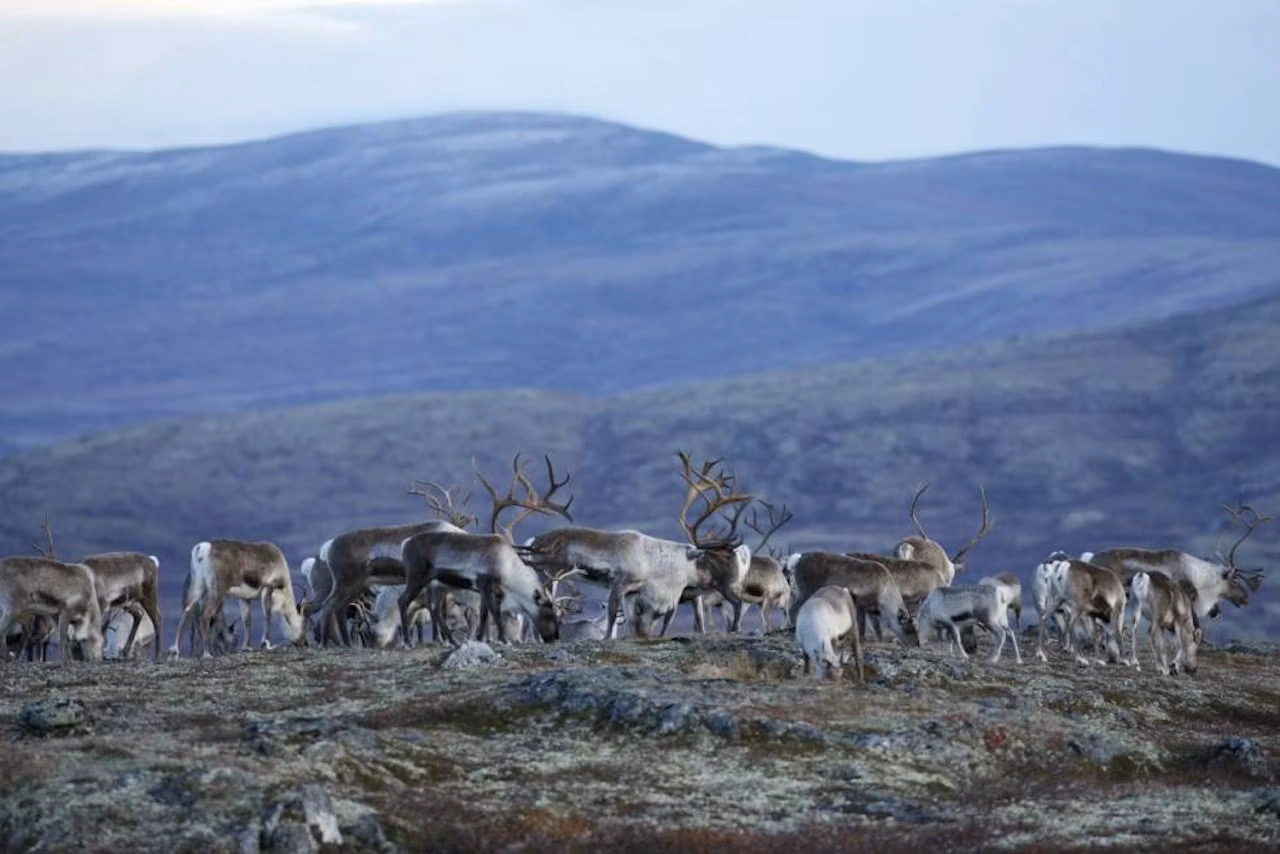
A villreinnemnd (regional wild reindeer board) is a specialized, state-sanctioned body created specifically to manage Norway’s wild reindeer (Villrein) populations across broader landscapes. Because wild reindeer herds migrate across vast alpine plateaus without regard for municipal borders, managing them requires a regional, ecosystem-based approach rather than piecemeal municipal oversight.
Appointed by the Ministry of Climate and Environment (and administered via the relevant County Governor / Statsforvalteren), a villreinnemnd covers a designated national wild reindeer area such as Hardangervidda, Nordfjella, or Rondane that typically spans multiple municipalities and counties. The board consists of members nominated by the affected municipalities and local landholder associations within that specific mountain region.
Its statutory mandate focuses exclusively on wild reindeer ecology and habitat preservation. The board oversees regional population management plans, sets overarching harvest targets across the entire herd range, reviews infrastructure development proposals that threaten migration corridors, and coordinates long-term habitat preservation strategies.
Side by Side Comparison
When evaluating villreinnemnda vs viltnemnda, comparing their structural positions, legal authorities, and administrative scales highlights key differences.
Key Operational Differences in the Villreinnemnda vs Viltnemnda Model
-
Primary Level of Government: In the villreinnemnda vs viltnemnda structure, a viltnemnd sits at the municipal level (kommune), while a villreinnemnd operates as a state-appointed regional body via Statsforvalteren.
-
Geographic Scope: A viltnemnd covers a single municipality, whereas a villreinnemnd covers a defined regional wild reindeer area spanning multiple municipalities and counties.
-
Appointing Body: Municipal councils (kommunestyre) appoint the viltnemnd, while the Ministry of Climate and Environment appoints the villreinnemnd.
-
Target Species: Analyzing species targets under villreinnemnda vs viltnemnda shows the viltnemnd managing moose, red deer, roe deer, small game, and general local wildlife, whereas the villreinnemnd manages wild reindeer (Rangifer tarandus tarandus) exclusively.
-
Core Decision Authority: Local quota allocation, local hunting units (vald), and traffic-injured game (fallvilt) are decided by the viltnemnd. Regional reindeer management plans and total herd quotas are decided by the villreinnemnd.
-
Administrative Support: The viltnemnd is supported by the municipal forestry or agricultural office, while the villreinnemnd is supported administratively by the County Governor (Statsforvalteren).
-
Appeal Authority: In the appeal path for villreinnemnda vs viltnemnda, appeals against a viltnemnd go to the County Governor (Statsforvalteren), while appeals against a villreinnemnd go to the Norwegian Environment Agency (Miljødirektoratet).
The primary source of practical confusion in villreinnemnda vs viltnemnda stems from two specific areas: geographic scope and the appeal path. A hunter living in a municipality that sits inside a wild reindeer area often assumes their local municipal board holds ultimate authority over all local hunting quotas. In reality, while the local municipal office might handle local moose quotas, wild reindeer quotas are governed by the regional board. Consequently, filing an appeal with the municipal council regarding a wild reindeer quota decision results in immediate procedural rejection, as the appeal must go through Statsforvalteren to the Norwegian Environment Agency.
Understanding this clear board mandate difference prevents costly misdirection of official paperwork and ensures compliance with statutory deadlines.
Where the Two Actually Overlap?
Because wild reindeer range across large mountain ecosystems, a single municipality located along a mountain plateau will routinely have both bodies operating within its administrative borders simultaneously. This overlap requires careful division of responsibilities under the villreinnemnda vs viltnemnda framework.
Consider a practical example in a mountain municipality like Hol or Vinje, which borders the Hardangervidda wild reindeer area:
Local Moose vs Migratory Reindeer
A local landholder owns property that spans both low-altitude pine forests and high-alpine tundra. If the landholder applies to adjust their annual moose harvest quota or register a new hunting unit (vald) for red deer in the valley, the case is handled entirely by the municipal viltnemnd.
Land-Use Development along a Reindeer Corridor
If that same landholder submits a planning proposal to build tourist cabins or construct an access road near the upper alpine border of their property, both boards become involved. The municipal viltnemnd evaluates the proposal for local forest game impact. However, because the development threatens an established wild reindeer migration path, the regional villreinnemnd acts as a statutory consulting authority. The regional board evaluates the proposal’s cumulative impact on the entire herd range and submits formal objections if the construction compromises national wild reindeer preservation goals.
In this overlapping terrain, the local board manages traditional game harvest within the municipality, while the regional board holds a protective, landscape-level mandate over wild reindeer habitat.
Why Wild Reindeer Are Handled Differently?
Norway holds a unique international responsibility for wild reindeer. As the last remaining country in Europe with viable populations of wild alpine reindeer (Rangifer tarandus tarandus), Norway is bound by international treaties—including the Bern Convention—to safeguard these fragmented herds and their alpine habitats.
Wild reindeer require vast, continuous mountain areas to move seasonally between summer grazing pastures, winter lichen grounds, and calving areas. Human encroachments like highways, power lines, ski resorts, and cabin developments fragment these ancient corridors. If management were left solely to individual municipalities, a single local council might approve a small cabin development without considering how it cuts off a migration route for a herd shared across ten neighboring municipalities.
To prevent this fragmentation, the Norwegian government established regional wild reindeer areas (villreinområder), each governed by its own regional board. This cross-border governance structure ensures that herd conservation takes precedence over local municipal land-use pressures. For a broader look at how population dynamics affect harvest allocations across species, read our analysis on Moose and Red Deer Population Trends.
What This Means for Anyone with a Case?
To ensure your case, application, or appeal is processed without administrative delays, follow this decision path before submitting paperwork:
Decision Path
-
Identify the Species Involvement: Determine whether your case involves local game or wild reindeer.
-
Direct Local Species Cases: For moose, red deer, roe deer, small game, or traffic-injured wildlife (fallvilt), send your case directly to your local municipal viltnemnd.
-
Direct Reindeer Cases: For wild reindeer quotas, herd management, or alpine habitat conservation, direct your inquiry to the regional villreinnemnd administered via the County Governor (Statsforvalteren).
-
Land Development Inquiries: Submit planning applications directly to the municipal planning office; if the project sits near a wild reindeer corridor, the municipal planner will invite the regional villreinnemnd to submit a formal consultation response.
Following Official Case Handling Rules
When participating in public consultation or submitting formal inquiries regarding villreinnemnda vs viltnemnda, double-check the receiving authority:
-
Case Handling & Submissions: Applications for local hunting units (vald) for general game go to the municipal agriculture or environmental department. Submissions regarding wild reindeer management plans go to the relevant secretary of the regional wild reindeer board, hosted at the County Governor’s office (Statsforvalteren).
-
Public Consultation: Formal statements regarding regional reindeer habitat plans must be sent directly to the regional board during open consultation periods governed by the Public Administration Act (forvaltningsloven).
-
Exercising Appeal Rights: If you wish to appeal a decision made by a municipal viltnemnd, your appeal must be addressed to the municipality, which forwards it to the County Governor (Statsforvalteren). If you are appealing a formal decision made by a villreinnemnd, your appeal goes through Statsforvalteren to the Norwegian Environment Agency (Miljødirektoratet).
Filing your paperwork with the correct office from day one ensures your case adheres to statutory timelines and avoids procedural dismissal.
The Summary Distinction
A viltnemnd is a municipal body managing local game within a single town’s borders, whereas a villreinnemnd is a state-appointed regional board managing wild reindeer across an entire mountain ecosystem.
To verify which wild reindeer area covers your property or hunting ground, check the official interactive maps hosted on the national game portal at Hjorteviltregisteret or inspect the regional wild reindeer map layers at Miljødirektoratet.
Frequently Asked Questions Regarding Villreinnemnda vs Viltnemnda
What is the main point in villreinnemnda vs viltnemnda?
The primary distinction in villreinnemnda vs viltnemnda is scale and species. A viltnemnd is a municipal-level body appointed by the local council to manage general game species like moose, red deer, roe deer, and small game within one municipality. A villreinnemnd is a state-appointed regional board managing wild reindeer across multiple municipalities that share a mountain ecosystem.
Who appoints a villreinnemnd?
Members of a villreinnemnd are appointed by the Ministry of Climate and Environment based on nominations from affected municipalities and landholder organizations, and the board is administered regionally through the County Governor (Statsforvalteren).
Which board handles wild reindeer decisions in the villreinnemnda vs viltnemnda split?
All decisions specifically concerning wild reindeer quotas, population management plans, and regional habitat conservation fall exclusively under the mandate of the regional villreinnemnd.
Can both boards be involved in the same area?
Yes. If a municipality sits within or borders a designated wild reindeer area, the municipal viltnemnd handles general forest game while the regional villreinnemnd oversees wild reindeer conservation and acts as a statutory consulting body on land development proposals affecting mountain corridors.
Where do you appeal a villreinnemnd decision versus a viltnemnd decision?
Appeals against decisions made by a viltnemnd are submitted to the municipality and handled by the County Governor (Statsforvalteren). Appeals against decisions made by a villreinnemnd must be submitted to the County Governor (Statsforvalteren), which acts as the secretariat and routes the formal appeal to the Norwegian Environment Agency (Miljødirektoratet) for final review under the Public Administration Act (forvaltningsloven).
Which board handles a moose case in a reindeer area?
Any case involving moose, red deer, roe deer, or local small game is handled by the local municipal viltnemnd, even if the property or hunting area sits inside a recognized wild reindeer region.
