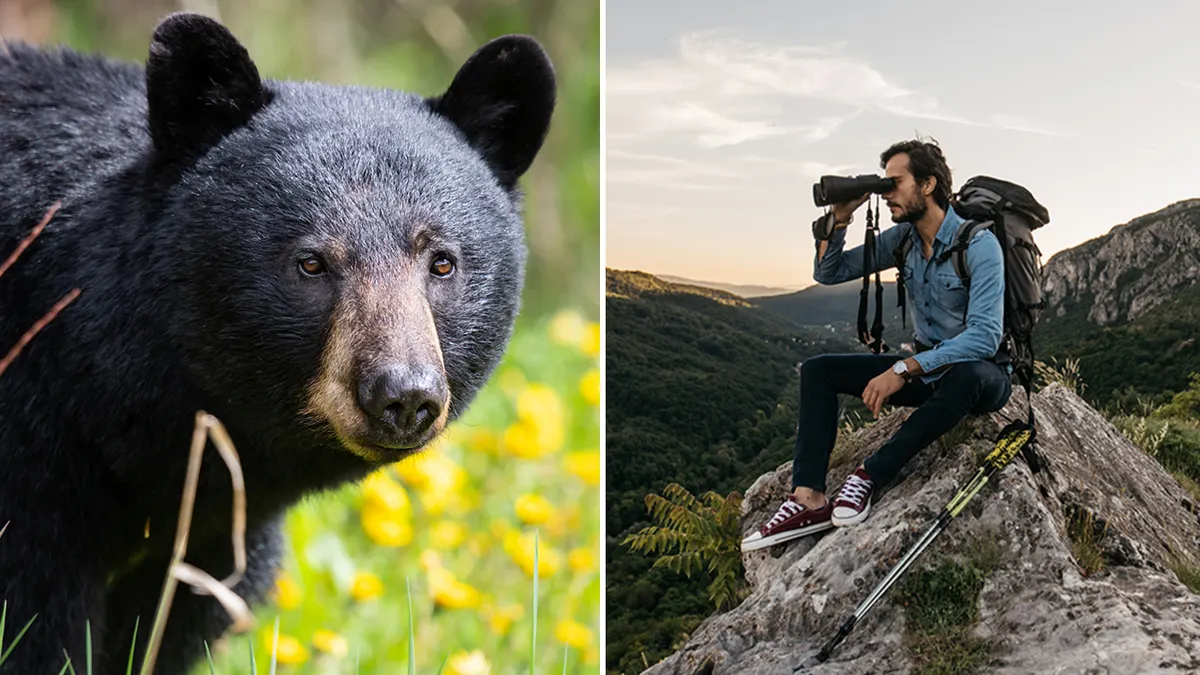
Planning a trip into the Norwegian outdoors often raises questions about large carnivores, but the actual chance of a bear encounter remains remarkably small. Most online safety guides import advice written for North American grizzly populations, which misleads visitors about the realities of hiking in Nordic terrain. According to official monitoring bodies, brown bears in Norway are elusive, highly cautious around humans, and confined to specific border corridors. Understanding how to handle a potential bear encounter ensures you react calmly and correctly in the field.
If you are hiking, camping, or hunting in areas where bears roam, understanding official protocols ensures you react properly. Preparing for a bear encounter involves assessing your risk by region, knowing how to avoid attracting wildlife, learning the exact steps to take if you spot a bear at distance or close range, understanding what the law dictates regarding self-defence, and following emergency reporting procedures. All recommendations reflect official guidance from the Norwegian Nature Inspectorate (Statens naturoppsyn) and national wildlife monitoring bodies.
How Likely This Actually Is?
A bear encounter in Norway is an extremely rare event. According to monitoring data from Rovdata, Norway’s total brown bear (Ursus arctos) population consists of roughly 160 to 180 individuals. The vast majority of these animals reside in tight geographical corridors along the eastern borders shared with Sweden, Finland, and Russia.
In North America, bear populations are vastly denser and bear species differ in temperament, leading to a much higher likelihood of a bear encounter than in Scandinavia. In Norway, brown bears have been subjected to centuries of human hunting seasons and hunting pressure, which selected heavily for individuals that actively avoid human scent and noise. Recorded physical injuries to humans from a bear encounter in Norway are extraordinarily rare, with only a handful of non-fatal incidents recorded over the past century, almost all involving armed hunters following wounded animals into dense cover. Generic online advice advising people to carry bear spray or handguns completely ignores the local population dynamics, low contact rates, and strict Norwegian legal frameworks.
Where Bears Are, and When?
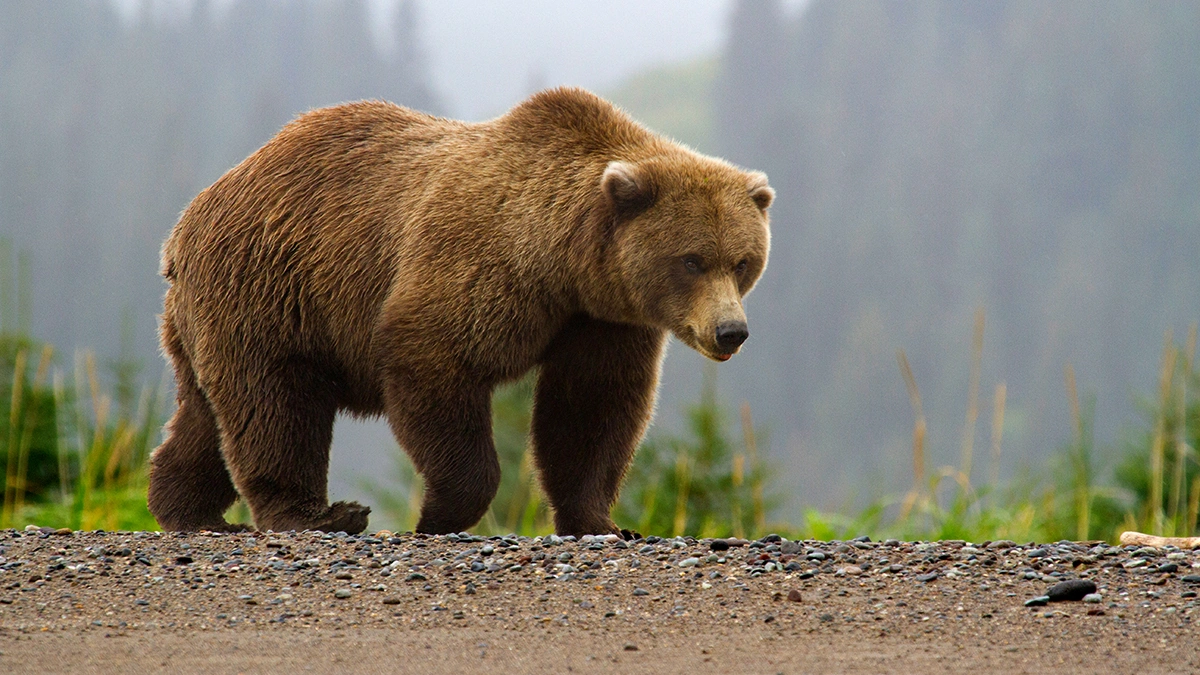
Brown bear distribution in Norway is non-uniform. Animals are concentrated within specific carnivore management zones (rovviltregioner) located primarily in eastern Hedmark (Innlandet county), Pasvik and Anárjohka in Finnmark, and parts of Trøndelag and Nordland. Anyone travelling through these regions should be aware of the possibility of a bear encounter during peak activity months.
Risk Distribution Across Norway
-
Concentrated Risk: Innlandet (Hedmark), Pasvik (Finnmark), Border areas of Trøndelag, and Eastern Nordland.
-
Low or Zero Risk: Western Fjords, Southern Coast, Central Mountain Ranges, and all Major Urban Areas.
Bears are most active from late April, when they emerge from winter dens, through October, before entering hibernaculum in November. Peak activity occurs during late summer and autumn when bears spend up to twenty hours a day foraging for berries and insects to build lipid reserves. Search terms in Norwegian local guides often refer to møte bjørn, though international visitors frequently search for the plain letter phrase mote bjorn when reading regional reports regarding bear safety advice.
Avoiding an Encounter in the First Place
Preventing a close-range bear encounter relies entirely on making your presence known and managing potential attractants long before you cross paths with wildlife.
-
Make Moderate Noise: Speak in a normal conversational voice, snap dry branches, or whistle periodically when moving through dense brush, low-visibility forest, or near loud creeks where wind and water drown out noise.
-
Manage Food Storage: Store all food, cooking utensils, and trash in airtight, sealable bags inside your pack. Never leave food scraps or fish offal near your campsite, as lingering odours are a primary cause of an unexpected bear encounter.
-
Camp Mindfully: Norway’s right to roam, known as allemannsretten, allows public camping across uncultivated land, but pitching a tent directly along animal trails or near dense berry patches in high-density bear corridors increases contact risk.
-
Keep Dogs Leashed: A loose dog that experiences a bear encounter will often bark, harass the animal, and then run straight back to its owner with the bear in pursuit. Always maintain leash control in carnivore zones.
-
Travel in Groups: Group movement naturally generates more noise and visual presence, which prompts bears to vacate the area and prevents a direct bear encounter.
If You See One at Distance
Spotting a bear at a distance of 100 metres or more is a rare privilege rather than an immediate emergency. Managing a distant bear encounter requires calm and deliberate steps.
-
Stop and Assess: Stand still and confirm the bear has not noticed you.
-
Do Not Approach for Photos: The single most common mistake tourists make during a bear encounter is moving closer to get a photograph or video. Approaching a bear reduces its escape options and escalates stress.
-
Back Away Slowly: Keep your eyes on the bear without staring directly into its eyes. Retrace your steps back down the trail while speaking in a calm, clear voice to announce your human presence.
-
Give the Animal an Exit: Ensure the bear has an unobstructed path to move deeper into cover.
-
Report the Sightings: Once you are at a safe distance following a bear encounter, note the time and location to report to local Statens naturoppsyn personnel.
If You Are Close
If you surprise a bear at close range typically under 50 metres in thick brush a close-range bear encounter will likely startle the animal. Keep your movements controlled and predictable.
A Surprised Bear
Do not run during a close-range bear encounter. Running triggers a chase instinct that no human can outrun. Stand tall, talk in a loud, firm, calm voice to identify yourself as human, and slowly raise your arms above your head to make your silhouette larger. Slowly back away.
A Bear with Cubs
Female bears with young are highly protective. A bear encounter involving a sow and her cubs is particularly serious, and you must never get between a mother and her young. If you realize cubs are present, back away immediately without turning your back. Make calm, steady noise so the sow recognizes your location and can move her offspring away.
A Bear That Does Not Move Away
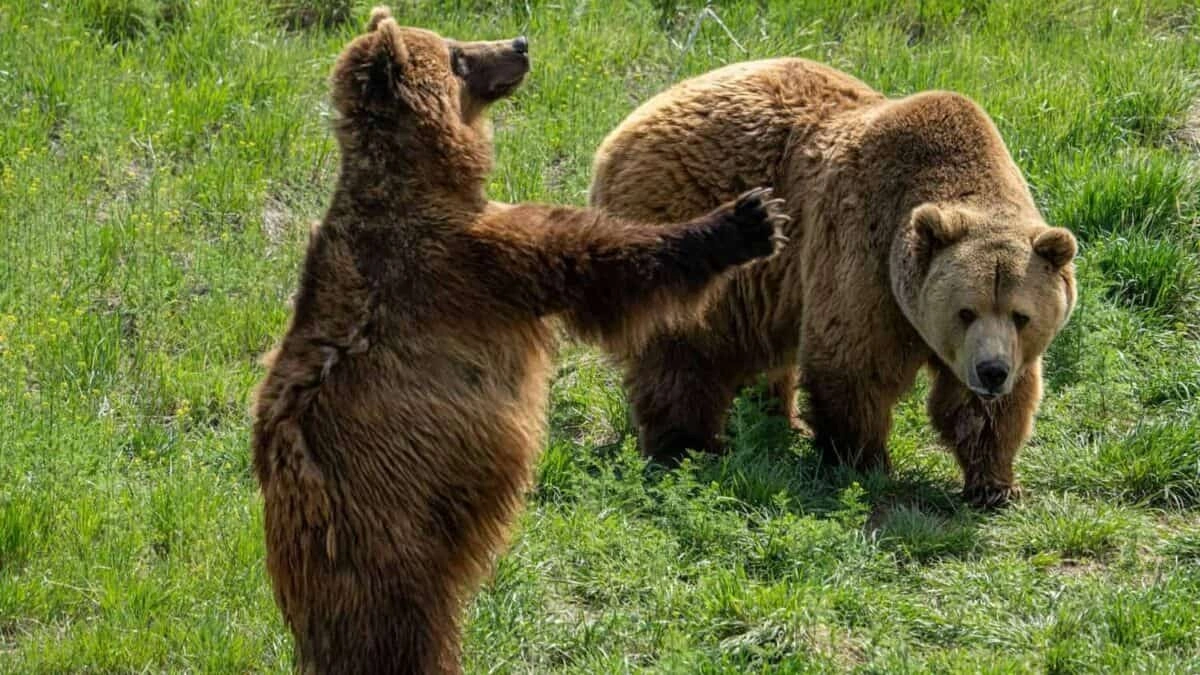
If a bear stands on its hind legs during a bear encounter, it is not demonstrating aggression; it is elevating its nose and eyes to identify what you are. Stand your ground. Speak firmly, slowly wave your arms, and step back inch by inch.
If a Bear Charges
A charge from a brown bear is one of the most intense wilderness events possible, but nearly all charges in Nordic contexts are bluff charges meant to end the bear encounter safely.
Recognizing a Bluff Charge
During a bluff charge, a bear runs towards you at speed, ears pinned forward or erect, but stops abruptly several metres away or veers off into cover. Its goal is to force you to retreat, ending the bear encounter without making physical contact.
How to Respond
-
Stand Your Ground: Do not run, scream, or throw objects. Standing firm causes the bear to halt its bluff.
-
Drop to the Ground If Contact Is Inevitable: In the extremely rare event that a bear encounter results in physical contact, lie flat on your stomach, clasp your hands tightly behind your neck to protect your throat and spine, and use your elbow and feet to prevent being flipped over. Keep your backpack on to act as armor.
-
Remain Completely Passive: Once the bear realizes you are non-threatening, it will almost always disengage and leave the scene. Stay still until you are certain the bear encounter is completely over.
What the Law Says About Defence?
The legal framework regarding wildlife protection in Norway is strict, and carrying weapons for bear protection is generally prohibited.
-
Strict Protection: Brown bears are a protected species in Norway under national environmental law.
-
Self-Defence Exceptions: Destruction of a bear during a bear encounter is legally permitted only in extreme cases of direct threat to human life or severe property destruction under specific emergency clauses (nødverge).
-
Firearm Restrictions: Carrying firearms for personal safety while hiking is illegal without specific permits. Hunters who carry firearms must adhere to strict firearm safety rules and demonstrate mandatory shooting proficiency before hunting season. Carrying a rifle does not grant automatic permission to shoot protected wildlife during an unexpected bear encounter.
-
Mandatory Reporting: Any bear encounter resulting in the injury or death of a bear must be reported immediately to the police (Politiet) and Statens naturoppsyn. An official investigation will be launched to determine whether the action met legal emergency standards. This overview is informational and does not constitute formal legal advice.
If Someone Is Injured
While injuries resulting from a bear encounter are exceptionally rare, immediate and structured response protocols are essential if an accident occurs.
Emergency Contact Information
-
Medical Emergency (Ambulance): 113
-
Police (Politiet): 112
-
Joint Rescue Coordination Centre: 51 51 70 00
Emergency Action Protocol
-
Ensure Scene Safety: Verify the bear has left the area before approaching an injured person following a bear encounter.
-
Apply Field First Aid: Prioritize severe bleeding control using direct pressure or tourniquets from your kit. Cover open wounds with sterile dressings and keep the victim warm to prevent clinical shock. Basic field first aid skills are crucial when managing wilderness injuries.
-
Call Emergency Services Immediately: Dial 113 for medical emergencies or 112 for police dispatch. Provide exact GPS coordinates, the condition of the injured individual, and details of the bear encounter.
-
Notify Wildlife Inspection: Contact Statens naturoppsyn so tracking teams can secure the area and monitor the bear’s movements.
Keeping Perspective in the Norwegian Wild
A realistic assessment of risk allows you to enjoy Norway’s wilderness without unnecessary fear. Millions of hikers, campers, and outdoor enthusiasts use the country’s national parks every year without ever experiencing a bear encounter. Respecting wildlife boundaries, keeping food sealed, keeping dogs on a leash, and knowing basic animal behavior keeps you safe.
Before travelling into remote border regions, check current public information and local wildlife reports via local municipality boards or public tracking services at Rovdata to stay informed about recent animal movements.
For additional guidance on outdoor access rights, see our detailed explainer on Allemannsretten and Camping Rules. For mountain navigation and safety protocols, refer to our Mountain Safety and Emergency Guide.
Frequently Asked Questions
How many bears are there in Norway?
According to official monitoring figures from Rovdata, Norway has an estimated population of 160 to 180 brown bears. They are mostly located along eastern border regions next to Sweden, Finland, and Russia.
Where in Norway are you most likely to meet a bear?
You are most likely to experience a bear encounter in concentrated carnivore zones, such as eastern Hedmark (Innlandet county), Pasvik and Anárjohka in Finnmark, and border areas within Trøndelag and Nordland.
What should you do if you see a bear?
If you spot a bear at a distance, stop, avoid approaching it for photos, and slowly back away while speaking in a calm voice to announce your presence. If you surprise a bear at close range, do not run; stand tall, speak firmly, wave your arms slowly, and back away step by step.
What should you do if a bear charges?
Stand your ground. Most charges in Norway are bluff charges designed to intimidate you into leaving. If the bear makes physical contact, drop flat on your stomach, protect the back of your neck with your hands, use your backpack as armor, and remain passive until the animal leaves.
Can you shoot a bear in self defence in Norway?
Carrying firearms for self-defence while hiking is illegal in Norway. Killing a protected bear is only legally defensible in extreme, life-threatening emergency situations under strict legal clauses (nødverge), and any incident will be thoroughly investigated by authorities.
Who do you call if there is a bear incident?
For medical emergencies, call 113. For police dispatch, call 112. You must also report any bear encounter or incident to Statens naturoppsyn (the Norwegian Nature Inspectorate) and local wildlife authorities.
