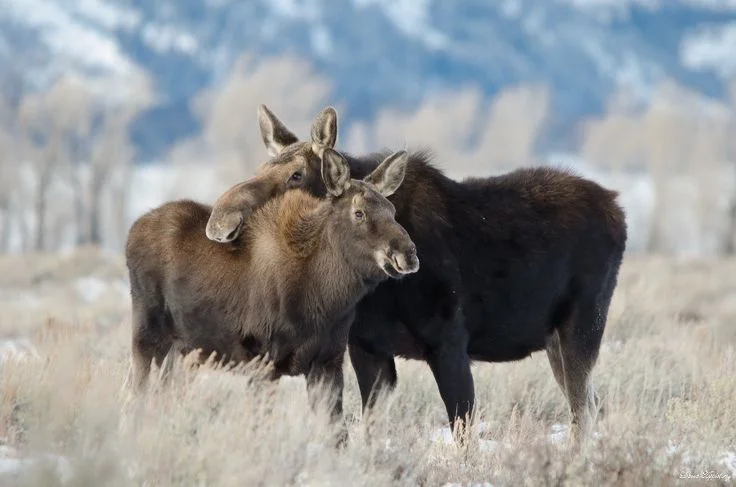
Moose management can look complicated when you first see terms like sex-age structure, harvest rate, calf recruitment and Sett elg. Structured moose harvest means deciding not only how many moose should be taken, but also which kinds of moose make up that harvest.
In Norway, that usually means paying attention to bulls, cows and calves, along with age groups such as 1½-year-old and older animals. The goal is to connect harvest pressure with local population, reproduction, habitat and management targets.
For 2025–26, Norway recorded 26,609 harvested moose, including 14,903 males and 11,706 females. The figures show why harvest statistics need to be read by sex and age.
Key Takeaways
- Structured moose harvest considers both the number and composition of animals harvested.
- Bulls, cows and calves can be managed as separate categories under targeted harvest rules.
- Sett elg data are hunter observations and should not be confused with a national population count.
- Calf and young-animal weights can help track changes in population condition over time.
- Harvest statistics become more useful when they are compared with local objectives and previous seasons.
- Local conditions matter, so national figures should not be copied directly into a local harvest target.
What does structured moose harvest mean in 2026?
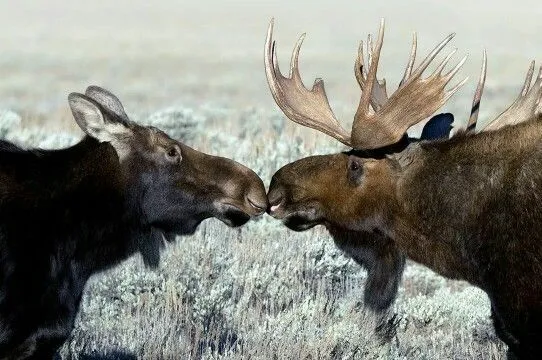
Structured moose harvest is a planned approach where the composition of the annual catch matters. A local management plan can set targets for the number of animals harvested and describe the intended distribution by age and sex.
That approach fits Norway’s wildlife-management system. Municipalities set objectives for elg, hjort and roe deer populations, taking account of factors such as habitat, population development, damage to agriculture and forestry, and wildlife accidents. Approved population plans can then describe annual harvesting by age and sex.
Think of it like a household budget. The total matters, but where the money goes matters too. Different harvest choices can shape the population differently.
Why do bulls, cows and calves matter?
Sex and age are not just labels on a harvest report; alders- og kjønnssammensetning for elg helps describe the structure being managed. They help explain how the population is being shaped by hunting.
Bulls are adult males. Cows are adult females, and their numbers are closely connected with reproduction. Calves represent the youngest age group and provide useful information about recruitment, which simply means the addition of young animals to the population.
Norwegian regulations allow targeted harvesting to divide a moose quota into calf, adult female and adult male categories. This is a practical example of how a harvest can be structured instead of using one unrestricted number.
How does sex and age structure affect a harvest strategy?
A harvest strategy starts with a management question: what kind of population does the area want to maintain?
Managers can then look at observations and previous harvest records. If the data suggest that the population is changing, the planned harvest may be adjusted. It is better to compare several indicators over time and see whether they move in the expected direction.
The Hjorteviltregisteret provides indicators such as moose seen per hunter-day, cow-to-bull observations, calves per cow, and harvest rates within categories.
These are indices, not a direct census. The register specifically warns that the number of moose observed by hunters is not the same thing as the total number of moose in Norway. Observation conditions and hunting methods can also make comparisons between areas difficult.
What Is Sett Elg Data and How Is It Used?
What Does Sett Elg Actually Record?
Sett elg refers to moose observations made by hunters during the hunting season. Hunters record what they see, including bulls, cows without calves, cows with one or two calves, calves seen alone, and animals whose sex or age isn’t known.
These observations give wildlife managers a useful picture of how the moose population appears during the hunting season. The data can then be used to calculate population indices and follow changes over several years.
What Did the 2025 Sett Elg Data Show?
In 2025, the national register recorded 370,250 observed moose. This included 85,953 bulls, 72,538 cows without calves, 58,537 cows with one calf, 14,501 cows with two calves, and 91,056 calves.
These figures describe observations, not the total number of moose living in Norway. They shouldn’t be treated as a direct population count.
Why Does Sett Elg Data Matter?
The real value of Sett elg data comes from collecting observations in a consistent way and comparing them over time. A single year’s figure doesn’t tell the whole story, but several years of comparable data can help show whether population indicators are changing.
That makes Sett elg useful when it is looked at together with harvest statistics, sex and age structure, calf production and other local wildlife data.
Where does calf weight fit into the picture?
Calf weight is another useful piece of the puzzle. The Hjorteviltregisteret reports slaughter weights by age and sex, including bull calves, cow calves, 1½-year-old animals, and older animals.
Calf and 1½-year-old weights can provide information about changes in population condition. That makes them different from older-animal weights, which are more strongly affected by the ages represented in the animals harvested during a particular season.
Weight works best as a trend indicator alongside observations, harvest records and local habitat knowledge.
One low-weight season by itself does not prove that a population is in trouble. A repeated change alongside other indicators is more useful.
What do harvest statistics tell us?
Harvest statistics show what was actually taken, what was allowed to be taken, and how the catch was distributed.
For 2025–26, Norway had 36,247 permitted moose harvests and 26,609 animals were harvested, giving a national harvest rate of 73 percent. The official figures also separate the catch by age and sex.
The national harvest included 5,347 male calves, 5,110 female calves, 3,912 males aged 1½ years, 2,602 females aged 1½ years, 5,644 older males and 3,994 older females.
How is a structured harvest used in practice?
In practice, structured harvest starts with local objectives and a management area. A municipality or approved population-plan area considers available evidence, agrees on targets, and uses the legal quota system to put those targets into practice.
Norwegian rules define a bestandsplan as a publicly approved, multi-year plan with population objectives and a description of annual harvest. For moose and deer, an approved population-plan area can involve two or more hunting areas working together.
This matters because moose move between hunting grounds rather than following property boundaries.
The workflow is simple: review previous data, examine Sett elg indicators, consider calf production and weights, check local conditions, set the harvest structure, then compare results with the plan.
What should hunters and readers watch in 2026?
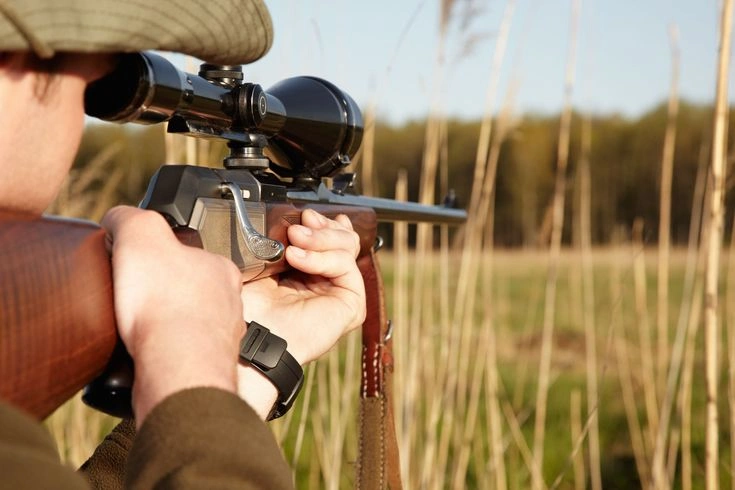
Check whether observed moose per hunter-day is moving up or down. Look at the observed cow-to-bull relationship and calves per cow. Compare planned and actual harvest by sex and age. Where weight data are available, follow calf and young-animal weights over time.
Always check the source, year and geographic area behind a statistic. A national figure from 2025–26 is not automatically a picture of one municipality in 2026.
The Norwegian framework was amended in 2025, so current rules and local decisions should be checked for each hunting area.
What changes might happen next?
Structured moose harvest is likely to remain data-driven rather than being controlled by one universal national recipe. Local objectives, population trends, habitat conditions and harvest results all matter.
The shift is from asking, “How many moose were harvested?” to asking, “Which moose were harvested, what happened to the population indicators, and did the result match the management objective?”
That is where sex-age harvest strategy becomes practical. It turns a harvest list into information that can be compared from season to season.
For Viltnemnda readers, the key point is simple: good moose management is less about finding one perfect number and more about reading several signals together. Sett elg data, harvest statistics, sex and age structure, and calf weight each tell part of the story.
Source Note
This article is based on current Norwegian public sources, including Statistics Norway (SSB), the national Hjorteviltregisteret and the Norwegian regulation on management of cervids. The article explains the data and rules in plain language and does not replace a municipality’s approved management plan or official hunting decision.
Frequently Asked Questions
Is structured moose harvest the same as a normal moose quota?
Not exactly. A quota describes how many animals may be harvested, while a structured harvest also considers the sex and age composition of those animals.
Why are cows important in moose management?
Cows are the reproductive part of the adult population. Their numbers and calf production therefore provide useful information when managers assess population development.
What does Sett elg actually measure?
It measures moose observed by hunters during hunting. It is used to create population indices, but it is not a direct count of every moose in an area.
Why are calf weights useful?
Calf weights can help show changes in population condition. They are most useful when followed as a trend and interpreted together with other data.
Can national harvest statistics be used for every municipality?
No. National figures provide context, but local habitat, population trends, hunting pressure and management objectives can differ substantially.
What should I check before relying on a 2026 moose statistic?
Check the source, hunting year, geographic area and whether the figure is an observation, estimate, permitted quota or actual harvest. Those details can change what the number really tells you.
Disclaimer
This article is for general educational and informational purposes. Wildlife populations, harvest figures and management conditions vary by region and can change as new data become available. Always check current regulations, local management plans and recognized Norwegian wildlife authorities before making hunting or management decisions.
