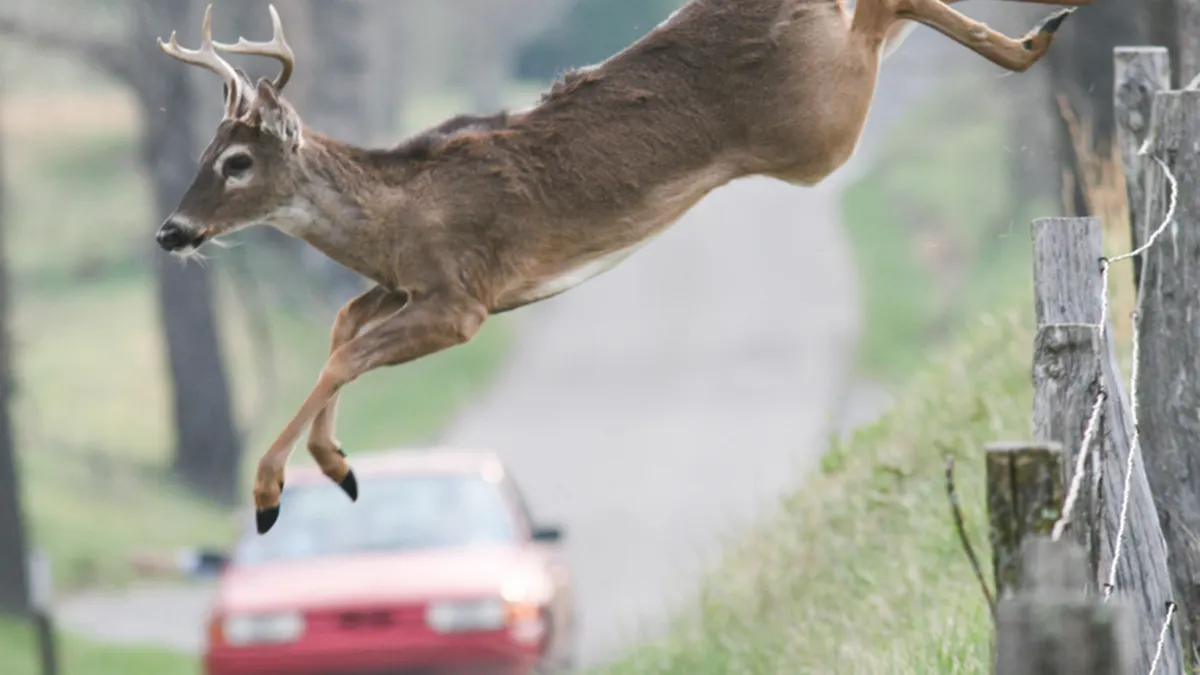
Most drivers in Norway encounter the word fallvilt on road signs or after an animal collision, leading to the common belief that it simply translates to “roadkill.” In legal and wildlife management contexts, however, the term encompasses a far broader set of circumstances.
The fallvilt meaning refers to game animals in Norway that die, suffer injury, or are killed outside of lawful, planned hunting including traffic collisions, disease, starvation, drowning, and humane destruction. This guide breaks down what the term covers, who holds legal responsibility for the carcass, and how municipal tracking teams handle these animals across Norway.
Fallvilt: What the Term Covers and Who Handles It
What does fallvilt mean?
The term fallvilt refers to game animals that die, suffer debilitating injury, or are humanely dispatched outside of lawful, scheduled hunting operations in Norway.
Literally translating from Norwegian as “fallen game,” the word combines falle (to fall or perish) with vilt (wild game). The concept addresses three distinct operational factors:
-
Species Scope: It applies exclusively to species classified legally as wild game (hjortevilt such as moose, red deer, roe deer, and reindeer, alongside recognized small game and carnivores).
-
Cause of Mortality: It covers unmanaged, accidental, or natural deaths occurring independently of a licensed hunter’s tag.
-
Legal Status: Applying the label triggers specific statutory obligations regarding compulsory reporting, official tracking, meat inspection, and carcass ownership.
Understanding this definition matters because the classification determines which public authority takes custody of the animal and who bears legal responsibility for its welfare or disposal.
What the term covers, and what it does not
In daily municipal administration, the classification of fallen game in Norway applies to a wide range of non-hunting wildlife mortalities:
-
Moose collisions are one of the most common examples of fallvilt cases. Drivers can learn more about what happens when they hit a moose in Norway.
-
Starvation or severe exhaustion during hard winters
-
Fatal disease, parasite infestation, or severe infection
-
Accidental drowning in waterways or ice break-through
-
Predation by large carnivores where the carcass is recovered
-
Animals put down by authorized personnel due to severe injury or old age
The boundary that matters most is the line between fallvilt and an animal wounded during a legal hunt. When a hunter hits a moose or deer during open season, that animal remains governed by statutory hunting and search rules (ettersøk). It only becomes fallvilt if the animal crosses municipal boundaries, escapes beyond reasonable search timelines, or is found dead long after the hunt has formally closed.
Furthermore, non-game wildlife such as protected songbirds or small unmanaged rodents is generally handled under broader environmental or sanitation regulations rather than the specific fallvilt administrative framework.
Who is responsible, in order
When a fallvilt event occurs, Norwegian law establishes a strict operational chain of custody and responsibility:
-
The Individual (Finder or Driver): The person who hits or discovers an injured game animal must secure the scene, assess safety, and issue a mandatory police notification immediately via 02800 (or 112 for emergencies).
-
The Police (Politiet): The police receive the initial report, record geographical coordinates, and route the dispatch ticket to the relevant local municipality.
-
The Municipality (Kommune): Municipal authorities hold operational responsibility for managing fallen game. The local fallviltviltlag (municipal wildlife response team) dispatches trained handlers to assess, track, or humanely put down the animal.
-
The Landowner (Grunneier): Landowners retain traditional property rights over fallen game found on their property, subject to municipal health inspections and municipal reclamation decisions.
How municipal teams are structured varies considerably from kommune to kommune. Larger cities may employ dedicated municipal wildlife officers, whereas rural districts often contract local hunting associations or certified dog handlers to operate as on-call response units.
Ettersøk and the tracking dog requirement
When an injured animal flees the scene of a collision or incident, municipal authorities deploy a specialized response unit known as an ettersøksekvipasje.
If you encounter injured wildlife, understanding the correct response process is important. Read more about what to do if you find injured wildlife in Norway. The dog-and-handler team must pass rigorous blood-tracking and spoor tests certified by the Norwegian Association of Hunters and Anglers (NJFF) or Norsk Kennel Klub to demonstrate their ability to track wounded game across complex terrain.
Under Norwegian wildlife regulations, every municipality must maintain constant availability of a certified tracking team to handle vehicle collisions and municipal wildlife emergencies. Similarly, licensed big-game hunters are required by law to either possess a certified tracking dog or hold a written agreement securing access to one within a four-hour window during the hunting season.
What happens to the carcass
Once an animal is recovered or humanely dispatched, ownership and processing follow clear legal guidelines. Under Norwegian law, a fallvilt carcass belongs to the local municipality or the owner of the land where the animal died, depending on local municipal bylaws.
Prior to processing, authorized personnel evaluate the carcass for sanitary suitability:
-
Consumption: If the animal was subjected to humane dispatch quickly following an accident and the meat remains uncomposted and unblemished by trauma, the municipal team or landowner may sell or use the venison.
-
Condemnation: Carcasses showing signs of advanced systemic disease, severe internal blunt force trauma, or rot must be condemned and safely destroyed.
-
Disease Surveillance: In designated monitoring zones, handlers extract biological samples (such as brain tissue or lymph nodes) for national chronic wasting disease (CWD) and rabies surveillance before authorizing carcass handling or disposal.
If you find a dead or injured animal
If you encounter an injured or dead game animal along a road or in the wild, follow these immediate operational steps:
-
Do not approach the animal: Wounded moose or red deer can react aggressively out of fear and cause severe injury.
-
Secure the scene: Turn on your hazard lights, wear a high-visibility vest, and set up a warning triangle if the animal is on or near an active roadway.
-
Call the authorities: Report the incident to the police at 02800 (or 112 if the situation blocks traffic or poses immediate danger). Provide exact GPS location data or road markers.
-
Mark the spot: Mark the exact collision site or point where the animal fled into the brush using a ribbon, plastic bag, or marker to assist the incoming tracking dog team.
For detailed guidance on road safety, vehicle damage claims, and driver legal requirements after a collision, see our complete guide on what to do after hitting an animal in Norway.
Why fallvilt reports matter beyond the individual animal
Every fallvilt incident logged by local police and municipal teams feeds directly into the National Deer Register (Hjorteviltregisteret). This data provides wildlife biologists and transport planners with invaluable ecological information.
These records also help identify important wildlife corridors and areas where animals frequently interact with roads and human infrastructure. Furthermore, traffic collision hot-spots highlighted in fallvilt logs drive national decisions regarding where to construct wildlife overpasses, lower speed limits, or erect game fencing along major corridors like the E6 and E16.
The working definition to remember
Fallvilt is any wild game animal that dies or requires humane termination outside of lawful hunting, creating a legal obligation for public notification, official tracking, and regulated carcass management.
To test whether an animal qualifies as fallvilt, apply this three-part test:
-
Non-Hunting Mortality: Did the injury or death occur outside of normal, planned hunting operations?
-
Game Species: Is the animal classified legally as wild game (hjortevilt, carnivore, or small game)?
-
Official Registry: Has the incident been formally reported to municipal authorities or the police?
Frequently Asked Questions
What does fallvilt mean?
Fallvilt refers to wild game animals in Norway that die, sustain severe injury, or are humanely put down outside of ordinary hunting. The term covers deaths caused by traffic collisions, train strikes, disease, severe weather, drowning, or natural injuries.
Is roadkill the same as fallvilt?
Roadkill is the most common form of fallvilt, but the terms are not identical. Fallvilt is a broader legal category that includes roadkill alongside game animals that die from disease, starvation, drowning, or injuries sustained outside of legal hunting.
Who do you call if you hit an animal in Norway?
If you hit a game animal in Norway, you must call the police immediately at 02800 (or 112 if the collision creates an immediate hazard). The police will dispatch the local municipal wildlife tracking team (fallviltviltlag) to locate the animal.
Who owns a fallvilt carcass?
A fallvilt carcass belongs either to the local municipality or the private landowner, depending on local municipal regulations. If the meat passes health and sanitary inspections, it may be utilized or sold; otherwise, the carcass must be safely destroyed.
What is an ettersøksekvipasje?
An ettersøksekvipasje is an officially certified tracking team consisting of a trained handler and a certified tracking dog (ettersøkshund). They are deployed by municipalities or hunters to track wounded or injured game animals following traffic accidents or hunting shots.
What is the difference between fallvilt and a wounded animal from a hunt?
An animal wounded during a legal hunt is managed under statutory hunter search rules (ettersøk). It only becomes fallvilt if it survives beyond the formal hunt, crosses municipal boundaries without recovery, or is found dead after hunting operations have closed.
