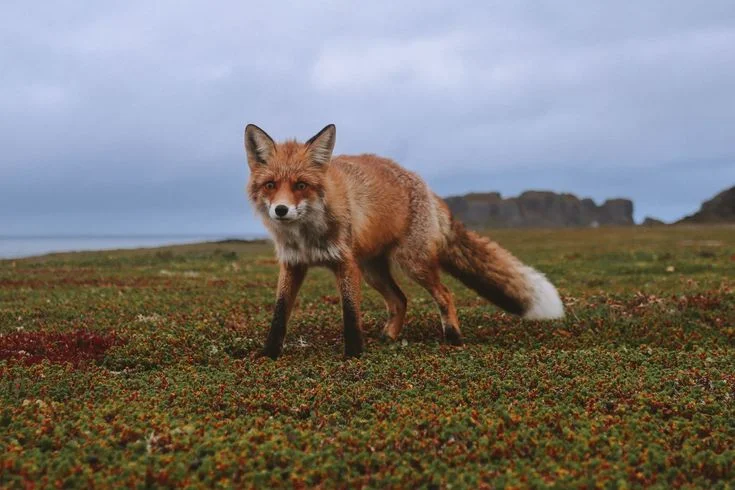
Red fox control norway is mostly about managing pressure on other wildlife, not trying to remove red foxes from nature. The red fox (Vulpes vulpes) is common across Norway and is listed as Least Concern nationally. It is also a flexible predator that can live in forests, mountains, farmland and near towns. That makes the question less simple than “more foxes are bad.” The real question is where fox numbers and predator pressure may be affecting species that managers are trying to protect or harvest sustainably.
In 2026, that discussion sits alongside new hunting legislation, grouse monitoring and ongoing research into how predators, weather, habitat and hunting interact. For Viltnemnda readers, the useful starting point is this: red fox culling can be justified in some management settings, but it should be based on a clear ecological goal and local evidence rather than the idea that every fox is a problem.
Key Takeaways
- Red fox is widespread and adaptable across Norway and is currently assessed as Least Concern nationally.
- Legal red fox hunting in the current national hunting-time framework runs from 15 July to 15 April.
- Foxes can affect grouse, but predation is only one factor among climate, weather, habitat and hunting.
- Corvid management may matter too because crows and ravens can take eggs and young birds.
- 2026 grouse monitoring shows strong willow ptarmigan conditions in northern areas, while regional variation remains important.
- The Viltressursloven has applied since 1 July 2026, so current rules should be checked before hunting or trapping.
- Predator control is most useful when managers can measure whether it improves the ecological outcome they are targeting.
What does red fox control Norway look like in 2026?
Norway does not treat the red fox like one of the strictly protected large carnivores. The national hunting framework allows ordinary hunting of red fox during the legal season. Under the current hunting-time rules, red fox hunting is allowed nationwide from 15 July to 15 April. Local landowners and hunting managers can still set their own conditions, access rules or limits.
That matters because red fox control Norway is not the same thing as unlimited predator removal. A hunter needs the right to hunt on the land and must follow current hunting, animal-welfare, weapon and reporting rules. Where trapping is used, the rules are specific. Approved live-capture box traps are required for red fox, and captured animals must be handled without unnecessary suffering.
The biggest legal change in 2026 is broader than fox hunting itself. Norway’s new Viltressursloven came into force on 1 July 2026 and replaced the old Wildlife Act from 1981. The government says much of the existing legal framework is continued, while the new law is designed to address current wildlife-management needs. So anyone planning revejakt or trapping should check the latest rules rather than rely on an old guide.
Why is red fox control linked to grouse counts?
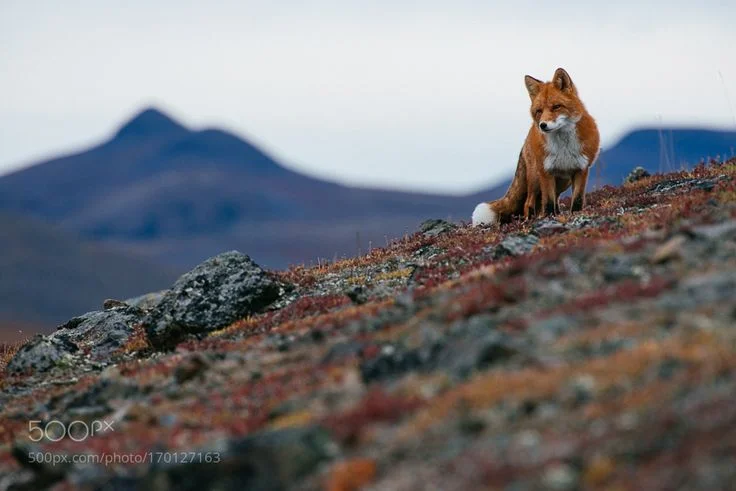
This is where the ecological argument gets interesting. Grouse such as willow ptarmigan and rock ptarmigan spend a large part of their lives on or close to the ground. Eggs and young birds can therefore be exposed to several predators. Red fox is one generalist predator that can take eggs, chicks, and adult birds. Crows and ravens can also raid nests, which is why corvid management often appears in the same conversation.
But predator pressure is only one part of the picture. NINA describes grouse populations as being affected by a mix of weather, climate, predation, hunting, land-use change and infrastructure. That means a weak grouse count cannot automatically be blamed on foxes.
This distinction is important for good wildlife management. If a valley has fewer grouse one year, shooting more foxes is not automatically the answer. Managers need to ask what happened to chick production, habitat, food, weather and other predators too.
What do the 2026 grouse counts tell us?
The 2026 national monitoring gives a useful snapshot. NINA reported that the year remained good for willow ptarmigan overall, with particularly strong conditions in northern Norway and increases in several southern areas. The August survey covered 348 areas in 111 municipalities, with 13,871 kilometres of transects and 43,086 recorded grouse observations.
Those numbers are survey observations, not a simple count of every grouse in Norway. The Hønsefuglportalen uses standardized line-transect surveys with pointing dogs, and the results help managers estimate population trends and reproduction.
So the 2026 picture does not support a blanket story that Norway has a nationwide grouse crisis caused by red foxes. Conditions vary between regions. That is exactly why local data matter when predator control is considered.
Does removing foxes actually help grouse?
Sometimes it can help, but the answer depends on the place and the wider predator community.
A predator-removal project works best when it has a defined target and enough monitoring to see whether the target changes. For example, managers may want to know whether improved chick survival follows reduced predator pressure. Without that before-and-after information, it is easy to confuse correlation with cause.
Research summarized by NINA also shows why a wider ecosystem view is needed. In Lierne, researchers study grouse together with predators, climate, habitat and hunting. They use tools such as radio tracking, wildlife cameras and DNA from droppings. This kind of work is much more useful than looking at fox numbers alone.
There is another practical issue. Red foxes are adaptable. If food is available, fox populations can respond quickly to changes in survival and reproduction. Removing some animals therefore does not guarantee a permanent local reduction. The effect may depend on how intensive and repeated the control is, as well as conditions in nearby areas.
That does not make revejakt pointless. It means the expected result should be realistic.
What role does corvid management play?
Red foxes are not the only predators that matter to ground-nesting birds. Ravens and crows can also find nests and young birds. In some management programmes, this leads to a broader approach where several small predators are considered together.
This is one reason the phrase “fox culling rationale grouse counts” needs some care. If managers only count foxes but ignore corvids, raptors, weather or habitat, they may miss the actual combination of pressures affecting a grouse population.
A useful management question is not “How many predators can we remove?” It is “Which pressure is limiting recruitment here, and what evidence shows that?” Recruitment simply means the number of young birds surviving well enough to join the breeding population.
How are trapping rules handled?
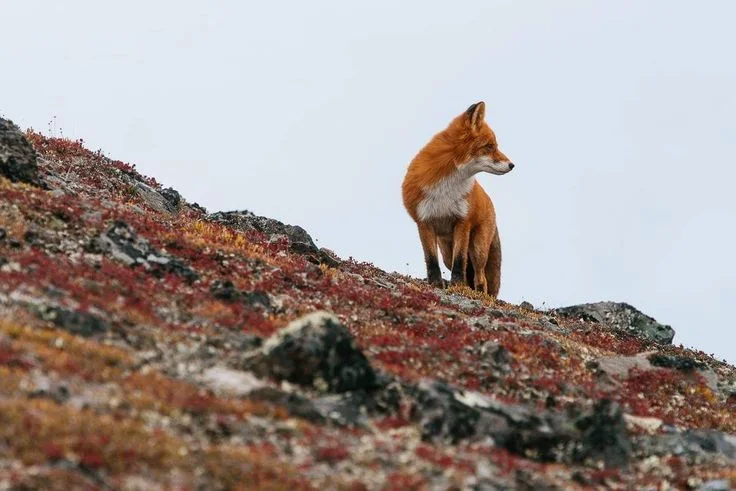
Trapping is more tightly controlled than simply placing any homemade trap in the landscape.
Norwegian rules list approved trap types for live capture of red fox, including several enclosed box-trap designs. The animal must be checked and handled according to the rules, and species that are protected or not legal to catch with that trap must be released immediately.
This is especially relevant in 2026 because the Viltressursloven and related rule changes have updated the legal framework around hunting and trapping. Landbruksdirektoratet remains a key source for practical requirements, while current legislation should be checked through Lovdata.
For readers planning trapping, the safest approach is simple: identify the species, check the current approved equipment, confirm the season and local permission, and follow the inspection and welfare requirements.
Is there a small game quota for red fox?
Usually, the idea of a small game quota is more relevant to species such as grouse than to red fox. Red fox has a nationwide hunting season, while hunting managers may use local rules to control access or harvesting of other game species.
This difference matters because a low grouse quota does not automatically mean there should be a matching fox quota. They are separate management questions.
Statskog’s current approach to grouse management shows how detailed this can become. Before hunting seasons, it uses extensive surveys to assess bird density and chick production. Its 2025–2028 harvesting project is also testing different hunting levels across many fields. That research is designed to improve understanding of sustainable harvest, rather than assuming one fixed rule works everywhere.
Why does red fox control Norway matter right now?
The timing matters because Norway is working with better wildlife data, a changed legal framework and a more connected approach to ecosystem management.
The 2026 grouse surveys give managers a stronger picture of regional conditions before hunting decisions are made. At the same time, the Viltressursloven has been in force since July 2026, so older articles and informal advice can easily miss current requirements.
Wildlife management is also moving toward a wider view. A grouse population is not controlled by one species. Weather, food, habitat, predators and hunting can all push numbers in different directions.
That is also where Norway’s wildlife management system becomes relevant to the ecological justification for fox control. It is easier to defend a targeted control programme when there is a specific conservation or management objective, a measurable problem and a plan for checking whether the intervention worked.
What should hunters and wildlife managers watch next?
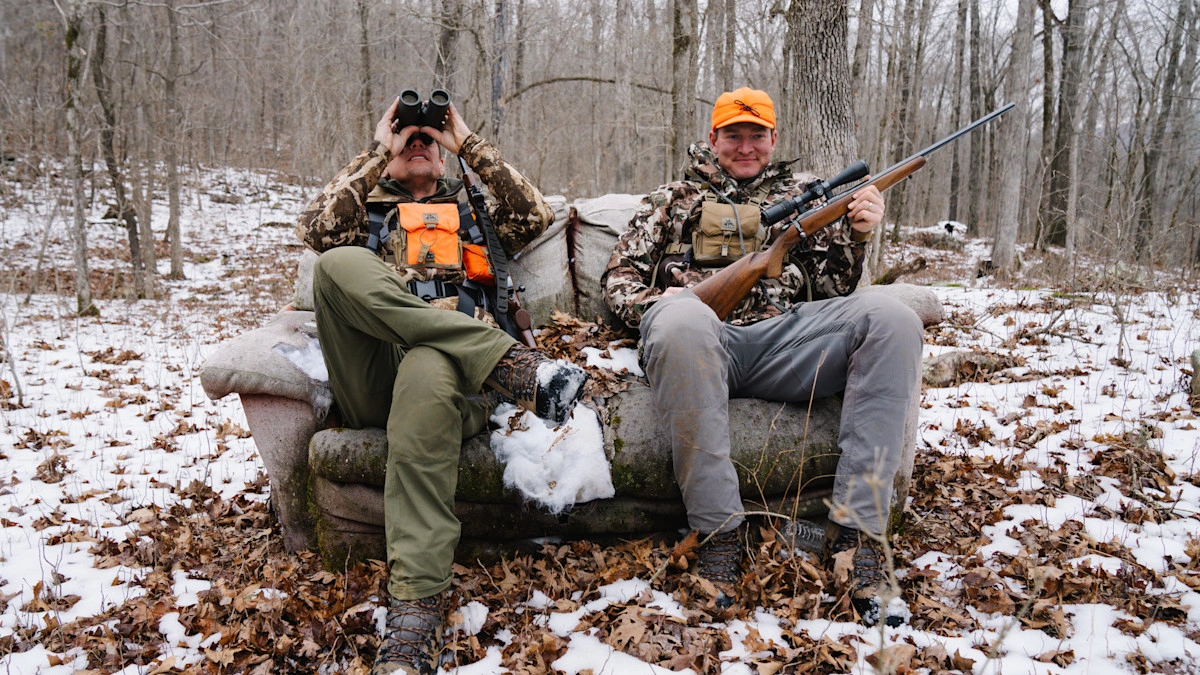
The next useful step is not simply counting how many foxes were shot. Managers need to connect fox harvest with the response of the species they are trying to support.
That means keeping an eye on chick production, grouse density, predator observations and local habitat conditions. Repeating the same surveys also makes it easier to see whether a change is real or just a normal year-to-year swing.
For Viltnemnda, the takeaway is simple: good red fox control is targeted, lawful and measurable. It should fit the local ecology rather than follow a one-size-fits-all rule.
Sources Note
This article is based on information from the Norwegian Environment Agency, Landbruksdirektoratet, Lovdata, NINA, Artsdatabanken and Statskog. These sources cover hunting seasons, trapping requirements, wildlife law, species status, grouse monitoring and management research. The article separates established legal or monitoring information from ecological questions where results can vary by location.
FAQs
Is red fox hunting legal in Norway in 2026?
Yes. National rules allow red fox hunting across Norway from 15 July to 15 April. Hunters must also have the required hunting rights and follow current rules.
Why do people hunt red fox in Norway?
Revejakt can be part of ordinary hunting, but predator management is another reason. In some areas, managers consider foxes an important predator of grouse and other ground-nesting wildlife.
Does killing foxes increase grouse numbers?
It can potentially reduce one source of predation, but there is no universal result. Grouse populations respond to several factors, so local monitoring is needed before claiming that fox control caused an increase.
Are fox traps allowed in Norway?
Yes, but only within the current trapping rules and with approved trap types for red fox. Welfare, inspection and handling requirements also apply.
What changed for wildlife management in 2026?
The Viltressursloven entered into force on 1 July 2026 and replaced the 1981 Wildlife Act. It largely continues existing law while updating the framework for modern wildlife management.
Where can I check current hunting and trapping rules?
Use current information from Miljødirektoratet and Landbruksdirektoratet and check the applicable legislation through Lovdata. Local landowner rules can also apply.
Disclaimer
This article is for general educational and informational purposes. Wildlife populations, hunting conditions and regulations can change. Always check current Norwegian authorities and local landowner rules before hunting, trapping or making wildlife-management decisions.
