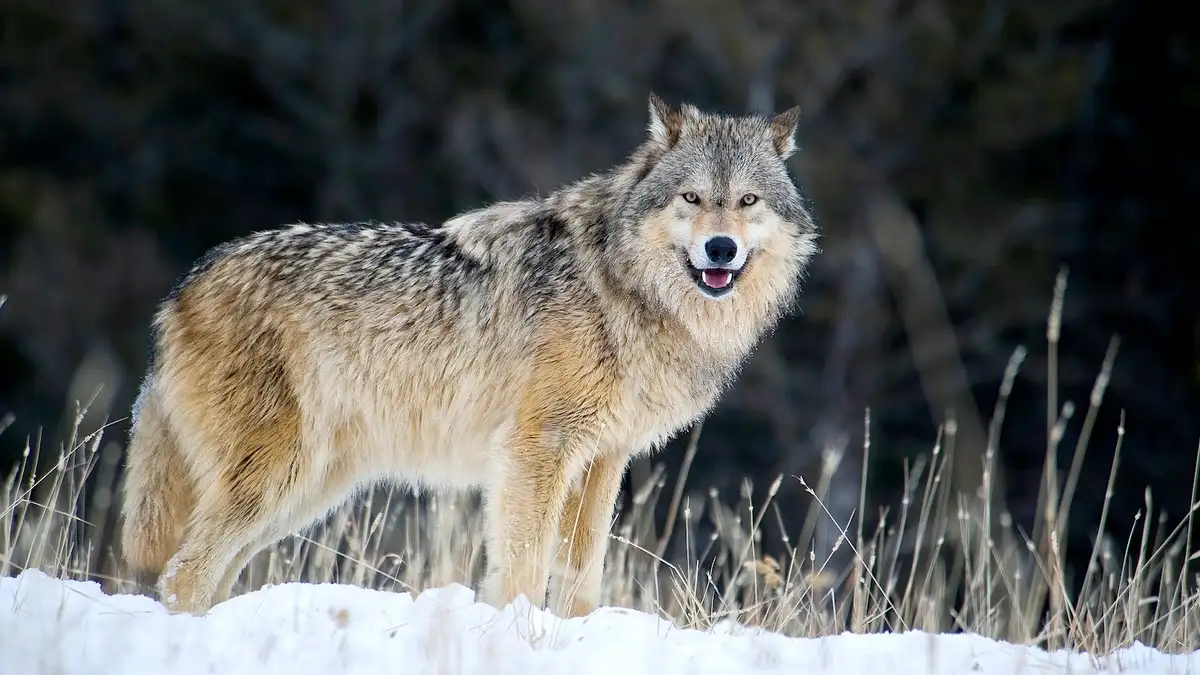
Many international observers and local residents hear the term wolf zone and assume it describes a nature reserve or a protected wildlife sanctuary. In reality, wolves are legally shot and culled within its boundaries every year. The ulvesonen wolf zone is not a national park or an inviolable refuge; it is a political boundary designed to manage land-use conflicts. Specifically, the ulvesonen wolf zone is a designated geographic area where wolf reproduction is prioritized over free-ranging livestock grazing.
Inside the line, wolves are tolerated up to a strict national population cap. Outside the line, agricultural interests take precedence, and permanent breeding packs are systematically suppressed. This guide breaks down how the boundary operates, how policy differs on either side, and why the line remains one of Norway’s most contested environmental issues.
What the Zone Actually Is?
The official Norwegian term is forvaltningsområde for yngling av ulv, which translates directly to the management area for breeding wolves. In public debate and news media, this administrative title is almost universally shortened to ulvesonen or the wolf management zone. Established by the Norwegian Parliament, the ulvesonen wolf zone functions as a spatial compromise within Norway’s broader regional carnivore management system.
Rather than treating the entire nation as an open ecosystem, national policy delegates management responsibilities across designated zones. Norway relies on targeted geographic division to separate large predators from agricultural livestock where possible. Within this regional structure, the ulvesonen wolf zone serves a single explicit purpose: it identifies the only portion of mainland Norway where wolf packs are legally permitted to establish territories and reproduce without triggering automatic removal orders.
Where It Is and How It Was Drawn?
The ulvesonen wolf zone encompasses roughly 5 percent of Norway’s total land area, concentrated entirely in the southeastern corner of the country along the border with Sweden. It covers designated portions of Innlandet, Akershus, and Østfold counties. The geography was chosen intentionally because eastern forests feature lower densities of free-ranging sheep pastures compared to western fjords or northern mountain plateaus, while connecting directly to Swedish wolf territories across the border.
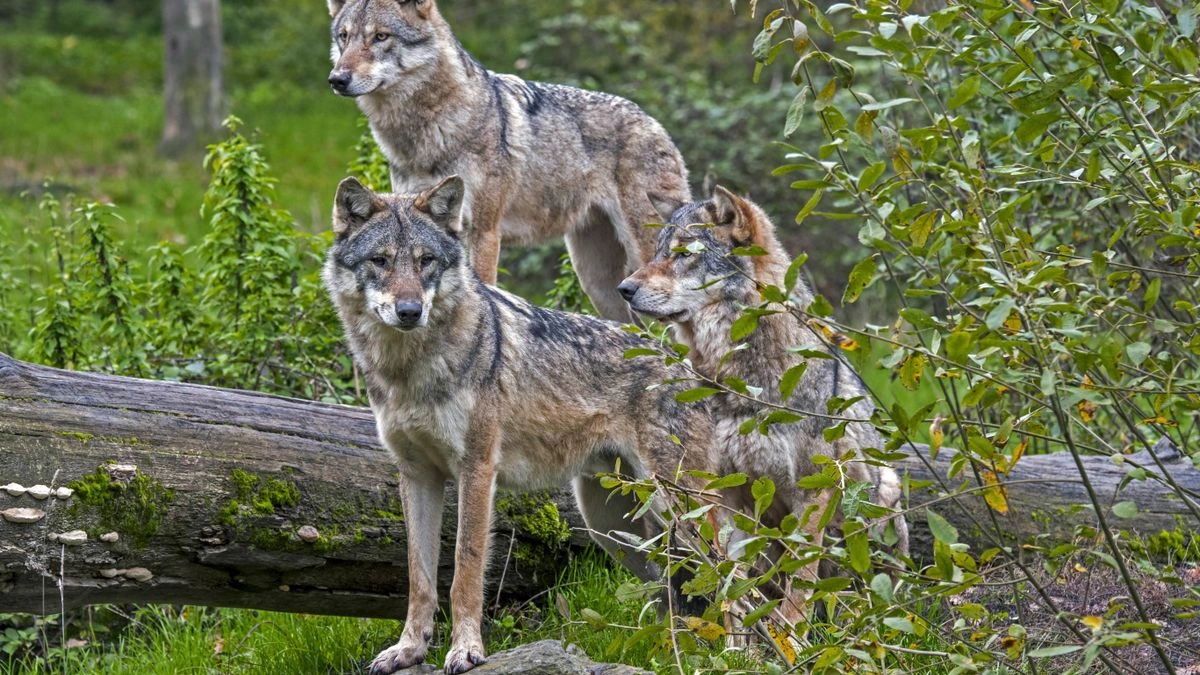
When parliament established the geographic parameters, the national Norway wolf zone map was drawn along specific municipal borders, roads, and rivers. This creates a hard administrative perimeter through continuous forest habitats, meaning two sides of a single valley can operate under fundamentally different wildlife laws. Understanding the spatial limits of the ulvesonen wolf zone helps explain why neighboring communities experience vastly different management enforcement.
What Is Different Inside It?
The practical distinction between standing inside or outside the ulvesonen wolf zone comes down to priority. Inside the zone, the presence of breeding wolves is recognized as a legitimate land use. Outside it, free-ranging sheep and reindeer husbandry take precedence.
Inside the boundary, permanent packs and breeding pairs are tolerated up to the national wolf population target, while unfenced, free-ranging sheep grazing is discouraged. Outside the boundary, zero tolerance applies to established breeding packs, and free-ranging sheep grazing is the prioritized land use. Additionally, damage permits face strict thresholds inside the area, whereas outside the boundary they are issued rapidly upon confirmed livestock depredation.
This dual-target approach directly balances agricultural subsidies with species preservation. The zoning policy ensures that livestock farmers outside the zone receive higher support for traditional grazing practices, while farmers inside the ulvesonen wolf zone face tighter restrictions on unmonitored grazing. However, both regions remain tied to the same national population target set by parliament, which mandates a baseline of 4 to 6 annual litters across the country.
Why Wolves Are Still Killed Inside It?
The common belief that wolves enjoy complete protection within the ulvesonen wolf zone collapses during the winter hunting season. Wolves are regularly culled inside the zone through state-sanctioned culls.
Two distinct legal mechanisms permit wolf removals inside the boundary:
-
License Culling: When winter monitoring shows that total reproduction exceeds the national population target, regional management boards issue quotas to harvest entire packs inside the ulvesonen wolf zone.
-
Skadefelling permits: If a specific wolf or pair causes repeated harm to domestic animals or dogs inside the ulvesonen wolf zone, emergency permits can be authorized.
Because management boards enforce the national population cap as both a minimum and a maximum, any surplus packs living inside the ulvesonen wolf zone become eligible for protective hunting.
What Happens Outside It?
Outside the boundary, which accounts for approximately 95 percent of Norwegian territory, wolf policy is defined by rapid intervention. Wolves that wander into these areas encounter an environment where agricultural protection takes absolute priority over presence.
When a solitary wolf or dispersing juvenile crosses out of the ulvesonen wolf zone into sheep-farming regions, local authorities quickly issue damage permits if livestock are threatened. Permanent pack formation outside the zone is prohibited under national policy. If a pair attempts to establish a territory outside the boundary, state management boards routinely order their removal before breeding occurs.
However, wild animals do not observe political cartography. Young wolves dispersing from packs inside the ulvesonen wolf zone or traveling west from Sweden continuously cross the boundary. This creates a perpetual cycle where dispersing animals enter high-risk agricultural zones, triggering public debate and immediate lethal management responses.
Why the Zone Is Argued About?
The ulvesonen wolf zone remains a flashpoint in Norwegian politics, drawing criticism from agricultural communities, rural residents, environmental organizations, and legal scholars alike.
Municipalities and landowners within the ulvesonen wolf zone argue that they bear a disproportionate national burden. They cite restrictions on traditional hunting with unrestrained dogs, fear for livestock safety, and reduced local property values as consequences of hosting the national wolf population. Meanwhile, farmers and local boards outside the boundary view the line as necessary but fragile, demanding rapid state action whenever a wolf strays into their pastures.
Environmental organizations argue that restricting wolves to 5 percent of the country prevents natural ecological recovery and forces excessive culls. They frequently challenge winter culls in Norwegian courts, citing international biodiversity commitments such as the Bern Convention. Furthermore, while species like lynx and wolverine are managed across larger mountain ranges, the ulvesonen wolf zone remains uniquely strict in its spatial enclosure.
The Working Definition to Remember
The ulvesonen wolf zone is a land-use priority boundary, not a wildlife sanctuary.
It defines where wolf reproduction is prioritized over free-ranging livestock, maintaining a strict population cap through regulated culls on both sides of the line.
Frequently Asked Questions
What is the Norwegian wolf zone?
The ulvesonen wolf zone is a designated administrative boundary in southeastern Norway covering about 5 percent of the country where wolf breeding is prioritized over free-ranging sheep grazing.
Are wolves fully protected inside the wolf zone?
No, wolves are not fully protected inside the ulvesonen wolf zone. When the population exceeds national targets, licensed culls are authorized to remove entire packs within the zone.
Can wolves be shot inside the wolf zone?
Yes, wolves can be shot inside the ulvesonen wolf zone through winter licensed hunting quotas or acute damage permits issued when animals threaten domestic livestock or dogs.
Where is the wolf zone located?
The ulvesonen wolf zone is located in southeastern Norway along the Swedish border, covering parts of Innlandet, Akershus, and Østfold counties.
What happens to wolves outside the wolf zone?
Outside the ulvesonen wolf zone, agricultural grazing is prioritized. Breeding packs are not tolerated, and wandering wolves face rapid removal permits if livestock are threatened.
Why is the wolf zone controversial?
The ulvesonen wolf zone is controversial because residents inside feel overburdened by predator restrictions, while conservationists argue the 5 percent allocation is too small for sustainable recovery.
