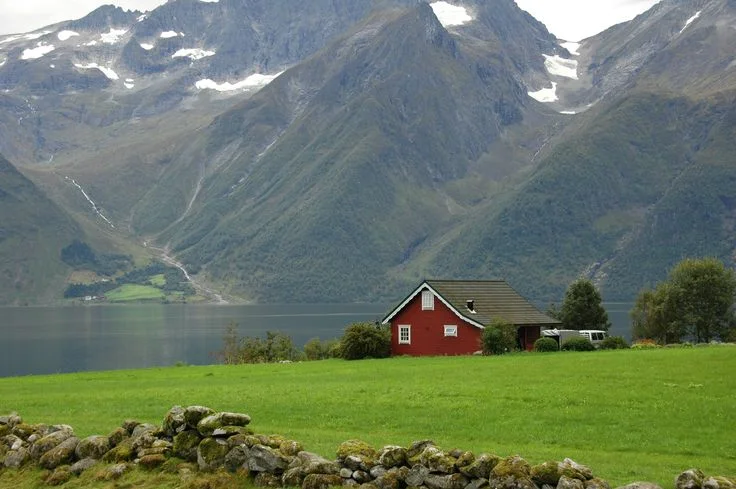
Selected Habitat Types Norway: If you come across the term “selected habitat types” in Norway, it can sound like another technical environmental label. In practice, it means certain habitats need extra care because they are especially important, vulnerable, or closely linked to species and ecological processes.
As of 2026, Norway has nine selected habitat types under the Nature Diversity Act. They are slåttemark (hay meadows), slåttemyr (mown bogs), hollow oaks, calcareous lime forests, calcareous lakes, coastal heathlands, open lowland calcareous ground, olivine forests, and coral reefs. Coral reefs became the newest addition in August 2025.
The point is not to make every selected habitat a no-go area. The rules require special consideration so important occurrences are not degraded or lost. That matters when selected habitat types meet farming, forestry, construction, roads, energy projects, or other land-use decisions.
Key Takeaways
- Norway has nine selected habitat types in 2026.
- Coral reefs became the ninth selected habitat type in August 2025.
- Selected status means special consideration, not automatic absolute protection.
- The rules matter in public decisions, land use planning, property management, and some farming and forestry activities.
- Selected habitat status and Red List status are related but are not the same system.
- Current mapping is useful, but an unregistered occurrence may still fall under the rules.
- Updated habitat mapping and management work will be important through 2026.
What Are Selected Habitat Types in Norway?
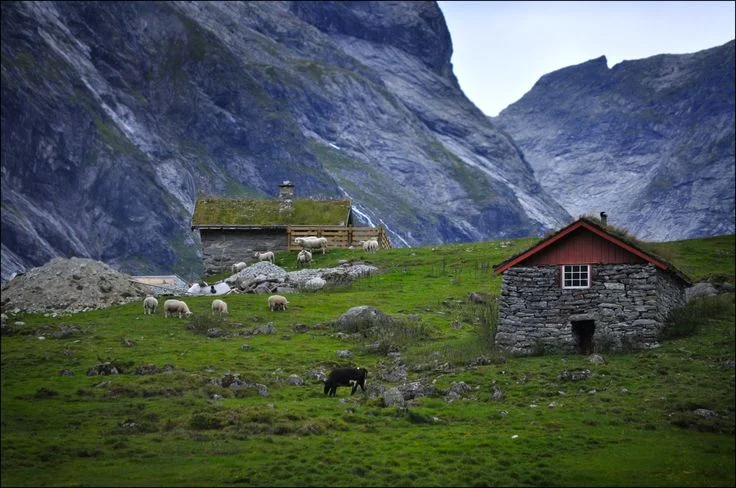
Selected habitat types are nature types given special status through regulations under Norway’s Nature Diversity Act. The law allows the government to select habitats when they are threatened, important for priority species, make up a significant part of their range in Norway, or are connected to international obligations.
That makes the system broader than a simple “endangered habitat” list. A habitat can receive selected status for different reasons, and the exact rules can also depend on how the habitat is defined and classified.
The legal framework is mainly found in sections 52 to 56 of the Nature Diversity Act. Section 53 says public authorities must take special account of selected habitat types when exercising authority, managing property, or awarding grants. Before an authority approves an intervention, it must consider the consequences for the habitat.
That is why the term matters beyond conservation documents. It can affect what a landowner, planner, farmer, developer, or authority needs to check before changing a place where a selected habitat occurs.
Which Habitats Are Selected in 2026?
The current list has nine types:
- Slåttemark, including certain traditional hay meadows
- Slåttemyr, or mown bogs
- Hollow oaks
- Calcareous lime forest
- Calcareous lakes
- Coastal heathland
- Open lowland calcareous ground in the boreonemoral zone
- Olivine forest
- Coral reefs
Coral reefs are the newest part of the system. The 2025 amendment defines a coral reef for this purpose as a seabed area with reef-building coral animals in colonies made up of living and dead parts, covering at least 25 square metres.
Why Do Selected Habitat Types Norway Rules Matter?
The easiest way to understand the system is to think about what happens before a decision is made. Suppose a planned road, building project, forestry activity, or other measure could affect a selected habitat. The question is not simply whether the project is useful. The authority also has to look at what could happen to the habitat and its ecological condition.
This is where environmental impact and land use planning meet biodiversity protection. The selected status does not automatically stop development. The government says the status is not absolute protection or a general ban on interventions. Instead, it creates a stronger duty to consider the habitat and avoid deterioration of its extent or ecological condition.
How Does the Protection Work?
There are a few parts to the system, and they work together. First, public authorities have a special consideration duty. When making decisions that affect a selected habitat, they need to understand the consequences and take the habitat into account.
Second, some agriculture and forestry measures that do not otherwise require a permit can be subject to a notification requirement. The exact rules depend on the habitat and activity.
Third, selected habitats can have action plans. These plans explain management, restoration, maintenance, and other measures needed to keep the habitat in good condition.
A traditional hay meadow is a good example. Its ecological character can depend on continued mowing and suitable management. Leaving it completely untouched may not always produce the result people expect.
Selected Habitat Types and the Red List
Another point that often confuses is the relationship between selected habitat types and Norway’s Red List. They are connected, but they are not the same thing.
The Red List evaluates the risk status of species and habitat types using scientific assessment criteria. Selected habitat status is a legal management tool. One habitat can be both red-listed and selected, but the two systems answer different questions.
Artsdatabanken’s 2025 Red List for habitat types uses updated assessment units based mainly on NiN 3.0. Because the assessment framework changed from the 2018 version, the two editions cannot always be compared directly.
What Changed Recently?
The biggest recent change is the addition of coral reefs. On 15 August 2025, the government amended the regulation so coral reefs became a selected habitat type. The change took effect immediately. Norway described this as the first selected habitat type in the marine environment.
There is another practical development worth watching in 2026. The Norwegian Environment Agency published a new guide for habitat mapping in June 2026. It provides updated and standardized methods for identifying, classifying, and mapping important habitats on land, in freshwater, and at sea.
Source Note
This article uses current information from Norwegian primary and specialist sources, including Lovdata, the Norwegian Environment Agency, the Norwegian government, and Artsdatabanken. Legal status, habitat definitions, and maps can change, so readers dealing with a real planning, land-use, or conservation case should check the latest official guidance and the relevant local authority.
FAQs
Are selected habitat types fully protected in Norway?
No. Selected status does not create an absolute ban on intervention. It creates stronger legal requirements to consider the habitat and avoid degradation.
How many selected habitat types are there in Norway in 2026?
There are nine. Coral reefs were added in August 2025, joining the eight types already covered by the regulation.
Are selected habitat types the same as Red List habitats?
No. The Red List is a scientific risk assessment system, while selected habitat status is a legal management and protection tool.
Do selected habitat rules affect private land?
They can. The rules apply to relevant occurrences outside protected areas, including privately owned land. Certain agriculture and forestry activities can also have notification requirements.
Can an unregistered habitat still be protected?
Yes. The Norwegian Environment Agency states that the regulation applies to occurrences that meet its requirements even if they are not registered in Naturebase.
Why were coral reefs added?
The Norwegian government said coral reefs are important for marine biodiversity and are under pressure from human activity and climate change. Coral reefs are currently classified as near threatened.
Disclaimer:
This article is for general educational and informational purposes. Environmental rules, habitat classifications, maps, and conservation conditions can change as new research and regulations become available. For a specific property, project, or management decision, always check current information from recognized Norwegian environmental authorities.
