Key Takeaways
- Norway’s Wildlife Management System achieves a balance of conservation and sustainable hunting.
- Scientific monitoring guides annual hunting quotas.
- Healthy habitats are essential for long-term biodiversity.
- Local game management boards work alongside national authorities.
- Adaptive management allows regulations to change as wildlife populations change.
- The Norwegian Environment Agency coordinates conservation efforts across the country.
- Responsible hunting contributes valuable population data and helps manage human-wildlife conflicts.
- Viltnemnda supports local wildlife management and sustainable decision-making.
Quick Answer
Norway balances wildlife conservation and hunting by combining scientific research, sustainable hunting quotas, local decision-making, and national environmental policies. The Norwegian Environment Agency works with municipalities, researchers, and game management boards to monitor wildlife populations and adjust hunting rules when necessary. This system helps protect biodiversity while allowing carefully regulated hunting that supports healthy animal populations.
Why Wildlife Management Matters in Norway
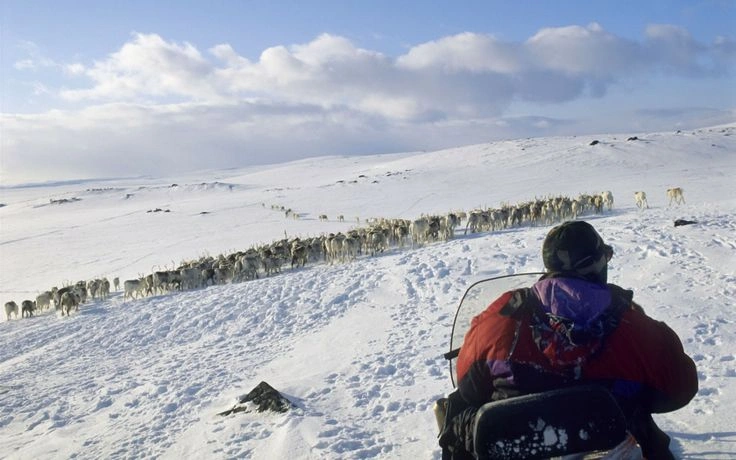
Norway’s landscapes are home to many iconic species, including moose, red deer, roe deer, wild reindeer, musk oxen, arctic foxes, wolverines, lynx, wolves, and brown bears. Some populations are abundant, while others require strong legal protection because of their ecological importance or limited numbers.
Managing such diverse wildlife is challenging because different species face different pressures. Climate change, habitat loss, road development, forestry, agriculture, tourism, and changing ecosystems can all affect animal populations. As a result, wildlife management cannot rely on fixed rules. It must adapt as conditions change.
Norway’s approach focuses on maintaining healthy populations rather than maximizing hunting opportunities. Hunting seasons, bag limits, and licensing systems are reviewed regularly using scientific information collected from across the country.
This strategy also recognizes that wildlife belongs to society as a whole. Farmers, landowners, conservation organizations, hunters, researchers, and government agencies all have roles in protecting natural resources. When these groups work together, management decisions are more practical and better supported by local knowledge.
Another important goal is reducing conflicts between wildlife and people. Large herbivores such as moose and deer can damage forests and crops if populations grow beyond sustainable levels. In some areas, they also increase the risk of vehicle collisions. Carefully managed hunting helps reduce these problems while keeping animal numbers within ecological limits.
Large predators require a different approach. Wolves, lynx, bears, and wolverines are protected under strict regulations because they play important roles in healthy ecosystems. Their management often involves balancing conservation objectives with concerns from livestock owners and rural communities.
Overall, Norway treats wildlife management as an ongoing process instead of a one-time solution. Policies are regularly reviewed and updated as new scientific information becomes available.
The Foundations of Norway’s Wildlife Management System
Norway’s wildlife management system is built on several principles that guide every major decision. Rather than focusing only on hunting or only on conservation, these principles encourage balance between ecological health and responsible resource use.
Conservation Comes First
Protecting biodiversity is the foundation of wildlife management. Authorities aim to maintain healthy ecosystems where native species can survive for future generations.
Instead of reacting only when populations decline, wildlife managers monitor trends continuously. Early action allows problems to be addressed before they become serious.
Habitat protection is another essential part of conservation. Healthy forests, wetlands, rivers, and mountain ecosystems provide food, shelter, and breeding areas for wildlife. Protecting these habitats often benefits many different species at the same time.
Science Guides Decisions
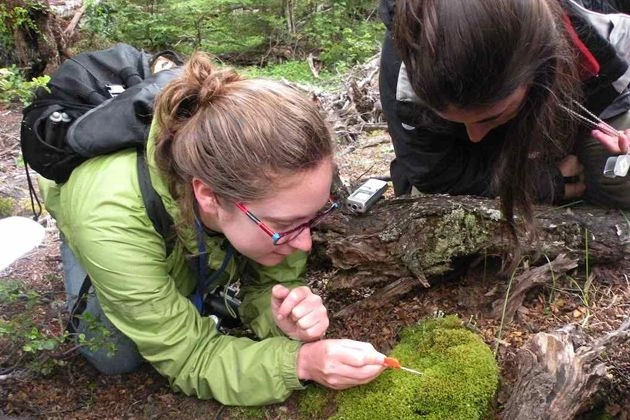
One of Norway’s greatest strengths is its reliance on scientific evidence. Wildlife populations are monitored through field surveys, harvest reports, GPS tracking, research projects, and long term ecological studies.
Scientists estimate population size, age structure, reproduction rates, migration patterns, and overall health before management decisions are made.
Rather than setting the same hunting quotas every year, authorities adjust regulations based on current data. This flexible approach helps prevent both overhunting and uncontrolled population growth.
Sustainable Hunting Supports Conservation
Hunting is viewed as one part of wildlife management rather than a separate activity.
When animal populations become larger than local ecosystems can support, carefully planned hunting helps maintain ecological balance. It can also reduce crop damage, limit forest browsing, and decrease wildlife-related traffic accidents.
Hunters also contribute valuable information by reporting harvested animals, including age, weight, sex, and location. These reports improve future population assessments and management planning.
Shared Responsibility Creates Better Decisions
Norway combines national leadership with local decision-making.
National authorities establish wildlife laws, conservation objectives, and environmental policies. Local municipalities apply these rules based on regional wildlife conditions, habitat quality, and community needs.
This shared system allows management decisions to reflect both scientific evidence and local experience. A remote mountain municipality may face different wildlife challenges than a coastal community, so flexibility is essential.
Local participation also builds public trust. When communities understand how decisions are made, they are more likely to support conservation efforts and follow hunting regulations.
The Role of National and Local Authorities
Wildlife management in Norway depends on cooperation between several organizations, each with specific responsibilities.
The Norwegian Environment Agency develops national environmental policies, oversees wildlife regulations, supports research, and coordinates conservation efforts across the country. It works closely with scientists, municipalities, and other government bodies to ensure decisions are based on reliable evidence.
At the local level, game management boards help implement national policies according to regional conditions. These boards consider local wildlife populations, habitat quality, hunting reports, and community concerns before making recommendations.
This combination of national oversight and local knowledge reflects a broader Scandinavian wildlife policy, where sustainable use and biodiversity conservation are considered complementary rather than competing goals.
Local municipalities also issue hunting permits, monitor harvest results, and cooperate with landowners and hunting organizations throughout the hunting season.
Together, these institutions create a management system that remains flexible while maintaining consistent national conservation standards.
How Sustainable Hunting Quotas Are Set
One of the strongest features of Norway’s wildlife management system is the way hunting quotas are determined. Quotas are not chosen randomly or based on tradition alone. Instead, they are developed using scientific evidence, local observations, and long-term conservation goals.
The aim is simple: allow responsible hunting without reducing wildlife populations below healthy levels.
Population Monitoring Comes First
Before a hunting season begins, wildlife experts collect information from multiple sources. They study population trends, breeding success, habitat conditions, and previous harvest reports.
Hunters, landowners, researchers, and local authorities all contribute valuable information. By combining national data with local observations, managers gain a clearer picture of how each species is doing.
If surveys show that a population is increasing, hunting opportunities may be expanded. On the other hand, if numbers decline because of disease, harsh winters, or poor reproduction, quotas can be reduced to support recovery.
Local Conditions Matter
Wildlife populations are not the same across Norway. A region with healthy moose numbers may require different management than an area with fewer animals or more fragile habitats.
Because of these differences, municipalities work with local game management boards to recommend hunting quotas that reflect local conditions while staying within national guidelines.
This flexible approach helps avoid unnecessary restrictions in one area while preventing excessive hunting in another.
Factors That Influence Hunting Quotas
| Factor | Why It Matters |
|---|---|
| Population size | Prevents overharvesting |
| Birth and survival rates | Indicates future population growth |
| Habitat quality | Shows how many animals the environment can support |
| Previous harvest data | Helps estimate hunting pressure |
| Weather conditions | Severe winters can reduce survival rates |
| Human wildlife conflicts | Helps manage crop damage and road accidents |
Looking at several factors together allows wildlife managers to make balanced decisions rather than relying on a single estimate.
Annual Reviews Improve the System
Wildlife management is an ongoing process. After every hunting season, authorities review harvest reports and compare them with population surveys.
If the results differ from expectations, management plans can be adjusted before the following season.
This yearly review makes the system responsive instead of fixed, allowing it to adapt as wildlife populations change.
Wildlife Monitoring and Scientific Research
Reliable wildlife management depends on accurate information. Without continuous monitoring, it would be difficult to know whether conservation efforts are working or if hunting regulations need to change.
That is why scientific research plays a central role throughout Norway’s wildlife management system.
Collecting Reliable Data
Researchers use different methods to understand wildlife populations across the country.
Some surveys involve direct field observations, while others rely on aerial counts, camera monitoring, GPS tracking, or reports submitted by hunters.
Each method provides different insights, and together they create a more complete understanding of wildlife health.
Hunter Reports Support Research
Responsible hunters contribute more than harvested game.
Many provide information about the animal’s age, sex, weight, location, and condition. These records help researchers identify population trends over many years.
Because thousands of reports are collected annually, scientists can detect changes that might otherwise go unnoticed.
Monitoring Ecosystem Health
Wildlife management is about more than counting animals.
Researchers also study habitat quality, food availability, disease outbreaks, predator-prey relationships, and climate impacts. Healthy ecosystems support healthy wildlife populations, so understanding environmental changes is just as important as tracking individual species.
For example, changes in vegetation may influence where moose feed, while warmer winters can affect migration patterns for wild reindeer.
By monitoring the broader ecosystem, authorities can make decisions that protect both wildlife and their habitats.
Balancing Conservation and Hunting
Many people assume that conservation and hunting cannot exist together. Norway’s approach shows that, when carefully managed, the two can support the same long term goal.
Responsible hunting is viewed as one tool within a broader conservation strategy rather than an activity that conflicts with environmental protection.
Protecting Biodiversity While Allowing Sustainable Use
Conservation aims to maintain healthy populations of native species and preserve natural ecosystems.
At the same time, sustainable hunting recognizes that renewable wildlife resources can be used responsibly when supported by science and effective regulation.
Instead of focusing only on increasing hunting opportunities, managers first consider what wildlife populations can safely sustain.
Different Species Require Different Approaches
Not every animal is managed in the same way.
Large herbivores such as moose, roe deer, and red deer are often managed through carefully controlled hunting seasons because healthy populations can support sustainable harvesting.
Large predators, however, require stricter protection and more complex management plans. Species such as wolves, lynx, brown bears, and wolverines are monitored closely because they play important ecological roles and often exist in smaller numbers.
This species-specific approach helps ensure that management decisions match conservation needs.
Working With Local Communities
Successful wildlife management depends on cooperation.
Hunters, landowners, municipalities, conservation organizations, researchers, and government agencies all contribute different forms of knowledge.
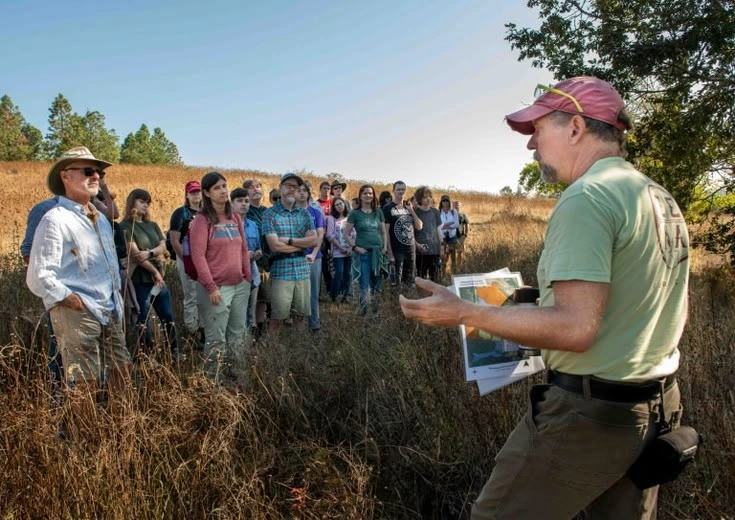
Local communities often understand seasonal wildlife movements, habitat conditions, and regional challenges better than anyone else. Their experience complements scientific research and improves decision-making.
When people are included in the process, they are also more likely to support conservation measures and follow hunting regulations.
Benefits of Norway’s Balanced Approach
| Conservation Benefits | Hunting Benefits |
|---|---|
| Protects biodiversity | Supports sustainable hunting traditions |
| Maintains healthy ecosystems | Helps control overabundant populations |
| Encourages habitat conservation | Reduces crop and forest damage |
| Supports long term species survival | Lowers wildlife vehicle collisions |
| Uses scientific monitoring | Provides valuable harvest data |
The balance between conservation and hunting is not always perfect. New environmental challenges continue to emerge, and wildlife populations naturally change over time.
However, by reviewing scientific evidence regularly and adapting management strategies when necessary, Norway has developed a system that remains flexible while keeping conservation at its core.
This combination of research, local participation, and responsible regulation demonstrates how thoughtful wildlife management can benefit both nature and society.
Challenges Facing Wildlife Management
Norway’s wildlife management system is respected around the world, but it still faces challenges. Natural ecosystems continue to change, and managers must respond without losing sight of long term conservation goals.
Climate Change
Warmer temperatures are affecting wildlife across Norway. Some species are changing their migration routes, while others experience shifts in breeding seasons or food availability.
Wildlife managers must monitor these changes closely because hunting regulations that worked in the past may not always be suitable in the future.
Habitat Changes
Road construction, expanding towns, forestry, and other land use activities can divide natural habitats. When animals lose access to feeding areas or migration routes, their populations may become more vulnerable.
Protecting important habitats is therefore just as important as regulating hunting.
Human and Wildlife Conflicts
As some wildlife populations grow, interactions with people become more common.
Large herbivores may damage crops and young forests, while vehicle collisions involving moose or deer remain a concern in certain regions. Livestock owners may also experience conflicts with large predators.
Wildlife management aims to reduce these problems through careful planning instead of relying on emergency actions.
Keeping Public Trust
Wildlife decisions often involve different opinions. Hunters, conservation groups, farmers, researchers, and local communities may not always agree on the best solution.
Open communication, transparent decision-making, and scientific evidence help maintain public confidence in the management system.
Norway Compared With Other Scandinavian Countries
Norway shares many wildlife management principles with its Scandinavian neighbors, but each country has developed its own policies based on geography, wildlife populations, and national priorities.
| Feature | Norway | Sweden | Finland |
|---|---|---|---|
| Wildlife monitoring | Extensive scientific monitoring | Strong scientific monitoring | Comprehensive monitoring |
| Hunting quotas | Annual adjustments based on research | Population based quotas | Species specific quotas |
| Local participation | Strong municipal involvement | Regional cooperation | Local and regional management |
| Predator management | Carefully regulated | Carefully regulated | Carefully regulated |
| Conservation focus | Biodiversity with sustainable use | Biodiversity protection | Sustainable wildlife management |
Although the details differ, the overall Scandinavian wildlife policy emphasizes science-based decisions, sustainable hunting, and long term conservation.
Expert Tips for Understanding Norway’s Wildlife Management
Learn How Quotas Are Calculated
Many people focus only on hunting seasons. Understanding how population surveys and scientific research influence hunting quotas provides a clearer picture of responsible wildlife management.
Consider the Whole Ecosystem
Healthy wildlife populations depend on healthy forests, wetlands, rivers, and mountain habitats. Looking beyond individual species helps explain why habitat conservation receives so much attention.
Remember That Management Changes
Wildlife management is never static.
Population trends, environmental conditions, and scientific research continue to evolve. Management plans are regularly reviewed to reflect new information.
Common Misunderstandings
| Myth | Reality |
|---|---|
| Hunting always harms wildlife. | Carefully regulated hunting can support sustainable population management. |
| Quotas never change. | Hunting quotas are reviewed and adjusted regularly. |
| Wildlife management only benefits hunters. | Healthy ecosystems benefit wildlife, communities, agriculture, tourism, and future generations. |
| Science alone makes every decision. | Scientific research is combined with local knowledge and national policies. |
Wildlife Management Checklist
Use this checklist to understand whether a wildlife management system follows sustainable principles.
- Wildlife populations are monitored regularly.
- Scientific research supports management decisions.
- Hunting quotas are reviewed every year.
- Habitat conservation is a priority.
- Local communities participate in decision-making.
- Protected species receive additional safeguards.
- Regulations can change when wildlife populations change.
- Conservation remains the primary objective.
Frequently Asked Questions
Why does Norway allow hunting if conservation is important?
Norway considers hunting a wildlife management tool rather than simply a recreational activity. When supported by scientific monitoring and sustainable quotas, hunting can help maintain healthy wildlife populations and reduce conflicts between people and animals.
Who decides hunting quotas in Norway?
Hunting quotas are developed through cooperation between the Norwegian Environment Agency, municipalities, researchers, and local game management boards. Population surveys and scientific evidence play a central role in every decision.
Are all animals hunted in Norway?
No. Some species are protected because of conservation concerns, while others have carefully regulated hunting seasons. Management rules vary depending on the conservation status and population health of each species.
How does scientific research improve wildlife management?
Researchers monitor population size, breeding success, habitat conditions, migration patterns, and ecosystem health. This information helps authorities adjust regulations when wildlife populations change.
What makes Norway’s system sustainable?
Its combination of scientific monitoring, adaptive hunting quotas, habitat conservation, local participation, and national environmental policies creates a flexible system that supports both biodiversity and responsible hunting.
Conclusion
Norway has shown that wildlife conservation and responsible hunting do not have to compete. By combining scientific research, adaptive management, habitat protection, and community involvement, the country has developed a system that supports healthy wildlife populations while preserving long standing hunting traditions.
The cooperation between the Norwegian Environment Agency, municipalities, researchers, hunters, and local game management boards ensures that decisions are based on both reliable evidence and practical experience. This balanced approach reflects the broader principles of Scandinavian wildlife policy, where conservation remains the priority and sustainable hunting is treated as a carefully regulated management tool.
Organizations such as Viltnemnda also play an important role at the local level by supporting responsible wildlife governance and helping communities implement national management goals. As environmental conditions continue to evolve, this partnership between science, policy, and local knowledge will remain essential for protecting Norway’s natural heritage for future generations.
