Independent Norwegian wildlife news
Norway | Est. 2026
Animal Migration Explained

Animal Migration Explained: Why Wildlife Travels Thousands of Miles Every Year

Key Takeaways

  • Animal migration is the regular seasonal movement of wildlife.
  • Animals migrate mainly to find food, breed, and avoid harsh weather.
  • Birds, whales, fish, sea turtles, butterflies, and caribou are famous migratory species.
  • Many animals navigate using Earth’s magnetic field, the Sun, stars, landmarks, and scent.
  • Habitat loss and climate change are among the biggest threats to migration.
  • Protecting migration routes supports biodiversity and healthy ecosystems.

Quick Answer

Animal migration is the regular movement of animals from one place to another, usually during different seasons. Animals migrate to find food, escape harsh weather, breed in safer locations, or raise their young where survival is more likely. Different species use natural signs such as the Sun, stars, Earth’s magnetic field, rivers, mountains, and even smell to navigate long distances.

Every year, millions of animals leave familiar places and begin incredible journeys across land, sea, and sky. Some travel a few miles, while others cross entire continents or oceans in search of food, warmer weather, or safe places to raise their young.

This natural movement is called animal migration, and it is one of the most fascinating behaviours in the wildlife world. From tiny butterflies to giant whales, many species depend on migration to survive. Although these journeys can be dangerous, they have helped animals adapt to changing seasons for thousands of years.

Understanding why animals migrate also helps us appreciate the delicate balance of nature. It shows how weather, food supplies, breeding cycles, and changing habitats are closely connected.

What Is Animal Migration?

Animal migration is the seasonal movement of wildlife between different locations. Unlike random wandering, migration follows predictable routes that animals often repeat every year.

Some migrations happen over short distances, while others cover thousands of miles. For example, birds may fly from cold northern regions to warmer southern areas during winter. Likewise, whales travel between feeding grounds in colder oceans and breeding waters closer to the equator.

Migration is not limited to one group of animals. Birds, mammals, fish, reptiles, insects, and even some amphibians migrate as part of their life cycle.

Migration vs Daily Movement

Many animals move around every day to search for food or avoid predators. However, these short trips are not considered migration because they do not follow regular seasonal patterns.

Migration is different because it happens repeatedly at certain times of the year and usually has a clear purpose linked to survival or reproduction.

Daily Movement Animal Migration
Short distance Often hundreds or thousands of miles
Happens every day Happens seasonally
Food or shelter nearby Food, breeding, or climate changes
No fixed route Predictable migration routes

Why Do Animals Migrate?

Why Do Animals Migrate?

Animals migrate because staying in one place throughout the year is often not the best way to survive. As seasons change, food becomes scarce, temperatures drop or rise, and breeding conditions may worsen. Migration allows wildlife to move where conditions are more favourable.

Although each species has its own reasons, most migrations are driven by a combination of environmental changes and natural instincts.

To Find More Food

Food is one of the biggest reasons behind seasonal migration. Many animals move when local food supplies become limited or disappear altogether.

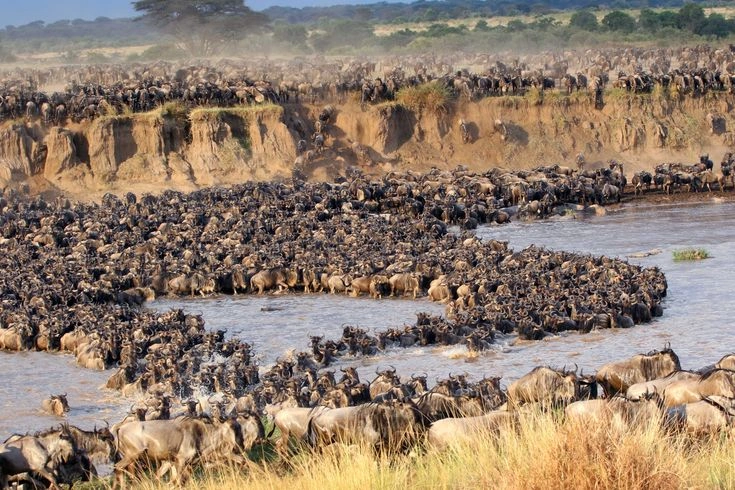
For example, many bird species fly south during winter because insects, seeds, and fruits become harder to find in colder climates. Similarly, large herbivores travel to fresh grasslands after seasonal rains.

To Breed Safely

Many animals migrate to special breeding areas where their young have a better chance of surviving.

Sea turtles return to the same beaches where they were born to lay eggs. Likewise, salmon swim upstream into freshwater rivers to reproduce before completing their life cycle.

To Escape Extreme Weather

Cold winters, dry seasons, and intense heat can make survival difficult. As a result, many species move to places with milder conditions.

Bird migration is one of the best-known examples. Instead of facing freezing temperatures, many birds spend winter in warmer regions before returning when spring arrives.

To Protect Their Young

Young animals often need safe habitats with plenty of food and fewer predators.

Many whale species migrate to warm tropical waters where newborn calves can grow without facing extremely cold ocean temperatures.

The Main Types of Animal Migration

Not every migration looks the same. Different species have developed unique movement patterns depending on where they live and what they need to survive.

Seasonal Migration

This is the most common type of migration. Animals travel between summer and winter habitats as the seasons change.

Many birds, deer, whales, and caribou follow seasonal migration every year.

Altitudinal Migration

Instead of travelling across countries, some animals move up and down mountains.

During warmer months, they live at higher elevations where food is plentiful. As winter approaches, they return to lower areas with less snow and easier access to food.

Reproductive Migration

Some species migrate mainly to reproduce.

Salmon leave the ocean and swim into rivers to spawn. Sea turtles travel back to nesting beaches, often returning to the exact location where they hatched years earlier.

Nomadic Migration

Unlike seasonal migration, nomadic migration has no fixed schedule.

Animals move whenever food or water becomes available. This behaviour is common in dry regions where rainfall is unpredictable.

How Animals Know Where to Go
How Animals Know Where to Go

One of the greatest mysteries of animal behaviour is navigation. Scientists continue to study how wildlife finds its way across such enormous distances with remarkable accuracy.

Earth’s Magnetic Field

Many migratory animals can sense Earth’s magnetic field. This natural ability acts like an invisible compass that helps them stay on course during long journeys.

Researchers believe birds, sea turtles, and some fish rely on this internal navigation system.

The Sun and Stars

Many birds use the position of the Sun during the day and stars at night to guide their flights.

Young birds may also learn routes by travelling alongside experienced adults during their first migration.

Landmarks and Smell

Some animals recognise rivers, coastlines, mountain ranges, forests, and even specific scents.

Salmon are famous for using their sense of smell to return to the exact river where they were born, even after spending years in the ocean.

Famous Animal Migration Examples

Wildlife migrations occur on every continent and in every major ocean. Some journeys are so long and challenging that they continue to amaze scientists and nature lovers alike.

Bird Migration

Bird migration is perhaps the most familiar example of seasonal movement.

Species such as geese, swallows, cranes, and Arctic terns travel enormous distances each year between breeding and wintering grounds. These migrations help birds find enough food while avoiding harsh weather.

Whale Migration

Many whale species migrate between cold feeding areas and warm breeding waters.

Humpback whales, for example, spend summers feeding in nutrient-rich polar regions before travelling to tropical waters where calves are born and raised.

Caribou Migration

Caribou perform one of the longest land migrations on Earth.

Large herds move across northern forests and tundra in search of fresh plants while avoiding deep snow and areas with limited food. Their migration also helps newborn calves grow in open landscapes where predators are easier to spot.

Animal Migration Comparison Table

Animal Main Reason for Migration Habitat Typical Route
Arctic tern Food and breeding Air Arctic to Antarctic
Humpback whale Feeding and breeding Ocean Polar waters to tropical seas
Caribou Fresh grazing Land Arctic tundra and forests
Salmon Reproduction Rivers and oceans Ocean to freshwater rivers
Sea turtle Nesting Ocean Feeding grounds to nesting beaches

Monarch Butterfly Migration

The migration of monarch butterflies proves that even tiny insects can complete extraordinary journeys. Every autumn, millions of monarchs leave Canada and the northern United States and travel south to forests in central Mexico, where they spend the winter.

Unlike many migrating animals, the butterflies that reach Mexico are not the same individuals that began the journey months earlier. Several generations take part in the migration, yet they still follow the same route each year.

Fish Migration

Fish migration happens in both freshwater and saltwater environments. These journeys help fish find food, reproduce, or reach safer habitats during different stages of life.

Salmon are among the best-known examples. They hatch in rivers, spend years growing in the ocean, and later return to the very rivers where they were born to lay eggs. Eels follow the opposite pattern, beginning life in the ocean before moving into rivers to mature.

Sea Turtle Migration

Sea turtles spend most of their lives travelling through the world’s oceans. However, when it is time to nest, females often return to the same beach where they hatched many years earlier.

Scientists believe sea turtles use Earth’s magnetic field, ocean currents, and other natural cues to navigate. Their remarkable accuracy is still being studied and remains one of nature’s greatest mysteries.

Animal Migration Routes Around the World

Animal Migration Routes Around the World

Migration routes differ depending on the species, habitat, and season. Some routes stretch across continents, while others cross vast oceans or mountain ranges.

Birds often fly along established paths known as flyways, which provide resting places and food during long journeys. Marine animals rely on ocean currents, while land animals follow valleys, rivers, grasslands, or forest corridors.

Well-Known Migration Routes

Animal Main Migration Route Purpose
Arctic tern Arctic to Antarctic Feeding and breeding
Monarch butterfly Canada and the US to Mexico Winter survival
Humpback whale Polar oceans to tropical waters Breeding
Caribou Arctic tundra across northern regions Fresh grazing and calving
Salmon Ocean to freshwater rivers Reproduction

Challenges Animals Face During Migration

Migration is essential for survival, but it is rarely easy. Animals encounter many natural and human-made obstacles along the way.

Extreme Weather

Storms, droughts, heavy snowfall, and strong winds can slow migration or force animals to change their routes. Young and weaker animals are especially vulnerable during harsh conditions.

Predators

Long journeys expose animals to predators in unfamiliar places. Birds may face birds of prey, while fish and mammals encounter predators in rivers, oceans, or open landscapes.

Habitat Loss

Forests, wetlands, grasslands, and coastal areas are disappearing because of human development. As a result, many animals lose important resting and feeding sites during migration.

Pollution

Plastic waste, oil spills, chemical pollution, and contaminated water can threaten migrating wildlife. Marine animals, in particular, often mistake plastic for food, which can lead to injury or death.

Human Structures

Roads, fences, dams, buildings, power lines, and wind turbines can interrupt natural migration routes. Although many projects now consider wildlife movement, barriers still affect countless species.

How Climate Change Is Affecting Animal Migration

Climate change is changing migration patterns across the globe. Rising temperatures, shifting seasons, and changing rainfall affect when and where animals travel.

Some birds now migrate earlier or later than they once did. Likewise, warmer oceans are changing the feeding grounds of whales and fish, forcing many species to adjust their traditional routes.

Not every species can adapt quickly. Therefore, climate changes may reduce breeding success, limit food supplies, or increase competition with other animals.

Why Animal Migration Matters

Animal migration benefits entire ecosystems, not just the species that travel. These movements help maintain healthy environments and support biodiversity.

Migrating animals spread seeds, transport nutrients, pollinate plants, and influence food chains. Consequently, protecting migration routes also protects many other forms of life.

Benefits and Challenges of Animal Migration

Benefits Challenges
Better access to food Long and exhausting journeys
Safer breeding areas Predators along the route
Improved survival of young Extreme weather
Reduced competition Habitat destruction
Healthier ecosystems Pollution and human activity

Expert Tips for Learning About Animal Migration

If you want to understand migration better, start by observing wildlife in your local area during different seasons. Even common birds can reveal interesting migration patterns.

Watching nature documentaries, visiting wildlife reserves, and following trusted conservation organisations can also deepen your understanding. In addition, learning about local species makes global migration easier to appreciate.

Common Myths About Animal Migration

Many people believe all animals migrate, but that is not true. Numerous species stay in the same area throughout their lives because their habitat provides everything they need.

Another common myth is that migration always happens during winter. In reality, animals migrate at different times of the year depending on food availability, breeding cycles, and environmental conditions.

Some people also think animals never make mistakes during migration. Although many species are excellent navigators, weather, habitat changes, and human activity can sometimes cause them to lose their way.

Common Mistakes When Learning About Migration

  • Assuming every animal migrates for the same reason.
  • Believing migration only happens on land.
  • Ignoring the importance of breeding habitats.
  • Confusing daily movement with seasonal migration.
  • Overlooking the impact of climate change and habitat loss.

Animal Migration Checklist

Use this checklist to review the key points.

Question Yes
Do you know what animal migration is?
Can you explain why animals migrate?
Do you understand the main types of migration?
Can you name famous migrating animals?
Do you know how animals navigate?
Do you understand how climate change affects migration?

Frequently Asked Questions

Why do animals migrate?

Animals migrate to find food, escape harsh weather, reproduce, raise their young, or reach habitats with better survival conditions.

Which animal travels the farthest during migration?

The Arctic tern is widely recognised for making one of the longest annual migrations, travelling between the Arctic and Antarctica.

Do all birds migrate?

No. Many birds remain in the same region throughout the year if food and weather conditions stay favourable.

How do whales know where to migrate?

Scientists believe whales rely on a combination of Earth’s magnetic field, ocean currents, underwater sounds, and environmental cues to navigate.

Why do salmon return to the same river?

Salmon use their powerful sense of smell to locate the river where they were born, allowing them to reproduce in suitable freshwater habitats.

Can climate change stop migration?

Climate change does not stop migration completely, but it can alter migration timing, routes, food availability, and breeding success, making survival more difficult for many species.

Conclusion

Animal migration is one of nature’s most remarkable survival strategies. Whether crossing oceans, flying over continents, or travelling across frozen tundra, migrating animals show incredible endurance and precision.

At the same time, these journeys face growing challenges from habitat loss, pollution, and climate change. By protecting migration routes and conserving natural habitats, we can help ensure that future generations continue to witness these extraordinary wildlife movements.

Sam Sami

Sam loves discovering how things work and sharing ideas through writing. His goal is simple: create content that is interesting, useful, and helps readers learn something valuable every day. Sam@brandclickx.com