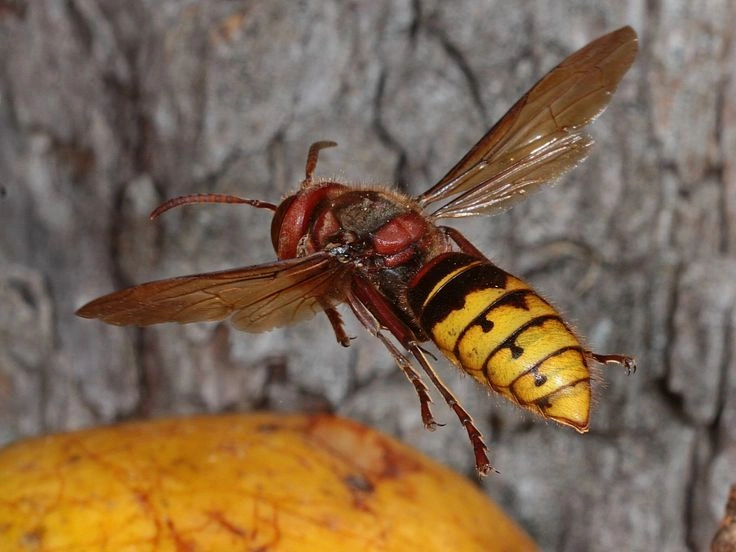
A giant hornet with an orange head, bold black-and-orange body, and a powerful sting sounds like something from a horror movie. Yet the insect commonly called the murder hornet is real. Its scientific name is Vespa mandarinia, and it is also called the northern giant hornet.
The name “murder hornet” became popular in news coverage, but it can make the insect sound as if it actively hunts people. That is not an accurate picture. These hornets primarily hunt other insects, especially honey bees, and they generally do not seek out humans. The main concern is what happens when a nest is disturbed and what the species could do if it becomes established outside its native range.
For Viltnemnda readers, the useful question is not whether the nickname sounds frightening, but how to recognize the species, understand its real risks, and respond without creating unnecessary danger in practice.
Key Takeaways
- The murder hornet is Vespa mandarinia, also known as the northern giant hornet.
- It is the world’s largest hornet, with workers commonly around 1.5 to 2 inches long.
- A large orange-yellow head and black-and-orange striped abdomen are major identification clues.
- It primarily hunts insects, with honey bees being an important target.
- Nests are commonly found underground or in protected cavities.
- Its sting can be very painful, and repeated stings or severe allergic reactions require medical attention.
- The species is not naturally aggressive toward people when left undisturbed.
- Safe identification and official reporting are more useful than trying to capture or kill a suspected specimen.
What Is the Murder Hornet?
The murder hornet is a large social wasp native to parts of eastern Asia. It belongs to the genus Vespa and lives in colonies led by a queen. Workers leave the nest to forage, hunt prey, and help feed developing young.
It is considered the world’s largest hornet. Adult workers are usually around 1.5 to 2 inches long, while queens can be larger. The combination of size, a broad orange-yellow head, and a strongly striped abdomen makes it more noticeable than many other wasps.
Murder Hornet Identification: What to Look For
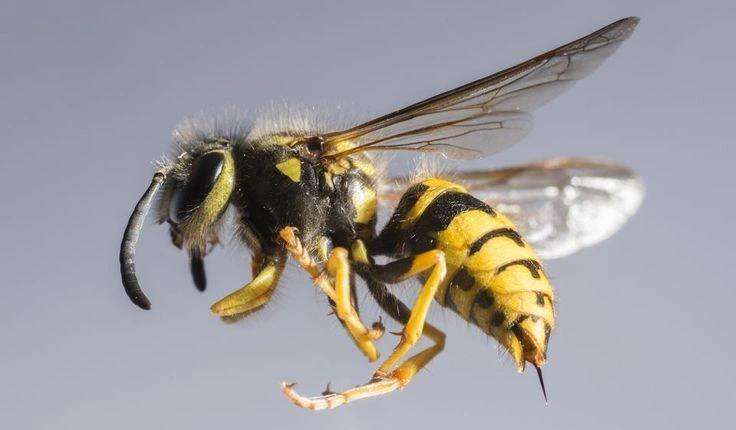
Size is the first clue, but it should not be the only one. Many large wasps are mistaken for the murder hornet, so identification should be based on several features together.
A northern giant hornet usually has a large orange or yellow head with prominent eyes. Its abdomen has contrasting black and orange-yellow bands, giving it a very distinctive appearance. The body is robust rather than slim, and its overall size is noticeably larger than common yellowjackets.
Another important clue is where the insect is nesting. Northern giant hornets form large colonies that commonly nest underground, particularly in forested areas. They can also use cavities in trees, and less commonly other sheltered structures.
Look-alikes can confuse. Yellowjackets are generally much smaller. Bald-faced hornets are mostly black with white markings. Paper wasps have slimmer bodies and a more obvious narrow waist. Cicada killers and other large wasps can also appear intimidating without being northern giant hornets.
If you cannot confidently identify a large wasp, avoid handling it. A clear photograph taken from a safe distance can be more useful than trying to capture the insect yourself.
Where Does the Murder Hornet Live?
Vespa mandarinia is native to eastern Asia, where it occurs in parts of countries including Japan, China, and Korea. Its natural habitat includes wooded and forested environments where colonies can find suitable nesting sites and abundant insect prey.
The species became a major concern in North America after detections in British Columbia and Washington State beginning in 2019. In British Columbia, a nest found near Nanaimo was located underground and destroyed in September 2019. Washington also launched a large detection and eradication effort after confirmed sightings in Whatcom County.
By 2024, Washington officials announced that the known U.S. population had been eradicated, although authorities continued to emphasize vigilance. The+++ still maintains information about northern giant hornet detection and identification, showing why monitoring remains relevant.
Why the Murder Hornet Matters
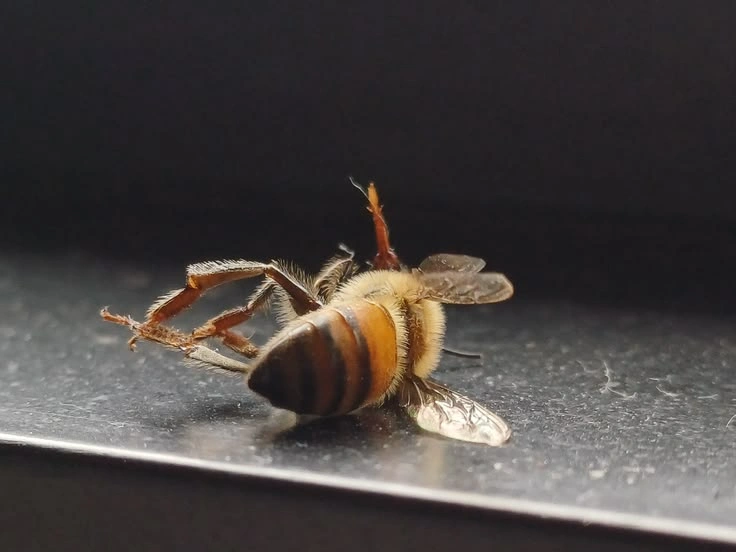
The biggest environmental concern is not that these hornets are constantly attacking people. It is their potential impact on honey bees and other insects.
Honey bees are important pollinators, and commercial beekeeping supports the production of many crops. A predator capable of attacking honey bee colonies can therefore create problems for beekeepers and agriculture if it becomes established.
Northern giant hornets can raid honey bee colonies in groups. During an attack, they may kill worker bees and carry prey back to their nest. A strong colony of hornets can put significant pressure on an unprotected hive.
What Does a Murder Hornet Sting Feel Like?
A murder hornet sting can be very painful. The insect has a substantial stinger and can sting repeatedly, unlike honey bees, whose barbed stinger normally remains in the skin after a sting.
A sting may cause immediate pain followed by redness, swelling, and itching around the affected area. The severity can vary from person to person. People with serious insect-sting allergies can experience a dangerous allergic reaction, while multiple stings can increase the risk of more severe effects.
The most important detail is that a sting is more likely to become a problem when a person accidentally gets close to or disturbs a nest. The hornets are not generally looking for people as prey.
If someone is stung, moving away from the area is important so additional stings can be avoided. A cold compress can help reduce local swelling. Anyone who develops signs of a severe allergic reaction, such as trouble breathing, swelling of the throat or tongue, faintness, or widespread symptoms, needs emergency medical care.
How to Stay Safe Around a Murder Hornet
Seeing a large hornet can be alarming, but chasing it is not a good response. Do not swat at, trap, or approach an insect that you suspect could be a northern giant hornet.
If you notice repeated activity around one location, especially near a ground cavity, fallen log, tree root, or another sheltered opening, keep your distance. Do not dig into the ground or block the entrance. Disturbing a colony could trigger defensive behavior.
Instead, contact the relevant local agriculture, invasive-species, or pest authority and follow its reporting instructions. Photographs taken safely from a distance can help specialists determine whether the insect is actually a northern giant hornet.
Murder Hornet and Honey Bees
The relationship between the murder hornet and honey bees explains much of the concern surrounding the species.
Honey bees can defend themselves against some predators, but a coordinated attack by giant hornets can overwhelm a colony. Hornets may kill worker bees and feed their own developing larvae with the captured prey.
This is especially important in regions where beekeeping and pollination are economically significant. The goal of eradication programs is therefore not simply to remove an unusual insect from a neighborhood. It is to prevent a predator from establishing a self-sustaining population.
How Authorities Detect and Control It
Detection programs use several methods to find and confirm invasive hornets. Officials may place specialized traps, investigate credible public reports, identify collected specimens, and track live hornets back toward a nest.
Public Reports Help Locate Hornets
Public participation can play an important role in detection. In Washington, reports from residents helped authorities locate specimens and suspected nests. These reports gave specialists valuable information about where to investigate further.
Tracking Helps Find the Nest
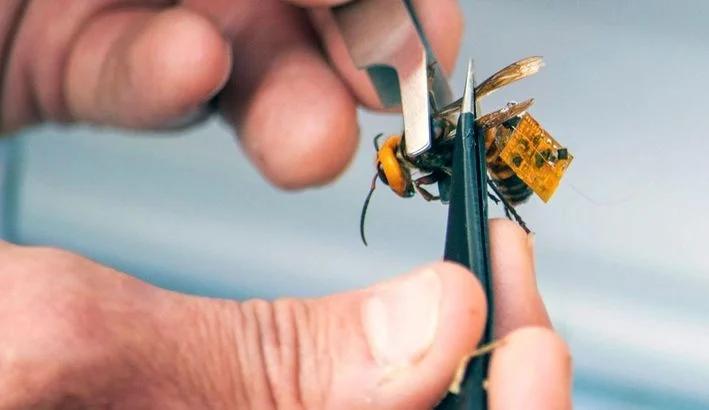
When a live hornet is captured, trained specialists may use tagging and tracking methods to follow it back toward its colony. This can help authorities identify the nest location and determine the best way to respond.
Confirmed Nests Require Trained Personnel
Once a nest is confirmed, trained personnel can remove or destroy the colony using approved procedures. This is not a DIY pest-control job because disturbing a hidden nest can expose people to a serious sting risk.
Why Early Detection Matters
The main goal is to find invasive hornets before they become widely established. Early detection gives authorities a better opportunity to locate nests, remove colonies, and limit further spread.
Why Identification Should Come From Reliable Sources
Information about the murder hornet is easy to exaggerate because the insect has an attention-grabbing name and appearance. For accurate identification, Viltnemnda readers should rely on agricultural agencies, invasive-species programs, university extension resources, and qualified entomologists rather than viral images or social-media claims.
Official sources such as the Washington State Department of Agriculture and the Canadian Food Inspection Agency distinguish Vespa mandarinia from look-alike wasps and guide detection. This matters because a mistaken identification can create unnecessary fear or lead people to disturb a harmless insect.
The most responsible approach is evidence first: observe from a safe distance, document what you can without handling the insect, and let trained authorities confirm the species.
FAQs
Is the murder hornet dangerous to humans?
It can be dangerous, especially when a nest is disturbed or someone receives multiple stings. However, the hornet does not normally hunt humans.
How big is a murder hornet?
Workers are usually about 1.5 to 2 inches long, while queens can be larger. Its size is one of the clearest differences from common yellowjackets.
Where does the murder hornet build its nest?
It commonly builds large colonies underground, particularly in forested areas. Tree cavities and other protected locations can also be used.
Can a murder hornet kill honey bees?
Yes. Northern giant hornets prey on honey bees and can attack colonies in groups. This predatory behavior is a major reason the species is monitored outside its native range.
What should I do if I see a suspected murder hornet?
Keep your distance and do not try to catch or disturb it. Take a photograph only if you can do so safely, then contact the appropriate local agriculture or invasive-species authority for identification guidance.
Why is it called a murder hornet?
“Murder hornet” is a popular media nickname for Vespa mandarinia. The name refers to its ability to kill prey, particularly honey bees, rather than meaning that the insect routinely attacks people.
