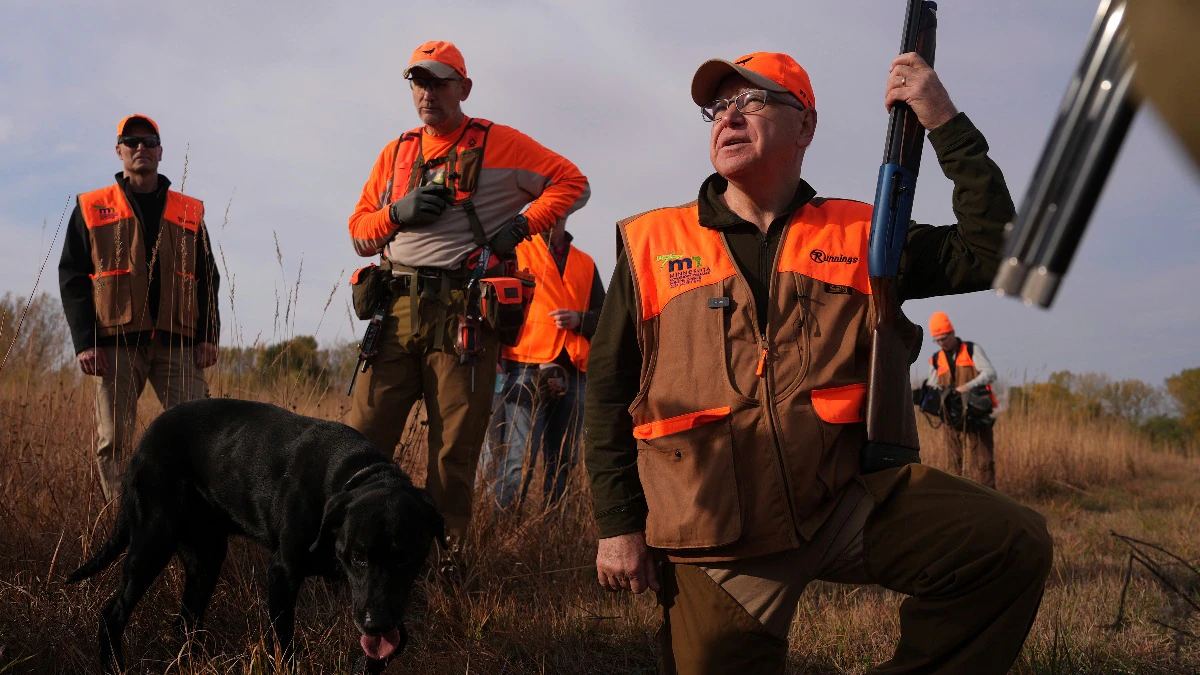
Imagine standing in a pine forest in Eastern Norway with every state credential flawlessly in order. You have passed the theoretical hunter exam, paid your annual state fee, cleared the marksmanship shooting test, and registered your rifle. You hold full legal competence to harvest wildlife under Norwegian law. Yet, if you step off the forest road and uncase your rifle, you are committing wildlife poaching (tjuvjakt).
The reason is straightforward: state certification bestows personal eligibility, but zero spatial access. Understanding how hunting rights landowner mechanisms function is essential, as the right to hunt does not belong to the state or the public, but strictly attaches to private real estate title.
Without explicit permission from the specific individual or entity holding title to that exact parcel, a fully qualified hunter has no legal right to hunt anywhere in Norway. Hunting rights in Norway attach to the land, not to the state and not to the person with the licence.
The Rule, Stated Plainly
In Norwegian property law, the right to hunt (jaktrett) is an exclusive legal attribute of land ownership (grunneier). The core governing principle often summarized in Norwegian legal tradition as jaktrett grunneier establishes that the exclusive right to harvest wild birds and mammals follows the real property title down to the soil boundaries. Every hunting rights landowner relation is grounded in this strict real estate baseline.
This principle is codified in Section 27 of the Norwegian Wildlife Act (Viltloven of 1981, Law no. 38). Under Section 27, the hunting rights landowner holds exclusive authority over hunting and trapping on their property, subject only to statutory species protections, general welfare regulations, and seasonal limits established by the state.
The state regulates how, when, and what species may be taken, but it does not own the hunting rights themselves, nor can it grant a member of the public access to private land without the title holder’s consent. Unlike Norway’s famous right to roam (Allemannsretten), which guarantees public pedestrian access across uncultivated countryside, Allemannsretten explicitly excludes hunting, fishing, and timber harvesting. Every hunting rights landowner retains absolute control over game access.
What a Licence Actually Gives You?
State-issued qualifications serve solely as a personal legal baseline. To handle a firearm or harvest game, you must complete the mandatory hunter exam, register with the official hunter register (jegerregisteret), and pay the annual state hunting fee (jegeravgift). When targeting big game, you must also satisfy specific weapon requirements and pass the annual marksmanship test.
However, these administrative steps do not allocate a single square meter of terrain. The jegerregisteret verifies personal competence, while the jegeravgift contributes to public wildlife management funds; neither acts as an access permit. You can hold flawless state credentials for decades without acquiring the right to step onto a single forest path with a loaded firearm, because no hunting rights landowner has issued an approval.
How Access Is Actually Obtained?
Because hunting rights belong to the grunneier, hunters who do not own land must acquire access directly through land based hunting rights arrangements. This requires direct negotiation with each hunting rights landowner through several distinct contractual mechanisms:
-
Written Personal Permission (Skriftlig Tillatelse): A direct, informal authorization from a hunting rights landowner. Typically used for family members or close friends, it covers a specific property and lasts for a single weekend or season. It cannot be transferred to third parties.
-
Commercial Leases (Jaktleie): Formal contracts where a hunting rights landowner leases the exclusive or shared hunting rights of a defined area to an individual or organized hunting group. Leases commonly run from 1 to 5 years and define exact bag limits, target species, and allowed dates.
-
Day Cards (Dagskort): Short-term permits sold by an individual hunting rights landowner or local management boards. These allow small game or waterfowl hunting on a specified parcel for a 24-hour window.
-
Hunting Association Permits (JFF-kort): Local branches of the Norwegian Association of Hunters and Anglers (NJFF) lease large tracts of private ground from a hunting rights landowner and issue discounted seasonal permits to active members.
-
Property Co-Ownership Shares (Rettighetsandel): Inherited or purchased fractional shares in an estate or agricultural unit (gård), which include built-in hunting privileges over communal farm holdings.
In every instance, securing explicit landowner permission is the mandatory prerequisite before unslinging a rifle.
Commons and Shared Ground
Norway’s land tenure includes broad areas of shared holdings known as commons (allmenning), where hunting rights follow specific legal frameworks rather than single-owner titles.
| Commons Type | Property Ownership | Hunting Right Holder | Local Resident Preference |
| State Commons (Statsallmenning) | Owned by the State | Local community members & general public | Statutory priority given to parish residents (bruksrettsberettigede) |
| Private Commons (Bygdeallmenning) | Owned collectively by local farms | Farms with active agricultural property rights | Exclusive to rights-holders; public access leased only if excess quota exists |
In a State Commons (statsallmenning), governed by the Mountain Act (Fjelloven), the land is state-owned, but mountain board committees (fjellstyre) allocate small-game and big-game hunting. By statute, local residents who live in the mountain parish have first priority for small game permits and moose quotas. Out-of-municipality hunters can access remaining tags only through public draws or lottery systems.
In a Private Commons (bygdeallmenning), the land title belongs jointly to farms tied to the district, making each participating farm a partial hunting rights landowner. The local board manages the ground primarily for member farms. Outside hunters cannot claim statutory access rights and can only purchase tags if the farm board chooses to offer public permits.
State Land
Land owned directly by the Norwegian state outside of commons system—primarily managed through the state-owned enterprise Statsskog SF—covers massive tracts of forest and mountain, particularly in Northern and Central Norway. In these zones, the state acts as the overarching hunting rights landowner for public benefit.
Statsskog operates differently from a private hunting rights landowner by maintaining an open-access mandate. Its primary policy goal is providing affordable hunting opportunities to the general public regardless of local residency or family ties. Statsskog sells small-game permits and allocates big-game team quotas online through the central portal Inatur.no.
For hunters without family property or local connections, Statsskog provides the primary gateway into Norwegian hunting. Small-game daily or seasonal passes are inexpensive (typically 200 to 500 NOK per day), making state-managed ground the most accessible option for new and visiting sportspeople.
When the Ground Is Too Small?
Under Section 33 of the Wildlife Act, big game hunting (moose, red deer, wild reindeer, and roe deer) requires a minimum land area (minstareal) to qualify for a harvest quota. A single smallholding of 20 or 50 acres cannot legally harvest a moose on its own, as its acreage falls below the municipal threshold needed to support sustainable hunting quotas, even if the hunting rights landowner desires to hunt.
To meet these area thresholds, neighbouring landowners must combine their individual properties into a unified management zone called a vald. Each participating hunting rights landowner joins a steering committee, drafts a joint management plan, and submits the combined acreage to the municipality to receive their annual animal quota allocation (for example, two moose and three roe deer across a combined 450-hectare unit).
If a reluctant neighbour refuses to join a vald, that hunting rights landowner cannot hunt big game independently on their small parcel. While they retain their underlying property rights, their isolated parcel remains functionally unhuntable for big game until included in a recognized management unit.
The Awkward Cases
Boundary edge cases and property overlaps create complex legal situations that require precise application of statutory law:
-
Rights Sold Separately: A hunting rights landowner can legally lease out the hunting rights while retaining timber and agricultural rights, or lease small-game rights to one party and big-game rights to another.
-
Disputed Boundaries: If a property line is actively disputed in court (jordskifteretten), hunting on the contested strip is suspended until boundary determination is finalized by every involved hunting rights landowner.
-
Landowner Hunting on Leased Ground: Once a hunting rights landowner executes an exclusive hunting lease with a tenant, that hunting rights landowner surrenders their own right to hunt game on that tract for the duration of the lease, unless explicit personal reservations were written into the contract.
-
The Wounded Animal Boundary Rule: Under Section 34 of the Wildlife Act, if a big game animal is shot within a hunter’s valid boundary but crosses onto neighbouring land where the hunter has no rights, the hunter must not immediately cross the boundary armed to pursue it. The hunter is legally obligated to stop at the border, notify the neighbouring hunting rights landowner or the municipal wildlife board (fallviltgruppe) immediately, and await authorization before tracking the animal onto adjacent property.
What a Visiting Hunter Has to Arrange?
Visiting foreign hunters face the same underlying land-access laws as Norwegian citizens. State certifications earned abroad can often be converted to satisfy local requirements, provided you verify your credentials with the national registry and adhere to local hunting season dates.
However, foreign credentials do not bypass the need for land access. Visiting hunters cannot simply purchase a general license and head into the mountains. Before arriving in Norway, a foreign hunter must explicitly secure a commercial lease from a hunting rights landowner, acquire day cards through Inatur.no, or obtain a formal invitation from a local hunting team (jaktlag) holding valid ground rights.
The Read
Attaching hunting rights directly to land ownership ensures that local property owners remain invested in habitat conservation and sustainable game management. Every local hunting rights landowner is incentivized to maintain viable species populations over time. However, it also creates high entry barriers for urban residents, young hunters, and newcomers who lack family connections or inherited rural property.
While commercial platforms like Inatur and open public access on Statsskog ground help bridge this gap, navigating private land permissions directly with a hunting rights landowner remains the single greatest hurdle in Norwegian sportsmanship. For anyone starting with zero access, the most effective first move is joining a local branch of the NJFF (Norges Jeger- og Fiskerforbund). Local clubs secure collective leases across expansive private lands, giving members an immediate, affordable pathway into the field.
Frequently Asked Questions
Who owns the hunting rights on a piece of land in Norway?
Under Section 27 of the Wildlife Act, hunting rights belong exclusively to the property owner (grunneier). State certification grants personal eligibility, but you must secure explicit permission from the landowner to access any parcel.
Can you hunt anywhere with a Norwegian hunting licence?
No, state licenses and tests only certify your personal legal competence to hunt in Norway. They grant zero spatial access, meaning you still need a lease, permit, or direct landowner permission for specific ground.
How do small properties handle big game hunting quotas?
Properties that fall below the municipal minimum acreage threshold (minstareal) cannot harvest big game independently. Neighboring landowners must pool their properties into a joint management unit (vald) to receive a shared animal quota.
What happens if a wounded animal crosses onto neighbouring land?
Under Section 34 of the Wildlife Act, you cannot cross the boundary armed to pursue a wounded animal. You must stop at the border immediately and notify the neighboring landowner or local municipal wildlife team for authorization.
