Groundhog Facts: If you have ever seen a groundhog standing beside a field or quickly disappearing into a hole, you may have wondered what life is really like for this chunky little animal. Groundhogs are familiar across much of North America, but there is more to them than the famous Groundhog Day tradition.
These animals are also called woodchucks or whistle pigs. Their scientific name is Marmota monax, and they belong to the squirrel family. They are excellent diggers, plant eaters, and true hibernators with some impressive ways of surviving winter.
This guide to Groundhog Facts looks at where groundhogs live, what they eat, how they prepare for winter, and the behaviors that make them such interesting wildlife.
Key Takeaways
- Groundhogs are also known as woodchucks and whistle pigs.
- They are the largest members of the squirrel family.
- Groundhogs prefer open areas close to woodland, fields, streams, and vegetation.
- Their powerful claws help them create large underground burrows.
- They mainly eat grasses, clover, leaves, fruits, and other plants.
- Groundhogs enter true hibernation during winter.
- They build body-fat reserves before entering their winter burrows.
- Most groundhogs are active above ground during daylight, especially around morning and evening.
- Their burrows provide shelter from predators, weather, and other dangers.
What Is a Groundhog?

A groundhog is a large, burrowing rodent found mainly across eastern and central North America. It belongs to the marmot group within the squirrel family, making it a relative of squirrels even though its body looks quite different.
Groundhogs have a chunky body, short but powerful legs, small rounded ears, a blunt nose, and a short bushy tail. Their fur is usually brown or brownish-gray, with lighter coloring underneath. Adults commonly weigh between 4 and 14 pounds, although weight changes considerably during the year.
One of the most useful groundhog features is its strong front claws. These claws are made for digging and allow the animal to create surprisingly complex underground homes.
Where Do Groundhogs Live?
Groundhogs are widely distributed across eastern and central parts of the United States, with their range extending into Canada and parts of Alaska. They are especially comfortable where food is easy to find and the soil is suitable for digging.
Groundhog Habitat
Groundhogs often choose places where open land meets areas that provide cover. Common habitats include:
- Meadows and fields
- Pastures
- Woodland edges
- Brushy areas
- Stream banks
- Roadsides
- Fence lines
- Areas around farms
- Some suburban environments
Penn State Extension notes that woodchucks can also use abandoned farmland and areas near buildings when food and shelter are available.
This flexible lifestyle is one reason groundhogs can live successfully in landscapes that have been changed by people.
Groundhog Burrows
A groundhog’s burrow is much more than a simple hole in the ground. It can contain several entrances and underground chambers that serve different purposes.
The burrow provides a safe place for resting, escaping predators, raising young, and hibernating. Some burrows can become quite extensive, with multiple exits that give the animal different escape routes.
Groundhogs often place burrows near fields and other food-rich areas, giving them quick access to plants while keeping a secure shelter nearby.
What Do Groundhogs Eat?
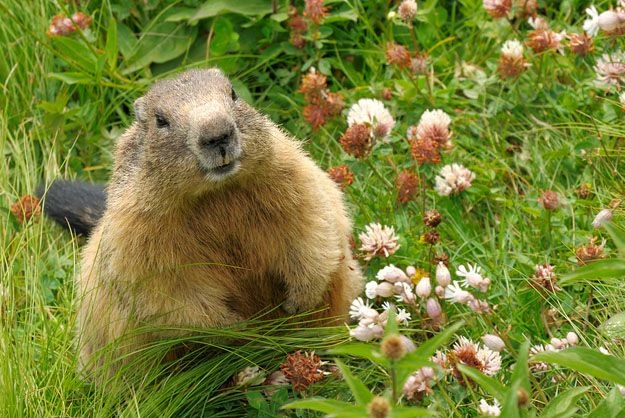
Groundhogs are mainly herbivores, so plants make up most of their diet. They are not especially picky eaters and can take advantage of whatever suitable vegetation is available during the season.
Their food can include:
- Grass
- Clover
- Alfalfa
- Leaves
- Flowers
- Fruits
- Garden plants
- Grains
- Tree bark
The U.S. National Park Service describes groundhogs as generalist herbivores, meaning they can eat a wide range of plants depending on what is available.
How Groundhogs Prepare for Winter
Food becomes especially important as winter approaches. During warmer months, groundhogs eat heavily and build up fat reserves. Those stored reserves become their main energy source while they are hibernating.
This seasonal pattern is one of the most important Groundhog Facts to understand. A groundhog is not simply eating because it is hungry. It is also preparing its body for a long period when it will not be feeding normally.
Do Groundhogs Hibernate?
Yes. Groundhogs are among the mammals that undergo true hibernation.
Before winter arrives, they retreat into specially prepared burrows. During hibernation, their metabolism slows dramatically, their heart rate drops, and their body temperature decreases. These changes allow them to conserve energy while food is scarce.
Groundhogs may enter their winter burrows in fall and remain there through the cold season. The exact timing can vary with location and weather conditions. Penn State Extension reports that some woodchucks begin emerging from hibernation in late February.
How Do Groundhogs Survive Without Eating?
The answer is stored body fat.
During spring, summer, and early fall, groundhogs spend much of their active season feeding and gaining weight. Once winter arrives, they rely on those stored energy reserves.
Their slowed metabolism also reduces how quickly their bodies use energy. This combination allows them to survive months when fresh vegetation is unavailable.
Groundhog Behavior
Groundhogs are mostly terrestrial animals, meaning they spend most of their lives on the ground rather than in trees. However, they are capable climbers and swimmers when necessary.
They can also be surprisingly alert. A groundhog feeding in an open area may suddenly stop, stand upright, and look around before returning to feeding or running toward its burrow.
Why Do Groundhogs Whistle?
The nickname “whistle pig” comes from the sharp sounds groundhogs can make when they are alarmed or communicating danger.
A sudden whistle can serve as a warning when a groundhog notices a possible threat. Other groundhogs nearby may respond by becoming more alert or moving toward shelter.
Are Groundhogs Active During the Day?
Yes. Groundhogs are generally diurnal, which means they are active during daylight hours. They may spend much of their time feeding, exploring their surroundings, grooming, and maintaining awareness of nearby threats.
The National Park Service notes that groundhogs are often active above ground around dawn and dusk.
This makes early morning and late afternoon good times for observing them in suitable habitat.
Groundhog Social Behavior
Groundhogs are not highly social animals like some species of rodents. They usually spend much of their time alone, although their social behavior changes during the breeding season and when mothers are raising young.
Their burrows are extremely important to their daily lives. Instead of constantly staying above ground, groundhogs can quickly retreat underground when they sense danger.
A burrow with multiple entrances gives them several ways to escape. This is especially useful because groundhogs can face predators while feeding in exposed areas.
Groundhog Breeding and Young
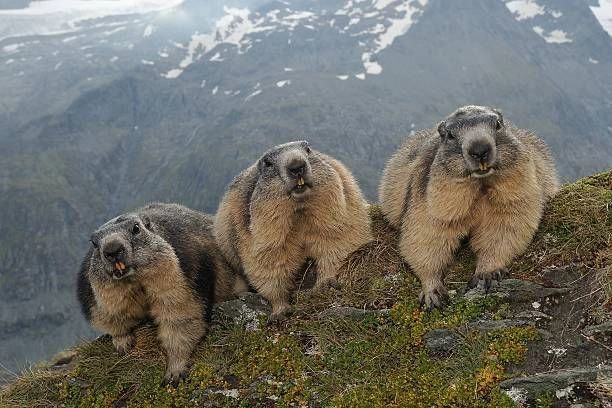
Groundhog breeding generally occurs soon after the animals emerge from winter hibernation. After mating, females eventually give birth to a litter of young that remain protected in the burrow during their early development.
Young groundhogs become more independent as they grow and begin spending increasing amounts of time outside the burrow.
The timing of breeding and emergence can vary depending on climate and location, so wildlife observers should not expect exactly the same schedule every year.
Why Are Groundhogs Important?
Groundhogs are a natural part of North American ecosystems. Their burrowing behavior can change the soil and create underground spaces that may later be used by other animals.
They also form part of the food chain. Like other wild mammals, they interact with predators and contribute to the balance of their local habitat.
At the same time, their feeding and digging can sometimes cause problems around farms, gardens, roads, and buildings. Penn State Extension specifically identifies these feeding and burrowing habits as sources of conflict with human activities.
Understanding these animals helps people appreciate their ecological role while also recognizing why they sometimes become unwanted visitors.
Groundhog Facts You May Not Know
Here are a few quick facts that make groundhogs even more interesting:
- A groundhog can also be called a woodchuck or whistle pig.
- Its scientific name is Marmota monax.
- Groundhogs are the largest members of the squirrel family.
- Their strong front claws are specially adapted for digging.
- They can create burrows with multiple entrances.
- Their weight can change significantly between entering and leaving hibernation.
- Groundhogs mainly eat vegetation.
- They can climb and swim when needed.
- They are true hibernators.
- Groundhog Day is connected to the traditional belief about a groundhog predicting the remaining length of winter.
Groundhogs and Groundhog Day
Groundhogs became especially famous because of Groundhog Day, celebrated on February 2.
According to the popular tradition, a groundhog emerging from its burrow and seeing its shadow supposedly signals six more weeks of winter. The tradition is cultural folklore rather than a scientifically reliable weather-prediction method.
The connection exists because groundhogs emerge from their winter burrows around the period when winter is still underway. Their natural hibernation cycle helped make them an obvious symbol for the seasonal tradition.
Conclusion
Groundhogs may look like simple backyard animals, but their lives are built around some impressive survival skills. They dig secure burrows, feed heavily during the warmer months, store body fat, and enter true hibernation when winter makes food difficult to find.
Their adaptable habitat choices and alert behavior also help them live successfully alongside changing landscapes. From their powerful digging claws to their winter survival strategy, these animals have plenty to offer anyone interested in North American wildlife.
The next time a groundhog suddenly disappears into a hole, remember that you may have just watched a highly adapted little mammal use one of its most important survival tools.
Note
The information in this article is based on wildlife and biological references from established sources, including the U.S. National Park Service and Penn State Extension. These sources provide information on groundhog identification, habitat, diet, burrowing, hibernation, and behavior. Because wildlife behavior can vary by region, season, and local conditions, observations in the field may not always match one exact schedule.
For more wildlife-focused information, Viltnemnda aims to present clear, useful facts that help readers understand wild animals and their natural behavior.
Frequently Asked Questions
What do groundhogs eat?
Groundhogs mainly eat plants. Their diet includes grasses, clover, alfalfa, leaves, fruits, grains, bark, and other vegetation available in their habitat.
Where do groundhogs live?
Groundhogs live across much of eastern and central North America, including areas of the United States and Canada. They prefer fields, meadows, woodland edges, pastures, stream banks, and other places with food and suitable soil for digging.
How long do groundhogs hibernate?
Groundhogs remain in hibernation through much of the cold season, with the exact timing varying by location and weather. Some begin emerging in late winter, including late February in parts of Pennsylvania.
Do groundhogs live alone?
Groundhogs generally spend much of their time alone, although they interact during breeding and when mothers care for their young. Their burrows provide important shelter and protection.
Are groundhogs dangerous?
Groundhogs normally avoid people and prefer to escape into their burrows when threatened. Like any wild animal, however, they should be observed from a safe distance and left alone rather than approached or handled.
Why do groundhogs dig burrows?
Groundhogs dig burrows for several reasons. Their underground homes provide places to rest, escape predators, raise young, and spend the winter hibernating.
