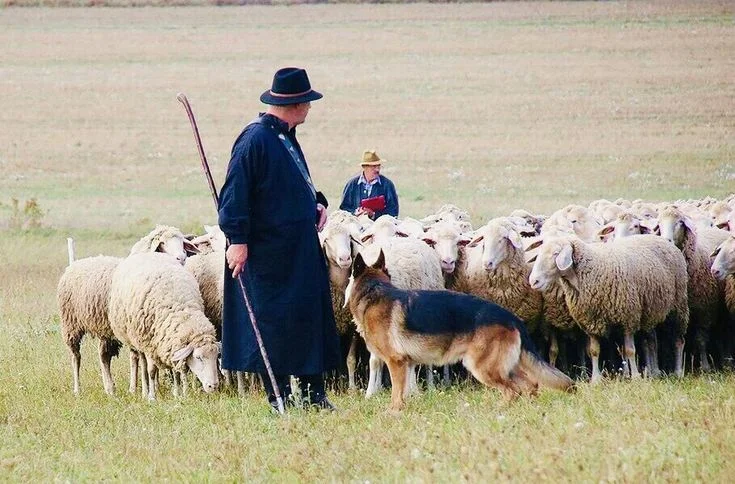
If you keep livestock on outfield pasture in Norway, supervision is not just a good farming habit. It is a legal duty tied to animal welfare. The farmer must know where the animals are, check their condition, notice problems and act when something is wrong.
For animals in utmark, or outfield range, Mattilsynet says they should normally be checked according to need and at least once a week. If the risk of injury, illness or other serious problems increases, supervision needs to become more frequent. Animals on cultivated land normally need daily supervision.
That is the practical meaning of livestock supervision duty Norway readers often see as tilsynsplikt for beitedyr. It is about active checking, not simply assuming the herd is fine.
Key Takeaways
- Livestock supervision duty Norway is about protecting animals through proper, active care.
- Animals in outfield range normally need supervision according to need and at least once a week.
- Higher risk means more frequent and closer checks.
- Grazing rights and supervision duties are separate legal questions.
- Beitelag can organize shared supervision and other grazing measures.
- Predator-related losses may qualify for compensation when legal conditions are met.
- GPS devices and drones can support supervision but do not replace the farmer’s responsibility.
What does livestock supervision duty mean in Norway?
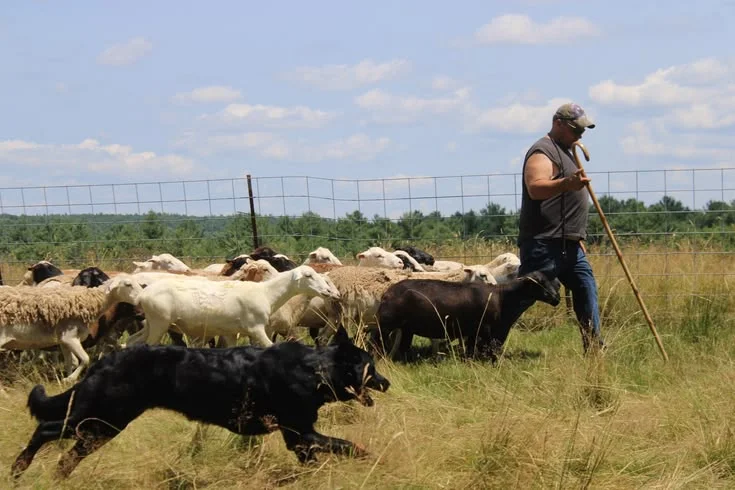
The basic duty comes from Norway’s Animal Welfare Act and related regulations. The person responsible for the animals must provide proper supervision and care and protect animals from injury, disease, parasites and other dangers.
There is no single routine for every pasture. A large mountain area, a small grazing field and an area with predator pressure can need very different routines. Mattilsynet also says farmers must assess risks linked to terrain, weather, food, water and other local hazards.
How does livestock supervision duty Norway work in practice?
Think of supervision as a repeating loop rather than one weekly visit.
Step 1: Check the grazing area before release
Before animals are released, the farmer should consider whether the area is suitable and safe. There should be enough suitable natural feed and access to good drinking water.
Step 2: Make a realistic supervision plan
The plan should match the animals and the place. A farmer should know when checks will happen, which routes will be used and how missing animals will be followed up.
In difficult areas, technology can help. Mattilsynet mentions GPS devices, often called radiobjøller, and drones when finding every animal during a normal round is difficult.
Technology does not remove the duty. It helps the farmer discover problems and decide when a closer physical check is needed.
Step 3: Look for signs of trouble
During a visit, look for animals that are injured, sick, weak, unusually frightened or separated from their mothers.
Also check the surroundings. The question is not only “Are the animals there?” It is “Is something around them creating a risk?”
Step 4: Follow up missing animals
In outfield pasture, it may not be possible to see every animal on every visit. Animals not found during one round should be searched for during the next round.
Step 5: Act when risk rises
Bad weather, disease, injuries, predator activity or other local problems can change the situation quickly.
When risk increases, supervision should become more frequent and more detailed. A fixed “once a week and nothing more” approach can therefore be misleading.
What is the difference between grazing rights and supervision duty?
These are connected but they are not the same thing. Grazing rights are about whether livestock have a legal right to use a particular area. Supervision duty is about the care and control of the animals once they are being kept there.
Norway’s Beitelova also requires the owner or holder of livestock to prevent animals from entering areas where they do not have the right to stay. If livestock enter someone else’s property without that right and cause damage, the owner or holder can become responsible for compensation.
So a farmer can have a genuine grazing right and still have a supervision problem. Permission to graze does not mean animals can simply be left without proper care.
Why do beitelag matter?
A beitelag is a grazing association where farmers cooperate around common grazing work. This can make outfield grazing easier to organize, especially where animals spread across large areas.
Landbruksdirektoratet has a support scheme for beitelag covering organized supervision, gathering animals and other joint measures connected with outfield grazing. The scheme applies to sheep, goats and cattle using outfield pasture.
Still, joining a beitelag does not automatically transfer every legal responsibility away from the individual animal keeper. The person responsible for the animals still needs to make sure welfare requirements are met.
What happens when predator pressure becomes a problem?
Predator pressure can make ordinary supervision much more demanding. Norway has compensation arrangements for losses connected with protected predators and wildlife management such as lynx, wolverine, brown bear, wolf and golden eagle.
If a dead or injured animal is suspected of being killed or injured by a protected predator, the owner should contact the local wildlife contact so the case can be examined and documented.
A missing animal is not automatically the same as a confirmed predator kill. Compensation depends on the relevant rules and evidence available in the individual case.
There is also support for preventive and conflict-reducing measures. Depending on the situation, eligible applicants may seek support for expanded supervision, predator-resistant fencing, moving animals to less exposed grazing areas or other measures expected to reduce losses.
How do compensation claims work?
For livestock losses caused by protected predators, Norwegian rules provide a statutory compensation scheme under specified conditions.
For sheep, current guidance says applications for the grazing season are submitted through the Environmental Directorate’s application system, with 1 November as the normal deadline. Other livestock can also fall under the scheme, while tamrein has a separate process and deadline.
Documentation is important. When a suspected predator kill is found, the animal should be examined through the relevant wildlife-contact system. Authorities can use documented findings and other information when assessing a claim.
What about conflicts between farmers and other land users?
Grazing can create conflict with landowners, cabin owners, roads, fences or other activities in the same area.
Beitelova sets rules for livestock that enter places where they have no right to be. Grazing rights and fencing can also become complicated because rights may vary by property and local history.
When a dispute concerns a specific grazing right, fence duty or property damage, it may require a legal assessment. In some cases, Jordskifteretten can deal with disputes connected with grazing and fencing.
What should farmers know about livestock supervision duty in 2026?
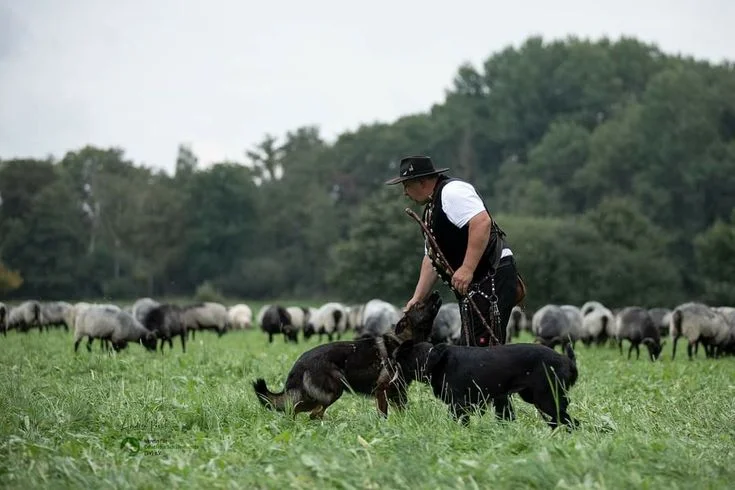
The core rule is straightforward in 2026: livestock keepers must provide proper supervision and care, and the level of supervision should reflect the actual risk.
The minimum weekly point for animals in outfield range is useful. That makes planning easier when pasture conditions change during summer, but it should not be treated as a safe target in every situation. Mattilsynet expects closer and more frequent supervision when risks increase.
The practical lesson is simple. Good supervision is flexible. The routine should change when the animals, weather or grazing area changes.
A simple weekly checklist
A useful routine can be kept simple:
- Check animals and search for those not seen.
- Look for injury, illness, weakness or abnormal behavior.
- Check water, feed and dangerous terrain.
- Search for dead animals.
- Follow up missing animals quickly.
- Increase visits when risk increases.
- If predator damage is suspected, report it through the correct wildlife-contact system.
Sources Note
This article is based mainly on current guidance and legislation from Mattilsynet, Lovdata, Landbruksdirektoratet and Miljødirektoratet. These authorities cover animal welfare, grazing rights, organized grazing, predator management and compensation. Viltnemnda provides wildlife-focused information, but official authorities should be used for current legal requirements and individual cases.
FAQs
How often must livestock be checked in outfield pasture in Norway?
As a general rule, animals in outfield pasture should be supervised according to need and at least once a week. The frequency must increase when the risk of suffering, injury or other problems becomes higher.
Does GPS replace the supervision duty?
No. GPS can help locate animals, but the keeper still needs to assess animal welfare and physically investigate problems when needed.
What is tilsynsplikt for beitedyr?
Tilsynsplikt means the responsibility to provide proper supervision of grazing animals. In practice, it means checking their condition, surroundings and whether they need help.
Can a beitelag handle supervision for farmers?
A beitelag can organize joint supervision and other common grazing work. However, membership does not automatically remove the individual keeper’s responsibility for animal welfare.
Can farmers claim compensation for predator losses?
Potentially, yes. Norway has compensation arrangements for livestock and tamrein lost to protected predators when the relevant conditions are met. Documentation and deadlines matter.
What should I do if I find an injured grazing animal?
Contact the animal keeper if possible. The person responsible must provide necessary help, treatment or humane euthanasia where required. If predator involvement is suspected, the relevant wildlife contact should also be contacted for documentation.
Disclaimer
This article is for general educational and informational purposes. Norwegian rules can depend on the animal type, grazing area and specific circumstances. Always check current guidance from the relevant Norwegian authority before making decisions about livestock, grazing rights or compensation.
