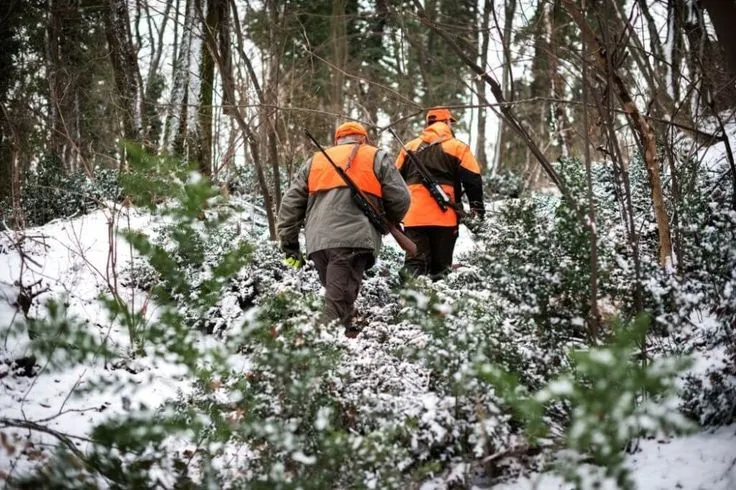
If you want to hunt in Norway, the jegerprovan hunter exam is the starting point. In 2026, the route is clear: complete the mandatory 30-hour hunter training course, pass the electronic exam, become registered in Jegerregisteret, and then meet the other rules that apply to the hunt you want to join. Passing the test does not by itself permit you to hunt anywhere. You still need a valid hunting licence fee, permission or hunting rights for the area, and any species-specific requirements. Landbruksdirektoratet confirms that the course and exam remain the core of the Norwegian system in 2026.
A useful way to think about the process is as three layers. First comes knowledge through the course and exam. Second comes legal access through registration, the hunting licence fee, and permission to hunt. Third comes the rules of the specific hunt, including dates, species, quotas, equipment, and reporting. Keeping these layers separate makes the Norwegian system much easier to understand, especially for first-time hunters, and avoids mistakes before the hunt begins.
Key Takeaways
The jegerprøven hunter exam is the foundation of Norway’s hunter qualification system, but it is not the whole hunting process. In 2026, candidates complete a 30-hour mandatory course, take an electronic exam, and are registered in Jegerregisteret after passing.
After that, the practical side begins: pay the hunting licence fee, secure lawful access, follow the hunting card and quota, meet any species-specific requirements, and complete the required reporting.
The safest way to stay current is to check Landbruksdirektoratet, Brønnøysundregistrene, and the rules for your exact hunting area before each season. Hunting rules can vary by species and place, and local conditions can change.
What is the jegerproven hunter exam?
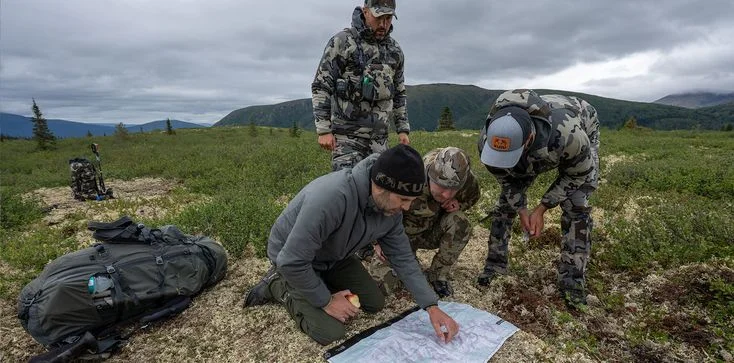
For people planning hunting in Norway as a foreigner, additional requirements may apply depending on nationality, residency status, and previous hunting qualifications.
Under the current rules, the jegerprøven consists of an obligatory course and an electronic examination. You can take the exam from the calendar year in which you turn 14. However, the normal age rules for actually hunting independently are different, so passing the exam should not be confused with immediate permission to hunt alone.
How does the Norwegian hunting exam work in 2026?
The first step is the hunter training course. In 2026, the mandatory course is 30 hours spread across nine required sessions. Landbruksdirektoratet says online learning is available for all sessions and can be used as learning material or for exam preparation.
After the required course is completed, you take the electronic jegerprøve exam. The exam is handled through the Jegerproveeksamen app, where candidates can register, pay the exam fee, take the exam, and access documentation after completion.
The current exam fee listed by Landbruksdirektoratet is NOK 360. The same official page says the app gives candidates access to a practice test, which makes it useful to become familiar with the format before the real exam.
What does the exam actually test?
Expect the learning material to cover practical hunting knowledge rather than one narrow subject. The course includes topics such as wildlife species, wildlife management, hunting methods, firearms, ammunition, trapping, animal welfare, safety, laws and regulations, and handling harvested game.
Knowing when you can hunt, where you can hunt, what species you can take, and what to do after a shot are all part of responsible hunting.
What happens after you pass?
Once you pass the jegerprøven, your information is automatically registered in Jegerregisteret. The Register of Hunters is operated by Brønnøysundregistrene, and it keeps records of people who have qualified to hunt in Norway.
You also need to pay the hunting licence fee for the relevant hunting year. The hunting year runs from 1 April to 31 March. The digital system lets hunters access their hunting licence documentation through their hunting profile.
For independent hunting, age still matters. Landbruksdirektoratet states that the qualification allows independent small-game hunting and trapping from age 16, while independent big-game hunting starts from age 18. Separate rules can apply to supervised hunting and specific activities.
Do you need landowner permission?
Yes. Passing the hunter exam does not automatically give you hunting rights on private or managed land.
Before a hunt, you need permission from the landowner or another rights holder, unless you have another lawful basis for hunting there. In practice, this may mean buying a hunting card, joining a hunting arrangement, or receiving direct permission. Norwegian guidance for foreign hunters also specifically lists permission from the landowner or rights holder as a requirement.
This is one reason beginners should think of the jegerprøven as a qualification, not a hunting ticket. The exam shows that you have completed the required education. It does not decide where you may hunt or how many animals you may take.
How do hunting cards and quotas work?
A hunting card usually gives you access to a defined hunting area under specific conditions. Those conditions can vary by landowner, species, season, location, and type of hunt.
Quota allocation is another separate issue. A hunting area may set a limit on the number or type of animals that can be harvested. In some areas, hunters apply for cards and receive them through a draw or another allocation system. In others, cards may be sold directly.
Current Inatur listings show how different these arrangements can be. Some areas use applications and draws, while others set local bag limits or quotas after wildlife surveys. Always read the rules attached to the exact hunting card you receive.
What is the reporting duty?
Reporting is part of the system, not an optional extra. Brønnøysundregistrene states that anyone who has paid the hunting licence fee must report hunting and catch results, even if they did not hunt. The deadline is 1 May, and the report is submitted to Statistics Norway through Altinn.
There can also be local reporting requirements. A landowner, mountain authority, Statskog, Finnmarkseiendommen, or another hunting manager may require a separate catch report. The local deadline can be different from the national reporting deadline.
For a new hunter, the simple rule is to check both systems before hunting: the national reporting requirement and the rules attached to your hunting area.
What are the jegerprovan hunter exam changes and what happens next?
The current 2026 course plan was revised by Landbruksdirektoratet and is dated 1 January 2026. The official course page, updated in July 2026, continues to describe mandatory training followed by an electronic exam.
There are also wider changes in Norway’s wildlife administration. The Viltressursloven includes provisions covering the hunter exam, registration in Jegerregisteret, the hunting licence fee, reporting, and competence requirements. This shows that the legal framework around hunting continues to develop, even though the basic jegerprøven route remains recognizable.
So if you are searching “what jegerprovan hunter exam looks like in 2026,” the useful answer is this: expect structured training, an electronic exam, automatic registration after passing, and additional legal steps before you actually hunt.
Why does the jegerprovan hunter exam matter right now?
Norway’s wildlife management system connects hunting regulations, conservation goals, species management, and local decision-making. For beginners, it creates a common baseline of knowledge about rules, safety, species, and responsible hunting practices.
For readers researching hunting through Viltnemnda, this distinction is worth remembering: hunter education is only one piece of the wider wildlife-management system.
The exam matters because hunting is not simply about finding an animal and taking a shot. Hunters may need to understand identification, legal seasons, safe firearm handling, animal welfare, tracking, and reporting. Those responsibilities continue after the exam ends.
What should a new hunter do after passing?
A simple checklist helps:
- Confirm your registration in Jegerregisteret.
- Pay the hunting licence fee for the correct hunting year.
- Find a lawful hunting area and confirm landowner or rights-holder permission.
- Buy or receive the correct hunting card where required.
- Read the local quota, bag limit, dates, and reporting rules.
- Check whether your hunt has extra requirements, such as the big-game shooting test.
- Keep the required documentation available while hunting.
For big-game hunters using a rifle, the shooting test is a separate requirement. Brønnøysundregistrene currently provides a digital process for registering the firearm, recording required practice shots, and documenting the passed shooting test in the My hunting documentation app.
Source Note
This article was prepared using current Norwegian government and regulatory sources, including Landbruksdirektoratet, Brønnøysundregistrene, Lovdata, and official hunting-area information. The article separates national requirements from local hunting conditions and avoids treating one hunting-card arrangement as a nationwide rule.
FAQs
Is the Norwegian hunting exam difficult?
It requires preparation because it covers several parts of hunting, not just wildlife identification. The best approach is to follow the course material, use the available practice test, and understand why rules exist instead of trying to memorize isolated answers.
Can you take the jegerprøven at 14?
Yes. The exam can be taken from the calendar year in which you turn 14. That does not mean a 14-year-old can automatically hunt independently. Separate age and supervision rules apply to hunting itself.
Does passing the exam give you a hunting card?
No. A hunting card or permission comes from the relevant landowner, rights holder, hunting manager, or allocation system. Passing the exam qualifies you as a hunter but does not give you access to a particular hunting area.
Do foreign hunters need the Norwegian exam?
Not always. Non-resident foreign hunters can use documented equivalent qualifications from their home country. Foreign hunters who live in Norway generally need to pass the Norwegian exam or provide documentation of equivalent hunter education from another country.
Do you have to report if you did not hunt?
If you have paid the hunting licence fee, Brønnøysundregistrene says you must still submit the national hunting and catch report by 1 May. Local hunting areas can have additional reporting duties.
Disclaimer
This article is for general educational and informational purposes. Hunting laws, fees, seasons, quotas, and local requirements can change. Always check current information from Norwegian authorities and the relevant landowner or hunting manager before hunting.
