Key Takeaways
- Local municipal wildlife committees in Ecosystem Protection can turn broad biodiversity goals into practical action.
- Municipal wildlife committees can connect communities, authorities, and conservation experts.
- The exact structure of local wildlife governance differs between countries.
- Wildlife protection should include habitat, not only individual species.
- Urban green and blue spaces can support biodiversity and human well-being.
- Community and Indigenous knowledge can strengthen conservation when rights are respected.
- Biodiversity should be considered before major development decisions are made.
- Wildlife monitoring helps committees identify changing conditions.
- Nature-based solutions can support both ecosystem health and community resilience.
- Successful committees need clear goals, authority, funding, data, and long-term monitoring.
Quick Answer
Local Municipal Wildlife Committees are community-focused groups that help coordinate wildlife protection at the local level.
Their work can include habitat monitoring, biodiversity planning, community education, wildlife reporting, habitat restoration, green space management, and cooperation with government agencies and conservation organizations.
The exact structure varies worldwide. Some places use municipal environmental departments, biodiversity boards, community conservancies, local conservation partnerships, or other forms of local environmental governance rather than a body officially called a “municipal wildlife committee.”
The important point is the function: local people and local authorities working together to protect nature where they live.
What Are Local Municipal Wildlife Committees?
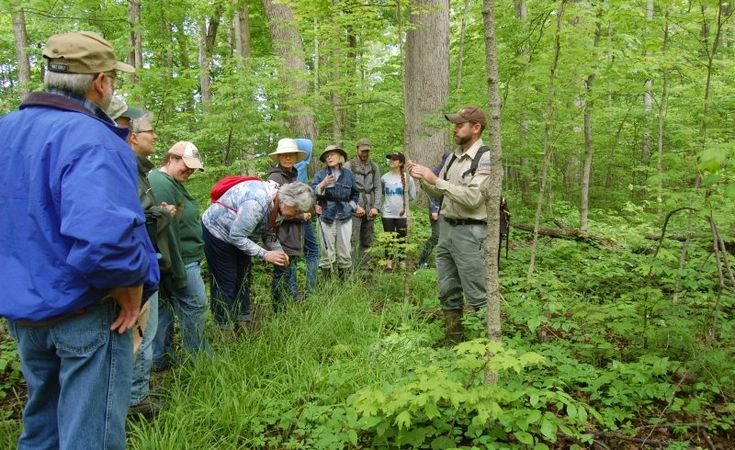
A local municipal wildlife committee can be described as a group that helps a town, city, district, or local government include wildlife and biodiversity in everyday decision-making.
Members may include municipal representatives, wildlife specialists, environmental planners, scientists, educators, community leaders, landowners, Indigenous representatives, and conservation organizations.
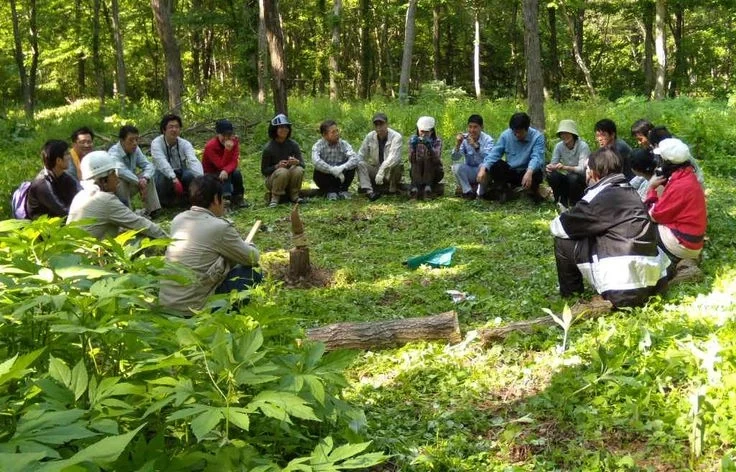
The exact membership should reflect local needs. Moreover, communities should have a meaningful voice rather than simply being asked to approve decisions that have already been made.
This local approach matters because wildlife does not recognize political boundaries. A wetland may extend across several jurisdictions, while a wildlife corridor can connect forests separated by roads, farms, and residential areas.
Consequently, protecting one small site without considering the surrounding landscape may not be enough.
Why Local Wildlife Governance Matters
Cities and towns have a surprisingly large relationship with nature.
According to the International Union for Conservation of Nature, cities are home to more than half of the world’s population, while urban development can place significant pressure on habitats both inside and outside city boundaries. IUCN also highlights the value of green and blue infrastructure for biodiversity, resilience, and human well-being.
Therefore, Local Municipal Wildlife Committees governments have an opportunity to influence conservation through decisions about:
- Land use
- Parks and gardens
- Roads and infrastructure
- Water management
- Waste management
- Urban forests
- Wetlands
- Construction
- Public spaces
- Environmental education
In addition, local authorities can connect national biodiversity policies with conditions on the ground.
IUCN now formally recognizes subnational governments within its membership structure, reflecting the growing importance of cities and regional authorities in biodiversity protection.
Key Roles of Municipal Wildlife Committees
1. Identify Important Wildlife Habitats
The first step in protecting wildlife is knowing where it lives.
Committees can help identify wetlands, forests, grasslands, rivers, ponds, coastal areas, urban parks, nesting locations, migration routes, and other important habitats.
However, small areas should not automatically be considered unimportant. A group of mature trees, for example, may provide nesting sites, food, shelter, or a connection between larger habitats.
Local observations can then be combined with ecological surveys and mapping to create a clearer picture of biodiversity.
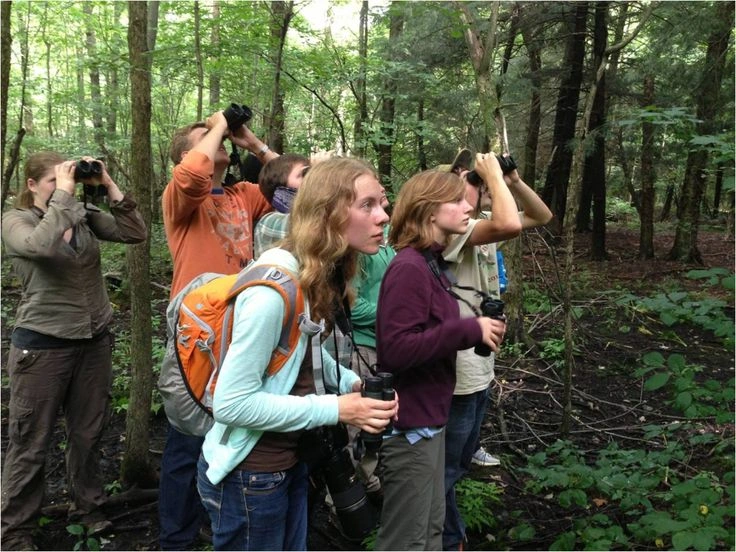
2. Monitor Local Wildlife
Regular monitoring helps identify changes before they become major problems.
Residents and trained volunteers can record bird sightings, wildlife movement, invasive species, damaged habitats, pollution, roadkill, or seasonal changes.
Nevertheless, community observations should complement professional monitoring rather than replace it.
Modern tools can make this work easier. Digital mapping, camera traps, acoustic monitoring, mobile applications, and geographic information systems can help collect and organize information.
3. Protect and Restore Habitats
Once important areas and threats have been identified, committees can support practical conservation projects.
These may include restoring wetlands, planting native vegetation, improving wildlife corridors, removing invasive plants, protecting nesting sites, or improving habitat around streams and rivers.
Furthermore, restoration should be based on local ecological conditions instead of simply planting attractive species.
Native vegetation can often provide better food and shelter for local wildlife, although the appropriate species and restoration methods depend on the ecosystem.
4. Support Wildlife-Friendly Development
Development does not always have to mean biodiversity loss.
Municipal committees can encourage planners to consider wildlife before construction begins. For example, projects may be redesigned to retain mature trees, protect waterways, reduce habitat fragmentation, or create connected green spaces.
This is increasingly important because international biodiversity policy now encourages biodiversity-inclusive urban planning. CBD Target 12 specifically calls for better green and blue spaces, ecological connectivity, native biodiversity, and access to nature.
5. Improve Community Awareness
Conservation becomes much stronger when residents understand what they are protecting.
Committees can organize school activities, community workshops, guided nature walks, tree planting, habitat restoration days, wildlife awareness campaigns, and citizen science projects.
Young people can be especially valuable participants because local monitoring can turn environmental education into practical experience.
At the same time, public education should focus on realistic actions rather than making people feel that conservation is only the responsibility of scientists.
Grassroots Conservation and Community Participation
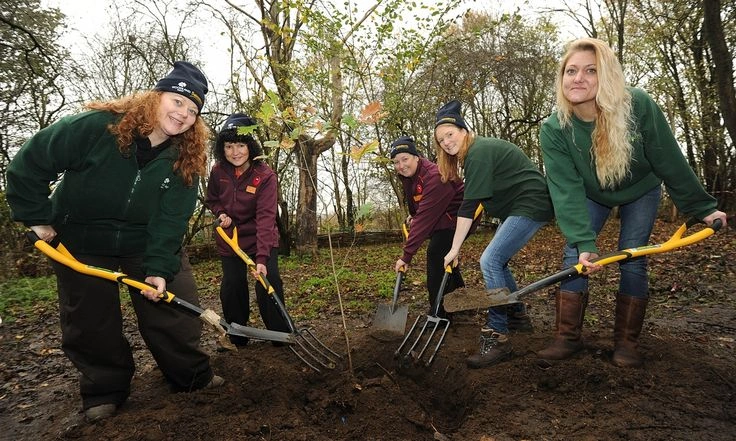
One of the strongest arguments for local conservation is simple: people who live near ecosystems often understand changes that outsiders may overlook.
Indigenous peoples and local communities have developed systems of environmental knowledge and stewardship in many parts of the world. IUCN recognizes their important role in conserving biodiversity and emphasizes that effective conservation should recognize local rights, knowledge, and governance systems.
Therefore, a successful committee should not treat residents as unpaid enforcement officers.
Instead, it should create a respectful partnership where local knowledge is combined with scientific information.
This can also improve trust. When people understand why a conservation decision has been made and have had a genuine opportunity to contribute, they may be more willing to support it.
Wildlife Management and Local Environmental Planning
Wildlife protection should not be separated from ordinary municipal planning.
A new road can divide habitat. A drainage project can alter a wetland. A housing development can remove mature vegetation. Poor waste management can attract animals into unsafe areas.
Conversely, good planning can create opportunities for wildlife.
Where Committees Can Make a Difference
| Municipal Area | Possible Conservation Action |
|---|---|
| Parks | Protect native plants and wildlife habitat |
| Roads | Reduce wildlife collision risks |
| Wetlands | Protect water quality and natural vegetation |
| Construction | Avoid unnecessary habitat destruction |
| Urban forests | Preserve mature and native trees |
| Waste management | Reduce wildlife exposure to harmful waste |
| Water systems | Protect streams, ponds, and wetlands |
| Land use | Maintain ecological corridors |
| Public education | Encourage responsible wildlife behavior |
This integrated approach is important because ecosystems are connected.
A committee that focuses only on individual animals may miss the larger problem. Protecting habitat, water, food sources, and ecological connections often provides a stronger long-term solution.
How Committees Can Protect Urban Biodiversity
Urban areas are not necessarily ecological dead zones.
Birds, bats, insects, reptiles, small mammals, amphibians, and many plant species can live in cities when suitable habitats remain available.
Urban parks, community gardens, ponds, street trees, green roofs, rain gardens, wetlands, and connected vegetation can all contribute to urban biodiversity when designed and managed appropriately.
IUCN recommends approaches such as preserving natural habitats, developing greenways, restoring urban wetlands, using green infrastructure, planting suitable native species, and improving ecological connectivity.
CBD Target 12 similarly emphasizes the quality, connectivity, accessibility, and benefits of green and blue spaces in urban areas.
Nature-Based Solutions
Another useful approach is the use of nature-based solutions.
Instead of relying only on concrete infrastructure, municipalities can sometimes use healthy ecosystems to help manage problems such as flooding, heat, erosion, and water quality.
For example, wetlands can help store water, trees can provide shade, and vegetation can help support urban cooling.
However, nature-based solutions should be properly designed for local conditions. They should not become an excuse to replace natural habitats with decorative landscaping.
Benefits and Challenges
| Benefits | Challenges |
| Better local biodiversity knowledge | Limited budgets |
| Faster reporting of threats | Lack of trained personnel |
| Stronger community participation | Conflicting interests |
| Better environmental planning | Unclear authority |
| More habitat restoration | Poor long-term monitoring |
| Greater environmental awareness | Political pressure |
| Better communication with authorities | Inconsistent funding |
The biggest advantage is coordination.
A committee can bring together people who normally work separately. Nevertheless, coordination alone is not enough.
There must also be clear responsibilities, reliable information, transparent decisions, adequate resources, and measurable conservation goals.
Examples of Local Conservation Approaches Around the World
Different regions use different structures to involve local governments and communities in conservation.
In Europe, municipalities can integrate biodiversity into urban planning, green infrastructure, parks, and restoration projects.
In Africa, community conservation models can connect local livelihoods with wildlife and habitat protection, particularly around landscapes where communities live alongside protected areas.
In North America, local governments and conservation organizations often work together on habitat restoration, wildlife corridors, wetlands, and urban biodiversity.
In Asia and Latin America, community participation, Indigenous knowledge, protected landscapes, restoration programs, and local environmental monitoring can contribute to conservation.
These approaches are not identical. Instead, they demonstrate an important principle: local conservation needs to match local ecological, legal, cultural, and social conditions.
A New Direction for Local Conservation
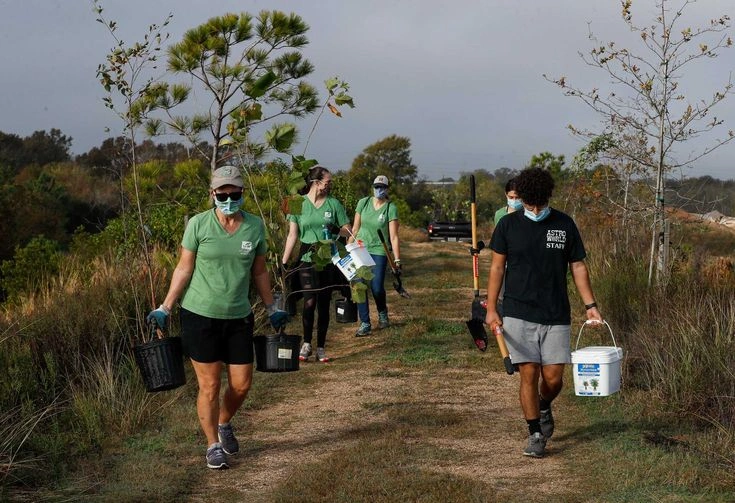
Modern conservation is moving beyond the idea that biodiversity can be protected only through isolated protected areas.
Connected landscapes, community stewardship, urban nature, restoration, and responsible land use are becoming increasingly important.
IUCN’s current work gives local and regional governments a stronger place in conservation discussions, while its 2026 to 2029 programme emphasizes effective biodiversity conservation, ecosystem restoration, nature-based solutions, and equitable approaches to nature management.
Furthermore, recent IUCN work on cities highlights that local governments can influence biodiversity through construction policies, resource use, planning, and other decisions whose environmental impacts can extend far beyond city boundaries.
How to Build an Effective Wildlife Committee
Choose Diverse Members
A strong committee should include people with different types of knowledge.
Wildlife professionals can provide scientific guidance, while residents can contribute local observations. Municipal planners can explain development pressures, and community organizations can help with outreach.
Indigenous peoples and local communities should be involved where their rights, knowledge, or territories are relevant.
Set Clear Goals
The committee should define practical objectives.
For example:
- Map priority habitats.
- Monitor key wildlife populations.
- Reduce major local threats.
- Restore degraded areas.
- Improve public awareness.
- Include biodiversity in planning decisions.
Clear goals make it easier to measure progress.
Work With Existing Authorities
A committee should not create confusion about who is legally responsible for wildlife protection.
Instead, it should cooperate with relevant municipal, regional, national, protected-area, environmental, and wildlife authorities.
This makes the system more effective and helps ensure that reports lead to appropriate action.
Measure Results
A successful committee should measure outcomes rather than simply counting meetings.
Useful indicators can include habitat restored, trees surviving after planting, wildlife observations, invasive species removed, wildlife conflict incidents, habitat connectivity, or improvements in local biodiversity data.
Practical Conservation Checklist
Before starting a local wildlife initiative, communities can ask:
- Which habitats are most important locally?
- Which species depend on them?
- What are the biggest threats?
- Which agency has legal responsibility?
- What does local ecological data show?
- Which residents should be involved?
- Are Indigenous or traditional knowledge holders relevant?
- Can development avoid sensitive habitats?
- Which areas need restoration?
- How will progress be measured?
- Where will conservation data be stored?
- How will the public receive updates?
This simple process can prevent conservation projects from becoming short-term campaigns with little measurable impact.
Frequently Asked Questions
What does a local municipal wildlife committee do?
It helps coordinate local conservation activities such as wildlife monitoring, habitat protection, restoration, environmental education, and biodiversity planning.
Do all countries have municipal wildlife committees?
No. The name and legal structure vary considerably. Some countries use municipal environmental departments, biodiversity committees, community conservation organizations, local partnerships, or other governance systems.
Why are local governments important for wildlife conservation?
Local governments influence land use, parks, infrastructure, waste, water management, development, and public spaces. These decisions can directly affect habitats and wildlife.
Can communities manage wildlife without government involvement?
Community participation can be extremely valuable, but wildlife management must follow applicable laws and should involve the relevant authorities and qualified professionals where necessary.
What is community-based wildlife management?
It is an approach in which local communities participate meaningfully in decisions and activities related to wildlife and natural resource management.
How can cities support biodiversity?
Cities can protect natural habitats, expand connected green and blue spaces, plant suitable native vegetation, restore wetlands, improve planning, and reduce pressures created by development.
Why are wildlife corridors important?
Wildlife corridors can help connect fragmented habitats, allowing animals and plants to move between suitable areas. Their design should be based on the needs of the species and landscape involved.
Can small urban parks help wildlife?
Yes. Even relatively small green spaces can provide food, shelter, nesting areas, or stepping stones between larger habitats. Their value depends on location, design, management, and ecological connectivity.
Conclusion
The crucial role of Local Municipal Wildlife Committees is not simply to organize conservation activities. Their greater value comes from connecting everyday local decisions with the larger goal of protecting ecosystems.
When municipal authorities, wildlife experts, community members, and conservation organizations work together, biodiversity can become part of normal planning instead of an issue considered only after environmental damage has already occurred.
Nevertheless, the principle remains the same: effective conservation needs strong action close to the places where people and wildlife interact.
Global biodiversity frameworks increasingly recognize this need. The CBD calls for biodiversity-inclusive urban planning and better green and blue spaces, while IUCN emphasizes the role of local governments and communities in protecting and restoring nature.
Ultimately, protecting ecosystems is not only about creating large protected areas or passing international agreements. It is also about deciding where a city builds, which trees it keeps, how wetlands are treated, how wildlife is monitored, and whether local communities have a genuine voice.
That is why local conservation matters.
And for viltnemnda, this wider environmental perspective offers an important reminder: caring about the world around us can begin with understanding and protecting the natural spaces that make our communities healthier, greener, and more connected to nature.
