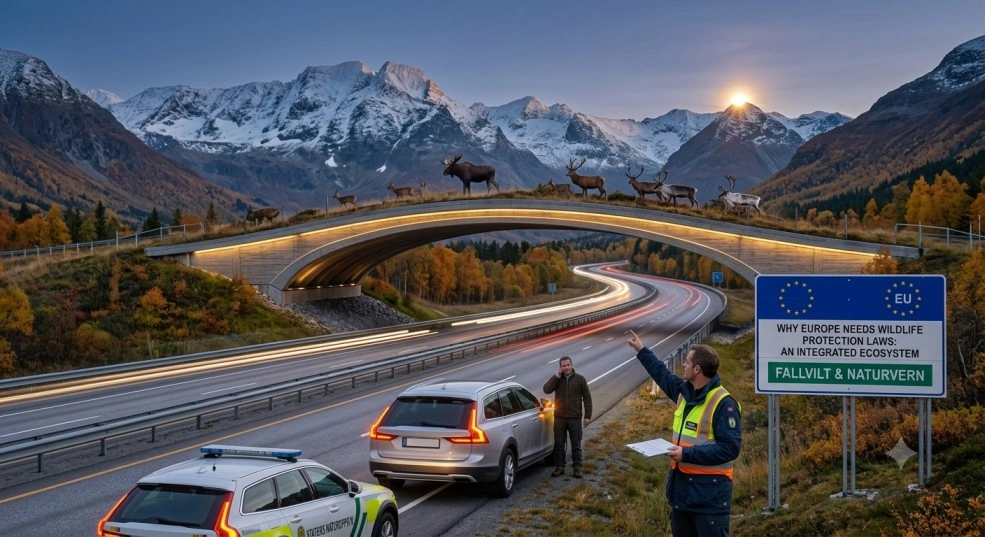
Key Takeaways
Endangered Species Protection Laws in Europe play a vital role in conserving wildlife and maintaining biodiversity across the continent.
- Europe uses multiple laws and agreements to protect endangered species and preserve natural ecosystems.
- The EU Habitats Directive and Birds Directive are major conservation frameworks that support threatened species and important habitats.
- CITES helps control international wildlife trade and prevents illegal activities involving endangered animals and plants.
- Protected areas like Natura 2000 support species recovery by protecting essential habitats.
- Habitat loss, climate change, and illegal wildlife trade remain major challenges for conservation efforts.
- Individuals can support endangered species protection through responsible choices and sustainable actions.
- Long-term wildlife protection requires cooperation between people, governments, scientists, and conservation organizations.
Quick Answer
Endangered species protection laws in Europe are a combination of European Union regulations, international agreements, and national laws created to protect threatened animals, plants, and their habitats. Important protections include the EU Habitats Directive, Birds Directive, and CITES regulations that control wildlife trade and support conservation efforts.
What Are Endangered Species Protection Laws?
Endangered species protection laws are legal rules created to prevent threatened species from disappearing. These laws control activities that can harm wildlife, including illegal hunting, habitat destruction, pollution, and international trade.
In simple terms, these regulations give endangered animals and plants legal protection. They may restrict human activities in sensitive areas, create protected habitats, and require governments to develop recovery plans for vulnerable species.
Moreover, these laws do not only focus on individual animals. They also protect ecosystems because many species depend on specific environments to survive.
For example, protecting a rare bird species may also require protecting forests, wetlands, or coastal areas where the bird feeds and breeds.
Why Does Europe Need Wildlife Protection Laws?
Europe has experienced significant changes in its natural environment over centuries. Expanding cities, intensive farming, industrial development, and transportation networks have reduced many natural habitats.
As a result, several species have experienced population declines.
Some major threats include:
| Threat | Impact on Wildlife |
|---|---|
| Habitat destruction | Removes areas needed for feeding and breeding |
| Climate change | Changes temperatures and natural habitats |
| Illegal wildlife trade | Reduces animal populations |
| Pollution | Damages ecosystems and food chains |
| Overhunting | Causes rapid population decline |
Therefore, legal protection is necessary to balance human development with environmental responsibility.
Conservation laws also help maintain biodiversity. A healthy ecosystem depends on many different species working together. When one species disappears, it can affect other plants, animals, and natural processes.
Major European Laws Protecting Endangered Species
Europe uses several important legal systems to protect threatened wildlife. Some apply across European Union member countries, while others operate internationally or at national levels.
The strongest protections come from the following frameworks:
| Law or Agreement | Main Purpose |
|---|---|
| EU Habitats Directive | Protects endangered species and important habitats |
| EU Birds Directive | Protects wild bird species and their habitats |
| CITES | Controls international wildlife trade |
| Bern Convention | Protects European wildlife and natural habitats |
| National Conservation Laws | Apply protection rules within individual countries |
Together, these laws create a broad approach to wildlife conservation.
EU Habitats Directive
The EU Habitats Directive is one of the most important conservation laws in Europe. It was introduced to protect endangered species and valuable natural habitats throughout the European Union.
The directive requires member countries to identify and protect important areas known as Special Areas of Conservation.
These protected locations form part of the Natura 2000 network, which is one of the largest coordinated conservation networks in the world.
The directive protects many species, including:
- Mammals
- Amphibians
- Reptiles
- Fish
- Insects
- Rare plants
However, the law does more than protect individual species. It focuses on preserving the natural environments that allow wildlife populations to recover.
For example, protecting a wetland can help several species at the same time, including birds, insects, and aquatic animals.
EU Birds Directive
Bird populations can change quickly because many species depend on specific migration routes and habitats. The EU Birds Directive was created to protect wild bird species across Europe.
The directive focuses on:
- Protecting endangered bird species
- Preserving important breeding areas
- Maintaining migration routes
- Controlling harmful activities
Under this law, countries must create Special Protection Areas where important bird populations can safely live and reproduce.
Species such as rare eagles, storks, and seabirds benefit from these protections.
Additionally, the directive recognizes that birds do not follow political borders. A bird migrating between countries requires cooperation across multiple regions.
CITES and Wildlife Trade Protection
Illegal wildlife trade is one of the biggest threats to endangered species worldwide. To address this issue, Europe follows the rules of the Convention on International Trade in Endangered Species of Wild Fauna and Flora (CITES).
CITES controls the international movement of protected animals and plants. It ensures that trade does not threaten species survival.
The agreement works by placing species into different protection categories depending on their level of risk.
Examples of protected wildlife include:
| Species Type | Reason for Protection |
|---|---|
| Rare reptiles | Illegal pet trade risks populations |
| Exotic birds | Demand for private collections |
| Certain plants | Commercial harvesting threats |
| Marine species | Overexploitation risks |
European countries enforce these rules through permits, inspections, and penalties for illegal activities.
Protected Species Under European Law
Many endangered and vulnerable species receive protection under European conservation laws.
Examples include:
| Species | Main Threats |
|---|---|
| Iberian lynx | Habitat loss and reduced prey |
| European bison | Historical population decline |
| Mediterranean monk seal | Human disturbance and habitat pressure |
| Golden eagle | Habitat changes and human activity |
| Certain butterfly species | Loss of natural environments |
Protection measures may include habitat restoration, breeding programs, hunting restrictions, and scientific monitoring.
Conservation experts also work with local communities because successful protection requires cooperation between people and nature.
How Endangered Species Protection Laws Work in Practice
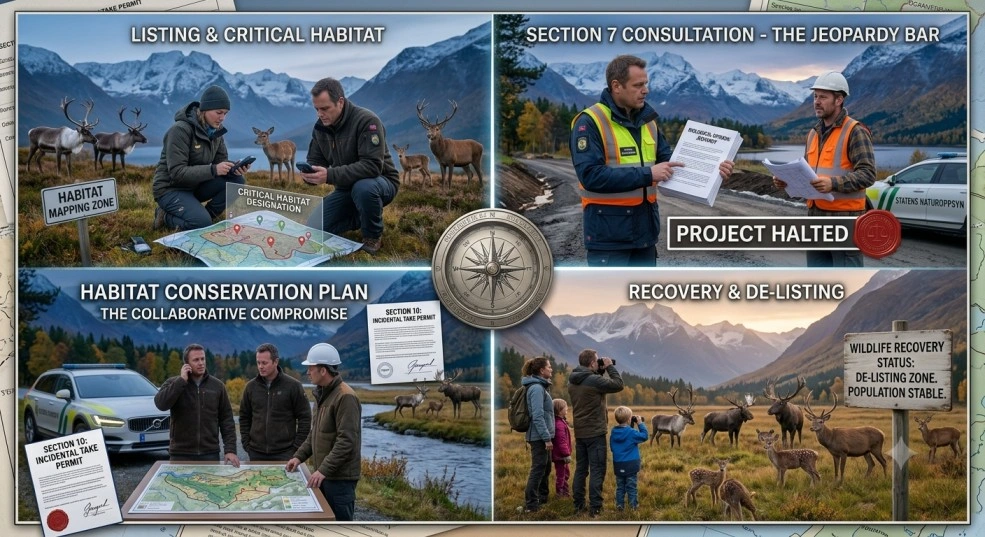
Laws alone cannot save endangered species. They become effective when governments, scientists, conservation organizations, and local communities work together.
In practice, European wildlife protection includes habitat management, population monitoring, law enforcement, and species recovery programs.
For example, when a species becomes endangered, experts first study its population size, habitat needs, and major threats. After that, conservation plans are created to improve survival chances.
Common conservation actions include:
| Conservation Action | How It Helps |
|---|---|
| Habitat restoration | Rebuilds natural environments for wildlife |
| Protected areas | Creates safe spaces for breeding and survival |
| Species monitoring | Tracks population changes |
| Breeding programs | Helps increase numbers of rare species |
| Hunting restrictions | Prevents unnecessary population decline |
| Public education | Encourages responsible behavior |
Moreover, conservation efforts often require cooperation between different European countries because many species travel across borders.
Migrating birds, marine animals, and large mammals often move through several regions during their lifetime. Therefore, international cooperation is essential for long-term protection.
The Role of Natura 2000 in European Conservation
One of the most important conservation networks in Europe is Natura 2000.
This network connects protected areas across European Union countries to preserve valuable habitats and threatened species.
Unlike traditional protected parks, Natura 2000 areas can include places where people live and work. The goal is not always to completely stop human activity but to manage activities in a way that protects nature.
These areas support:
- Forest ecosystems
- Wetlands
- Coastal regions
- Grasslands
- Mountain environments
Furthermore, Natura 2000 helps protect thousands of species by maintaining the places they need for food, shelter, and reproduction.
Examples of Successful Species Protection in Europe
Several European species have benefited from strong conservation laws and dedicated recovery programs.
Iberian Lynx Recovery
The Iberian lynx was once considered one of the world’s most endangered wild cats. Habitat destruction and declining prey populations caused a major population decrease.
Through habitat protection, breeding programs, and conservation planning, its numbers have improved significantly compared with previous decades.
This example shows how legal protection combined with scientific action can help endangered species recover.
European Bison Conservation
The European bison nearly disappeared from the wild due to hunting and habitat loss.
Conservation programs focused on captive breeding and carefully managed reintroduction helped restore populations in several European countries.
Today, the species remains protected because continued monitoring is necessary for long-term survival.
Bird Conservation Success
Many European bird species have benefited from protected breeding areas and restrictions on harmful activities.
The protection of wetlands and migration routes has helped support several vulnerable bird populations.
Challenges Facing Endangered Species Protection Laws

Although Europe has strong conservation rules, protecting wildlife remains challenging.
Many species continue to face pressure from modern environmental problems.
Habitat Loss
Habitat destruction remains one of the biggest threats to wildlife.
Urban expansion, agriculture, roads, and industrial projects can reduce natural areas. Even when laws protect certain locations, managing development responsibly can be difficult.
Climate Change
Climate change is creating new challenges for conservation.
Rising temperatures, changing rainfall patterns, and extreme weather events can affect where species can survive.
For example, some animals may need to move to new areas, but human infrastructure can prevent natural movement.
Illegal Wildlife Activities
Illegal hunting and wildlife trade continue to threaten some species.
Although European laws include penalties and controls, illegal activities can still happen because of high demand for rare animals, plants, and animal products.
Balancing Human Needs and Conservation
Conservation laws sometimes create disagreements between environmental goals and economic activities.
Farmers, developers, and local communities may have concerns about restrictions in protected areas.
Therefore, successful conservation requires fair solutions that consider both environmental protection and human needs.
Endangered Species Protection Checklist
People, organizations, and governments can support wildlife conservation by following simple practices.
| Action | Why It Matters |
|---|---|
| Respect protected areas | Prevents disturbance to wildlife |
| Avoid illegal wildlife products | Reduces demand for endangered species |
| Support conservation organizations | Provides resources for protection programs |
| Reduce pollution | Protects ecosystems |
| Learn about local species | Encourages responsible actions |
| Choose sustainable products | Reduces environmental damage |
Small actions can create positive results when many people participate.
How Individuals Can Help Protect Endangered Species
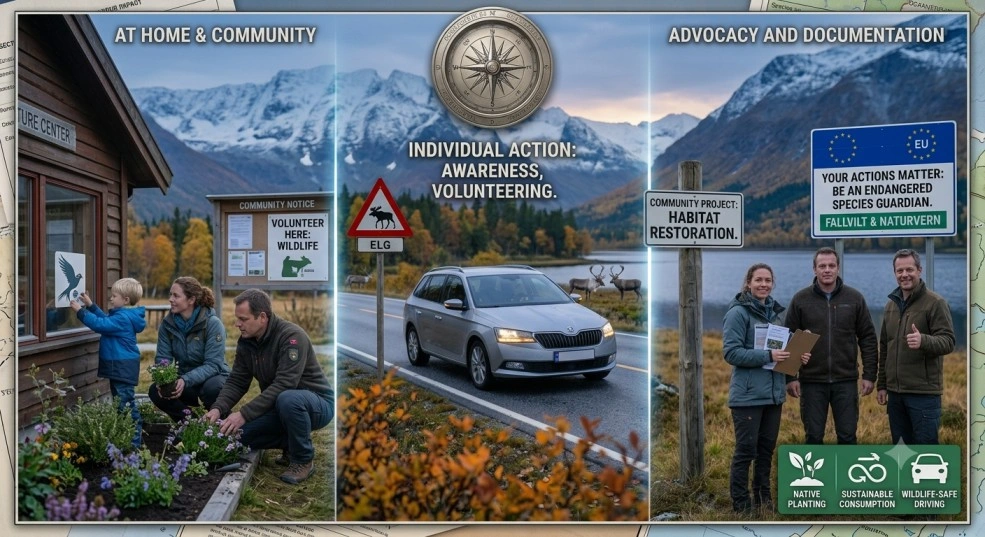
Wildlife protection is not only the responsibility of governments. Individuals also play an important role.
People can contribute by:
- Reducing waste and pollution
- Supporting ethical tourism
- Protecting local habitats
- Avoiding products linked to illegal wildlife trade
- Sharing awareness about endangered species
Additionally, responsible choices in everyday life can reduce pressure on natural ecosystems.
For example, protecting forests, oceans, and wetlands helps many species at the same time because these environments support complete ecosystems.
Common Mistakes People Make About Wildlife Protection
Many people misunderstand how endangered species laws work.
Here are some common mistakes:
| Mistake | Better Understanding |
|---|---|
| Thinking only rare animals need protection | Ecosystems depend on many species |
| Believing protected areas solve everything | Continuous management is required |
| Ignoring plants and insects | They are essential for ecosystems |
| Assuming conservation is only a government issue | Everyone can contribute |
Understanding these points helps create stronger support for environmental protection.
Frequently Asked Questions
What are the main endangered species protection laws in Europe?
The main laws include the EU Habitats Directive, EU Birds Directive, CITES regulations, the Bern Convention, and national wildlife protection laws.
Which European organization protects endangered species?
Protection involves several organizations and government bodies. The European Union, national environmental agencies, and conservation groups all contribute to wildlife protection.
Are endangered animals protected from hunting in Europe?
Many endangered species have strict hunting restrictions or complete protection. Rules vary depending on the species and country.
What is the Natura 2000 network?
Natura 2000 is a European network of protected areas created to conserve important habitats and endangered species.
Why are endangered species important?
Every species plays a role in maintaining healthy ecosystems. Losing one species can affect food chains, habitats, and natural balance.
Can individuals help endangered species?
Yes. People can help by making sustainable choices, protecting nature, supporting conservation efforts, and avoiding activities that harm wildlife.
Conclusion
Endangered species protection laws in Europe provide an important foundation for protecting wildlife and maintaining biodiversity. Through regulations such as the EU Habitats Directive, Birds Directive, and CITES, European countries work together to reduce threats and support species recovery.
However, protecting endangered species requires more than laws alone. Conservation success depends on scientific research, responsible development, public awareness, and cooperation between communities and governments.
Nature protection is also connected to many areas of modern life. From sustainable living choices to understanding how human activities affect the environment, every decision can influence the future of wildlife.
Websites that focus on responsible lifestyle choices, such as viltnemnda, can also contribute by promoting awareness around ethical choices, sustainability, and informed consumer decisions.
By protecting endangered species today, Europe can help ensure that future generations continue to experience a diverse and balanced natural world.
