Key Takeaways
- Hit a moose in Norway? Always stop and make the accident area safe after a wildlife collision.
- Hit a moose in Norway? Drivers should never approach an injured moose because it can react unpredictably.
- Report wildlife collisions even if the moose runs away, as the animal may still need help.
- The 02800 fallvilt number can help report wildlife accidents in Norway and connect drivers with the right authorities.
- Keep accident details, photos, and reports for insurance purposes after a moose accident.
- Slow driving, extra attention, and awareness are the best ways to prevent moose collisions in Norway.
- Local wildlife authorities such as viltnemnda handle injured wildlife situations and help manage road accidents involving animals.
Quick Answer: What Should You Do If You Hit a Moose in Norway?
If you hit a moose while driving in Norway, first stop your vehicle in a safe place and turn on your hazard lights. Check yourself and passengers for injuries, then make the accident area visible for other drivers.
Do not try to move, touch, or chase the moose. An injured moose can become unpredictable and dangerous.
Report the accident to the appropriate wildlife authorities. In many areas, drivers can contact the 02800 fallvilt number for wildlife accident reporting. If there is a serious road accident, injuries, or immediate danger, contact emergency services.
Also remember the location of the accident, take photos if it is safe, and keep information for insurance purposes.
Understanding Moose Accidents in Norway
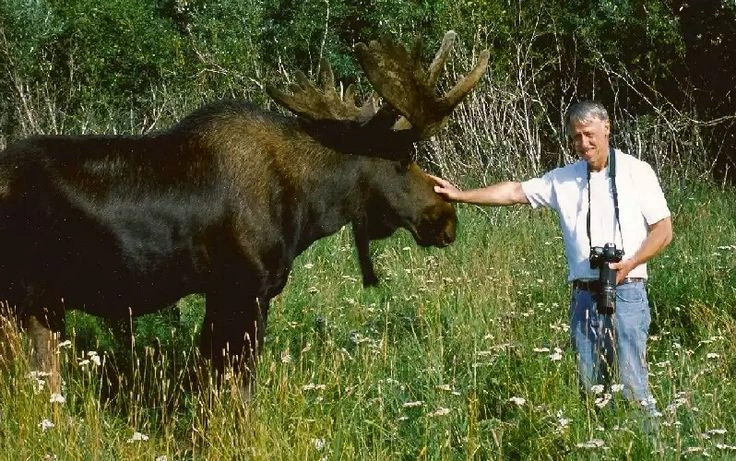
Norway has large forest areas and many roads pass through wildlife habitats. Moose often move between forests, feeding areas, and water sources, which brings them close to roads.
A collision can happen quickly because moose are tall animals with long legs. Their body can hit the windshield area of a vehicle instead of the front bumper, creating serious risks for drivers and passengers.
Why Moose Are Dangerous on Roads
A moose can weigh several hundred kilograms. Even at moderate driving speeds, hitting one can cause:
- Serious vehicle damage
- Broken windows
- Injuries to passengers
- Dangerous situations for other drivers
- Stress for the animal
Unlike smaller animals, a moose collision is not just a minor road incident. It should always be treated seriously.
Why Moose Cross Norwegian Roads
Seasonal Movement
Moose movement changes throughout the year. During certain seasons, they travel more often while searching for food, water, and suitable areas.
Drivers may notice more wildlife activity during:
- Early morning hours
- Evening hours
- Autumn months
- Areas near forests and lakes
Road Areas With Higher Risk
Some roads have a greater chance of wildlife encounters because they pass through natural habitats.
Common risk areas include:
| Location Type | Why Risk Is Higher |
|---|---|
| Forest roads | Moose naturally live nearby |
| Rural highways | Less traffic allows wildlife movement |
| Areas near water | Animals search for drinking areas |
| Roads with wildlife signs | Known crossing locations |
Immediate Steps After Hitting a Moose
A collision can feel frightening, but following the correct steps can keep everyone safer.
1. Stop Your Vehicle Safely
Move your vehicle away from traffic if possible. Turn on hazard lights immediately so other drivers can see you.
If the car cannot move, stay aware of passing vehicles and avoid standing in dangerous areas.
2. Check for Injuries
Check yourself and passengers first.
If someone is seriously injured, contact emergency services immediately.
Your safety always comes before checking the animal.
3. Make the Area Visible
Use a warning triangle if you have one. This helps approaching drivers slow down and avoid another accident.
Also remember that Norwegian roads can be dark, snowy, or slippery depending on the season, so visibility is extremely important.
4. Remember the Exact Location
Authorities will need accurate information to find the animal.
Try to note:
- Road name or number
- Nearby signs
- GPS location
- Direction of travel
- Nearby landmarks
A phone location can be very helpful if available.
Should You Approach the Moose After a Collision?
No. You should never approach an injured moose.
Even if the animal appears calm, it can suddenly become aggressive. A frightened or injured moose may kick, charge, or move unpredictably.
Instead:
- Stay inside your vehicle when possible
- Keep passengers away from the animal
- Observe from a safe distance
- Wait for trained wildlife personnel
Wildlife officers have the equipment and experience needed to handle the situation safely.
Calling the 02800 Fallvilt Number After a Moose Accident
The 02800 fallvilt number is used for reporting wildlife incidents in Norway, including injured or dead wild animals involved in traffic accidents.
Reporting is important because an injured moose may move away from the road and suffer unnecessarily. Wildlife authorities can investigate the location and decide what action is needed.
When contacting authorities, provide:
| Information | Example |
|---|---|
| Accident location | Road name or GPS position |
| Animal type | Moose |
| Animal condition | Injured, dead, or escaped |
| Time of accident | Exact or estimated time |
| Vehicle information | Damage details |
If there is immediate danger, such as people injured or a dangerous road situation, contact emergency services instead.
What Happens After Reporting a Moose Accident?
After you report a moose collision, the responsible wildlife authorities or local viltnemnda (wildlife committee) may be informed to handle the situation.
Their main goal is to make sure the animal is not suffering and that the area becomes safe for other road users.
Depending on the situation, wildlife officials may:
- Search for an injured moose
- Check the animal’s condition
- Remove the animal if necessary
- Make the road area safer
A moose that runs away after a crash does not always mean it is unharmed. Some animals leave the road but may have serious injuries, which is why reporting the accident is important.
Insurance and Vehicle Damage After a Moose Crash
A collision with a moose can cause significant damage to a vehicle. Repairs may include fixing:
- Front bumper damage
- Headlights
- Windshield cracks
- Hood damage
- Engine area problems
- Body damage
After ensuring everyone is safe, collect useful information for your insurance company.
What Information Should You Keep?
| Information | Why It Helps |
|---|---|
| Photos of vehicle damage | Shows the accident condition |
| Location details | Helps verify the incident |
| Time and date | Supports your claim |
| Police or wildlife report details | Provides official information |
| Repair estimates | Helps with damage assessment |
Insurance coverage depends on your policy. Drivers should check their vehicle insurance terms before traveling, especially when renting a car in Norway.
Moose Accidents and Rental Cars in Norway
Many tourists explore Norway using rental vehicles. If you are driving a rental car and hit a moose, you should follow the same safety steps as any other driver.
After the accident:
- Make sure everyone is safe.
- Report the wildlife collision.
- Contact the rental company.
- Follow their instructions.
- Keep all accident-related information.
Do not continue driving if the vehicle is unsafe. A damaged windshield, broken lights, or steering problems can create another accident risk.
How to Prevent Hitting a Moose in Norway
Although wildlife collisions cannot always be avoided, careful driving can greatly reduce the risk.
Reduce Speed in Wildlife Areas
Lower speeds give you more time to react when an animal suddenly enters the road.
This is especially important:
- Near forests
- During early morning
- Around sunset
- On quiet rural roads
Pay Attention to Wildlife Signs
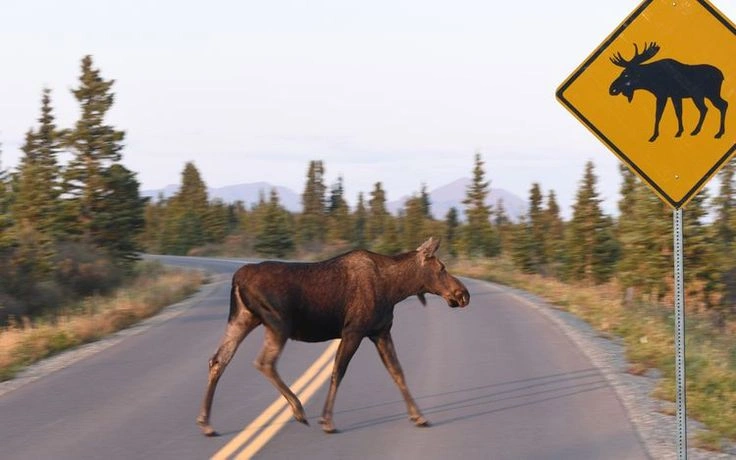
Norway uses wildlife warning signs in areas where animals frequently cross roads.
These signs mean drivers should:
- Slow down
- Stay alert
- Watch roadside areas
A moose may appear suddenly, so looking ahead is important.
Avoid Distractions
Drivers should avoid:
- Using phones while driving
- Looking away from the road
- Driving when extremely tired
A few seconds of distraction can make it impossible to react in time.
Best Driving Practices in Moose Areas
| Safety Tip | Why It Matters |
|---|---|
| Keep both hands on the wheel | Improves reaction control |
| Slow down near forests | Gives more stopping distance |
| Watch road edges | Wildlife often appears from the side |
| Use high beams when appropriate | Improves visibility at night |
| Stay focused during dawn and dusk | Moose activity can increase |
Common Mistakes Drivers Make After Hitting a Moose
Many people make mistakes because they panic after a collision.
Leaving Without Reporting
Some drivers think they can leave if the moose runs away or the damage looks small.
However, reporting helps authorities check whether the animal needs assistance.
Approaching the Animal
Trying to help an injured moose yourself can be dangerous.
Wild animals do not understand human intentions and may react suddenly.
Forgetting the Exact Location
Wildlife officials need accurate information to find the animal.
Always note your location before leaving the area.
Not Taking Safety Precautions
Standing near the road without warning other drivers can create another accident.
Always use hazard lights and warning equipment when possible.
What Tourists Should Know About Moose Accidents in Norway
Visitors driving in Norway may not be familiar with local wildlife risks.
Before starting a road trip:
- Learn important emergency numbers
- Understand Norwegian road signs
- Check rental car insurance coverage
- Be extra careful in forest areas
Norway’s scenic roads are one of its biggest attractions, but drivers should remember that nature is close to the road.
Respecting wildlife and driving carefully helps protect both people and animals.
Frequently Asked Questions
What should I do immediately after hitting a moose in Norway?
Stop safely, turn on hazard lights, check for injuries, avoid approaching the animal, and report the accident to the correct authorities.
What is the 02800 fallvilt number?
The 02800 fallvilt number is used in Norway for reporting wildlife incidents involving injured or dead animals, including many road collisions.
Should I call the police after hitting a moose?
If there are injuries, serious danger, or a major accident, contact emergency services. For wildlife reporting, contact the appropriate fallvilt service.
Can I move an injured moose?
No. You should never try to move or handle an injured moose. Leave it to trained wildlife professionals.
What happens if the moose runs away after the crash?
You should still report the accident. The animal may be injured and wildlife authorities may need to locate it.
Does insurance cover hitting a moose in Norway?
Coverage depends on your insurance policy. Check your vehicle or rental car insurance details before traveling.
Are moose accidents common in Norway?
Wildlife collisions happen in Norway because many roads pass through forests and natural habitats. Drivers should remain alert in areas where moose are present.
Checklist: What to Do After Hitting a Moose
Stop safely
Turn on hazard lights
Check passengers for injuries
Use a warning triangle if available
Do not approach the animal
Record your location
Take photos if safe
Report the accident
Contact your insurance provider
Follow official instructions
Conclusion
Hitting a moose in Norway can be a frightening experience, but knowing the correct steps can make the situation safer for everyone.
The most important actions are simple: protect yourself, warn other road users, avoid approaching the animal, and report the collision. The 02800 fallvilt number and local viltnemnda help ensure injured wildlife receives proper attention.
Furthermore, careful driving in forest areas, especially during early mornings and evenings, can reduce the chance of a collision. Norway’s roads offer unforgettable experiences, and responsible driving helps both travelers and wildlife stay safe.
