Key Takeaways
- The Great Pyrenees is a giant mountain dog originally bred to guard livestock.
- It is calm, loyal, affectionate, and naturally protective.
- Adult dogs typically weigh 85 to 160 pounds.
- The average Great Pyrenees lifespan is 10 to 12 years.
- Early training and socialization help develop a confident adult dog.
- Great Pyrenees shedding is heavy, especially during seasonal coat changes.
- Regular grooming keeps the double coat healthy.
- Moderate daily exercise and mental stimulation are enough for most adults.
- This breed is an excellent choice for families with space and owners who appreciate a gentle yet dependable guardian.
Quick Answer
The Great Pyrenees is a large mountain dog originally bred to guard livestock. It is calm, affectionate, intelligent, and highly protective of its family. Adult dogs typically weigh between 85 and 160 pounds and live around 10 to 12 years. While they are gentle with children, they require consistent training, regular grooming, plenty of space, and patient owners who understand their independent nature.
What Is a Great Pyrenees?
The Great Pyrenees is a giant working breed famous for protecting sheep and other livestock from predators. For hundreds of years, these dogs worked independently in the rugged Pyrenees Mountains between France and Spain. Their courage, intelligence, and calm judgment made them trusted guardians long before modern farming methods existed.
Unlike many working breeds, the Great Pyrenees combines strength with a gentle personality. Around its family, it is affectionate and patient. However, when it senses danger, it becomes fearless and determined to protect those in its care.
Because of this balance, the breed has become popular with families, farmers, and ranchers alike. Many people appreciate that the same dog can cuddle quietly indoors while remaining alert enough to watch over a property at night.
History and Origin
The history of the Great Pyrenees stretches back thousands of years. Historians believe the breed descended from large white guardian dogs that traveled with shepherds through Europe. Over time, these dogs adapted to the cold climate and steep mountains, developing thick weather-resistant coats and remarkable endurance.
Their primary role was simple but demanding. Shepherds often left their flocks alone for days, relying on these dogs to defend sheep against wolves and bears without direct human supervision.
This history explains many of the breed’s modern traits. Great Pyrenees dogs are naturally independent because they were bred to make decisions on their own. Even today, they remain confident and thoughtful rather than constantly looking for human direction.
Great Pyrenees Size
One of the first things people notice about the Great Pyrenees is its impressive size. These dogs are powerful without appearing bulky. Their balanced build allows them to move surprisingly gracefully despite their weight.
Average Size
| Feature | Male | Female |
|---|---|---|
| Height | 27–32 inches | 25–29 inches |
| Weight | 100–160 pounds | 85–115 pounds |
| Build | Muscular and broad | Strong yet slightly lighter |
Puppies grow quickly during their first year, although many continue filling out until they are nearly two years old. Proper nutrition during this stage supports healthy bone and joint development.
Because of their giant size, owners should choose sturdy beds, large crates, and durable accessories designed for extra-large breeds.
Physical Appearance
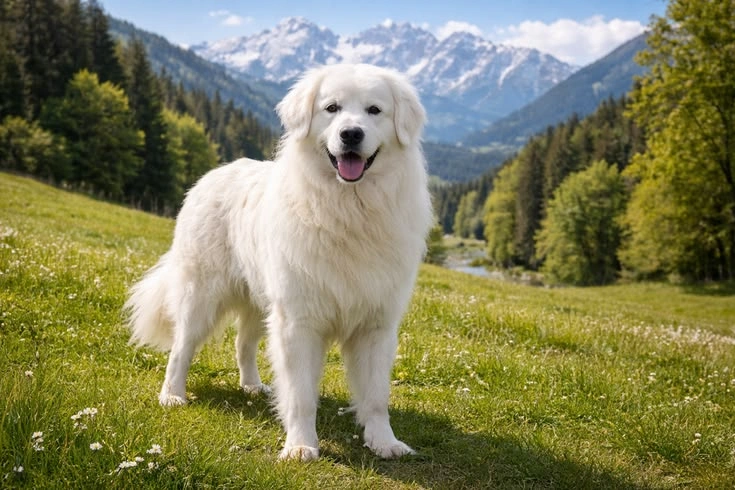
The Great Pyrenees has a striking appearance that reflects its mountain heritage. Its thick white coat gives it an elegant look while providing protection from harsh weather.
Although pure white is the most common color, some dogs have markings in shades of gray, tan, reddish-brown, or badger around the ears, face, or body.
Some of the breed’s most recognizable features include:
- Large, powerful body
- Thick double coat
- Broad head with intelligent expression
- Dark almond-shaped eyes
- Small V-shaped ears
- Long feathered tail
- Strong legs built for rough terrain
Despite its size, the Great Pyrenees carries itself with calm confidence rather than aggression.
Great Pyrenees Temperament
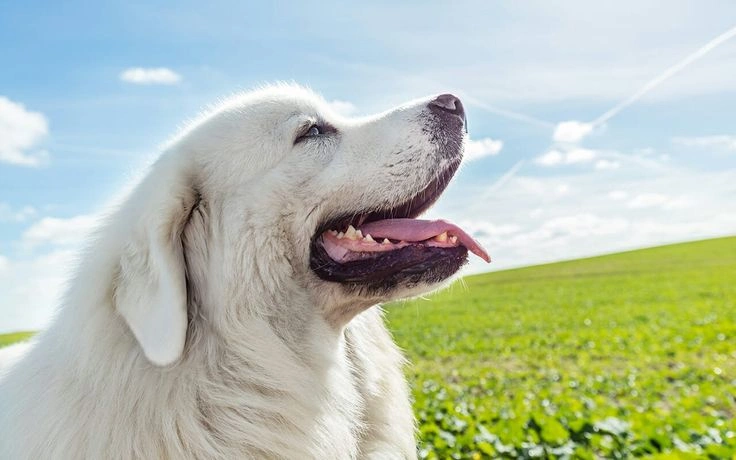
The Great Pyrenees temperament is often described as gentle, patient, and loyal. These dogs form deep bonds with their families and enjoy spending time near the people they trust.
Unlike high-energy breeds that constantly seek attention, the Great Pyrenees tends to remain relaxed indoors. It is happy to rest quietly while keeping an eye on everything happening around it.
Personality Traits
| Trait | Rating |
|---|---|
| Loyalty | Excellent |
| Intelligence | High |
| Patience | Excellent |
| Friendliness | High |
| Protectiveness | Very High |
| Energy Level | Moderate |
| Independence | High |
| Trainability | Moderate |
Their independent thinking sometimes surprises first-time owners. Instead of blindly following commands, they often pause to assess whether an instruction makes sense.
This behavior doesn’t mean the dog is stubborn. Rather, it reflects centuries of breeding as an independent livestock guardian dog that had to solve problems without human guidance.
Early socialization helps shape a confident adult dog. Meeting different people, animals, and environments during puppyhood reduces unnecessary suspicion later in life.
Guardian Instincts and Working Ability
Perhaps no trait defines the Great Pyrenees more than its natural guardian instincts. Unlike breeds trained to attack, these dogs are bred to prevent danger before it becomes a threat.
They constantly observe their surroundings and remain aware of unusual sounds or movement. If something appears suspicious, they usually respond by standing between the threat and their family while barking to warn intruders.
This protective nature extends beyond livestock. Many owners find their Great Pyrenees instinctively watches over children, other pets, and even visitors once they are accepted into the household.
However, these instincts also explain why proper socialization is so important. A well-raised Great Pyrenees learns the difference between normal daily activity and genuine danger, making it a calm yet dependable protector.
Is a Great Pyrenees a Good Family Dog?
The Great Pyrenees can be an excellent family dog for the right household. It is gentle, patient, and naturally protective, making it a wonderful companion for families with children. This breed enjoys being close to its loved ones and often watches over them quietly.
However, its large size means young children should always be supervised during play. Even a friendly dog can accidentally knock over a small child while moving around.
Best Home Environment
| Lifestyle | Suitable? | Why |
|---|---|---|
| Family with children | ⭐⭐⭐⭐⭐ | Gentle and protective |
| Apartment living | ⭐⭐☆☆☆ | Needs more space and may bark |
| House with fenced yard | ⭐⭐⭐⭐⭐ | Ideal for roaming safely |
| Farm or ranch | ⭐⭐⭐⭐⭐ | Perfect for guarding livestock |
| First-time dog owner | ⭐⭐⭐☆☆ | Requires patience and training |
| Very active owners | ⭐⭐⭐⭐☆ | Enjoys outdoor time but isn’t hyperactive |
If you’re looking for a calm dog that doubles as a loyal protector, the Great Pyrenees is hard to beat.
Living With a Great Pyrenees Puppy
A Great Pyrenees puppy may look like a fluffy teddy bear, but it grows quickly into a giant dog. Early training is essential because habits formed during puppyhood often last a lifetime.
Socialization should begin as soon as your puppy arrives home. Introduce it to different people, friendly dogs, sounds, and places. These positive experiences help build confidence and reduce fear of unfamiliar situations.
Puppies also need clear rules. Teaching basic commands like sit, stay, come, and leave it creates a strong foundation for future training.
Puppy Care Checklist
- Feed a high-quality large-breed puppy food.
- Schedule regular veterinary checkups.
- Keep vaccinations up to date.
- Begin leash training early.
- Provide safe chew toys.
- Introduce grooming routines while young.
- Avoid excessive jumping to protect growing joints.
Patience is important because this breed matures more slowly than many smaller dogs.
Grooming and Great Pyrenees Shedding
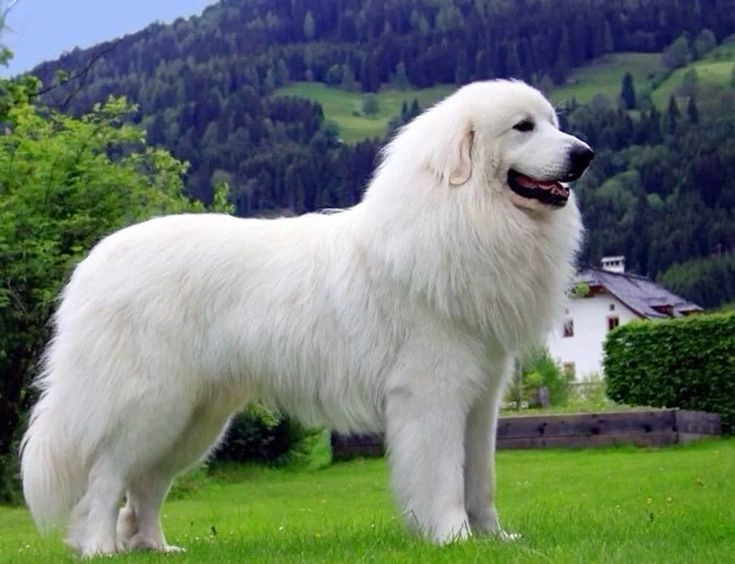
The Great Pyrenees has a thick double coat that protects it from both cold and warm weather. While the coat looks high maintenance, it is easier to care for than many people expect.
Great Pyrenees shedding happens throughout the year, with heavier seasonal shedding during spring and fall. During these periods, you’ll likely find plenty of white fur around your home.
Grooming Schedule
| Task | Frequency |
|---|---|
| Brushing | 2 to 3 times a week |
| Daily brushing during shedding season | Recommended |
| Bath | Every 6 to 8 weeks or when needed |
| Nail trimming | Every 3 to 4 weeks |
| Ear cleaning | Weekly |
| Teeth brushing | Several times each week |
Regular brushing removes loose hair before it ends up on your furniture. It also helps prevent tangles and keeps the coat healthy.
Avoid shaving a Great Pyrenees unless your veterinarian recommends it. The double coat helps regulate body temperature and protects the skin from the sun.
Exercise and Daily Activity
Despite its giant size, the Great Pyrenees is not a high-energy breed. It enjoys moderate daily exercise rather than intense workouts.
Most adults are happy with one or two walks each day along with time to explore a secure yard.
Good activities include:
- Daily walks
- Gentle hiking
- Exploring fenced outdoor areas
- Puzzle toys
- Basic obedience sessions
Because these dogs were bred to patrol livestock, they enjoy having a purpose. Mental stimulation is just as important as physical exercise.
Diet and Nutrition
A balanced diet helps maintain healthy bones, muscles, and joints. Large breeds benefit from food formulated specifically for their size and life stage.
Fresh water should always be available, especially during warm weather.
Feeding Guide
| Life Stage | Meals Per Day |
|---|---|
| Puppy | 3 to 4 |
| Adult | 2 |
| Senior | 2, based on activity level |
Avoid overfeeding, as extra weight increases stress on the hips and elbows.
Treats are useful during training but should only make up a small part of the daily diet.
Training and Socialization
Training a Great Pyrenees requires consistency, patience, and positive reinforcement.
Unlike breeds that aim to please every second, this mountain dog likes to think independently. Harsh corrections usually reduce trust instead of improving behavior.
Reward-based training works best.
Training Tips
- Keep sessions short and enjoyable.
- Reward good behavior immediately.
- Start socialization early.
- Teach recall in secure areas.
- Be patient with slow but steady progress.
- Maintain clear household rules.
One common behavior owners notice is barking. Since the breed was developed to guard livestock at night, barking is part of its natural communication. Proper training can reduce unnecessary barking, but it should never be expected to disappear completely.
Health and Great Pyrenees Lifespan
The average Great Pyrenees lifespan is 10 to 12 years, which is typical for a giant breed.
Like all dogs, they may be prone to certain inherited or age-related health conditions. Choosing a responsible breeder, feeding a balanced diet, maintaining a healthy weight, and scheduling regular veterinary care can support a longer, healthier life.
Some conditions seen in the breed include:
- Hip dysplasia
- Elbow dysplasia
- Bloat (gastric dilatation-volvulus)
- Cruciate ligament injuries
- Eye conditions
- Arthritis in older dogs
Routine health checks help detect problems early before they become more serious.
Pros and Cons
| Pros | Cons |
|---|---|
| Loyal and devoted | Heavy seasonal shedding |
| Gentle with children | Independent personality |
| Excellent livestock guardian dog | Can bark frequently |
| Calm indoors | Needs regular grooming |
| Intelligent and patient | Requires plenty of space |
| Beautiful appearance | Training takes consistency |
Great Pyrenees vs Other Mountain Dogs
| Feature | Great Pyrenees | Bernese Mountain Dog | Anatolian Shepherd |
|---|---|---|---|
| Primary Role | Livestock guardian | Farm and family companion | Livestock guardian |
| Coat | Thick double coat | Long silky coat | Short to medium coat |
| Temperament | Calm and protective | Friendly and affectionate | Independent and alert |
| Energy Level | Moderate | Moderate | Moderate to high |
| Shedding | Heavy | Heavy | Moderate |
| Best For | Families and farms | Families | Large farms and ranches |
Frequently Asked Questions
Are Great Pyrenees aggressive?
No. They are naturally calm and gentle. However, they become protective if they believe their family or livestock is in danger.
Do Great Pyrenees bark a lot?
Yes. Barking is part of their guarding instinct, especially during the night or when they notice unusual activity.
Are Great Pyrenees easy to train?
They are intelligent but independent. Positive reinforcement, patience, and consistency produce the best results.
How big does a Great Pyrenees get?
Adult males generally weigh 100 to 160 pounds, while females usually weigh 85 to 115 pounds.
Is the Great Pyrenees good with children?
Yes. With proper supervision and early socialization, they are known for being gentle, patient, and protective around children.
Does the Great Pyrenees shed a lot?
Yes. This breed sheds year-round and experiences heavier shedding during seasonal coat changes.
Can a Great Pyrenees live indoors?
Yes. They enjoy spending time with their family indoors, provided they also receive daily exercise and have access to a secure outdoor space.
Final Thoughts
The Great Pyrenees is more than just a beautiful mountain dog. It is a loyal guardian, a patient family companion, and a breed with centuries of working history. Its calm personality and strong protective instincts make it a unique choice for owners who appreciate independent yet affectionate dogs.
Before bringing one home, consider its size, grooming needs, shedding, and training requirements. With proper care, early socialization, and plenty of love, a Great Pyrenees can become a trusted friend for many years.
If you’re ready for a gentle giant that values family, watches over loved ones, and thrives with purpose, the Great Pyrenees may be the perfect addition to your home.
