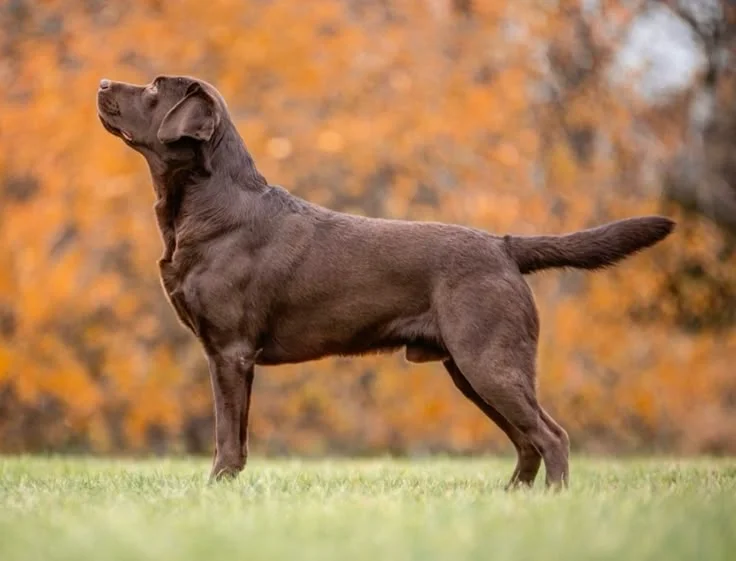
Dog Safety in Carnivore Areas: If you take your dog into areas where wolves, lynx, wolverines, or brown bears may be present, dog safety starts before you reach the trail. Keep the dog close, follow local leash rules, check recent wildlife information, and know what you would do if the dog gets hurt.
This matters in Norway, where allemannsretten gives people access to nature but also comes with duties to act carefully and avoid disturbing wildlife and livestock. Norway also has systems that track large carnivores, so local information can change.
For readers of Viltnemnda, dog safety in carnivore areas is not about avoiding the outdoors. It is about enjoying it with a little more planning.
Key Takeaways
- Keep your dog close and under control in areas with carnivore activity.
- Check national and local dog leash rules before every trip.
- Use current wildlife information rather than old reports.
- Do not approach or let your dog chase a large carnivore.
- Carry simple first-aid supplies and know how to reach a veterinarian.
- Treat wildlife reports as useful information, not a guarantee.
- Follow hunting and protected-area rules when they apply.
What does dog safety in carnivore areas look like in 2026?
In practice, dog safety means managing distance, control, timing, and information. A dog that runs ahead can find wildlife before its owner does. It may chase an animal, trigger a defensive response, or return to its owner with wildlife following behind.
The safer routine is simple. Keep your dog under reliable control, use a leash where required, avoid approaching wildlife, and leave the area calmly if you notice fresh signs of a large predator.
Norway’s Environment Agency says dogs cannot normally be loose from 1 April through 20 August. Some areas have extended leash requirements, so local rules need checking before a trip. Dogs may only be loose when they are followed and controlled carefully outside leash periods.
Why does dog safety matter right now?
Carnivore presence is not fixed. Animals move across large areas and can travel beyond places where people expect them.
Rovdata says wolves are mainly found in southeastern Norway near the Swedish border, but individual wolves can travel a long way and may appear elsewhere on the mainland. Its monitoring covers lynx, wolverine, brown bear, wolf, and golden eagle.
How can you prepare before taking your dog out?
Check the area first
Look for recent wildlife observations, local notices, protected-area rules, and temporary restrictions. If you are unsure about leash requirements, check the municipality or relevant authority.
Rovdata says public observations help improve knowledge of carnivore distribution. Reports can include sightings, tracks, hair, and droppings. During monitoring periods, observations can be reported to local Statens naturoppsyn contacts.
Make sure your dog responds to you
Practice recall, stopping, turning around, and walking close to you. A strong everyday response gives you more options if something unexpected appears.
Carry a small emergency kit
A basic kit can include gauze, clean bandages, tape, saline for washing wounds or eyes, gloves, scissors, and something to keep the dog warm.
Field first aid is only temporary. A badly injured dog needs veterinary care. Animal welfare first-aid guidance also warns that an injured animal may bite, even if it is normally friendly.
What should you do if you see a carnivore?
The first rule is: create distance. Do not move closer for a photo. Do not let the dog chase the animal. Call the dog back if you can do so safely, keep it close, and leave without turning the encounter into a confrontation.
If the animal is close, stay calm and avoid sudden actions. The exact response depends on the species, distance, terrain, and behavior. Official wildlife guidance should take priority over general advice.
What about leash rules and outdoor access rights?
Hunting seasons, bag limits, and licensing systems are reviewed regularly using scientific information collected from across the country
The Environment Agency says people should avoid disturbing wildlife and birds, especially during breeding and nesting periods, and should not disturb livestock. With dogs, local leash rules are especially important.
The national leash period normally runs from 1 April to 20 August. Municipalities can introduce extended requirements. Protected areas can also have additional rules.
So outdoor access does not mean your dog can run wherever it wants. Before heading out, check the rules for the exact area.
Does a hunting area change the situation?
Yes, because hunting can bring firearms, hunters, and working dogs into the same landscape. If you are walking during a hunting period, check local notices and give hunters enough space.
If you are a hunter yourself, follow the rules for the species and type of hunting. For big-game hunting with a rifle, Norway has a shooting proficiency requirement for the hunting year. The Environment Agency provides current guidance on the shooting test for big-game hunters.
That requirement concerns lawful hunting. It should not be treated as a general reason for carrying a firearm while walking a dog.
What does field first aid for dogs actually mean?
Field first aid is about buying time until veterinary help is available. If a dog has a serious wound, heavy bleeding, breathing trouble, collapse, or signs of shock, keep the animal calm and get professional help. For major bleeding, apply firm pressure with clean material while arranging veterinary care.
Do not assume a dog is fine because a wound looks small. Bite wounds can hide deeper damage, and an injured animal may become frightened or defensive.
Your emergency kit should support basic care, not replace a veterinarian. Save the phone number of a nearby veterinary clinic before travelling into a remote area.
How can public information help dog owners?
Rovdata is the national provider of population figures for large carnivores in Norway. Its public system allows people to report observations, while SNO follows up and evaluates wildlife reports.
That information can help you understand where animals have been detected. It does not mean every predator in an area has been recorded.
What has changed in dog safety in 2026?
Rovdata continues to update species information and monitoring results. Its 2026 material includes current information on wolf distribution and other large carnivores. Monitoring seasons can also make signs easier to detect, especially when snow improves tracking.
For dog owners, this makes checking current information part of sensible trip planning.
A simple dog safety routine for carnivore country
Before leaving, ask yourself:
- Is my dog under reliable control?
- Do I know the current leash rules?
- Have I checked recent wildlife information?
- Do I have basic first-aid supplies and a charged phone?
- Do I know where the nearest veterinary help is?
During the walk, keep watching the environment instead of focusing only on the trail. Fresh tracks, unusual animal activity, carcasses, or a direct sighting are reasons to slow down and reassess your route.
If you see a large carnivore, give it space and report useful observations through the appropriate wildlife system when safe.
What happens next for dog safety in carnivore areas?
Dog safety carnivore areas will keep depending on good local information, responsible dog control, and clear public guidance.
Wildlife monitoring will continue to improve the picture of where large carnivores are found. Municipalities and protected areas can also have rules that differ from the national baseline.
Sources Note
This guide uses information from the Norwegian Environment Agency, Rovdata, Statens naturoppsyn-related monitoring information, and animal welfare first-aid guidance. Legal requirements and wildlife status can change, so official Norwegian sources should be used for current decisions.
FAQs
Should I always keep my dog on a leash around carnivores?
Not necessarily everywhere, but you must follow the leash rules for the area and time of year. In Norway, the national leash period normally runs from 1 April to 20 August, with possible local extensions. Keeping a dog close can also give you better control when wildlife is nearby.
What should I do if my dog chases a wolf or lynx?
Try to regain control without moving toward the animal. Do not encourage the chase. Create distance and leave when it is safe. If the encounter creates a serious safety concern, contact the relevant local authority.
Can I rely on wildlife maps to know an area is safe?
No map can guarantee that a carnivore is absent. Monitoring data are useful, but animals move and not every observation is recorded immediately. Use maps and reports as one part of your planning.
Should I carry a first-aid kit for my dog?
For longer or remote trips, a small kit is sensible. Basic supplies can help with minor injuries or bleeding while you arrange veterinary care. Serious injuries need professional treatment as soon as possible.
Where can I report a carnivore sighting?
Rovdata explains that observations of large carnivores can be reported through its monitoring system and to local Statens naturoppsyn contacts. Useful reports can support wildlife monitoring.
Are dog rules different in protected areas?
They can be. Protected areas may have additional regulations. Check the rules for the specific reserve, park, or protected landscape before taking your dog there.
Disclaimer
This article is for general educational and informational purposes. Wildlife behavior, local carnivore presence, leash rules, hunting conditions, and protected-area regulations can vary by location and may change. Always check current information from recognized Norwegian wildlife and local authorities before heading out with your dog.
