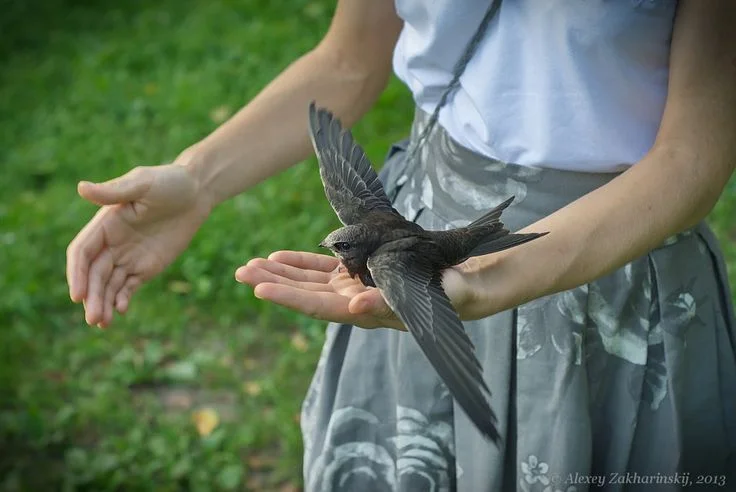
If you find a sick or dead wild bird in Norway, the safest move is usually simple: keep your distance, do not try to catch or treat the bird, and report relevant findings to Mattilsynet when bird flu is suspected. Some dead birds are specifically included in the reporting system, while small birds are generally reported when many are found in one small area.
This is what report sick wild birds Norway means in practice. The report gives animal health authorities useful information for wildlife disease surveillance and testing. It does not mean every bird will be collected or tested.
Key Takeaways
- Leave sick wild birds where they are and do not try to catch or treat them.
- Report relevant dead wild birds or suspected avian influenza through Mattilsynet’s reporting route.
- Small birds are specifically relevant when many are found dead in a small area.
- A report does not automatically mean the carcass will be tested.
- Sampling decisions are made as part of wildlife disease surveillance.
- The Norwegian Veterinary Institute provides laboratory and surveillance expertise for avian influenza.
- Current 2026 information should always be checked before handling or moving wildlife.
Why does reporting sick or dead wild birds matter?
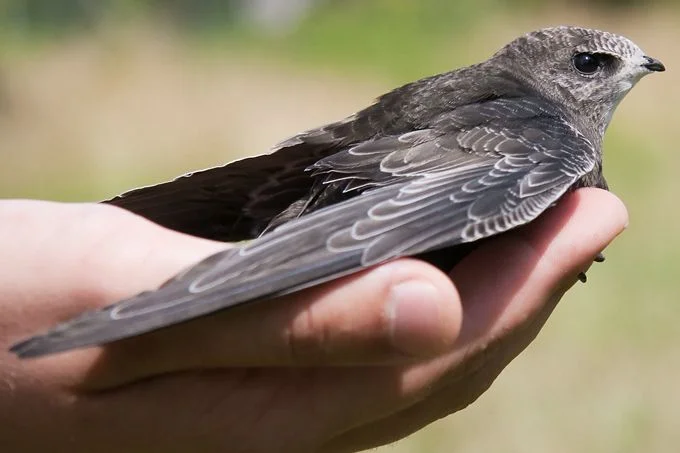
A single carcass can look like an isolated event. Several sick or dead birds in the same place can tell a different story. That is why Norway uses both active and passive surveillance. Active surveillance samples selected healthy birds, while passive surveillance looks at animals that are found sick or dead.
The Norwegian Veterinary Institute is the national reference laboratory for avian influenza. Its surveillance work helps show where influenza viruses are being detected and which wild species are involved. In 2025, passive surveillance found HPAI H5 in 65 wild birds that were found dead or were diseased and euthanised.
This matters because avian influenza can move between wild birds and domestic birds. Some infected wild birds can also show few or no obvious signs. Reporting therefore adds information that cannot be gathered by watching only healthy birds.
What should you do when you find a sick wild bird?
The first rule is easy: leave a sick bird alone. Mattilsynet advises private people not to catch or euthanise birds that may have avian influenza. Trying to help can stress the bird and can also increase the chance of spreading infection. Some birds may recover if they are left undisturbed.
Common warning signs can include unusual tameness, balance problems, an oddly twisted head, or difficulty flying. These signs are not a diagnosis. Other illnesses and injuries can cause similar behavior, and an infected bird may not show every sign.
If you have a dog or cat with you, keep it away from the bird. Norwegian health advice also recommends avoiding direct contact with sick or dead animals and washing hands with soap and water after contact with birds, droppings, or contaminated equipment.
Which dead birds should be reported in Norway?
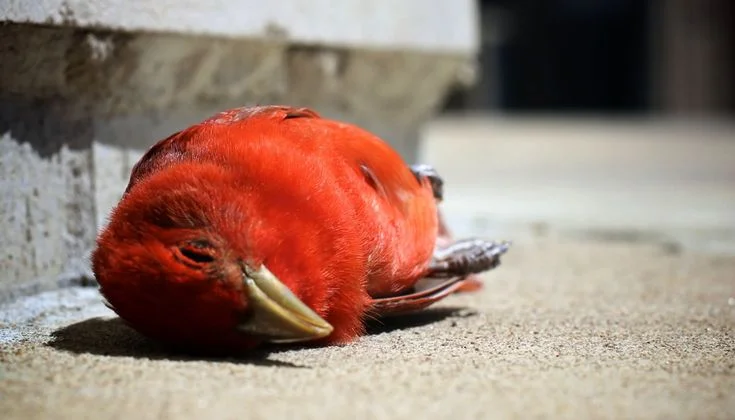
The current Mattilsynet guidance asks people to report certain dead wild birds when avian influenza is suspected. The listed groups include ducks and other waterfowl, gannets, gulls, waders, birds of prey, scavengers and corvids. Small birds are included when many dead birds are found in a small area.
This list is useful because it gives the public a practical filter. You do not have to become a bird expert before making a report. If you cannot identify the species with confidence, describe what you saw and provide a photo from a safe distance if the reporting form allows it.
How do you report sick wild birds in Norway?
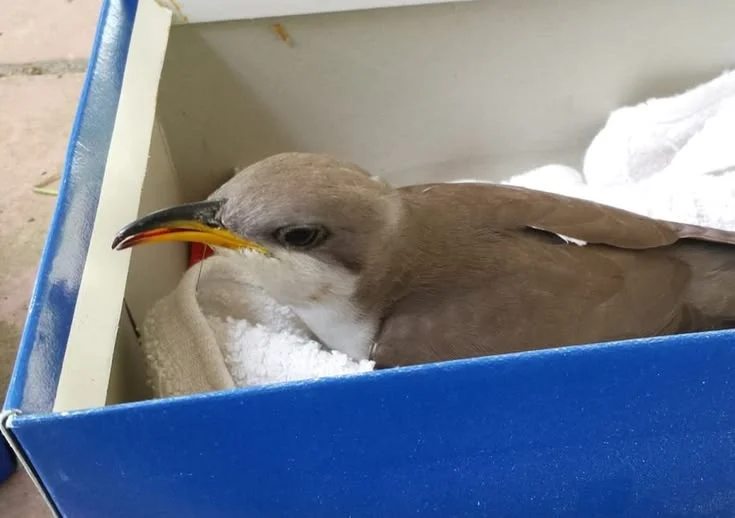
Step 1: Do not handle the bird
Stay back and observe. Note the location, approximate number of birds, visible behavior, and whether other birds nearby appear sick or dead. A photo can help with identification, but do not move closer just to get a better picture.
Step 2: Check whether the finding fits the reporting guidance
For dead birds, pay particular attention to the groups listed by Mattilsynet. For small birds, a cluster of deaths in one limited area is more relevant than finding one ordinary garden bird. For a sick bird, unusual behavior such as poor balance or difficulty flying can support a suspicion, but it cannot confirm the cause.
Step 3: Use the Mattilsynet reporting route
If you suspect avian influenza in a wild bird, Mattilsynet provides a reporting form for sick or dead wild birds and other wild animals. The authority uses these reports as part of disease surveillance.
For domestic birds, the rule is different. Suspected avian influenza in kept birds must be reported immediately to Mattilsynet. The published contact number is 22 40 00 00. If a veterinarian has already reported the suspicion, a separate report from the owner is not required.
Step 4: Let the authorities decide about testing
This is where carcass sampling and surveillance testing come in. A report does not automatically mean that someone will collect the carcass. Mattilsynet and the Norwegian Veterinary Institute decide what needs further investigation based on the situation, species, location and surveillance needs.
Veterinærinstituttet says whole animals or samples from wildlife can be submitted for diagnostic testing in cooperation with Mattilsynet or local wildlife management. Wildlife health staff should be contacted before sending material.
What information should you include?
A useful report need not be very long. Give the location, say whether the bird was sick or dead, mention how many birds you saw, and describe signs. If you know the species, include it, but do not ever risk handling the bird just to identify it. A clear photo taken from a safe distance may also help authorities understand the finding. The goal is to give enough context for the report to be assessed, not to make your own diagnosis.
What happens after you report it?
Norway’s surveillance program is part of a wider EU/EEA surveillance system. It includes routine sampling of selected wild birds as well as testing when avian influenza is suspected. The aim is to detect both serious and less severe influenza viruses and support faster action when needed.
The latest Veterinary Institute information shows why this matters in 2026. HPAI H5N1 has been detected in wild birds in several Norwegian counties during spring and summer 2026, with waterfowl among the affected groups. The Institute updates its map and detection information regularly.
Is every dead bird tested?
No. Reporting and testing are two different steps. A report helps authorities decide where attention may be needed, while laboratory testing is used when a sample is selected for investigation.
There are also separate wildlife investigations for certain protected birds. The Norwegian Veterinary Institute examines carcasses to understand causes of death and investigate possible illegal killing. This work has been running since 2003 and is carried out for the Norwegian Environment Agency.
For wildlife found dead or injured in other circumstances, see our guide to fallvilt reporting and management.
What about mange in foxes?
Mange in foxes is a different wildlife health issue from avian influenza. It should not be treated as evidence that a nearby dead bird has bird flu.
If you find a sick or dead wild mammal, do not assume the same reporting route always applies. Follow current Mattilsynet or wildlife management guidance for that species and suspected disease.
What should you know about human health risk?
Avian influenza mainly affects birds, and human infection is rare. Norwegian public health guidance says the risk to people is very low, but close unprotected contact with infected birds or animals can create a risk.
Sources Note
This article is based on current information from Mattilsynet, the Norwegian Veterinary Institute and the Norwegian Institute of Public Health. These are the primary sources used here for reporting procedures, surveillance, laboratory testing and public health advice. Viltnemnda can provide useful wildlife context, but official disease guidance should take priority when a current health or reporting decision is involved.
Frequently Asked Questions
What is the best way to report sick wild birds Norway?
Use the current Mattilsynet reporting route when you suspect avian influenza in a wild bird. Keep your distance and give useful details about the bird, location and situation rather than trying to handle it.
Should I pick up a dead bird before reporting it?
Usually, no. Avoid unnecessary contact with dead wildlife. If authorities need a carcass or sample, they can advise on the appropriate next step.
What does melde dod fugl mean in Norway?
The Norwegian phrase “melde død fugl” means reporting a dead bird. In practice, the relevant reporting requirement depends on the species, number of birds, circumstances and suspected disease.
Can a healthy-looking bird still have avian influenza?
Yes. Some infected wild birds may show few symptoms or none at all. That is one reason surveillance includes selected birds and not only obviously sick animals.
Does Viltnemnda handle every dead wild bird report?
Not necessarily. Wildlife management and animal health authorities have different roles, and the correct route depends on the situation. For suspected avian influenza, Mattilsynet is the relevant reporting authority.
Where can I check the latest bird flu situation?
The Norwegian Veterinary Institute maintains current information and a map of avian influenza detections in wild birds. Conditions can change, so check the latest official update before handling wildlife.
Disclaimer
This article is for general educational and informational purposes. Wildlife disease conditions and reporting guidance can change. Always check the latest information from Mattilsynet, the Norwegian Veterinary Institute and other recognized Norwegian authorities before handling or moving wild animals.
