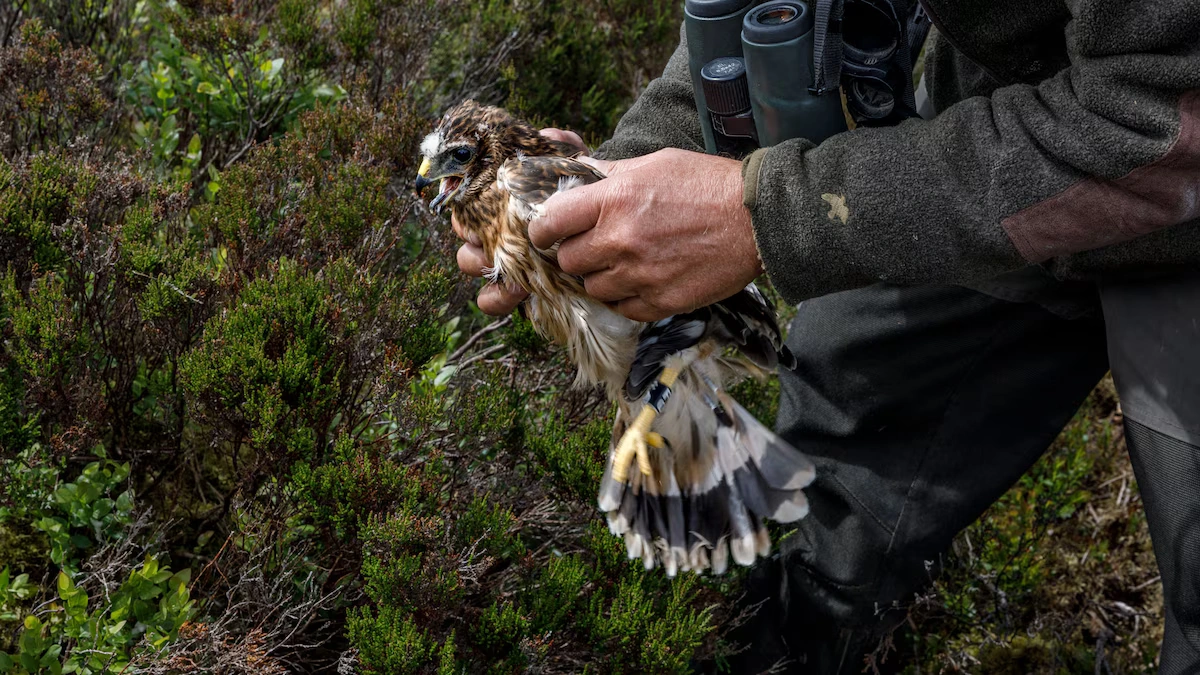
When Statskog and local mountain boards release late-summer line-transect counts across Southern and Central Norway, entire hunting districts can shift overnight from standard seasonal quotas to strict daily bag limits or complete emergency closures. Every autumn, ptarmigan hunting norway brings tens of thousands of hunters into the alpine tundra, prompting intense public debate over whether harvest quotas protect declining populations or simply penalize hunters for ecological shifts driven by climate change and habitat degradation.
The core issue facing Norway’s upland birds is not excessive harvest, but rather the compounding pressures of warming winters, predator shifts, and shrinking tundra habitat.
Ptarmigan Hunting and the Population Question
What rypejakt is and who manages it
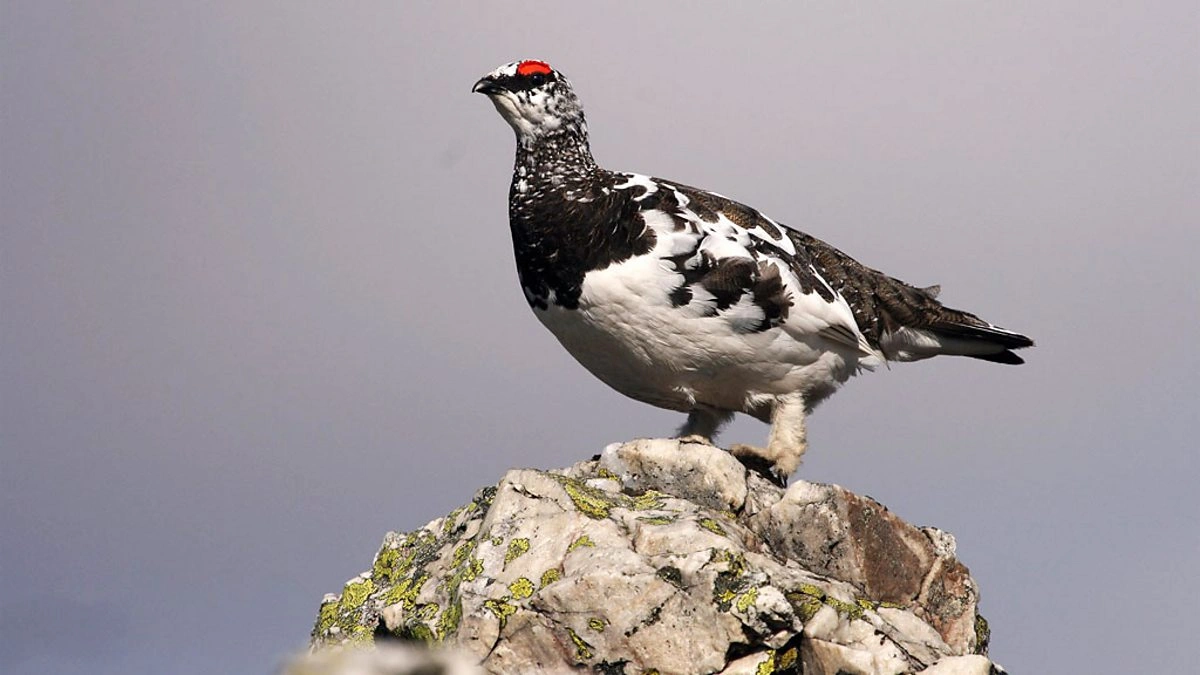
In Norway, rypejakt (ptarmigan hunting) targets two distinct species: the willow ptarmigan (Lirype / Lagopus lagopus), which inhabits subalpine birch forests and dwarf-willow scrub, and the rock ptarmigan (Fjellrype / Lagopus muta), found higher up on barren mountain plateaus. The autumn season traditionally opens across most of the country on September 10th and runs into late winter.
Foreign hunters should also understand the legal requirements before applying for access, as hunting in Norway as a foreigner involves specific documentation and permission rules.
-
State Property (Statskog): Manages large tracts of public land, particularly in Northern Norway, distributing permits via open application systems and standardized lotteries.
-
Common Land (Fjellstyrene): Local mountain boards manage municipal commons in Southern and Central Norway, prioritizing resident hunters before offering remaining permits to visiting sportspeople.
-
Private Estates: Private landowners and local hunting associations lease rights directly, enforcing custom bag limits based on local census data.
Where the population actually stands
These monitoring systems are part of Norway’s wider wildlife management system, where population data guides conservation and hunting decisions. Every August, certified volunteer teams and local wildlife managers walk thousands of kilometers of standardized distance-sampling transects using trained pointing dogs to calculate adult bird densities and chick-to-hen ratios.
Historical data compiled by Statistics Norway (SSB) reveals a multi-decade contraction. During the 1990s, annual national harvest figures regularly exceeded 400,000 to 500,000 birds. In recent years, national harvest totals reported by SSB have hovered closer to 90,000 to 140,000 willow ptarmigan and 40,000 to 50,000 rock ptarmigan.
While annual bird densities vary by region, distance-sampling data confirms that the overall willow grouse population has stabilized at lower baseline densities compared to twentieth-century historical averages.
Why the numbers swing so hard year to year
Ptarmigan populations experience extreme short-term fluctuations driven by ecological cycles and spring weather:
-
The Rodent Cycle: Small rodents (lemmings and voles) serve as the primary food source for generalist predators like the red fox, raven, and rough-legged buzzard. When rodent populations crash, predators shift their feeding pressure directly to ground-nesting bird eggs and young chicks.
-
Spring Hatching Conditions: Newly hatched ptarmigan chicks cannot regulate their own body temperature for the first ten days. Cold, rainy weather in mid-June severely reduces insect availability, causing widespread chick mortality from hypothermia and starvation.
Because a single favorable spring can double local autumn bird densities, distinguishing between temporary population swings and long-term ecological declines requires multi-year monitoring.
The longer decline, and what is behind it
While annual weather patterns explain short-term fluctuations, long-term habitat loss and climate shifts drive the broader decline in ptarmigan populations across Scandinavia:
-
Climate Warming and Treeline Rise: As temperatures rise, the mountain birch treeline creeps higher into alpine zones, reducing the open tundra habitat required by rock ptarmigan and altering dwarf-willow availability for willow grouse.
-
Winter Weather Shifts: Frequent winter thaw-freeze cycles create dense ice crusts over alpine vegetation, preventing ptarmigan from burrowing into soft snow for thermal protection and blocking access to winter food sources.
-
Infrastructure and Fragmentation: The expansion of recreational cabin complexes, access roads, and energy infrastructure fragment core breeding habitats, creating artificial structures that serve as vantage points for avian predators.
-
Generalist Predator Expansion: Milder winter conditions allow larger generalist predators particularly the red fox (Rødrev) to establish permanent territories at higher elevations, increasing predation pressure on nests and young broods.
Research indicates that climate warming and habitat fragmentation exert far greater long-term pressure on bird numbers than autumn hunting harvest.
Where hunting actually fits in
Biologists categorize wildlife mortality as either compensatory or additive:
-
Compensatory Mortality: Harvested birds are individuals that would otherwise perish during winter due to starvation, territorial exclusion, or cold stress. Under this model, hunting does not reduce spring breeding stock.
-
Additive Mortality: When harvest rates exceed a critical threshold (typically estimated at 15–20% of the local autumn population), hunting mortality adds directly to natural winter losses, reducing the number of surviving spring breeders.
Although studies show that light, regulated hunting (under 10–15% harvest rates) remains largely compensatory, regional management boards frequently introduce bag limits or seasonal closures during low-density years. While harvest restrictions cannot reverse climate change or habitat loss, regulating hunting quotas remains the most immediate, controllable policy tool available to prevent localized overharvesting during low population years.
Predator control and what it achieves
To support local game bird populations, some hunting associations and landowners implement targeted predator control programs:
-
Red Fox Control (Rødrev): Managed through winter bait hunting and licensed trapping under Norwegian rules.
-
Corvid Management (Krage og Ravn): Involves authorized crow and raven trapping using approved cage trap designs.
Research conducted by the Norwegian Institute for Nature Research (NINA) demonstrates that intensive red fox control and corvid management can improve local nest success and chick survival rates. However, these interventions require sustained, landscape-scale effort to produce measurable long-term results; if local predator control efforts are relaxed, neighboring predator populations rapidly recolonize the cleared territory.
What a hunter can actually do
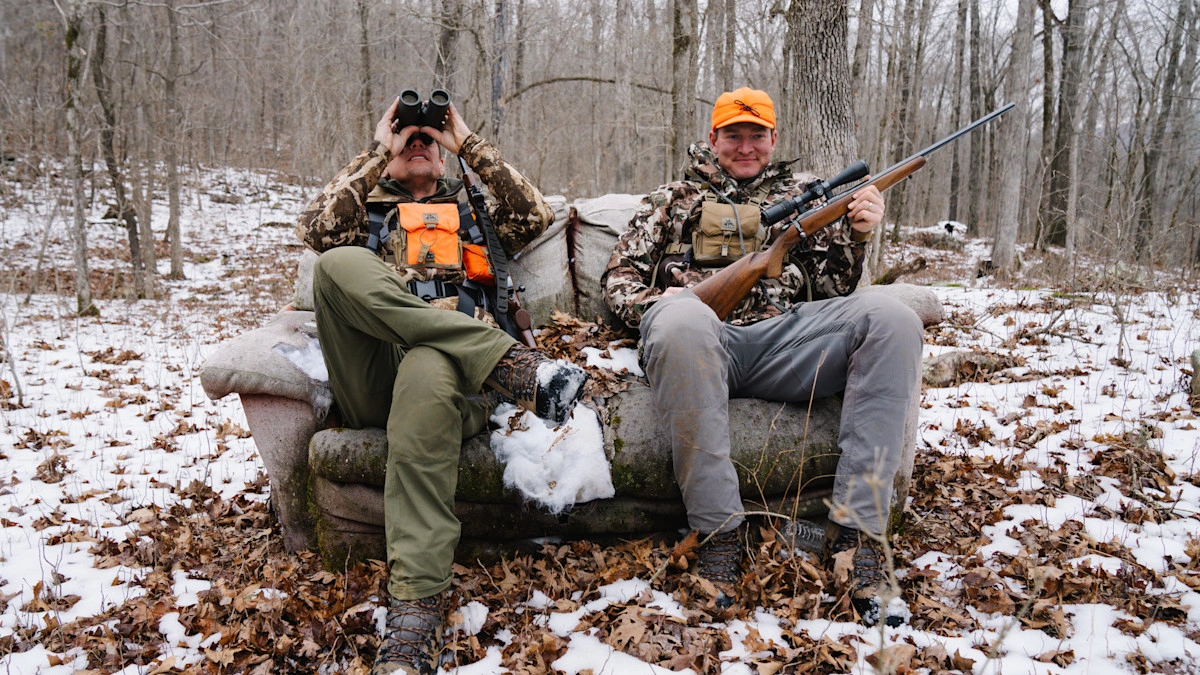
Responsible hunters help safeguard upland game populations through active participation in management and conservation practices:
-
Submit Mandatory Harvest Returns: Promptly report all harvested game through official portals like Hønsefuglportalen or Statskog to ensure accurate population modeling.
-
Adhere to Municipal Quotas: Respect daily bag limits and stop hunting immediately once individual or group limits are met.
-
Exercise Self-Restraint: Reduce personal harvest targets when field observations reveal small brood sizes or low overall bird density.
-
Target Local Predators: Participate in winter red fox hunting or corvid control according to national trapping rules and regional hunting regulations.
-
Support Habitat Protection: Advocate against unnecessary infrastructure development and trail expansion in sensitive alpine breeding grounds.
The read
Regulated ptarmigan hunting is not the primary driver of Norway’s long-term bird decline, but harvest management remains an essential tool during periods of low population density. Rather than relying solely on autumn hunting closures, long-term conservation policies must prioritize alpine habitat protection, infrastructure containment, and regional predator management.
Frequently Asked Questions
Is ptarmigan hunting allowed in Norway?
Yes, ptarmigan hunting is permitted in Norway during regulated autumn and winter seasons. Hunters must hold a valid national hunting license (Jegeravgift), obtain local hunting permits from Statskog, mountain boards, or private landowners, and adhere to set daily quotas and reporting requirements.
Are ptarmigan numbers declining in Norway?
Long-term monitoring shows that Norwegian ptarmigan populations have declined relative to twentieth-century baselines. While local densities fluctuate dramatically from year to year based on rodent cycles and spring weather, long-term habitat shifts and climate warming continue to compress overall population baselines.
What causes ptarmigan populations to crash?
Ptarmigan crashes occur primarily when small rodent populations (voles and lemmings) collapse, causing generalist predators like foxes and ravens to feed heavily on bird eggs and young chicks. Cold, wet spring weather during the June hatching window further reduces chick survival.
Does hunting affect ptarmigan numbers?
Regulated hunting at conservative harvest rates (below 10–15% of the local autumn population) is largely compensatory, replacing natural winter mortality. However, if harvest rates exceed this threshold during low-density years, hunting mortality becomes additive, directly reducing the spring breeding population.
Where can you hunt ptarmigan in Norway?
Ptarmigan hunting takes place on public state lands managed by Statskog, common mountain properties overseen by local mountain boards (Fjellstyrene), and private forests or mountain estates across Norway. Access is typically granted via lottery draws, seasonal permits, or day passes.
Does fox control help grouse numbers?
Targeted red fox control can temporarily increase local ptarmigan nest success and chick survival by reducing predation during the breeding season. However, these programs require continuous, landscape-scale implementation to prevent neighboring foxes from rapidly recolonizing the managed area.
