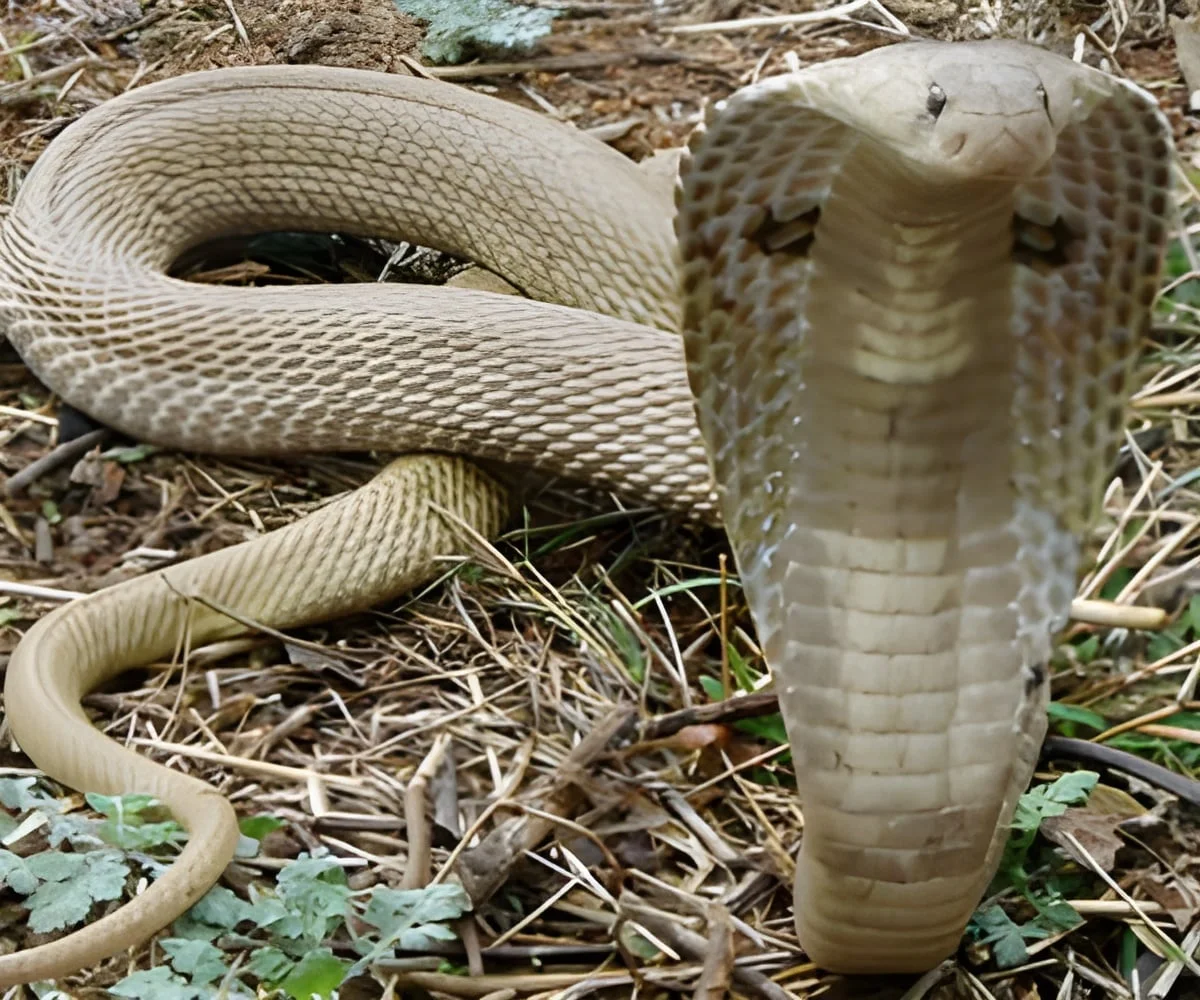
Snakes are among the most adaptable reptiles on Earth. They live in deserts, forests, wetlands, grasslands, mountains, farms, and even near human homes. Some spend most of their lives underground, while others climb trees, swim through water, or move across hot sand. Although snakes often get a bad reputation because of venomous species, most snakes prefer to avoid people rather than attack them.
There are thousands of snake species, and their size, appearance, habitat, diet, and hunting methods can be very different. Some use venom to subdue prey, while others rely on powerful muscles to constrict it. Understanding these differences makes snakes much more interesting and easier to appreciate.
What Are Snakes?
Snakes are legless reptiles belonging to the order Squamata, which also includes lizards. Their long bodies are covered with scales, and they move without legs by using specialized muscles, body movements, and belly scales. Scientists have identified thousands of snake species, ranging from tiny snakes only a few inches long to giant species several meters in length.
Snakes cannot blink because they do not have movable eyelids. Instead, their eyes are protected by transparent scales called spectacles. They also use their forked tongues to collect chemical particles from the environment and transfer them to a sensory organ called the Jacobson’s organ. This helps them detect prey, predators, and other snakes.
Key Takeaways
- Snakes are highly adaptable reptiles found in many habitats around the world.
- Some snakes use venom, while others rely on constriction or active pursuit.
- Their diets can include rodents, birds, frogs, fish, lizards, insects, and even other snakes.
- Snakes use smell, vision, vibrations, and specialized heat-sensing organs to locate prey.
- Many snakes prefer to escape rather than confront humans.
- Different species have very different behaviors, so one snake should not be used to describe them all.
- Snakes help ecosystems by controlling prey populations and supporting natural food webs.
Main Types of Snakes
Snakes come in many forms, but they can be broadly understood by their body structure, hunting strategy, and lifestyle.
Venomous Snakes
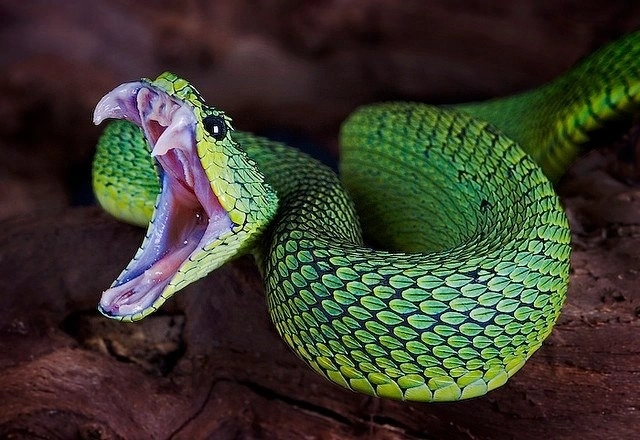
Venomous snakes use specialized teeth and venom glands to deliver toxins through a bite. Examples include cobras, vipers, mambas, and rattlesnakes. Their venom can help immobilize prey and begin the digestive process before the snake eats.
Rattlesnakes are a good example of an ambush hunter. The eastern diamondback rattlesnake uses its sense of smell and heat-sensing abilities to locate warm-blooded prey. It can strike, inject venom, release the animal, and later follow its scent to the dead prey.
Constrictor Snakes
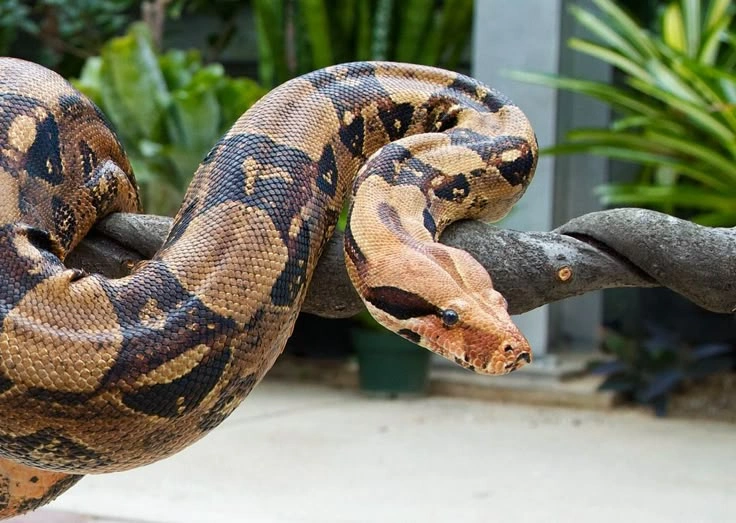
Constrictors do not depend on venom to kill their prey. Instead, they grab an animal and wrap their muscular bodies around it. Boa constrictors and many pythons are well-known examples.
The eastern corn snake also uses constriction. It grabs prey, coils around it, and then swallows the meal whole. Its diet can include rodents, birds, bats, lizards, and frogs.
Aquatic Snakes
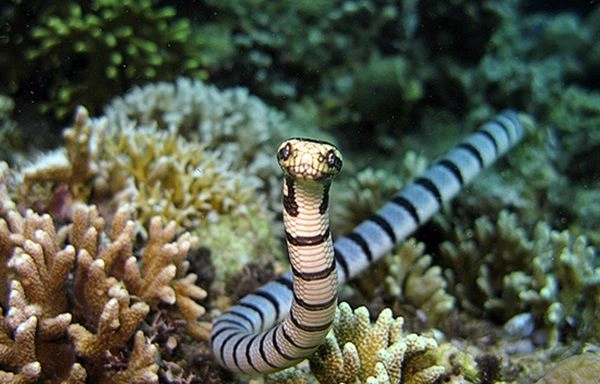
Some snakes are highly adapted to life in water. They may have flattened bodies, camouflage patterns, or special behaviors that help them catch aquatic prey.
The tentacled snake, for example, lives in slow-moving freshwater and brackish habitats in parts of Southeast Asia. It mainly eats fish and can use a clever body movement to create a wave that pushes passing fish toward its mouth.
Active Hunters
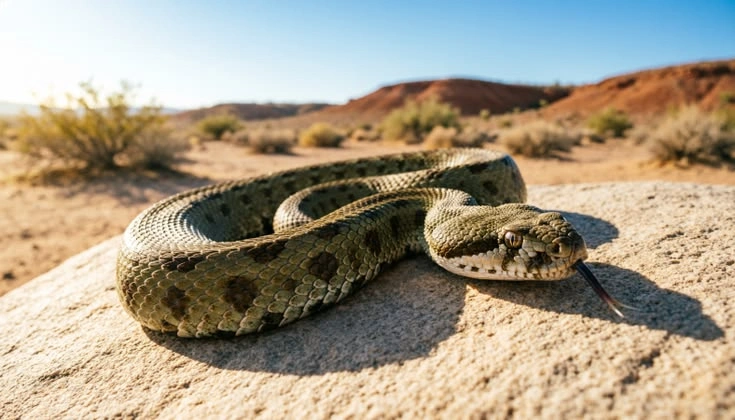
Not every snake waits quietly for prey. Some actively search for food. Eastern indigo snakes are a good example. They can chase prey on land and eat a wide range of animals, including mammals, birds, frogs, turtles, and other snakes.
Where Do Snakes Live?
Snakes are found across most parts of the world, except Antarctica. Their ability to adapt to different environments is one reason they have become such successful predators.
Forests and Grasslands
Forests provide snakes with shelter, prey, fallen logs, tree holes, and plenty of hiding places. Grasslands can also support snakes because they often contain rodents, insects, frogs, and other small animals.
Some species spend most of their time on the ground, while others climb trees in search of food.
Deserts
Desert snakes have special adaptations for surviving heat and limited water. Some avoid the hottest parts of the day by staying underground and becoming active during cooler periods.
Sidewinding is another useful adaptation seen in some desert snakes. This unusual movement helps a snake cross loose sand while reducing the amount of its body touching the hot surface.
Wetlands and Water
Rivers, swamps, ponds, marshes, and rice fields can provide excellent snake habitat. Aquatic species often feed on fish, frogs, and other animals living in or around water.
The tentacled snake, for instance, is closely associated with slow-moving or stagnant water and can remain hidden among aquatic vegetation while waiting for prey.
Underground Habitats
Many snakes use burrows for shelter, temperature control, hunting, and reproduction. Northern pine snakes spend significant amounts of time underground, where burrows help them avoid extreme temperatures and predators.
What Do Snakes Eat?
Snakes are carnivores, so their food mainly comes from other animals. However, their diets vary greatly depending on species, size, location, and hunting style.
Small snakes may eat insects, spiders, frogs, lizards, and small rodents. Larger species can consume birds, rabbits, bats, fish, turtles, and other snakes.
Some snakes have surprisingly specific diets. King cobras, for example, mainly eat other snakes and may even prey on venomous species.
Snakes usually swallow their food whole rather than chewing it. Their flexible jaws and expandable bodies allow them to consume prey that appears much wider than their head.
After a large meal, a snake may spend considerable time digesting before it needs to hunt again. This is especially noticeable in large constrictors, which have relatively slow metabolisms. Green anacondas, for example, may go weeks between meals.
How Do Snakes Hunt?
Snake hunting is not one simple process. Different species have developed different ways to find, catch, and consume prey.
Ambush Hunting
Ambush predators stay hidden and wait for prey to come close. This method saves energy and works especially well when prey regularly passes through a particular area.
Rattlesnakes may remain still near logs, vegetation, or other suitable hiding places until an animal comes within striking distance. Their heat-sensing abilities can help them detect warm-blooded prey even when visibility is limited.
Constriction
Constrictors bite their prey and quickly wrap around it. The snake then uses its powerful muscles to subdue the animal before swallowing it whole.
Boa constrictors commonly use this technique. They may normally wait for prey but can become more active when food is scarce.
Venom
Venomous snakes use venom as a highly effective hunting tool. Depending on the species, venom can affect the nervous system, blood, muscles, or tissues of prey.
The snake does not always need to hold onto an animal after biting it. Some venomous species release their prey and follow its chemical trail until they find it again.
Active Searching
Some snakes move through their environment instead of waiting for prey. They use smell, vision, vibrations, and other sensory information to locate potential meals.
This approach can be useful when prey is scattered. Eastern indigo snakes, for example, actively pursue different types of prey rather than relying only on ambush hunting.
Snake Behavior
Snake behavior changes according to species, temperature, season, food availability, and habitat. Many snakes are solitary and spend much of their time hiding or resting.
Temperature is especially important because snakes are ectothermic. They depend on external heat to regulate their body temperature. This is why a snake may be seen basking in the sun before becoming active.
Some snakes are mainly active during the day, while others hunt at night or around dawn and dusk. Corn snakes are primarily active during the day, while boa constrictors commonly hunt at night.
When threatened, a snake may try to escape rather than fight. Defensive behaviors can include hissing, flattening the body, vibrating the tail, hiding, or displaying warning colors. A threatened animal should always be given space.
Why Snakes Matter
Snakes play an important role in healthy ecosystems. Many species control populations of rodents and other small animals. This can help maintain ecological balance and may also reduce problems associated with excessive rodent populations.
Snakes are also prey for other animals, especially when they are young. Birds of prey, mammals, and larger reptiles may feed on snakes. This makes them part of several food webs rather than simply being predators.
Habitat loss, persecution, road mortality, illegal collection, and other human pressures can affect snake populations. Protecting natural habitats and avoiding unnecessary killing are important parts of snake conservation.
Note
The information in this guide is based on established zoological information and species research from sources including the Smithsonian’s National Zoo and Conservation Biology Institute. Species such as corn snakes, rattlesnakes, boas, king cobras, eastern indigo snakes, and tentacled snakes demonstrate how widely snake biology and behavior can differ. For practical identification or safety concerns, readers should rely on qualified wildlife professionals rather than guessing a species from appearance alone.
Frequently Asked Questions
Are all snakes dangerous?
No. Most snakes are not dangerous to people and generally try to avoid human contact. Venomous species can pose a serious risk, but snakes should not be treated as dangerous simply because they are snakes.
What do snakes eat?
Snakes are carnivores and may eat rodents, birds, frogs, fish, lizards, insects, eggs, turtles, or other snakes. Their diet depends on the species and its habitat.
How do snakes kill their prey?
Some snakes use venom, while others use constriction. Certain species simply grab and swallow small prey alive. Hunting methods vary significantly between species.
Can snakes hear?
Snakes do not have external ears like humans, but they can detect vibrations. Their sensory systems also help them respond to movement and sounds in their surroundings.
Why do snakes flick their tongues?
Tongue flicking helps snakes collect chemical information from the environment. They transfer these particles to a specialized sensory organ, helping them detect prey, predators, and other animals.
Do snakes attack people without reason?
Usually, no. Many snakes prefer to escape when they encounter people. Defensive bites are more likely when a snake feels threatened, trapped, or handled. The safest response is to keep your distance and allow the animal to move away.
