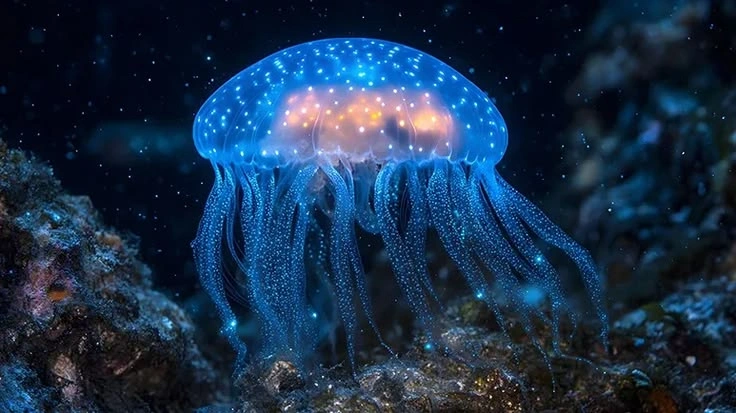
Jellyfish Facts: Jellyfish are some of the most fascinating animals in the ocean. They can look delicate and almost weightless, yet some species have powerful stings that can seriously injure humans. Despite their name, jellyfish are not fish. They are spineless animals, or invertebrates, belonging to the phylum Cnidaria, the same broad animal group that includes corals and sea anemones.
These unusual creatures have existed for hundreds of millions of years and live in many different marine environments. Some drift close to beaches, while others live in deep water. Their diets also vary, with many species feeding on plankton, fish eggs, small fish, crustaceans, and other tiny marine animals. Here are the most important jellyfish facts, including their types, habitat, diet, life cycle, and how their famous sting works.
Key Takeaways
- Jellyfish are invertebrates, not fish.
- Their bodies are made mostly of water and contain no bones, blood, or brain.
- They live in oceans around the world, from coastal waters to the deep sea.
- Common groups include true jellyfish, box jellyfish, and stalked jellyfish.
- Most jellyfish eat plankton and other small marine animals.
- Jellyfish sting using specialized cells called cnidocytes.
- Most jellyfish stings cause minor discomfort, but a few species can be extremely dangerous.
- Jellyfish are also an important part of marine food webs.
What Is a Jellyfish?
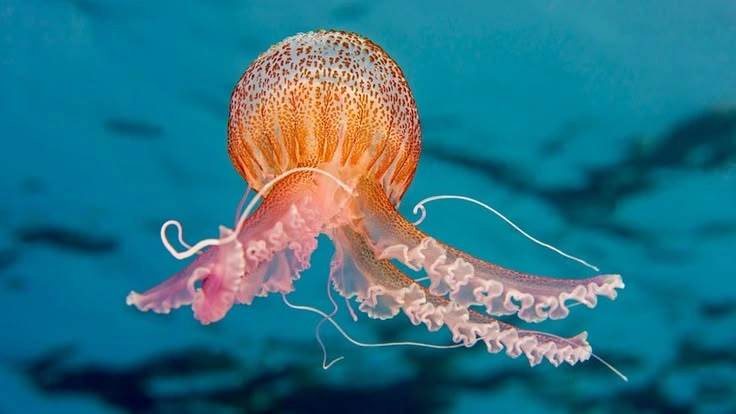
A jellyfish is a soft-bodied marine invertebrate with a bell-shaped body and, in many species, trailing tentacles. The familiar jellyfish form is called a medusa. It moves by contracting its bell and pushing water through its body. Ocean currents also play a major role in moving jellyfish from one place to another.
Jellyfish have a very simple body structure. They do not have a brain, heart, bones, or blood. Instead, they have a basic nerve net that helps them respond to light, movement, touch, and other environmental signals. Their digestive system is also simple, with one opening serving as both the mouth and the exit for waste.
Why Are Jellyfish Mostly Water?
One of the most surprising jellyfish facts is how little solid material their bodies contain. A jellyfish is roughly 95 percent water, with much of the remaining body made from cells and a jelly-like substance called mesoglea. This watery structure helps explain why jellyfish look almost transparent and fragile in the ocean.
Types of Jellyfish
There are many different animals commonly called jellyfish, and they can differ greatly in shape, size, habitat, and behavior. Scientists recognize several major groups of true jellyfish and their close relatives.
True Jellyfish
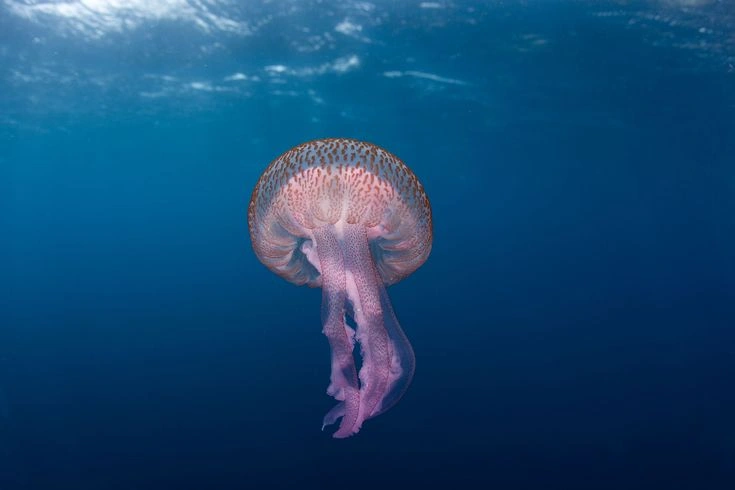
True jellyfish belong to the class Scyphozoa. These are the jellyfish people commonly see near beaches and in aquariums. Their bodies usually have a rounded bell with tentacles or oral arms extending underneath.
Moon jellies are a familiar example. They are often found in shallow coastal waters and have translucent bells that make them easy to recognize.
Box Jellyfish
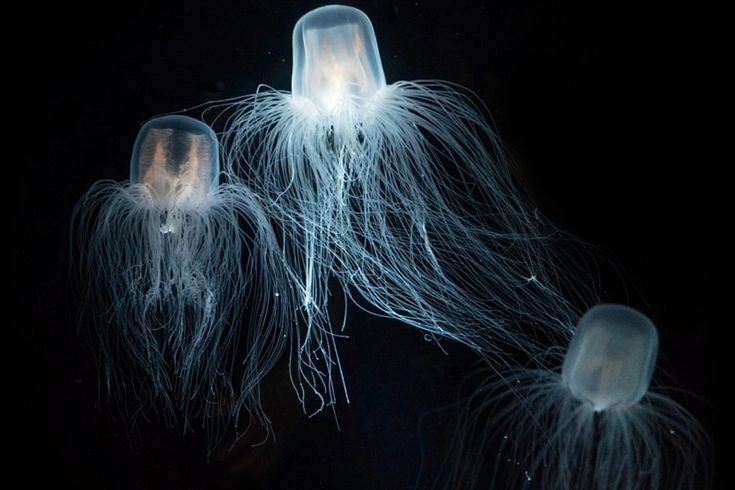
Box jellyfish belong to the class Cubozoa. Their bells have a more cube-like shape, and tentacles extend from structures around the edges of the body. Some box jellyfish have extremely powerful venom.
The Australian box jellyfish, Chironex fleckeri, is considered one of the most venomous marine animals. Its sting can affect the heart, nervous system, and skin, although only a small number of box jellyfish species are known to pose this level of danger to humans.
Stalked Jellyfish
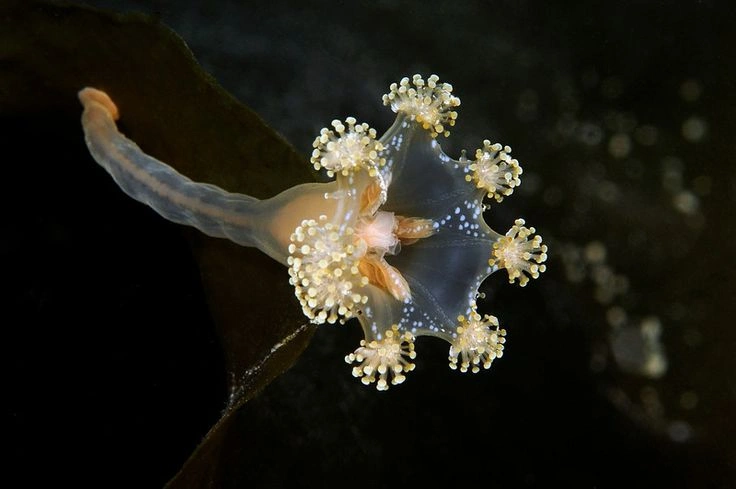
Stalked jellyfish, or Staurozoa, look different from free-swimming jellyfish. Instead of drifting through the water, they attach themselves to surfaces using a stalk. They are usually found on rocks, seaweed, or other underwater structures.
Where Do Jellyfish Live?
Jellyfish are found in oceans around the world. They can survive in both warm and cold water and may live close to coastlines, in bays and lagoons, or far offshore. Some species also occur in deep ocean environments.
Their preferred habitat depends on the species. Moon jellies, for example, are commonly associated with shallow coastal areas, while other jellyfish spend much of their lives farther offshore or deeper in the ocean.
Jellyfish are also affected by water temperature, food availability, currents, and seasonal conditions. Large groups called blooms can appear when environmental conditions provide enough food and suitable water conditions.
What Do Jellyfish Eat?
Most jellyfish are predators, although their exact diet depends on the species. They commonly feed on plankton, fish eggs, fish larvae, small fish, shrimp, and other tiny marine organisms. Their tentacles help capture food before it is moved toward the mouth.
How Do Jellyfish Catch Food?
Jellyfish do not chase prey in the same way many fish do. Instead, they often drift or swim slowly while their tentacles spread through the surrounding water. When small animals touch the tentacles, specialized stinging cells can fire and release venom.
The immobilized prey is then moved toward the jellyfish’s mouth using its tentacles or oral arms. This simple feeding method works well because jellyfish can capture small organisms while using relatively little energy.
Some jellyfish also have relationships with tiny photosynthetic organisms. Spotted jellyfish, for example, can benefit from organisms living within their tissues, although they also capture animal plankton for food.
Jellyfish Facts: How Do Jellyfish Sting?
The jellyfish sting is one of their most remarkable biological adaptations. Jellyfish have specialized cells called cnidocytes. Inside these cells are tiny structures called nematocysts that work like microscopic harpoons.
When the appropriate trigger activates a nematocyst, the structure rapidly fires a thread into the target and can deliver venom. The process happens extremely quickly, allowing jellyfish to stun prey before it escapes.
Jellyfish use this ability mainly to catch food and defend themselves. They do not normally hunt humans, and many human stings happen when swimmers accidentally touch a jellyfish or its tentacles.
Are All Jellyfish Stings Dangerous?
No. Jellyfish stings vary greatly between species. Many stings cause temporary pain, itching, redness, or irritation, while a few species can cause severe or life-threatening reactions. NOAA notes that most jellyfish stings in humans result in minor discomfort.
Box jellyfish are an important exception. Some species have venom capable of causing serious cardiovascular and neurological effects. For that reason, people swimming in areas known for dangerous box jellyfish should follow local safety warnings and beach advice.
Jellyfish Life Cycle
Many jellyfish have a life cycle that includes several different body forms. The familiar adult medusa can reproduce sexually, producing young larvae. These larvae may settle and develop into a polyp.
The polyp can later produce young jellyfish that develop into free-swimming medusae. This life cycle is one reason jellyfish can seem very different at different stages of their lives.
Some jellyfish also have unusual reproductive abilities. A few species have attracted scientific attention because they can change their life stage in remarkable ways.
Why Are Jellyfish Important to the Ocean?
Jellyfish are not simply floating creatures that swimmers need to avoid. They are part of marine food webs and can provide food for many other animals. Leatherback sea turtles are particularly well known for eating jellyfish, while research has also found jellyfish in the diets of various fish, seabirds, and other marine animals.
Jellyfish also eat plankton and small marine animals, so they can influence populations of other organisms. Their role can change depending on the species and ecosystem.
This makes jellyfish an important part of ocean ecology. Understanding them helps scientists better understand marine food chains and changes occurring in ocean environments.
Jellyfish Facts You Should Know
Jellyfish have several unusual features that make them different from most familiar animals.
First, they have no brain. Their simple nerve net allows them to respond to their surroundings without a centralized nervous system. Second, their bodies are mostly water. Third, they have existed for hundreds of millions of years, making jellyfish part of a very ancient branch of animal life.
Another interesting fact is that not every animal commonly called a “jelly” is a true jellyfish. Comb jellies, for example, belong to a different animal group and move using rows of tiny hair-like structures rather than jellyfish stinging cells.
At Viltnemnda, we believe useful educational content should separate popular myths from basic science. Jellyfish are a good example because their simple appearance hides a surprisingly complex biology.
Note
The information in this guide is based on established marine biology information and cross-checked against authoritative educational sources, including NOAA and Smithsonian Ocean. Jellyfish vary significantly between species, so information about their diet, habitat, sting strength, and behavior should not be applied to every jellyfish species. When dealing with a suspected dangerous sting, local beach warnings and professional medical guidance should always take priority over general online information.
Frequently Asked Questions
Are jellyfish fish?
No. Jellyfish are invertebrates, meaning they do not have a backbone. They belong to the phylum Cnidaria rather than the fish group.
Do all jellyfish sting?
Many true jellyfish have stinging cells, but the strength of their sting varies greatly. Some species cause little irritation to humans, while a few can deliver extremely dangerous venom.
What do jellyfish mainly eat?
Many jellyfish eat plankton, fish eggs, fish larvae, small fish, shrimp, and other small marine animals. Their diet depends on the species and its habitat.
Can jellyfish live in freshwater?
Most jellyfish are marine animals, but a small number of jelly-like cnidarians can occur in freshwater environments. They are not representative of the typical ocean jellyfish people see at beaches.
Do jellyfish have a brain?
No. Jellyfish do not have a brain. Instead, they have a simple network of nerves that helps them respond to their surroundings.
Why do jellyfish sting people?
Jellyfish do not normally target humans. Their stinging cells are mainly used to capture prey and protect themselves. People are usually stung after accidentally touching a jellyfish or its tentacles.
