Key Takeaways
- Leopards are highly adaptable big cats found across Africa and Eurasia.
- They can live in forests, savannas, mountains, dry regions, and other habitats.
- Their diet includes a wide range of animals.
- Stealth is one of their most important hunting advantages.
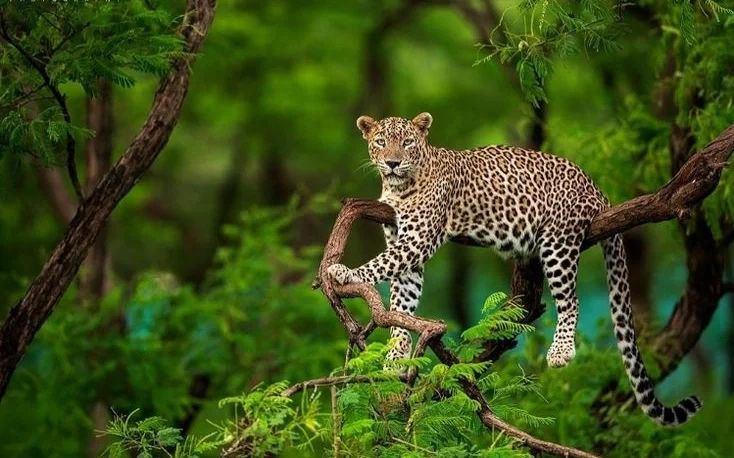
- Leopards are excellent climbers and may carry kills into trees.
- Most adult leopards live solitary lives.
- Their spotted coat helps them blend into their surroundings.
- Some leopard populations and subspecies face severe conservation threats.
- Habitat loss, declining prey, human conflict, poaching, and illegal trade all put pressure on leopard populations.
- Protecting leopard habitat also helps protect the wider ecosystems in which these cats live.
Leopards are among the most adaptable big cats in the world. They can live in forests, grasslands, mountains, dry areas, and even places close to human settlements. Their spotted coats help them blend into their surroundings, while their strong bodies and climbing skills make them effective hunters.
Unlike some big cats that depend on open landscapes, leopards can make use of many different environments. They are also known for their ability to climb trees and carry prey into branches, where they can feed without easily losing their meal to other predators.
This guide covers important leopard facts, including where leopards live, what they eat, how fast they can move, how they hunt, and why these animals are important to their ecosystems.
Quick Leopard Facts
| Feature | Information |
|---|---|
| Scientific name | Panthera pardus |
| Animal group | Mammal |
| Family | Felidae |
| Diet | Carnivorous |
| Main range | Africa and Eurasia |
| Lifestyle | Mostly solitary |
| Activity | Often active at night, but can also hunt during the day |
| Coat | Usually golden or yellowish with dark rosettes |
| Special skill | Excellent climber |
| Conservation status | Vulnerable |
| Main threats | Habitat loss, prey decline, human-wildlife conflict, poaching and poorly managed hunting |
Panthera identifies the leopard as having the largest geographical range of all the big cats, with populations spread across much of Africa and Eurasia.
What Is a Leopard?
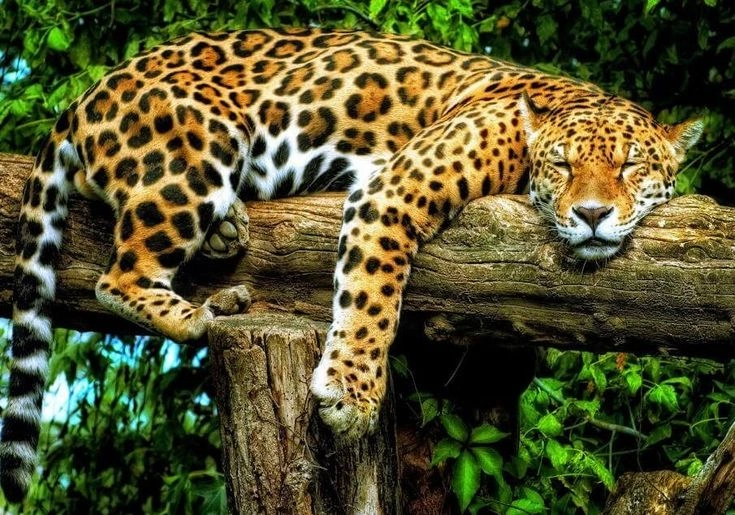
The leopard is a large wild cat belonging to the genus Panthera. Its scientific name is Panthera pardus.
A leopard has a powerful but relatively compact body, strong legs, sharp claws, and a long tail that helps with balance. Its coat is usually yellow or golden and covered with dark spots arranged into rosette-like patterns.
The exact appearance can vary depending on where the animal lives. Leopards from different regions can differ in size, coat colour, and other physical characteristics.
Why Do Leopards Have Spots?
A leopard’s spots are more than just a beautiful feature. They help break up the outline of its body.
This is especially useful when the animal moves through vegetation, woodland, grass, or areas of changing light and shadow. A leopard can stay surprisingly difficult to notice even when it is relatively close.
Some leopards have a condition called melanism. These animals have unusually dark coats and are commonly called black panthers. They are still leopards; the difference is their colouration rather than being a separate species.
Where Do Leopards Live?
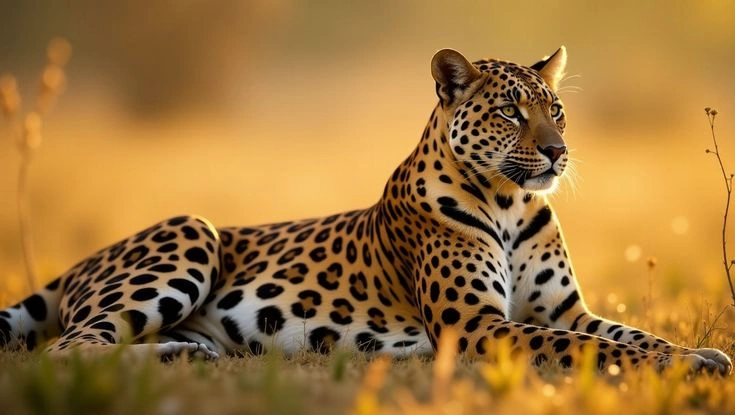
Leopards have an unusually broad geographical range. They occur across parts of Africa and Eurasia and have adapted to many different environments.
Panthera reports that leopards currently range across roughly 62 countries. Their habitats include deserts, savannas, mountains, and tropical rainforests.
Leopard Habitat
Depending on the region, leopards may live in:
- Tropical forests
- Dry forests
- Savannas
- Grasslands
- Shrublands
- Mountain areas
- Rocky landscapes
- Semi-desert environments
- Areas close to human settlements
This flexibility is one of the reasons leopards have been able to survive in such a large range.
However, adaptability does not mean they are safe from habitat destruction. Leopard populations have disappeared from large portions of their historic range, leaving some populations isolated from one another.
Where Are Leopards Found?
Leopards are found in many parts of Africa and Asia. Different populations have adapted to very different conditions.
For example, African leopards may live in savannas and woodlands, while some Asian populations occupy forests, mountains, and other landscapes.
There are also leopard populations that survive in extremely dry environments. The Arabian leopard, for example, is adapted to the rugged and arid landscapes of the Arabian Peninsula.
What Do Leopards Eat?
Leopards are carnivores, meaning their natural diet consists of other animals.
They are opportunistic hunters rather than animals that depend on one particular prey species. Their diet can change considerably depending on what is available in their habitat.
Panthera notes that leopards can hunt more than 200 different types of animals. Their prey can include animals such as impala and springbok as well as smaller species.
Common Leopard Prey
Depending on location, a leopard may eat:
- Antelope
- Gazelles
- Impala
- Springbok
- Monkeys
- Rodents
- Birds
- Reptiles
- Hares
- Warthogs
- Other small and medium-sized mammals
A leopard does not always need to kill a large animal. Smaller prey can provide an easier meal and may require less energy and risk.
How Do Leopards Hunt?
Leopards rely heavily on stealth.
Instead of chasing prey across long distances, they often try to get close without being detected. Their spotted coat, quiet movement, and ability to use vegetation as cover all help them approach potential prey.
A typical hunt may involve several stages:
- Finding potential prey
- Watching its movements
- Moving closer while staying hidden
- Waiting for the right moment
- Launching a short attack
- Bringing the prey down
- Killing it with a bite
- Moving or storing the carcass when necessary
Panthera explains that leopards can kill prey with a suffocating bite to the throat or a bite to the back of the neck.
Leopards Prefer Surprise Over Long Chases
A leopard’s body is built for power, agility, and short bursts rather than maintaining a long-distance pursuit.
This makes surprise an important part of its hunting strategy. Getting close before attacking reduces the amount of energy the leopard needs to spend chasing prey.
The surrounding landscape can make a major difference. Thick vegetation, rocks, fallen trees, and uneven ground can all provide places for a leopard to remain hidden.
How Fast Can a Leopard Run?
Leopards are capable of moving very quickly over short distances. Speed is useful when a leopard makes its final attack, but raw speed is not the main reason it succeeds as a predator.
Stealth, timing, strength, agility, and the ability to approach prey unnoticed are just as important.
Because published estimates of maximum speed can vary depending on measurement methods and conditions, it is better not to treat one exact speed figure as a universal fact for every leopard.
What is clear is that leopards are powerful sprinters capable of rapidly closing the final distance during a hunt.
Why Do Leopards Climb Trees?
One of the most interesting leopard facts is their relationship with trees.
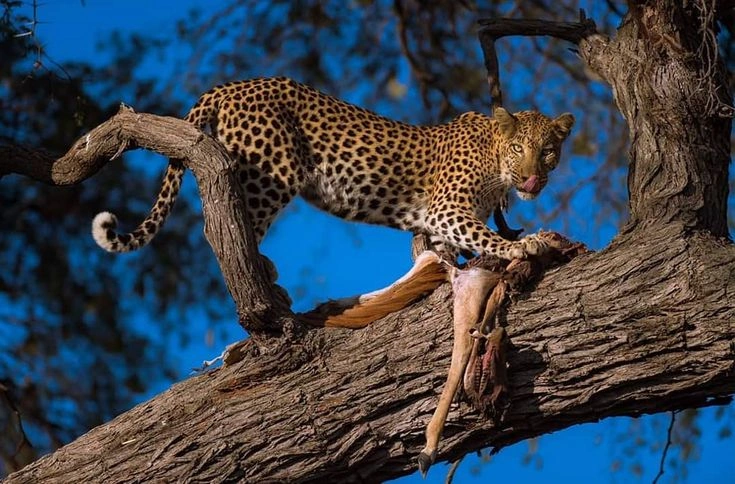
Leopards are excellent climbers. They sometimes drag their kills into trees, especially when they need to protect their food from other predators.
This behavior gives the leopard an important advantage. Lions, hyenas, and other competitors may try to steal a carcass left on the ground. A leopard can reduce that risk by moving its meal into a place that is difficult for competitors to reach.
Can Leopards Carry Heavy Prey Into Trees?
Yes, leopards can haul surprisingly heavy kills into trees.
Doing this requires considerable strength, and it is not something the animal does simply for entertainment. Food represents valuable energy, so protecting a kill can be worth the effort.
According to Panthera, leopards may pull carcasses that approach or even exceed their own body weight into trees.
Are Leopards Solitary Animals?
Leopards generally live alone.
Adult males and females usually maintain separate territories, although their ranges can overlap. Females spend more time with their cubs, particularly while the young are dependent on them.
Being solitary makes sense for a predator that needs access to enough food. Sharing a hunting area with too many competitors could make it harder for each animal to find prey.
Research discussed by Panthera also shows that leopard social behavior can be more flexible than the simple idea that every leopard always stays completely separate. Where space and resources are limited, individuals may have to tolerate some overlap or interaction.
When Are Leopards Active?
Leopards are often associated with nighttime activity, but they are not strictly nocturnal.
Their activity patterns can change depending on:
- Prey availability
- Human activity
- Temperature
- Habitat
- Competition from other predators
In areas where people are active during the day, leopards may adjust their behavior and become more active at night.
This flexibility is another example of how adaptable these cats can be.
How Do Leopards Protect Their Food?
Finding food takes energy, so losing a fresh kill to another predator can be costly.
Leopards use several strategies to reduce this risk. One of the best known is taking prey into a tree.
A carcass hanging above the ground is harder for many competing predators to reach. The leopard can then return later and continue eating.
Panthera describes this behavior as a way for leopards to keep their food away from scavengers and competing carnivores.
Leopard Communication
Leopards may live alone, but they still need ways to communicate.
They use sounds, scent markings, scratches, and other signs to provide information to other leopards.
Scent marking is particularly useful for a solitary animal. It can help communicate that an area is occupied and provide information to other individuals moving through the same territory.
Do Leopards Roar?
Yes. Leopards belong to the genus Panthera, which includes several large cats capable of producing powerful vocalizations.
However, their calls are different from the classic roar people often associate with lions.
Panthera notes that leopards are known for a distinctive rasping call.
Leopard Reproduction and Cubs
Female leopards give birth to cubs after a period of pregnancy, and the young depend heavily on their mother during their early life.
Leopard cubs are vulnerable when they are young. Their mother must find enough food while also protecting them from predators and other dangers.
As the cubs grow, they gradually become more mobile and begin learning the skills they will eventually need to survive independently.
A young leopard does not simply know how to hunt from birth. It has to develop coordination, stalking ability, and an understanding of its surroundings through experience.
Leopard Adaptations That Help It Survive
Leopards have several physical and behavioral adaptations that make them successful predators.
Strong Limbs
Their muscular legs help them climb, jump, and overpower prey.
Sharp Claws
Retractable claws provide grip when climbing and help during attacks.
Powerful Jaws
Strong jaws allow leopards to deliver the bites needed to kill prey.
Camouflage
Their patterned coat helps them blend into vegetation and broken shadows.
Excellent Climbing Ability
Leopards can climb trees efficiently and may use branches to rest or store food.
Flexible Diet
They can hunt many different prey species instead of depending entirely on one food source.
Habitat Flexibility
They can survive in a remarkably wide variety of environments, from rainforest to desert landscapes.
Leopard vs. Jaguar
Leopards and jaguars are sometimes confused because both have spotted coats. However, they are different species and live on different continents.
| Feature | Leopard | Jaguar |
| Scientific name | Panthera pardus | Panthera onca |
| Main range | Africa and Eurasia | North and South America |
| Coat pattern | Rosettes and spots | Larger, more block-like rosettes |
| Body build | Generally slimmer | More heavily built |
| Climbing | Excellent climber | Capable climber |
| Hunting style | Strongly associated with stealth and agility | Powerful bite and ambush hunting |
One easy way to tell them apart is to look at their rosettes. Jaguar rosettes often contain small spots inside them, while leopard rosettes are generally more solid.
Are Leopards Endangered?
The leopard as a species is listed as Vulnerable on the IUCN Red List, according to Panthera’s leopard information. However, conservation status differs among leopard subspecies and populations.
Some subspecies face much more serious threats than others.
Panthera identifies the Amur, Arabian, and Indochinese leopards as Critically Endangered, while the Javan and Persian leopards are listed as Endangered.
Main Threats to Leopards
Leopards face several serious challenges:
- Habitat loss
- Declining prey populations
- Human-wildlife conflict
- Illegal killing
- Illegal wildlife trade
- Poaching
- Poorly managed trophy hunting
Loss of prey can be particularly damaging because leopards need enough wild animals to support their populations.
When natural habitat becomes smaller or fragmented, leopards may also come into closer contact with people and livestock. This can increase the chance of conflict.
How You Can Help Protect Leopards
Leopard conservation depends on protecting both the animals and the environments they need to survive.
Important conservation efforts include:
- Protecting natural habitat
- Maintaining wildlife corridors
- Protecting wild prey species
- Reducing illegal wildlife trade
- Limiting human-wildlife conflict
- Supporting responsible conservation programs
- Improving monitoring of wild leopard populations
Conservation groups such as Panthera work with local communities and authorities on leopard research, monitoring, habitat protection, and reducing threats to wild populations.
Why Are Leopards Important?
Leopards are predators, so they play a role in controlling populations of the animals they hunt.
Their presence is also an indicator of the health of a wider ecosystem. A leopard needs suitable habitat, prey, cover, and enough space to survive.
Protecting leopard habitat can therefore benefit many other species that share the same environment.
Interesting Leopard Facts
Here are some quick facts worth remembering:
- Leopards have one of the widest ranges among the world’s big cats.
- They live across parts of Africa and Eurasia.
- Leopards can survive in very different habitats.
- They are skilled climbers.
- They may carry prey into trees to protect it from competitors.
- Their diet can include hundreds of different prey types across their range.
- Leopards usually live alone.
- Their spotted coats provide useful camouflage.
- Melanistic leopards are commonly called black panthers.
- Leopard populations have disappeared from substantial parts of their historic range.
- The leopard is currently classified as vulnerable as a species.
- Some leopard subspecies are in much greater danger of extinction.
- Leopards rely heavily on stealth when hunting.
- Their territories can overlap under some conditions.
- They are highly adaptable predators.
Conclusion
Leopards are successful predators not because they depend on one special trick, but because they combine several useful abilities. They can move quietly, climb trees, hunt different types of prey, and adapt to very different environments.
Their flexibility has helped them occupy one of the broadest ranges among the big cats. At the same time, many leopard populations are under pressure as natural habitats shrink and human activity increases.
Learning about leopard behavior makes one thing clear: this is an animal built for adaptability. Protecting the habitats and prey that leopards depend on is essential if future generations are going to see these remarkable cats in the wild.
FAQS
What do leopards eat?
Leopards are carnivores and eat a wide variety of animals. Their prey can include antelope, impala, monkeys, rodents, birds, reptiles, and other mammals. The exact diet depends on the leopard’s habitat and the prey available there.
How fast can a leopard run?
Leopards can move at high speed over short distances, particularly when attacking prey. However, hunting success depends on more than speed. Stealth, timing, agility, and a short surprise attack are important parts of their hunting strategy.
Where do leopards live?
Leopards live across parts of Africa and Eurasia. They can occupy forests, savannas, mountains, shrublands, dry landscapes, and other habitats.
Do leopards climb trees?
Yes. Leopards are excellent climbers and may climb trees to rest or move their kills away from competing predators.
Are leopards dangerous?
Leopards are powerful wild predators and should always be treated as potentially dangerous. However, they generally avoid unnecessary confrontation with people. Human-leopard encounters become more complicated when natural habitat is reduced and people and livestock move closer to leopard habitat.
Are black panthers actually leopards?
A black panther can refer to a melanistic leopard, particularly in Africa and Asia. Melanistic leopards have unusually dark coats, although their underlying pattern can still be visible under the right lighting.
Are leopards nocturnal?
Leopards can be active at night, but they are not strictly nocturnal. Their activity can change according to habitat, prey, temperature, competition, and human activity.
How do leopards kill their prey?
Leopards commonly use a powerful bite to the throat or back of the neck. They first rely on stealth to get close before making a short attack.
