
Key Takeaways
- Sustainable hunting quotas can limit excessive wildlife harvest.
- Quotas should be based on reliable population and habitat information.
- Ethical hunting practices go beyond simply following a numerical limit.
- Wildlife population control may sometimes be useful, but it is not a universal solution.
- Habitat protection remains essential for long-term conservation.
- Strong monitoring and enforcement are necessary for quotas to work.
- Sustainable wildlife use can sometimes create conservation and community benefits.
- Quotas should be reviewed and adjusted when conditions change.
- Endangered and threatened species require especially careful assessment.
- Hunting should be judged by its actual conservation outcomes, not by assumptions alone.
Quick Answer
Sustainable hunting quotas can support wildlife conservation when the number, type, location, and timing of animals harvested are carefully matched to the health of the population.
Wildlife managers may use population surveys, habitat conditions, reproduction rates, harvest records, and other information to adjust hunting rules.
However, quotas can fail when population data is poor, enforcement is weak, habitats are declining, or economic pressure encourages excessive harvesting.
What Are Sustainable Hunting Quotas?

A sustainable hunting quota is a limit on how many animals may legally be harvested during a particular period.
The goal is not simply to decide how many animals people can hunt. Instead, the goal is to keep harvesting within a level that the population and ecosystem can tolerate over time.
For example, wildlife managers may consider the size and age structure of a population before deciding how many animals can be harvested.
They may also consider reproduction, natural deaths, habitat quality, weather, disease, predators, and other pressures.
This is why a quota should not be viewed as a fixed number forever. Instead, responsible wildlife management can adjust rules as conditions change.
The IUCN’s guidance on harvesting threatened species emphasizes assessing whether, how, and what can be harvested while considering the wider population and conservation situation.
How Hunting Quotas Support Wildlife Conservation
When properly designed, hunting quotas can serve several conservation purposes.
Preventing Overharvesting
The most obvious purpose is limiting the number of animals removed from a population.
Without effective limits, excessive hunting can reduce breeding populations and make recovery more difficult.
Therefore, game harvesting limits can act as a protective boundary between legal use and excessive exploitation.
Supporting Population Management
Wildlife populations do not always remain at the same size.
Changes in predators, food availability, habitat, disease, weather, and human activity can affect population numbers. In some managed landscapes, wildlife agencies may use regulated hunting as one tool to influence population levels.
The U.S. Fish and Wildlife Service, for example, notes that hunting on some national wildlife refuges can be part of sound wildlife management and, in certain situations, may be necessary.
Creating Conservation Funding
Regulated hunting can also generate money for wildlife management.
In the United States, the Wildlife Restoration Program distributes funds to state and territorial wildlife agencies for projects involving wildlife and habitat restoration, research, management, and hunter education.
In 2026, the U.S. Fish and Wildlife Service announced more than $1.2 billion in Wildlife and Sport Fish Restoration apportionments.
This shows an important point: conservation benefits can sometimes come not only from the animals harvested, but also from the management systems and funding connected with regulated hunting.
What Makes a Hunting Quota Sustainable?
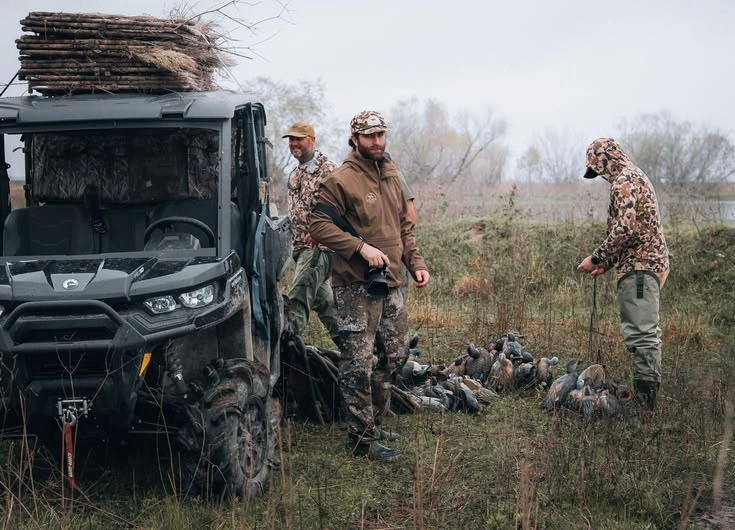
Not every hunting limit is automatically responsible.
A credible quota normally needs several pieces working together.
| Factor | Why It Matters |
|---|---|
| Population monitoring | Shows whether numbers are stable, increasing, or falling |
| Reproduction data | Helps estimate how quickly populations can replace losses |
| Habitat condition | Determines whether the ecosystem can support the population |
| Harvest records | Shows how many animals are actually being removed |
| Seasonal rules | Protects animals during important breeding periods |
| Enforcement | Helps prevent illegal or excessive hunting |
| Regular review | Allows quotas to change when conditions change |
| Local knowledge | Adds useful information about wildlife and habitat |
| Scientific assessment | Helps turn observations into defensible management decisions |
Importantly, these factors should be considered together rather than in isolation.
CITES guidance on non-detriment findings also stresses that harvest should be evaluated in relation to the species’ wider population, other sources of mortality, and conditions across its range.
Ethical Hunting Practices and Wildlife Management
Ethical hunting practices are broader than simply following a legal quota.
A hunter can stay within a legal limit while still behaving irresponsibly. Therefore, ethical hunting should include respect for wildlife, habitat, local laws, and the purpose of conservation rules.
Responsible practices may include:
- Following seasons and bag limits
- Using legal hunting methods
- Avoiding waste
- Respecting protected species
- Following land access rules
- Reporting harvests accurately
- Supporting wildlife monitoring
- Avoiding unnecessary disturbance
- Following local conservation regulations
Furthermore, hunters should understand why a particular rule exists rather than treating it as an obstacle.
Good wildlife management depends on cooperation between hunters, local communities, land managers, scientists, and government agencies.
Wildlife Population Control: When Does It Make Sense?
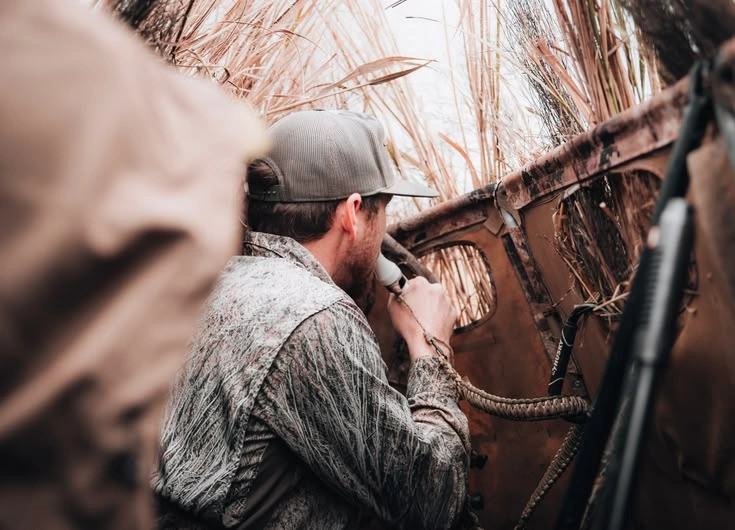
Wildlife population control is one of the most debated parts of hunting policy.
A population can sometimes become unusually large within a particular area because natural predators are absent, habitat has changed, or human activity has altered the ecosystem.
In those situations, wildlife managers may consider controlled removal as one possible management tool.
However, simply seeing more animals does not automatically mean that hunting should increase.
Managers need to ask a more important question:
What population level is appropriate for this ecosystem, and what evidence supports that conclusion?
That distinction matters because conservation is not simply about having more animals. Healthy ecosystems also depend on habitat quality, species interactions, genetic diversity, and long-term population stability.
Conservation Hunting Benefits
The potential conservation hunting benefits can be grouped into several areas.
1. Population Management
Controlled harvest can help wildlife managers influence populations where human intervention is considered necessary.
2. Habitat Protection
In some circumstances, managing an overabundant population can reduce pressure on vegetation and other resources.
3. Conservation Revenue
Licenses, equipment-related taxes, and other hunting-related revenue can help fund wildlife management programs in some countries.
4. Wildlife Monitoring
Regulated hunting can create useful records about age, sex, location, and harvest numbers when reporting systems are properly designed.
5. Community Incentives
Sustainable wildlife use can sometimes give local communities an economic reason to protect wildlife rather than tolerate illegal exploitation.
The IUCN recognizes that sustainable use can contribute to conservation and livelihoods when it is properly governed and ecologically sustainable.
Risks and Drawbacks of Hunting Quotas
There are also serious limitations.
Poor Data Can Produce Poor Quotas
If wildlife populations are badly estimated, even a carefully calculated quota can be wrong.
This is especially important for animals that are difficult to count or species whose populations move across large areas.
Illegal Hunting Can Undermine the System
A legal quota means little if illegal hunting is widespread.
Poaching, false reporting, corruption, and weak enforcement can turn a management system into a source of additional pressure.
Habitat Loss Cannot Be Solved by Quotas
A healthy harvest policy cannot compensate for destroyed habitat.
If animals are losing food, shelter, migration routes, or breeding areas, simply changing the hunting quota does not address the underlying problem.
Economic Pressure Can Create Conflicts
Where hunting creates significant income, there can be pressure to maintain or increase quotas.
For that reason, transparent decision-making and independent scientific review are important.
Sustainable Hunting vs. Unregulated Hunting
| Sustainable Hunting | Unregulated Hunting |
| Based on population information | May ignore population trends |
| Uses legal seasons and quotas | May involve excessive harvest |
| Monitored by authorities | Often difficult to monitor |
| Can support conservation funding | Can reduce conservation incentives |
| Rules can change with new evidence | Little adaptive management |
| Includes enforcement | Enforcement may be weak |
| Focuses on long-term use | Often focuses on immediate harvest |
The difference is therefore not simply whether an animal is hunted.
The bigger question is how, why, how many, where, and under what safeguards the animals are harvested.
How Wildlife Agencies Set Game Harvesting Limits
A responsible wildlife agency may follow a process similar to this:
Step 1: Monitor the population
Researchers collect information through surveys, field observations, tracking, harvest records, or other methods.
Step 2: Assess population health
Managers consider abundance, reproduction, mortality, habitat, and population structure.
Step 3: Estimate sustainable harvest
The agency evaluates how much removal the population can tolerate without creating unacceptable conservation risk.
Step 4: Set regulations
Rules may include quotas, seasons, permits, sex or age restrictions, and geographic limits.
Step 5: Monitor results
After the hunting period, managers compare expected and actual harvest.
Step 6: Adjust the rules
If new evidence shows that the population is doing better or worse than expected, future regulations can be changed.
This adaptive approach is important because wildlife populations are not static.
Why Local Conditions Matter
A quota that works in one region may be inappropriate somewhere else.
The same species can experience different food supplies, weather patterns, habitat conditions, predator pressure, and human impacts across its range.
CITES guidance specifically notes that harvest assessments need to consider local harvesting as well as impacts across the broader range of a species, especially for migratory animals.
Therefore, sustainable hunting quotas should be connected to the actual population being managed rather than based only on national or global numbers.
A Simple Checklist for Responsible Hunting Programs
Before calling a hunting program sustainable, ask:
- Is the population being monitored?
- Is the data recent enough for the decision?
- Are quotas based on biological evidence?
- Are breeding populations protected?
- Are habitats being protected alongside harvest limits?
- Is illegal hunting being controlled?
- Are harvest numbers reported accurately?
- Are local communities involved?
- Is the program reviewed regularly?
- Can quotas be reduced quickly when populations decline?
If several answers are no, the program deserves closer scrutiny.
Frequently Asked Questions
Are sustainable hunting quotas good for wildlife?
They can be. When based on strong scientific evidence and supported by monitoring and enforcement, quotas can help manage wildlife populations and prevent excessive harvest.
Does hunting always help conservation?
No. Hunting can support conservation in some management systems, but it can also harm wildlife when harvesting is excessive, poorly regulated, illegal, or directed at vulnerable populations.
What are game harvesting limits?
Game harvesting limits are legal restrictions on how many animals a hunter or group of hunters can harvest during a defined period.
How are hunting quotas decided?
Wildlife managers may consider population size, reproduction, mortality, habitat conditions, harvest records, and other ecological factors before establishing or changing quotas.
Can hunting control wildlife populations?
Sometimes. In particular situations, regulated hunting may be used as one population management tool. However, it should not be treated as a universal solution.
What are ethical hunting practices?
Ethical hunting practices involve following laws, respecting wildlife, avoiding unnecessary suffering and waste, reporting harvests honestly, and supporting responsible wildlife management.
Can hunting generate money for conservation?
Yes, in some countries. In the United States, hunting-related funding mechanisms contribute to wildlife and habitat management through established conservation programs.
Are quotas enough to protect endangered species?
No. Endangered or threatened species may require much stronger protection, habitat conservation, anti-poaching measures, and species-specific management. The IUCN’s 2025 guidance stresses careful assessment before harvesting threatened species.
Conclusion
Sustainable hunting quotas can help wildlife conservation, but only under the right conditions.
A quota is useful when it comes from good population data, considers habitat and reproduction, includes effective enforcement, and is regularly reviewed. On the other hand, a poorly designed quota can create a false sense of security.
The strongest approach is not to ask whether hunting is automatically good or bad.
Instead, ask whether a particular hunting program protects the long-term health of the species and its ecosystem.
When science, ethical hunting practices, habitat protection, community participation, and strong governance work together, regulated hunting can become one tool within a much larger conservation strategy.
For readers of viltnemnda, the broader lesson is simple: wildlife conservation works best when human activity is managed with care, evidence, and long-term thinking.
