Key Takeaways
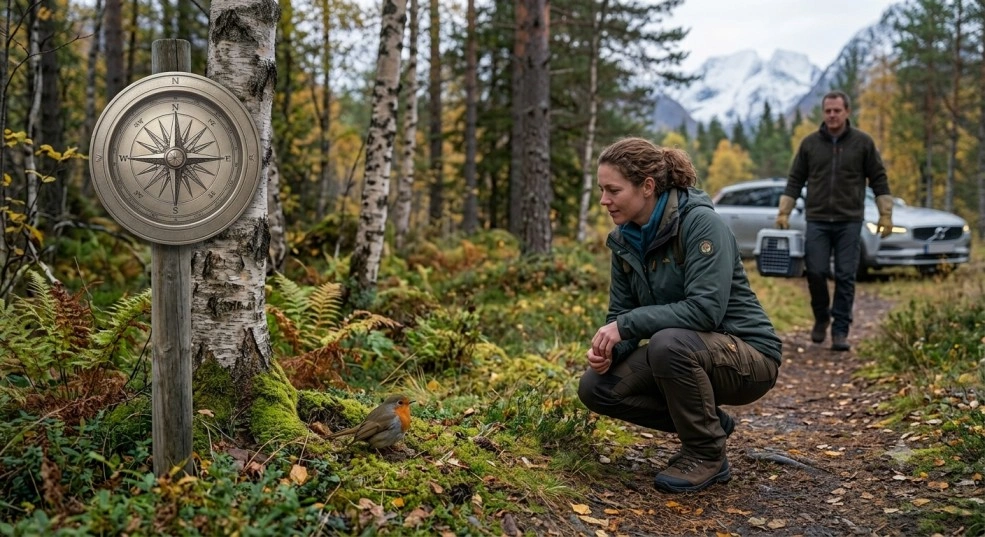
- What to Do If You Find Injured Wildlife starts with staying calm, observing the animal from a safe distance, and contacting trained wildlife professionals for guidance.
- Keep a safe distance and protect yourself.
- Contact wildlife rescue professionals for guidance.
- Avoid feeding or treating animals without expert advice.
- Do not remove young animals unless they are truly in danger.
- Reduce handling because stress can harm wildlife.
- Small conservation efforts can prevent future injuries.
Quick Answer: What Should You Do If You Find Injured Wildlife?
If you find injured wildlife, keep a safe distance, avoid unnecessary handling, and observe the animal. Contact a local wildlife rescue organization, animal rehabilitation center, or wildlife authority for advice.
Do not try to treat injuries yourself, feed the animal, or keep it as a pet. Wild animals require specialized care and handling.
1. Check the Situation From a Safe Distance
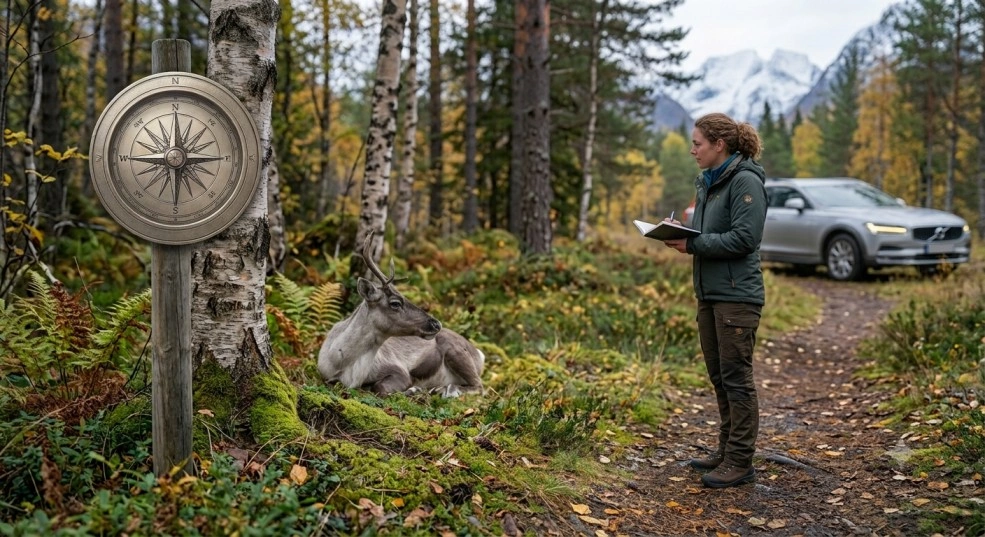
The first step is to observe the animal without rushing toward it.
Many people immediately try to pick up an injured animal, but this can create more stress. Wild animals often hide signs of weakness because they naturally try to protect themselves from predators.
Before taking action, look for signs that the animal actually needs help.
Common signs of injury include:
| Signs to Look For | Possible Problem |
|---|---|
| Unable to move normally | Injury or weakness |
| Visible wounds or bleeding | Physical trauma |
| Broken wing or leg | Accident or attack |
| Lying on the ground for a long time | Illness or injury |
| Difficulty breathing | Serious health issue |
| Trapped in human objects | Immediate danger |
Also consider the animal’s age. Young animals are sometimes left alone while their parents search for food. A baby animal sitting quietly does not always mean it has been abandoned.
Observe Before Taking Action
Spend a few minutes watching from a distance.
Ask yourself:
- Is the animal moving normally?
- Are adult animals nearby?
- Is it in immediate danger?
- Is it exposed to traffic, pets, or extreme weather?
This simple observation can prevent unnecessary interference.
2. Protect Yourself Before Helping
Helping wildlife requires caution. Even injured animals can defend themselves when they feel threatened.
A scared animal may scratch, bite, or spread diseases without meaning to harm you.
Before approaching, consider:
- The size of the animal
- Its behavior
- Whether it appears aggressive
- Whether it may carry illness
Wear protective gloves if you must handle the animal. Avoid touching wildlife with bare hands whenever possible.
Why Safety Matters
Wild animals do not understand human intentions. A person trying to help may look like a threat from the animal’s perspective.
Therefore, staying calm and reducing contact is often the safest choice for both you and the animal.
3. Identify If the Animal Really Needs Help
Not every animal that looks alone or inactive requires rescue.
Nature often works differently from human expectations. Some young animals spend time away from their parents while learning survival skills.
Examples of Animals That May Not Need Rescue
| Situation | What It May Mean |
|---|---|
| A baby bird on the ground | It may be learning to fly |
| A young rabbit hiding nearby | Parent may return |
| A deer lying quietly | It may be resting |
| A bird sitting still briefly | It may be recovering from a short disturbance |
However, intervention may be needed if:
- The animal has obvious injuries
- It is trapped
- It is near danger
- It cannot move properly
- It has been attacked by another animal
- It is in an unsafe location
When unsure, contacting a wildlife professional is usually the best option.
4. Contact Wildlife Rescue Professionals
Wildlife rehabilitation experts are trained to care for injured animals. They understand animal behavior, medical needs, and legal requirements.
A professional can guide you on what to do next and whether the animal needs transportation.
Who Can Help?
Depending on your location, contact:
- Wildlife rescue centers
- Animal rehabilitation organizations
- Government wildlife departments
- Local animal welfare groups
- Veterinary clinics experienced with wildlife
Avoid taking the animal to a regular pet facility without advice because wild animals often require different treatment.
Information to Provide When Calling
When contacting a rescue organization, share:
- Your location
- Type of animal
- Visible injuries
- Animal behavior
- How long you have observed it
- Whether you have touched or moved it
Clear information helps rescuers decide the right response.
5. How to Safely Handle an Injured Wild Animal
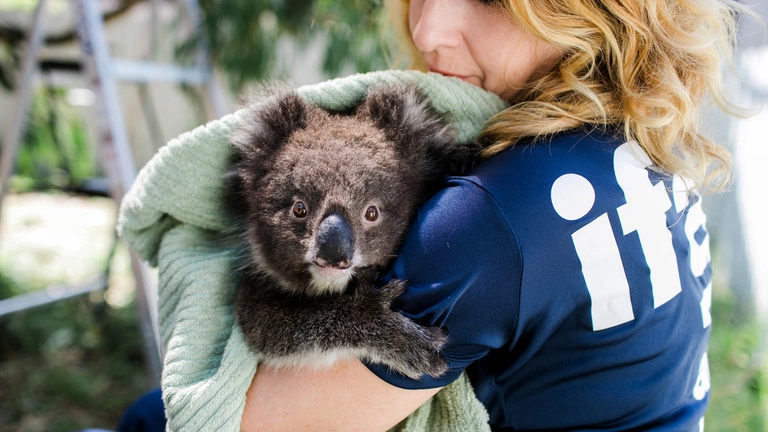
Sometimes a wildlife professional may ask you to move the animal away from immediate danger.
For example, an injured bird may be in the middle of a road, or a small animal may be trapped near harmful objects.
Only handle the animal if necessary.
Basic Handling Steps
Use a Suitable Container
A cardboard box with air holes is often safer than carrying an animal in your hands.
The container should:
- Be secure
- Allow airflow
- Be large enough for the animal to sit comfortably
- Keep the environment dark and quiet
Darkness can help reduce stress.
Move Slowly and Calmly
Avoid sudden movements or loud sounds.
Do not chase the animal around. This can increase fear and may worsen injuries.
Avoid Direct Contact
Do not hug, hold, or repeatedly check the animal.
Wild animals recover better when they experience minimal human interaction.
6. What to Do Until Help Arrives
After contacting a wildlife rescue professional, your main goal is to keep the animal safe and reduce stress.
Many people want to do more, but simple actions are often the most helpful.
Keep the Animal in a Quiet Place
If you have been instructed to place the animal in a container, keep it somewhere calm and away from:
- Children
- Pets
- Loud noises
- Bright lights
- Heavy movement
A quiet environment helps prevent additional stress.
Do Not Try to Treat Injuries Yourself
Avoid applying creams, giving medicine, or attempting to fix broken bones.
Wild animals have different medical needs, and incorrect treatment may cause further harm.
A trained wildlife rehabilitator can provide proper care based on the animal’s species and condition.
Avoid Feeding or Giving Water
One of the most common mistakes people make is offering food or water immediately.
An injured animal may not be able to digest food properly or may inhale water accidentally.
Only provide food or water if a wildlife professional specifically instructs you to do so.
7. Animals That Commonly Need Assistance
Different wildlife species may require different approaches. Understanding common situations can help you respond correctly.
Injured Birds
Birds are often found with:
- Broken wings
- Window collision injuries
- Attacks from cats or other animals
- Weakness or exhaustion
If a bird cannot fly or has visible injuries, it may need professional help.
Do not attempt to repair a wing or force the bird to fly.
Baby Birds
Baby birds are one of the most misunderstood wildlife situations.
A young bird on the ground may be learning to fly. In many cases, parents continue caring for it nearby.
However, help may be needed if:
- The bird has injuries
- It is completely featherless and alone
- It is in immediate danger
If possible, observe from a distance before interfering.
Small Mammals
Animals such as squirrels, rabbits, and other small mammals may need help after:
- Vehicle accidents
- Predator attacks
- Falls
- Traps or human-related injuries
Small mammals can become highly stressed during handling, so professional advice is important.
Reptiles and Amphibians
Turtles, snakes, frogs, and other reptiles may appear inactive when injured or cold.
Avoid handling unfamiliar species, especially snakes.
If a reptile is injured on a road, moving it away from danger may help, but always place it in the same direction it was traveling.
8. Common Mistakes People Make When Helping Wildlife
Good intentions do not always lead to good results. Many wildlife problems happen because people act quickly without understanding animal behavior.
Here are common mistakes to avoid.
| Mistake | Why It Can Be Harmful |
|---|---|
| Taking healthy young animals home | Parents may still be caring for them |
| Feeding unknown wildlife | Incorrect food can cause health problems |
| Keeping wild animals as pets | Wildlife has special needs and legal protections |
| Handling animals too much | It increases stress |
| Trying home treatments | Injuries may become worse |
| Posting animal locations publicly | It may attract harmful attention |
Trying to Help Too Quickly
Although helping is a positive instinct, wildlife rescue often requires patience.
The best approach is to observe first, seek advice, and act only when necessary.
Treating Wildlife Like Pets
Wild animals are not the same as domestic animals.
They have different diets, behaviors, and survival skills. Even animals that appear friendly still need specialized care.
9. Wildlife Rescue Checklist
Use this simple checklist if you discover an injured wild animal.
| Step | Action |
|---|---|
| 1 | Stay calm and observe from a distance |
| 2 | Check if the animal is actually injured |
| 3 | Keep yourself safe |
| 4 | Remove immediate dangers if possible |
| 5 | Contact wildlife professionals |
| 6 | Follow their instructions |
| 7 | Keep handling to a minimum |
| 8 | Avoid feeding unless advised |
| 9 | Keep pets and people away |
| 10 | Provide rescue workers with accurate details |
This approach gives the animal the best possible chance while keeping everyone safe.
10. How You Can Support Wildlife Beyond Rescue
Helping wildlife does not only mean responding to emergencies.
Small daily actions can protect animals and reduce injuries.
Create Safer Spaces
You can support local wildlife by:
- Keeping outdoor areas free from harmful waste
- Reducing plastic pollution
- Protecting natural habitats
- Using wildlife-friendly gardening methods
- Keeping pets away from vulnerable animals
Learn About Local Wildlife
Understanding the animals in your area helps you recognize when they need assistance.
Local wildlife organizations often provide educational resources about native species and conservation.
Frequently Asked Questions
What should I do first if I find an injured wild animal?
The first step is to stay calm and observe the animal from a safe distance. Avoid touching it unless necessary and contact a wildlife rescue professional for guidance.
Should I give food or water to injured wildlife?
No. Avoid giving food or water unless a wildlife expert specifically tells you to do so. Incorrect feeding can cause additional problems.
Can I keep an injured wild animal at home?
No. Wild animals should not be kept as pets. They require specialized care and may have legal protections.
How do I know if a baby animal is abandoned?
A baby animal alone does not always mean it has been abandoned. Parents may be nearby searching for food or watching from a distance.
Look for signs of injury or danger before deciding to intervene.
Can injured wildlife carry diseases?
Yes, some wild animals can carry diseases or parasites. Avoid unnecessary contact and use protective equipment if handling is required.
Should I take wildlife to a veterinarian?
Only do so after getting advice. Some veterinarians treat wildlife, but many cases require specialized wildlife rehabilitation centers.
Conclusion
Finding injured wildlife can feel overwhelming, but the right response can make a meaningful difference.
The most important steps are to stay calm, observe, protect yourself, and contact trained wildlife professionals.
Although helping an injured animal may come from a place of kindness, wildlife requires specialized care that only trained professionals can provide.
Organizations like Viltnemnda help manage wildlife-related situations and support responsible responses to injured animals.
By learning how to respond responsibly, you can protect both animals and yourself while supporting local ecosystems.
Every safe decision helps give injured wildlife a better chance to recover and return to nature.
