Key Takeaways
- Deer collision insurance claims norway are a common risk on roads near forests and natural areas.
- Comprehensive insurance usually protects wildlife-related vehicle damage.
- Photos and accurate accident details can support your insurance claim.
- Always prioritize safety before collecting evidence.
- Check your insurance policy to understand coverage and deductibles.
- Slow driving and extra awareness can reduce wildlife accident risks.
Quick Answer: Are Deer Collisions Covered by Insurance in Norway?
Yes, deer collisions are usually covered in Norway if you have comprehensive car insurance (often called kasko). Wildlife-related damage is generally treated differently from accidents caused by another driver because there is no responsible person to claim compensation from.
Coverage depends on your insurance policy, so drivers should always check the exact terms with their insurance provider.
If you hit a deer, you should:
- Stop safely and check for injuries.
- Contact emergency services if needed.
- Report the wildlife accident according to local requirements.
- Take photos of the damage and accident scene.
- Contact your insurance company as soon as possible.
Following these steps can protect your safety and improve the chances of a smooth claim process.
Why Deer Collisions Happen in Norway
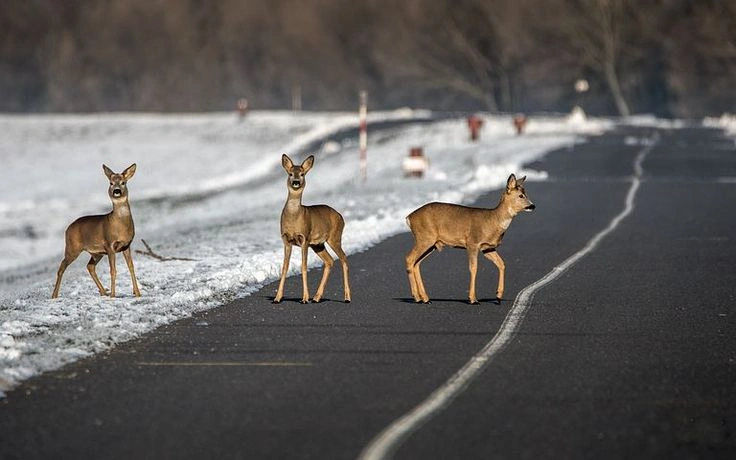
Norway has large forest areas and many wildlife populations, including deer, moose, and other animals. Because roads often pass through natural habitats, encounters between vehicles and animals are possible.
Several factors increase the chance of a wildlife accident:
Wildlife Activity Seasons
Deer are more active during certain periods of the year. During spring and autumn, animals may move more frequently while searching for food or during mating seasons.
Drivers should be especially careful during:
| Period | Reason for Increased Risk |
|---|---|
| Early morning | Animals move between resting and feeding areas |
| Evening hours | Wildlife becomes more active |
| Autumn months | Increased animal movement |
| Winter | Animals may come closer to roads searching for food |
Rural and Forest Roads
Many deer collisions happen on roads surrounded by forests, fields, or mountains. These areas provide natural habitats where animals can suddenly cross highways and smaller roads.
Warning signs showing wildlife crossings are placed in many high-risk areas. However, drivers should still remain alert because animals may appear outside marked zones.
Weather and Visibility Conditions
Poor visibility caused by snow, fog, rain, or darkness can make it harder for drivers to react quickly.
Therefore, reducing speed in risky areas and keeping full attention on the road can help prevent accidents.
What To Do After a Deer Collision in Norway
A deer collision can be frightening. The priority should always be safety.
Stop Your Vehicle Safely
Move your car to a safe location if possible. Turn on hazard lights and check whether anyone inside the vehicle needs medical assistance.
Avoid standing near the road, especially in areas with fast-moving traffic.
Report the Accident
If a deer is injured or killed, it is important to report the incident to the appropriate authorities. This helps with animal welfare and prevents further danger for other drivers.
Do not approach an injured wild animal because it may react unpredictably.
Collect Evidence
Good documentation can support your insurance claim.
Take pictures of:
- Vehicle damage
- The accident location
- Road conditions
- Wildlife warning signs nearby
- Any visible marks from the collision
Also note important details such as:
- Date and time
- Exact location
- Weather conditions
- How the accident happened
Contact Your Insurance Company
Inform your insurer as soon as possible. They will explain the claim process, required documents, and repair approval steps.
Different insurance companies may have different procedures, so early communication is important.
How Deer Collision Insurance Claims Work in Norway
The process for a deer collision claim is usually straightforward when you have suitable coverage.
A typical claim process includes these steps:
| Step | What Happens |
|---|---|
| 1 | Report the accident to your insurance company |
| 2 | Provide accident details and photos |
| 3 | The insurance company reviews the claim |
| 4 | Vehicle damage is inspected |
| 5 | Approved repairs are arranged |
| 6 | Driver pays any required deductible |
The final payment depends on your policy conditions, repair costs, and deductible amount.
Insurance companies may ask for additional information before approving the claim. Providing accurate details helps avoid unnecessary delays.
Which Insurance Covers Deer Collision Damage?
Not every car insurance policy provides the same protection. Understanding the difference between coverage types is important.
| Insurance Type | Deer Collision Coverage |
|---|---|
| Basic liability insurance | Usually does not cover your own vehicle damage |
| Partial coverage | Depends on policy details |
| Comprehensive insurance (Kasko) | Usually covers wildlife collision damage |
Comprehensive coverage is designed to protect drivers from unexpected events, including certain natural incidents and animal collisions.
However, every policy has specific conditions. Drivers should review their insurance agreement to understand exactly what is included.
Common Types of Car Damage After a Wildlife Accident
A deer collision can cause different levels of damage depending on the speed of the vehicle and the size of the animal.
Common damage includes:
Front-End Damage
The front of the car often receives the strongest impact. Repairs may involve:
- Bumper replacement
- Grille damage
- Headlight repairs
- Hood damage
Windshield and Glass Damage
A collision with a deer can sometimes damage:
- Windshield glass
- Side mirrors
- Windows
Glass repairs may require professional replacement to maintain safety standards.
Mechanical Damage
In serious accidents, internal components can be affected, including:
- Cooling systems
- Sensors
- Engine-related parts
Modern vehicles may also have advanced safety systems that require inspection after an impact.
Documents Needed for a Deer Collision Insurance Claim in Norway
When making a deer collision insurance claim in Norway, having the correct information can make the process faster and easier. Insurance companies usually need proof that the damage happened because of a wildlife accident.
The required documents may vary depending on your insurer, but commonly include:
| Document | Why It Is Needed |
|---|---|
| Insurance claim form | Provides official accident details |
| Vehicle information | Helps identify your car and policy |
| Photos of damage | Shows the condition of the vehicle after the accident |
| Accident location details | Confirms where the collision happened |
| Police or wildlife report (if required) | Provides official accident records |
| Repair estimate | Shows expected repair costs |
Keeping accurate records is important. Small details, such as the exact location and time of the accident, can help your insurer understand what happened.
Why Photos Matter During a Claim
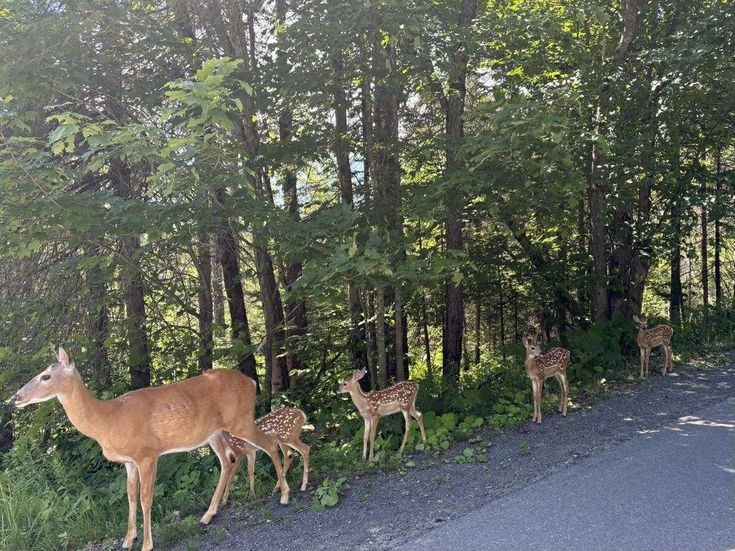
Photos provide clear evidence of the accident. They can help show:
- The type of vehicle damage
- The location of the collision
- Road conditions
- Possible wildlife involvement
Try to take pictures before moving the vehicle if it is safe to do so.
However, safety should always come first. Never risk standing near traffic just to collect evidence.
Deer Collision vs Other Road Accidents
A wildlife accident is different from a normal car accident because there is usually no other driver responsible for the damage.
Understanding the difference can help drivers know what to expect.
| Situation | Responsible Party | Typical Insurance Process |
|---|---|---|
| Deer collision | No human driver involved | Claim through suitable vehicle insurance |
| Another driver hits your car | Other driver may be responsible | Compensation may involve liability insurance |
| You lose control due to weather | Depends on policy | May require your own coverage |
| Animal caused damage while crossing road | Wildlife accident | Usually handled under vehicle protection coverage |
Unlike accidents involving another person, you cannot normally claim repair costs from the animal or wildlife authorities.
Common Mistakes That Can Affect Your Deer Collision Claim
Even when drivers have insurance coverage, mistakes after an accident can create problems.
Leaving the Accident Scene Without Reporting
After hitting a deer, some drivers leave immediately without documenting the incident.
This can make it harder to prove what happened and may delay the insurance process.
Not Taking Enough Photos
A lack of evidence can create uncertainty during claim evaluation.
Taking clear pictures of the damage and accident location can strengthen your case.
Repairing the Vehicle Before Insurance Approval
Some insurance companies require vehicle inspection before repairs begin.
Starting repairs without approval may create complications with reimbursement.
Providing Incorrect Information
Always provide accurate details about the accident.
Incorrect information can slow down the claim process and may affect the outcome.
How To Reduce the Risk of Deer Collisions
Although wildlife accidents cannot always be avoided, careful driving can lower the risk.
Slow Down in Wildlife Areas
Speed reduction gives drivers more reaction time. This is especially important on roads surrounded by forests and fields.
Watch for Warning Signs
Wildlife crossing signs indicate areas where animals are commonly present.
However, drivers should remain careful even when signs are not visible.
Use High Beams Carefully
At night, proper use of headlights can improve visibility.
However, drivers should avoid using high beams when approaching other vehicles because they can reduce visibility for other road users.
Stay Alert During High-Risk Times
Deer are often more active during dawn and dusk.
Extra attention during these periods can help prevent sudden collisions.
Practical Tips for Norwegian Drivers After a Wildlife Accident
Here are some simple steps that can make the situation easier:
| Tip | Benefit |
|---|---|
| Keep emergency numbers saved | Faster response during accidents |
| Store insurance details in your vehicle | Easier reporting |
| Carry a phone charger | Helps during roadside situations |
| Keep a flashlight during winter | Useful in dark conditions |
| Review your insurance policy yearly | Understand your coverage |
Being prepared does not prevent every accident, but it helps drivers respond calmly when unexpected events happen.
Expert Tips for Handling a Deer Collision Claim
Understand Your Insurance Before an Accident
Many drivers only check their insurance after something goes wrong.
Reviewing your policy earlier helps you understand:
- What damage is covered
- Your deductible amount
- How claims are submitted
- Which documents are required
Keep Communication Clear
When speaking with your insurance provider, explain the accident clearly and honestly.
Avoid guessing details. If you are unsure about something, say so.
Choose Approved Repair Services
Using recommended repair shops can often make the process smoother because insurers may already have agreements with certain providers.
Deer Collision Insurance Claims: Cost and Coverage Factors
The final claim amount depends on several factors.
| Factor | How It Affects the Claim |
|---|---|
| Insurance type | Determines whether damage is covered |
| Vehicle value | Influences repair decisions |
| Damage severity | Changes repair costs |
| Deductible | Affects the amount you pay yourself |
| Policy conditions | Determines claim approval |
A small collision may only require minor repairs, while a high-speed accident can create expensive damage.
Frequently Asked Questions
Does car insurance cover deer collisions in Norway?
Yes, many comprehensive car insurance policies cover damage caused by wildlife collisions. However, coverage depends on the individual insurance agreement.
Do I need to report hitting a deer in Norway?
If a deer is injured or killed, reporting the incident may be required. The exact process depends on local rules and circumstances.
Will my insurance premium increase after a deer collision?
It depends on your insurance provider and policy conditions. Some claims may affect future premiums, while others may be handled differently.
Can I claim damage if I only have basic car insurance?
Basic liability insurance usually covers damage you cause to others, not damage to your own vehicle. Wildlife damage often requires broader coverage.
What should I do if the deer runs away after the accident?
You should still document the accident, check your vehicle, and contact the relevant authorities or your insurance company for guidance.
Can I repair my car immediately after a deer accident?
It is usually better to contact your insurance company first. They may need to inspect the vehicle before repairs begin.
Are deer collisions common on Norwegian roads?
Wildlife collisions can happen in areas where roads cross natural habitats. Drivers should remain careful, especially in forest areas and during active wildlife periods.
Conclusion
A deer collision can be a stressful experience, but knowing how deer collision insurance claims in Norway work can make the process much easier.
The most important steps are staying safe, reporting the accident properly, collecting evidence, and contacting your insurance provider quickly.
Comprehensive insurance often protects against wildlife-related vehicle damage, but every policy has different conditions. Therefore a viltnemnda reviewing your coverage before an accident happens is always a smart choice.
By driving carefully in wildlife areas and understanding the claim process, Norwegian drivers can handle car damage from wildlife accidents with greater confidence.
