Key Takeaways
- What is fallvilt? Fallvilt refers to wild animals found dead or injured outside legal hunting, including many wildlife collision cases.
- In Norway, the term commonly applies to game animals affected by traffic accidents, trains, disease, or other non-hunting causes and is an important part of the country’s wildlife management system.
- The fallvilt law Norway supports public safety, wildlife welfare, and responsible management.
- Drivers should report collisions involving large wild animals as soon as possible.
- Never approach an injured wild animal because it may behave unpredictably.
- Reporting incidents helps improve conservation efforts and road safety.
- Local wildlife committees, including Viltnemnda, assist in managing fallvilt cases.
Quick Answer
Fallvilt is a Norwegian term used for wild animals that are found dead or injured because of causes other than legal hunting. In many cases, it refers to animals involved in road accidents, but it can also include wildlife harmed by trains, fences, natural events, or other incidents. Under the fallvilt law Norway, certain wildlife collisions must be reported so authorities can protect public safety, care for injured animals when possible, and manage wildlife responsibly.
What Does Fallvilt Mean?
The word fallvilt comes from Norwegian and is commonly used in wildlife management. In simple terms, it refers to wild game animals that die or become seriously injured outside regular hunting activities.
Although many people think it only means roadkill, the meaning is broader than that. A wild animal may be considered fallvilt if it dies because of:
- A traffic collision
- A train accident
- Falling into a fence or ditch
- Natural injuries
- Disease
- Other unexpected causes
The goal is not simply to record dead animals. Instead, Norway uses the fallvilt system to make sure wildlife is managed responsibly and that injured animals receive attention as quickly as possible.
This approach also helps authorities understand where accidents happen most often, allowing them to improve road safety and protect both people and wildlife.
Why Is the Term Important?
The term is important because it connects wildlife protection with public safety. Every reported case provides valuable information about animal movement, accident hotspots, and local wildlife populations.
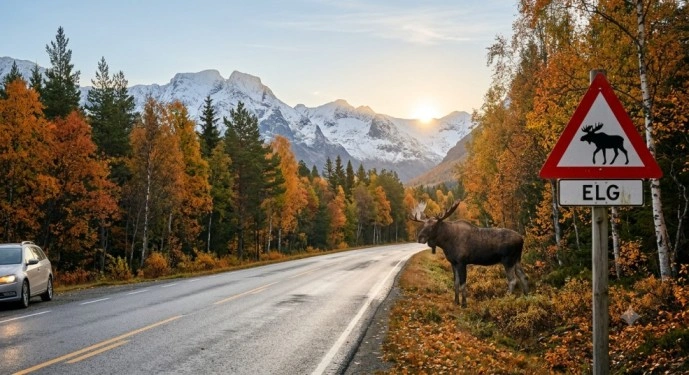
For example, if several moose are hit along the same stretch of road during autumn, officials may decide to improve warning signs or introduce other safety measures.
As a result, reporting fallvilt benefits everyone, including:
| Group | Benefit |
|---|---|
| Drivers | Safer roads and fewer wildlife collisions |
| Wildlife authorities | Better tracking of animal populations |
| Local communities | Improved traffic safety |
| Conservation experts | More reliable wildlife data |
Why Does Norway Use the Term Fallvilt?
Norway has one of Europe’s richest natural environments. Large forests, mountain areas, and long rural roads mean that humans and wildlife often share the same spaces.
Animals regularly cross highways while searching for food, water, or seasonal habitats. Because of this, collisions are an unavoidable part of life in some regions.
Instead of treating each accident as an isolated event, Norwegian authorities collect information about fallvilt to improve wildlife management across the country.
The system helps officials:
- Monitor wildlife populations.
- Identify dangerous roads.
- Improve conservation planning.
- Reduce future collisions.
- Protect both animals and motorists.
Rather than focusing only on enforcement, the system encourages responsible reporting and cooperation between drivers and local authorities.
Wildlife Conservation and Public Safety
The fallvilt law Norway reflects a balance between protecting nature and keeping roads safe.
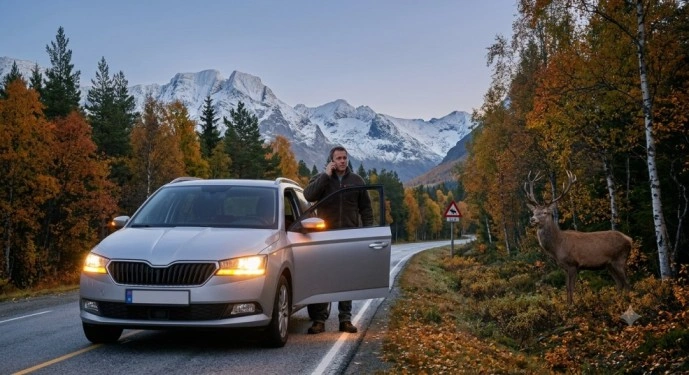
For example, an injured moose can weigh several hundred kilograms and may behave unpredictably after a collision. Leaving the animal without reporting it can increase the risk of another accident.
Similarly, an injured deer may move into nearby forests where it becomes difficult to locate. Reporting the incident quickly allows trained personnel to respond appropriately.
Because of these situations, Norway places strong importance on early reporting rather than waiting until someone else discovers the animal.
Which Animals Are Considered Fallvilt?
Not every animal automatically falls under the same wildlife management rules.
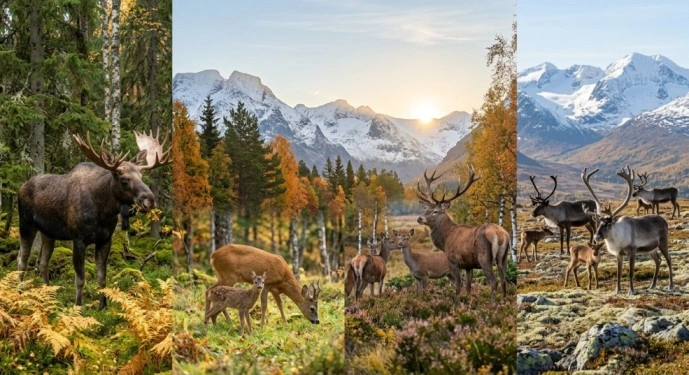
Generally, the term applies to wild game species that are managed under Norwegian wildlife regulations. Some of the most common examples include:
- Moose
- Red deer
- Roe deer
- Wild reindeer
- Elk where applicable in local terminology
- Other protected wild game species
Smaller animals may also be reported depending on local circumstances, although reporting requirements often focus on larger wildlife because they present greater safety risks.
Animals Most Commonly Involved in Road Accidents
Certain species appear more frequently in wildlife collision reports than others.
| Animal | Why Collisions Are Common |
|---|---|
| Moose | Large size and frequent road crossings |
| Roe deer | Active at dawn and dusk |
| Red deer | Seasonal migration near roads |
| Reindeer | Travel in groups across open areas |
The risk increases during autumn and winter when daylight hours are shorter, and visibility is reduced.
Seasonal Changes Affect Wildlife Movement
Wild animals move throughout the year depending on weather and food availability.
During spring and autumn, many species travel longer distances. Winter snowfall can also push animals closer to roads where food is easier to find.
Because of these seasonal patterns, drivers should remain alert, especially:
- Around sunrise
- Around sunset
- During fog
- After heavy snowfall
- In forested areas
Paying attention to wildlife warning signs can significantly reduce the chance of an accident.
How Does the Fallvilt Law Norway Work?
The fallvilt law in Norway is designed to ensure that injured or dead wild animals are handled responsibly while protecting public safety.
If a driver collides with a large wild animal, the incident should not simply be ignored. Instead, the relevant authorities need accurate information so they can assess the situation and decide on the appropriate response.
Although procedures can vary depending on the location and the species involved, the general process usually follows these steps:
- Stop only if it is safe to do so.
- Check for injuries to yourself and others.
- Avoid approaching an injured wild animal.
- Mark the location if possible.
- Report the collision to the appropriate authorities.
- Wait for instructions if requested.
Following these steps helps protect both people and wildlife while ensuring that the incident is managed according to Norwegian regulations.
What Should You Do After Hitting Wildlife in Norway?