Key Takeaways
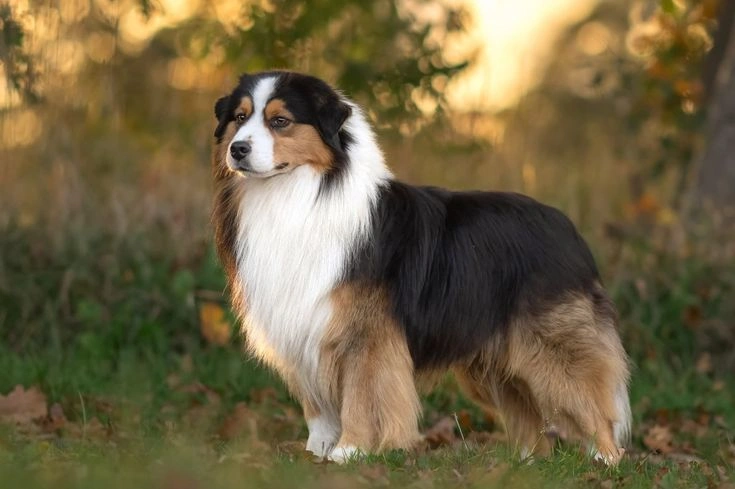
- Australian Shepherds are intelligent, energetic herding dogs.
- They typically live 12–15 years.
- Adults usually weigh 40–65 pounds.
- Regular exercise and mental stimulation are essential.
- Positive reinforcement works best for training.
- Grooming includes brushing several times a week.
- Early socialization helps build a confident, friendly dog.
- They are an excellent choice for active individuals and families.
Quick Answer
The Australian Shepherd is an intelligent, active, and loyal herding breed that typically weighs 40 to 65 pounds and lives 12 to 15 years. They need daily exercise, consistent training, regular grooming, and plenty of mental stimulation. Australian Shepherds are excellent family dogs for active households but may struggle in homes where they are left alone or receive little physical activity.
Australian Shepherd Overview
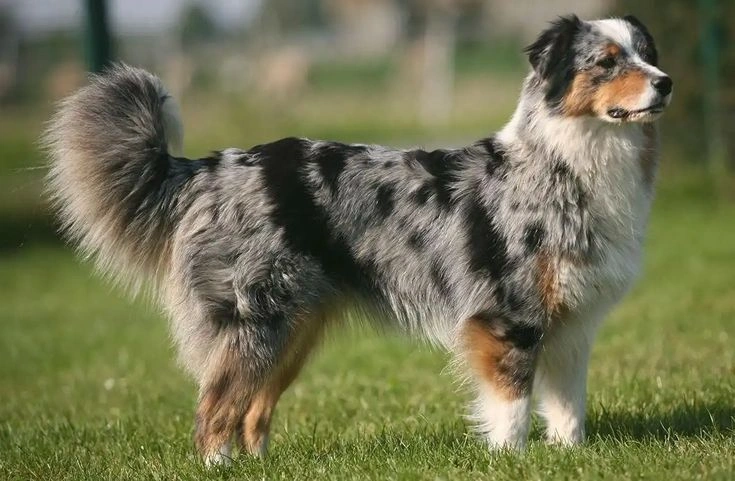
Before bringing home an Australian Shepherd, it helps to understand the breed’s basic characteristics. These dogs are known for their athletic build, quick learning ability, and strong work ethic.
| Feature | Details |
|---|---|
| Breed Group | Herding |
| Height | 18–23 inches |
| Weight | 40–65 pounds |
| Lifespan | 12–15 years |
| Energy Level | Very High |
| Shedding | Moderate to Heavy |
| Trainability | Excellent |
| Good With Families | Yes |
| Apartment Friendly | Only with plenty of exercise |
Australian Shepherds are happiest when they have a purpose. Whether it’s hiking, agility training, herding, or learning tricks, they enjoy staying active throughout the day.
History and Origin
Although many people assume the Australian Shepherd originated in Australia, the breed’s history tells a different story.
The breed was developed in the western United States during the 19th century. Ranchers needed an intelligent, hardworking dog capable of managing sheep and cattle across large areas. Shepherds arriving from Australia brought livestock along with skilled herding dogs, which likely influenced the breed’s name.
Over time, breeders selected dogs for intelligence, endurance, agility, and loyalty rather than appearance alone. As a result, today’s Australian Shepherd remains one of the most versatile working breeds.
Their popularity expanded beyond farms thanks to rodeos, television appearances, search-and-rescue work, therapy programs, and competitive dog sports.
Australian Shepherd Size
One of the first questions future owners ask is how big an Australian Shepherd gets.
The answer depends on genetics, diet, and whether the dog is male or female. Most Australian Shepherds are medium-sized dogs with strong, muscular bodies built for endurance instead of bulk.
Average Size
| Gender | Height | Weight |
|---|---|---|
| Male | 20–23 inches | 50–65 pounds |
| Female | 18–21 inches | 40–55 pounds |
Most puppies reach nearly their full height by their first birthday, although they continue developing muscle and body structure until around two years of age.
If you’re considering a mini Australian Shepherd, remember that it is a smaller variation. While it shares many personality traits with the standard breed, its size and exercise needs can differ slightly depending on breeding.
Australian Shepherd Colors and Coat
The Australian Shepherd’s coat is one of its most recognizable features. It is medium in length, weather-resistant, and designed to protect the dog while working outdoors in different climates.
The breed comes in several beautiful color combinations, each with unique markings.
Common Australian Shepherd Colors
| Color | Description |
|---|---|
| Black | Solid black with or without white and tan markings |
| Blue Merle | Gray, black, and marbled pattern |
| Red | Deep liver-colored coat |
| Red Merle | Red and cream marbled appearance |
Many Australian Shepherds also have white markings on the chest, face, legs, or neck. Some display copper points above the eyes, on the cheeks, and around the legs, giving them an even more striking appearance.
Eye color is equally impressive. Their eyes may be blue, brown, amber, green, or even two different colors, a trait known as heterochromia.
Unlike coat color, eye color does not determine intelligence or personality. Each dog is unique regardless of appearance.
Australian Shepherd Temperament
The Australian Shepherd temperament is one of the biggest reasons this breed is so popular. These dogs are intelligent, affectionate, and eager to stay close to their people. They build strong bonds with their families and often prefer being involved in everyday activities rather than relaxing alone.
Because they were bred to herd livestock, Australian Shepherds naturally enjoy having a job to do. Without enough physical activity and mental challenges, they can become bored and develop unwanted behaviors like chewing, barking, or digging.
Personality Traits
| Trait | Rating |
|---|---|
| Intelligence | Excellent |
| Loyalty | Excellent |
| Energy Level | Very High |
| Friendliness | High |
| Trainability | Excellent |
| Protective Nature | Moderate |
| Playfulness | High |
Although they are friendly with their family, Australian Shepherds may be reserved around strangers. Early socialization helps them become confident and well-mannered adults.
Are They Good Family Dogs?
Yes, Australian Shepherds can make wonderful family pets. They are gentle with children when properly trained and supervised. Moreover, they enjoy games, outdoor adventures, and spending quality time with their owners.
However, because of their herding instincts, some Australian Shepherds may try to herd young children or other pets by gently nipping at their heels. Consistent training usually reduces this behavior.
Australian Shepherd Puppy Care
Bringing home an Australian Shepherd puppy is exciting, but it also comes with responsibilities. Puppies are curious, energetic, and eager to explore everything around them.
During the first few months, focus on building a daily routine that includes healthy meals, training sessions, socialization, and playtime.
Puppy Care Checklist
| Task | Recommendation |
|---|---|
| Veterinary Checkups | Follow your vet’s schedule |
| Vaccinations | Keep all vaccines up to date |
| Nutrition | Feed a high-quality puppy food |
| Exercise | Short play sessions throughout the day |
| Socialization | Introduce new people, pets, and environments |
| Training | Begin basic commands as early as possible |
Young puppies should not participate in long-distance running or jumping until their joints have fully developed.
Australian Shepherd Training
One of the greatest strengths of the breed is how quickly it learns. Australian Shepherd training is usually enjoyable because these dogs love solving problems and earning rewards.
Positive reinforcement works much better than punishment. Reward good behavior with praise, treats, or a favorite toy to keep your dog motivated.
Essential Commands
Teach these commands first:
- Sit
- Stay
- Come
- Down
- Leave it
- Heel
- Drop it
Short training sessions of 10 to 15 minutes are often more effective than long sessions. As a result, your dog stays focused and continues enjoying the learning process.
Training Tips
- Start training from puppyhood.
- Stay consistent with commands.
- Reward good behavior immediately.
- Socialize your dog regularly.
- Keep sessions fun and engaging.
- Avoid harsh corrections.
- Challenge their mind with puzzle toys and games.
Because Australian Shepherds are highly intelligent, they can learn advanced tricks, agility courses, scent work, and obedience competitions with impressive speed.
Exercise Needs
Australian Shepherds are not couch potatoes. They were bred to work for hours, so they require plenty of daily exercise to stay healthy and happy.
A simple walk around the block is rarely enough.
Daily Activity Ideas
- Brisk walks
- Hiking
- Running
- Fetch
- Frisbee
- Agility training
- Herding games
- Swimming (if your dog enjoys water)
Most adult Australian Shepherds benefit from 1 to 2 hours of exercise every day. In addition, mental stimulation is just as important as physical activity.
Without enough activity, they may become restless or destructive inside the home.
Australian Shepherd Grooming
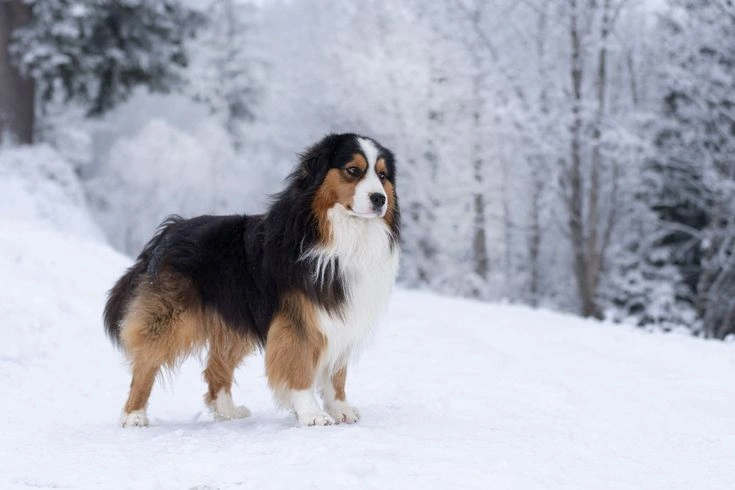
Australian Shepherd grooming is easier than many people expect, but regular maintenance is important.
Their double coat sheds throughout the year and sheds more heavily during seasonal changes.
Grooming Schedule
| Grooming Task | Frequency |
|---|---|
| Brushing | 2–3 times per week |
| Bathing | Every 6–8 weeks or when needed |
| Nail Trimming | Every 3–4 weeks |
| Ear Cleaning | Weekly |
| Teeth Brushing | Several times each week |
Frequent brushing removes loose hair, prevents mats, and keeps the coat looking healthy.
During spring and fall shedding seasons, daily brushing may be necessary to manage extra fur around your home.
Is an Australian Shepherd Right for You?
Before choosing this breed, think honestly about your lifestyle.
An Australian Shepherd is an excellent match if you:
- Enjoy outdoor activities.
- Have time for daily exercise.
- Want a highly trainable dog.
- Like teaching new skills.
- Can provide mental stimulation.
On the other hand, this breed may not be the best choice if you:
- Work long hours away from home.
- Prefer a low-energy pet.
- Cannot commit to regular training.
- Have little time for exercise.
- Want a dog that is comfortable being alone for long periods.
Choosing the right breed is about finding a companion whose needs match your daily routine. For active owners, the Australian Shepherd can be an incredibly loyal, intelligent, and rewarding lifelong friend.
Australian Shepherd Health and Lifespan
Australian Shepherds are generally healthy dogs, but like all breeds, they can inherit certain health conditions. Choosing a puppy from a responsible breeder and keeping up with routine veterinary care can reduce many risks.
A healthy Australian Shepherd usually lives 12 to 15 years. Proper nutrition, regular exercise, and preventive healthcare all play an important role in helping your dog enjoy a long, active life.
Common Health Conditions
| Health Issue | Description | Can It Be Managed? |
|---|---|---|
| Hip Dysplasia | Improper development of the hip joint | Often manageable with weight control, exercise, or treatment |
| Elbow Dysplasia | Joint abnormality affecting the front legs | Yes |
| Progressive Retinal Atrophy (PRA) | An inherited eye disease that may lead to vision loss | No cure, but regular eye exams help monitor it |
| Cataracts | Clouding of the eye lens | Often treatable with surgery |
| Epilepsy | A neurological condition that causes seizures | Usually managed with medication |
| Multidrug Resistance (MDR1) Gene Mutation | Makes some dogs sensitive to certain medications | DNA testing can identify affected dogs |
Regular health screenings are especially important if you buy from a breeder. Ask for health clearances whenever possible.
Signs Your Dog Needs a Vet
Contact your veterinarian if your Australian Shepherd shows any of these signs:
- Loss of appetite
- Limping or stiffness
- Difficulty standing up
- Frequent scratching or ear infections
- Cloudy eyes or vision changes
- Sudden weight loss
- Unusual tiredness
- Repeated vomiting or diarrhea
Early treatment often leads to better outcomes.
Feeding and Nutrition
A balanced diet helps your Australian Shepherd stay energetic and maintain a healthy weight.
The amount of food your dog needs depends on age, activity level, metabolism, and overall health.
Feeding Guide
| Life Stage | Meals Per Day |
|---|---|
| 8–12 weeks | 3–4 meals |
| 3–6 months | 3 meals |
| 6–12 months | 2 meals |
| Adults | 2 meals |
Choose a complete, high-quality dog food that meets your dog’s life stage.
Fresh water should always be available.
Avoid overfeeding because Australian Shepherds can gain weight if they don’t receive enough exercise.
Foods to Avoid
Never feed your dog:
- Chocolate
- Grapes and raisins
- Onions
- Garlic
- Alcohol
- Xylitol (found in some sugar-free products)
- Cooked bones
- Macadamia nuts
If your dog accidentally eats a toxic food, contact your veterinarian immediately.
Australian Shepherd vs Mini Australian Shepherd
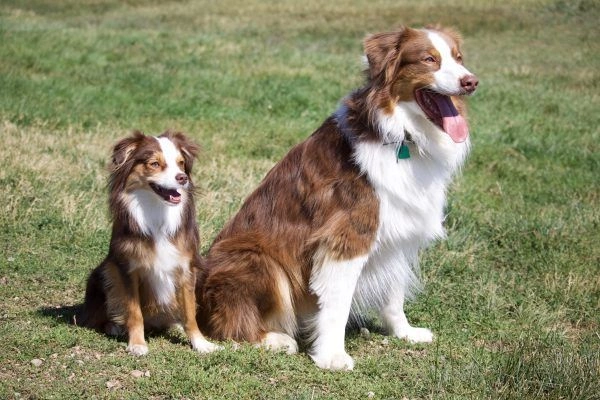
Many people compare the standard Australian Shepherd with the Mini Australian Shepherd before choosing a puppy.
Although they look similar, there are a few important differences.
| Feature | Australian Shepherd | Mini Australian Shepherd |
|---|---|---|
| Height | 18–23 inches | 13–18 inches |
| Weight | 40–65 pounds | 20–40 pounds |
| Exercise Needs | Very High | High |
| Living Space | Best with a yard | Better suited to smaller homes if exercised properly |
| Personality | Intelligent, energetic, loyal | Similar, but slightly easier to manage because of the smaller size |
Both breeds need training, socialization, and daily exercise.
If you have limited space but still want an active companion, the Mini Australian Shepherd may be a better fit.
Pros and Cons
Every breed has strengths and challenges. Understanding both will help you make a confident decision.
| Pros | Cons |
|---|---|
| Extremely intelligent | Needs lots of exercise |
| Easy to train | Heavy seasonal shedding |
| Loyal and affectionate | Can become bored easily |
| Great for active families | Not ideal for inactive owners |
| Excels in dog sports | May herd children or other pets |
| Adaptable when well trained | Doesn’t enjoy being left alone for long periods |
Expert Tips for New Owners
If this is your first Australian Shepherd, these tips can make the transition much smoother.
- Begin socialization as early as possible.
- Keep training sessions short and positive.
- Provide both physical and mental exercise every day.
- Rotate toys to prevent boredom.
- Brush the coat regularly before tangles develop.
- Maintain a healthy weight to protect the joints.
- Schedule routine veterinary checkups.
- Use puzzle feeders to challenge your dog’s mind.
- Be patient and consistent with training.
- Spend quality time with your dog every day.
Small daily habits make a big difference over the years.
Common Mistakes to Avoid
Many first-time owners underestimate how active this breed is.
Avoid these common mistakes:
- Skipping daily exercise
- Leaving the dog alone for long hours
- Delaying training and socialization
- Using harsh punishment during training
- Ignoring mental stimulation
- Overfeeding treats
- Brushing the coat too infrequently
- Buying from breeders who do not perform health testing
Preventing these mistakes will help your Australian Shepherd become a happy, confident companion.
Australian Shepherd Care Checklist
Use this checklist to stay on track with your dog’s care.
| Task | Status |
|---|---|
| Feed a balanced diet | ✓ |
| Provide fresh water daily | ✓ |
| Exercise for 1–2 hours | ✓ |
| Brush coat 2–3 times weekly | ✓ |
| Train using positive reinforcement | ✓ |
| Socialize with people and pets | ✓ |
| Schedule regular vet visits | ✓ |
| Keep vaccinations current | ✓ |
| Provide mental enrichment | ✓ |
| Give plenty of love and attention | ✓ |
Frequently Asked Questions
Are Australian Shepherds good for first-time owners?
They can be, but only if you’re ready for an active and intelligent breed that needs regular exercise, training, and attention.
Do Australian Shepherds bark a lot?
They may bark to alert their owners or when they become bored. Proper training and enough daily activity usually help reduce excessive barking.
How much exercise does an Australian Shepherd need?
Most adults need at least 1 to 2 hours of exercise each day, along with mental stimulation.
Do Australian Shepherds shed?
Yes. They have a double coat and shed throughout the year, with heavier shedding during seasonal coat changes.
Are Australian Shepherds easy to train?
Yes. They are among the easiest dog breeds to train because they are highly intelligent and eager to learn.
Can Australian Shepherds live in apartments?
Yes, but only if they receive plenty of daily exercise and mental enrichment. A home with a yard is generally a better fit.
Are Australian Shepherds good with children?
Yes. They are affectionate and playful with children, although early training helps manage their natural herding instincts.
Conclusion
The Australian Shepherd is much more than a beautiful dog with striking eyes and a colorful coat. It is a loyal, intelligent, and hardworking companion that thrives in an active home.
From understanding Australian Shepherd size and Australian Shepherd colors to learning about Australian Shepherd temperament, grooming, training, and health, preparing before bringing one home makes all the difference.
If you can provide daily exercise, consistent training, and plenty of companionship, an Australian Shepherd can reward you with years of loyalty, affection, and unforgettable adventures.
